


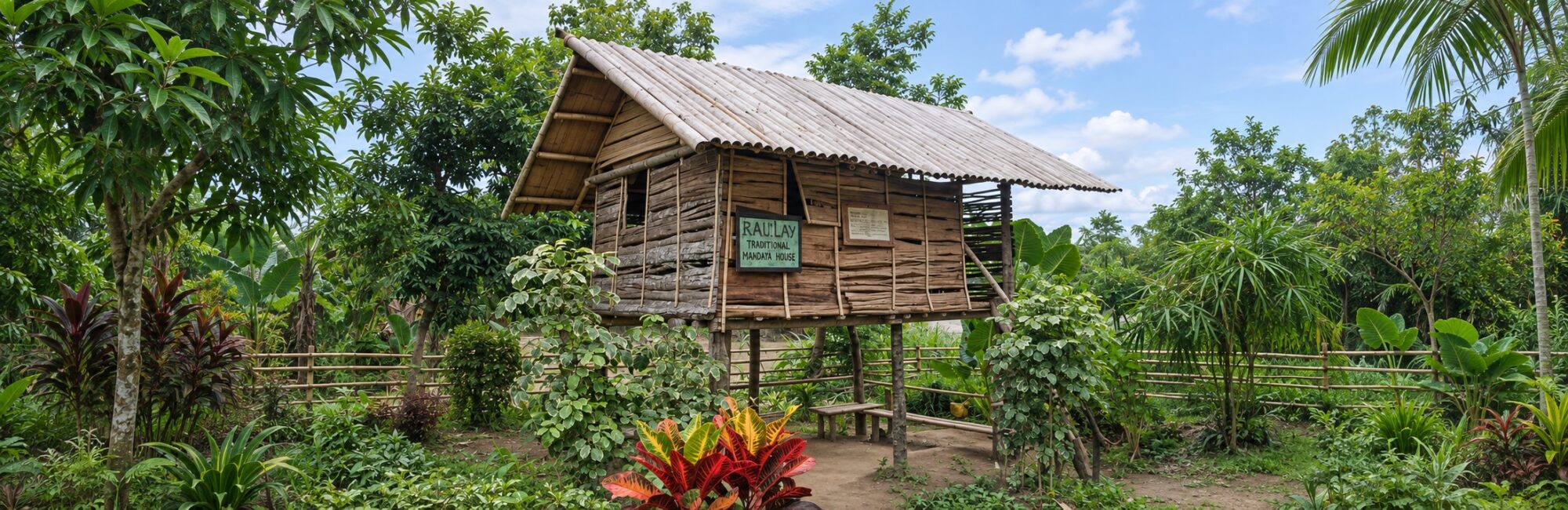
Davao City
Davao City: Gateway to Mindanao
Davao City is in the Davao Region of Mindanao, about a one hour and fifty minute direct flight from Manila into Davao International Airport.
Davao City holds a special place for me because it was the very first place I visited in the Philippines, back in 1997. I’ve probably been there a dozen times over the years, mostly visiting family, and I’ve always enjoyed the place.
It’s a big, sprawling city, but compared with Manila or Cebu, I’ve always found Davao a bit more laid-back. The people are friendly, it’s generally clean and I’ve never had any problems with safety when I’ve been there.
Davao is also the main commercial centre of Mindanao and a gateway to some fantastic destinations, including Mount Apo, Samal Island and Talikud Island.
For me, that’s probably its biggest attraction. There’s plenty to see around the city, but it’s the surrounding mountains, beaches and islands that really make this part of the Philippines worth checking out.
Things to Do in Davao City
Eden Nature Park and Resort
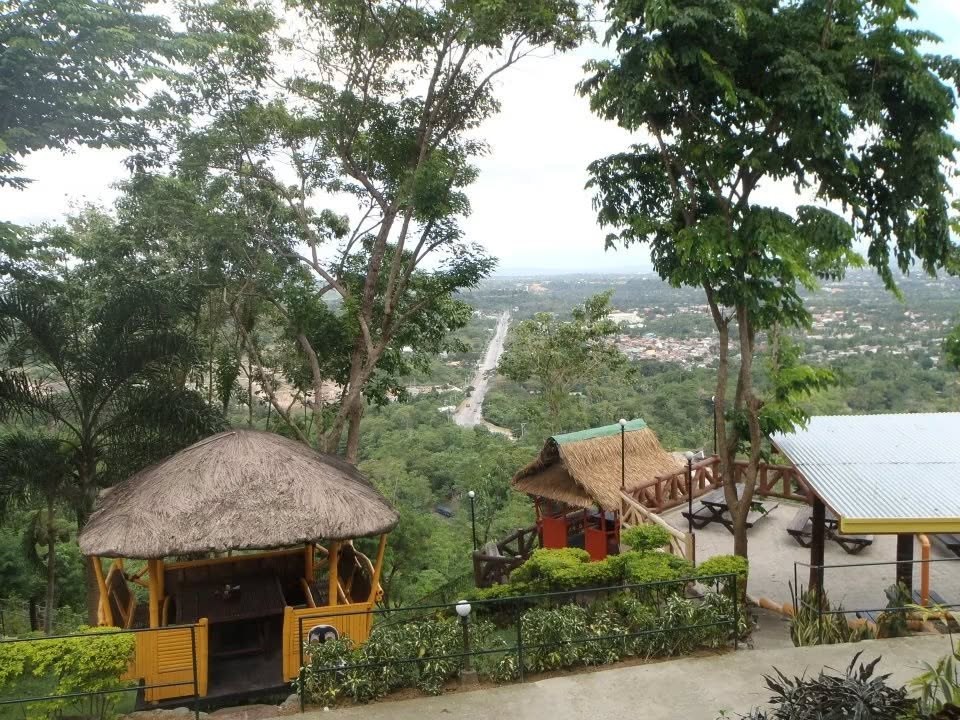
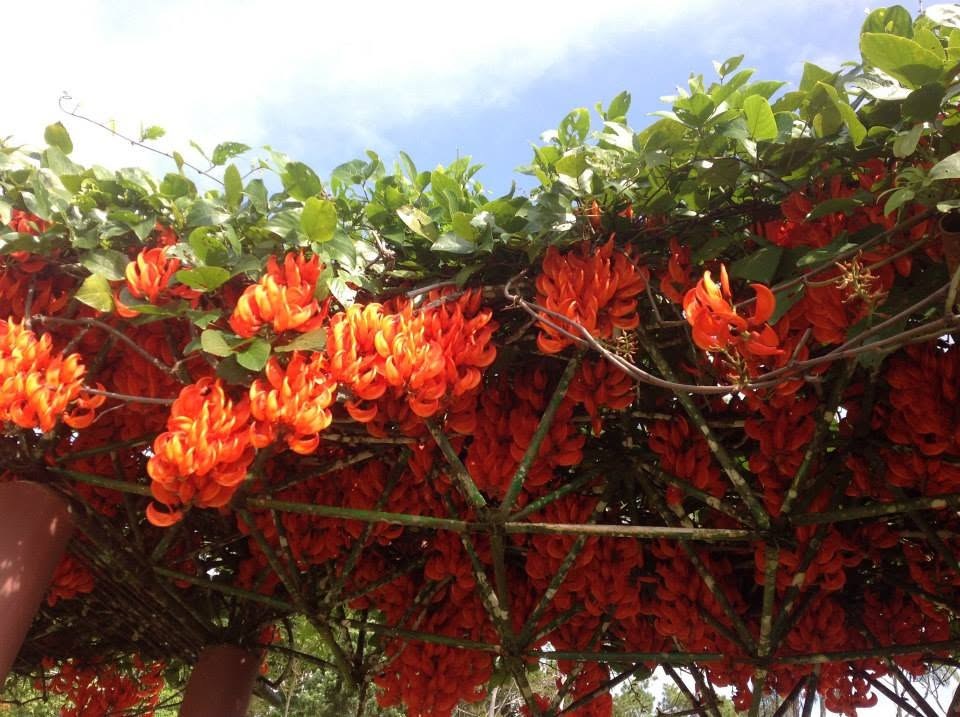
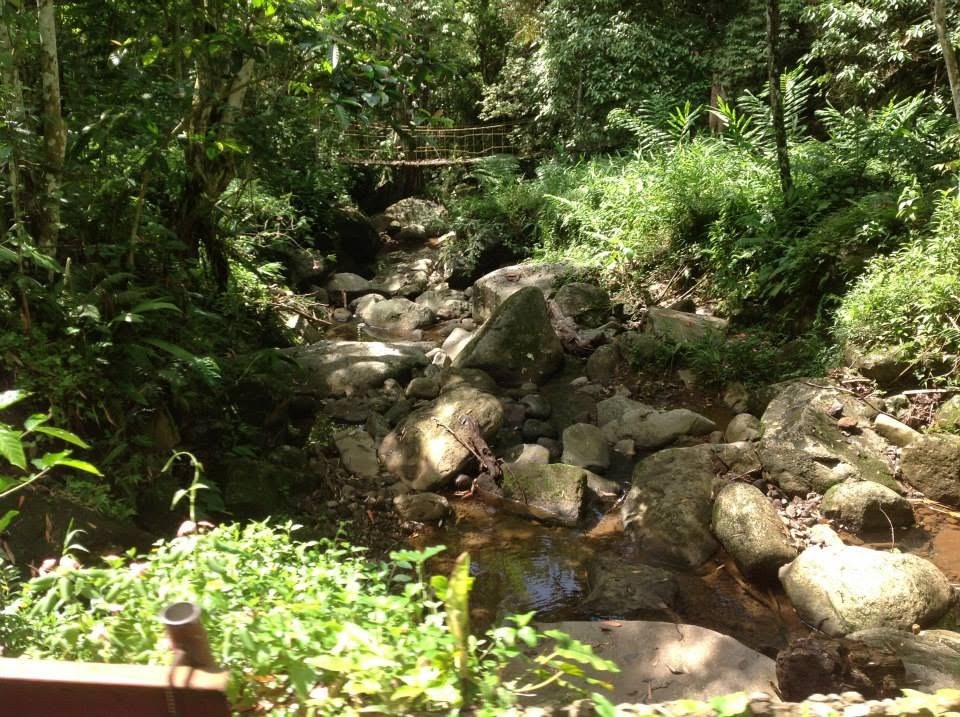
Eden Nature Park is one of my favourite attractions around Davao. Located in the mountains outside the city, it’s a beautiful place to escape the heat and enjoy the surrounding forests and scenery.
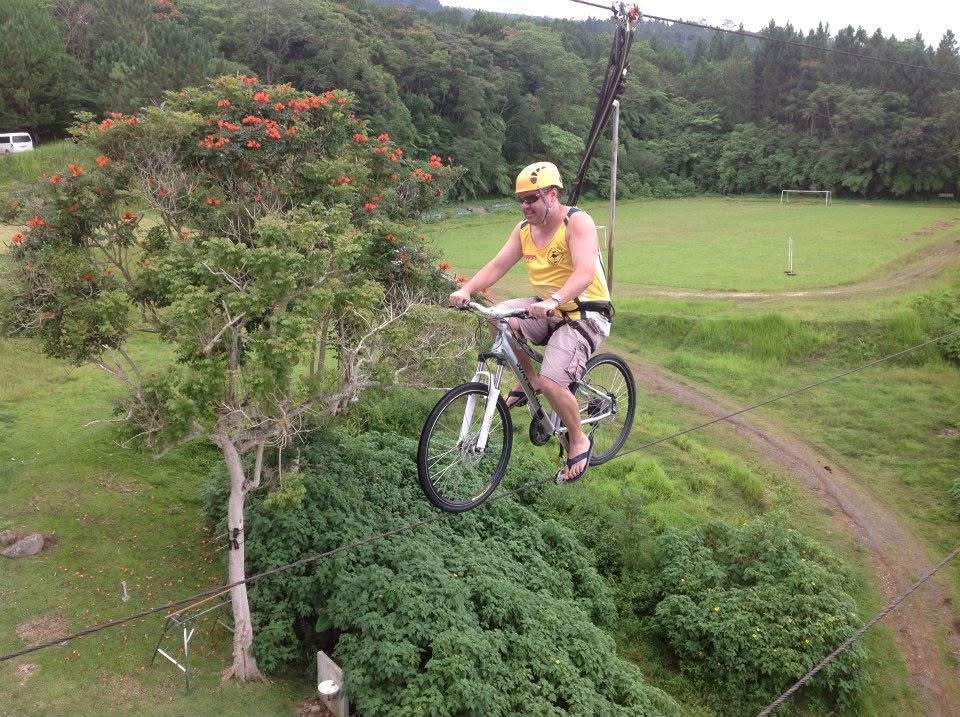
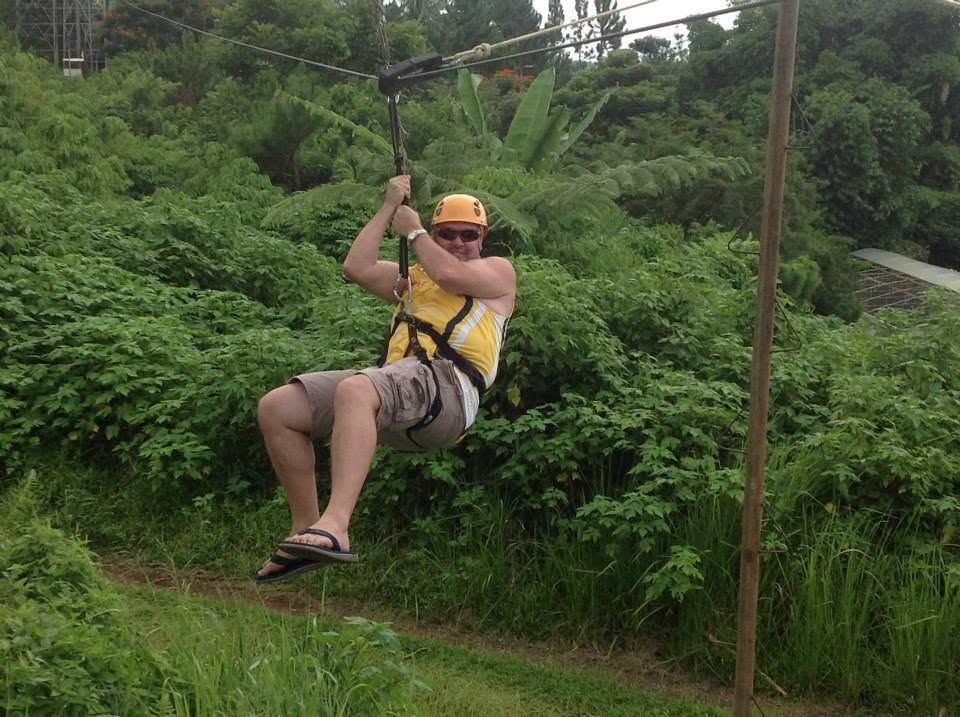
I went sky cycling here with my daughters, which was an amazing experience. The idea of riding a bicycle along a cable high above the ground is a little mind-boggling at first!
Once you get comfortable and realise how the specially grooved wheels keep the bicycle on the cable, you can relax and enjoy the spectacular views of the forest and mountains below.
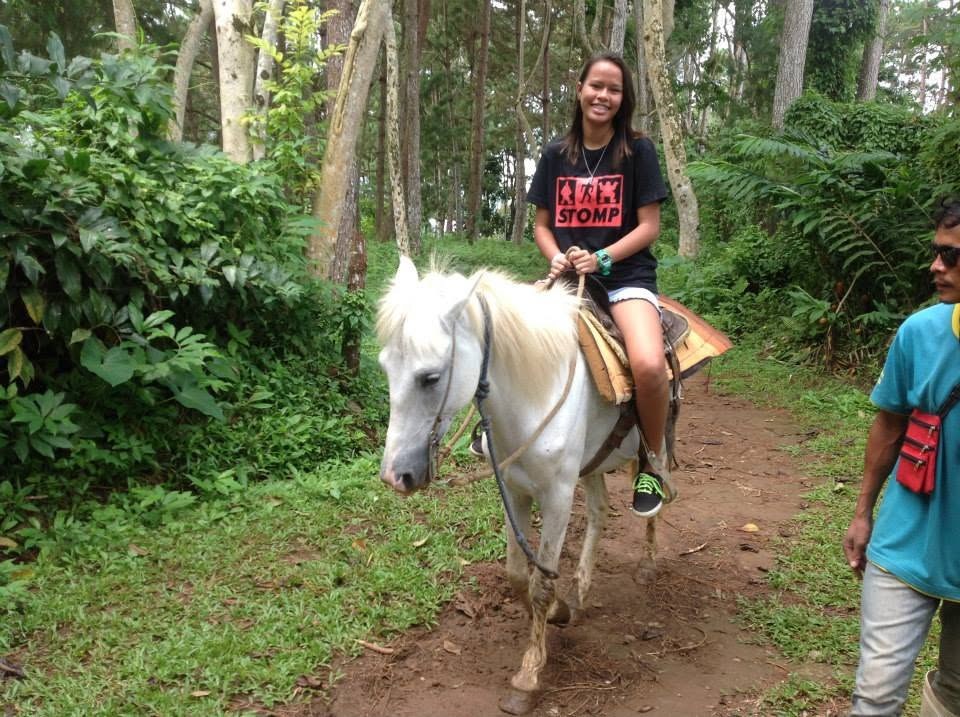
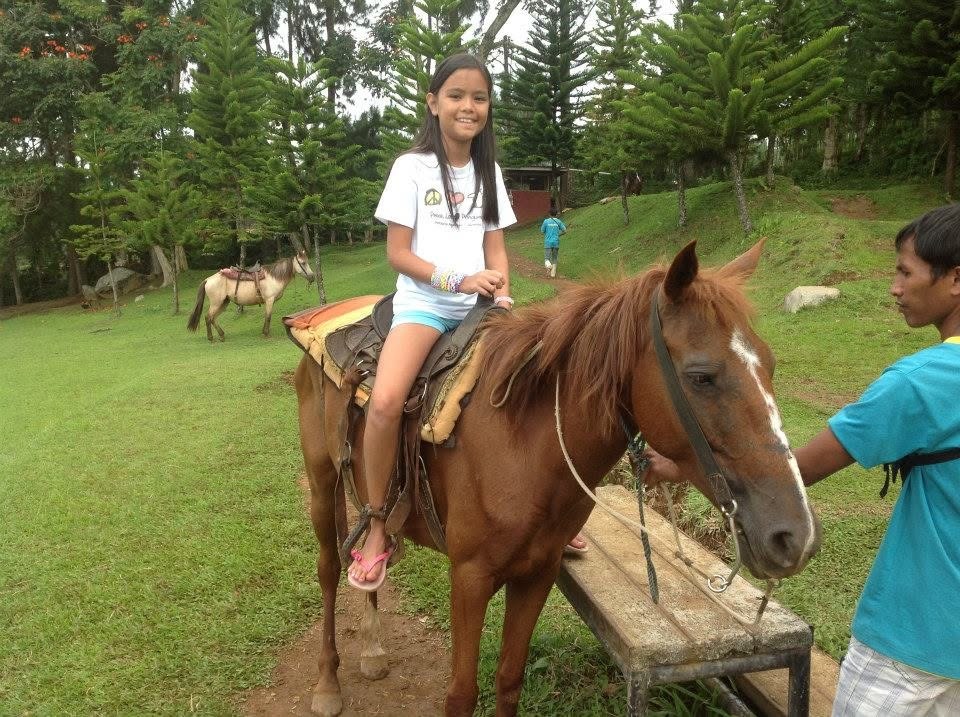
There’s also horse riding and other outdoor activities, making it a great place for families.

Philippine Eagle Center
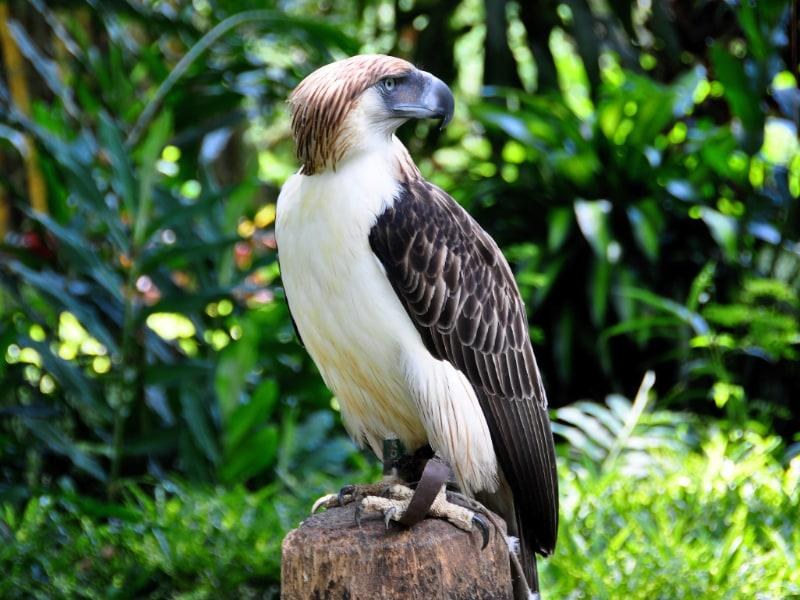
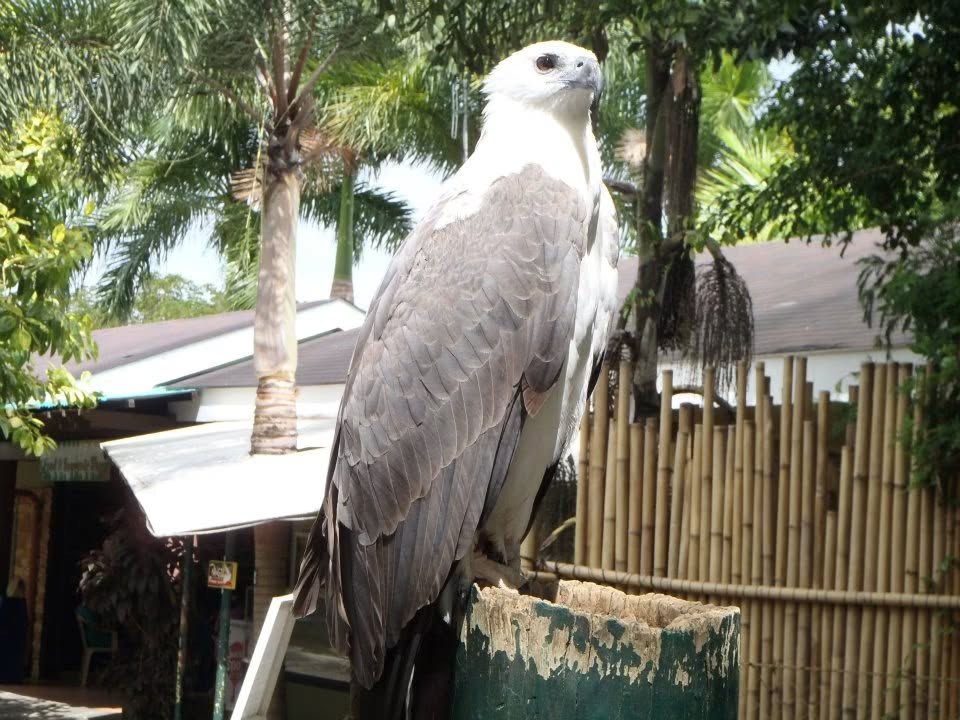
The Philippine eagle is one of the country’s great natural treasures. It’s also one of the world’s largest and most powerful eagles and is critically endangered.
I visited the Philippine Eagle Center many years ago, and one thing I’ll never forget is seeing one of these magnificent birds flying and hearing the swoosh of its enormous wings.
The size of its talons was incredible, too. I’d never seen an eagle that close before, and it really was an amazing experience.
The centre plays an important role in conservation, breeding and educating people about protecting the Philippine eagle and its natural habitat.

Davao Crocodile Park
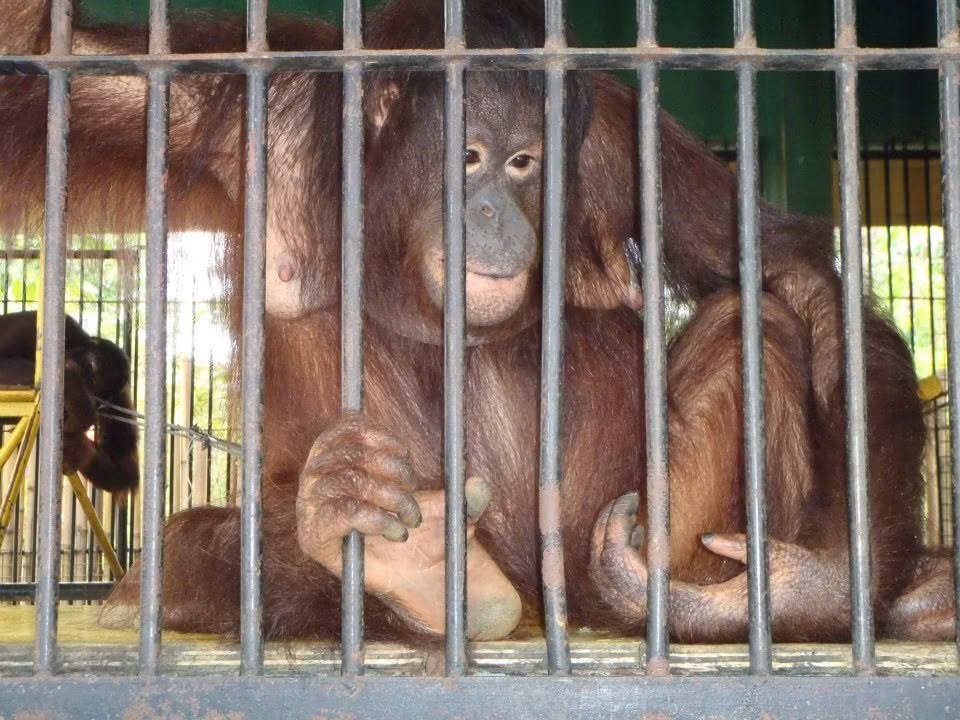
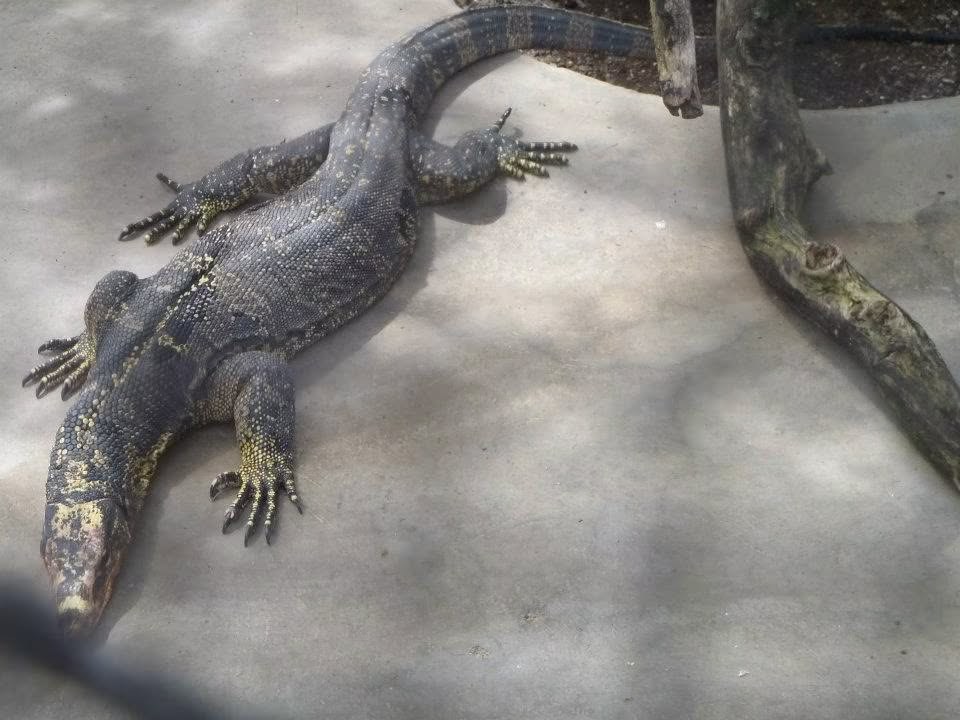
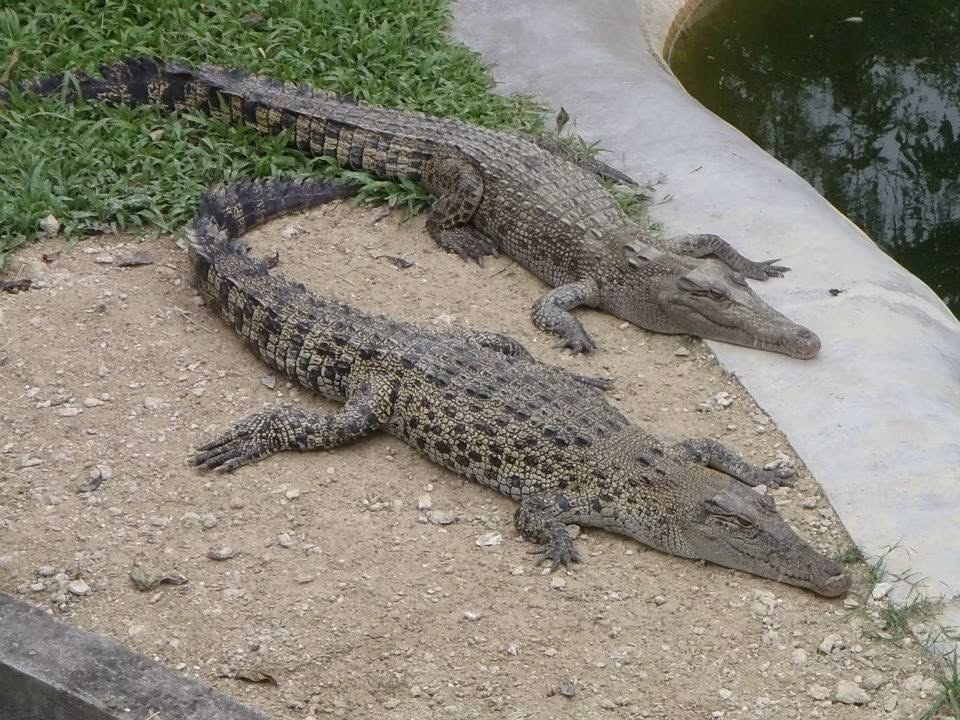
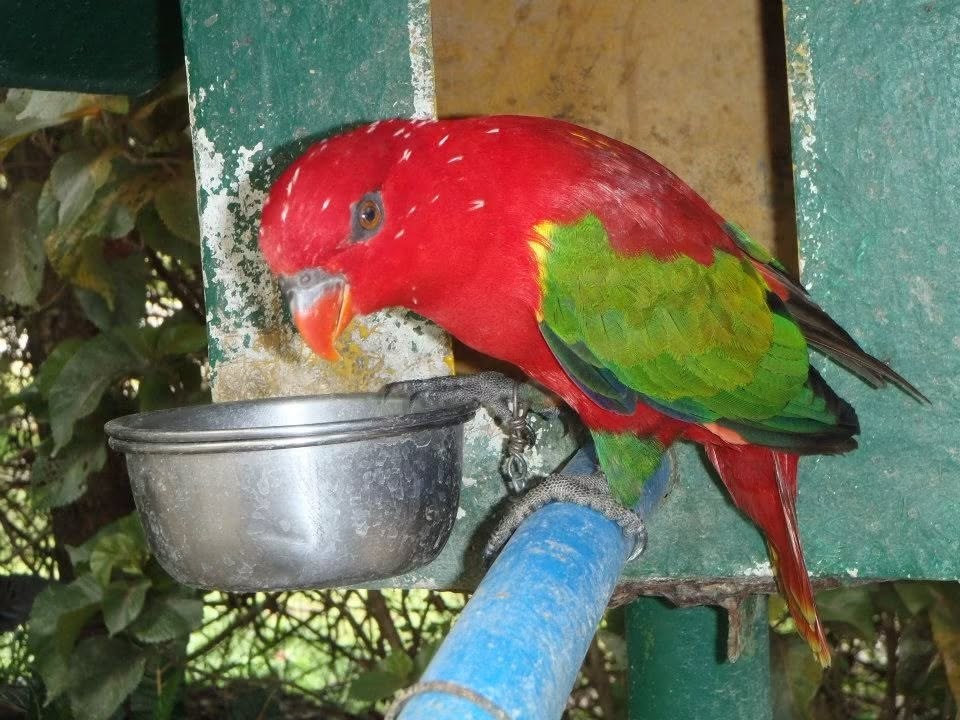
Despite the name, Davao Crocodile Park isn’t just about crocodiles. It’s actually more like a zoo, with all sorts of other animals, including orangutans, different species of birds and plenty of other reptiles.
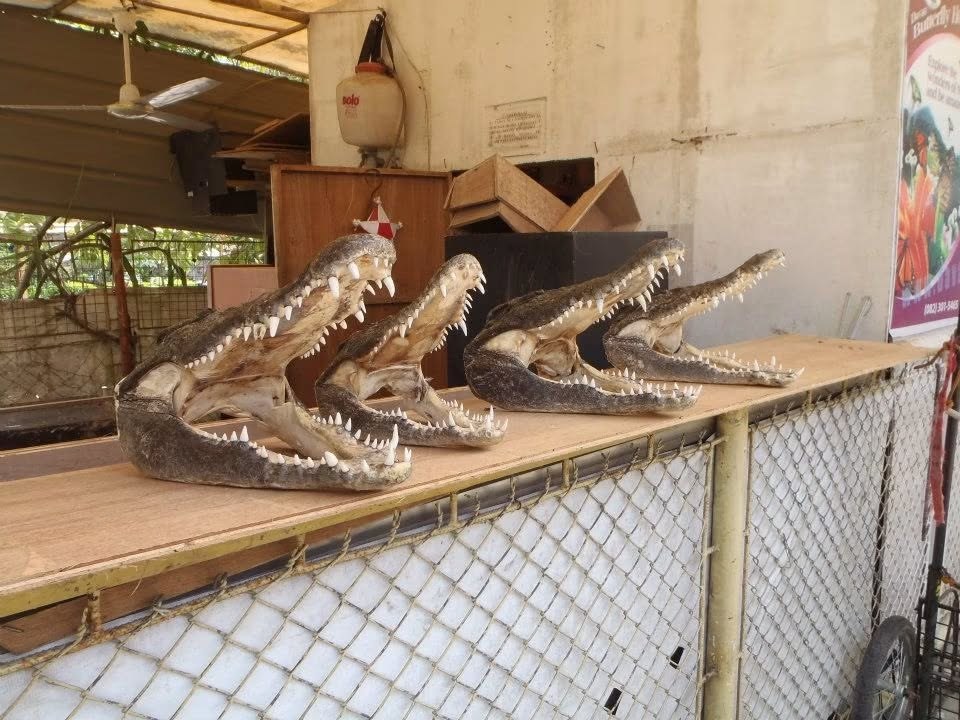
Of course, the crocodiles are the main attraction, and some of them are absolute monsters. I’ve always been fascinated by crocodiles. They’re such prehistoric-looking creatures, and seeing them up close is pretty amazing.
There’s also a cultural village with recreations of traditional houses and displays showing how some of Mindanao’s indigenous communities lived, which is quite interesting.
It’s a good place to spend a couple of hours, especially if you’ve got kids. There’s a fair bit more to see than just a bunch of crocodiles lying around.
Mount Apo
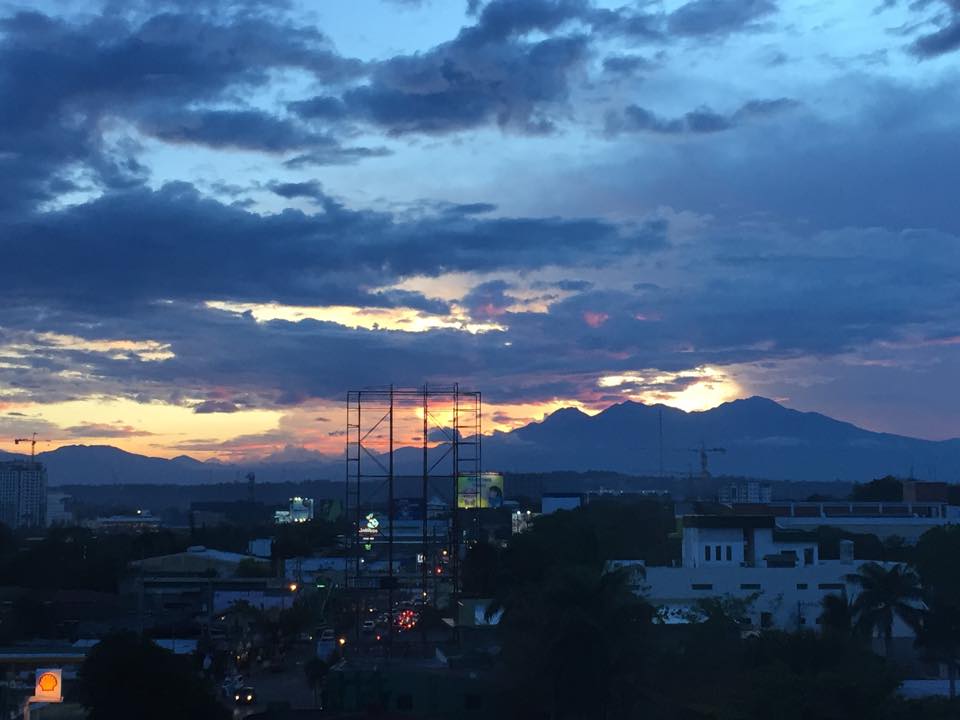
At approximately 2,954 metres above sea level, Mount Apo is the highest mountain in the Philippines and one of Mindanao’s most impressive natural landmarks.
I’ve never climbed it, but I remember looking out of a hotel window during one of my earlier visits to Davao and seeing this enormous mountain in the distance. Knowing it was the highest peak in the country made the sight even more impressive.
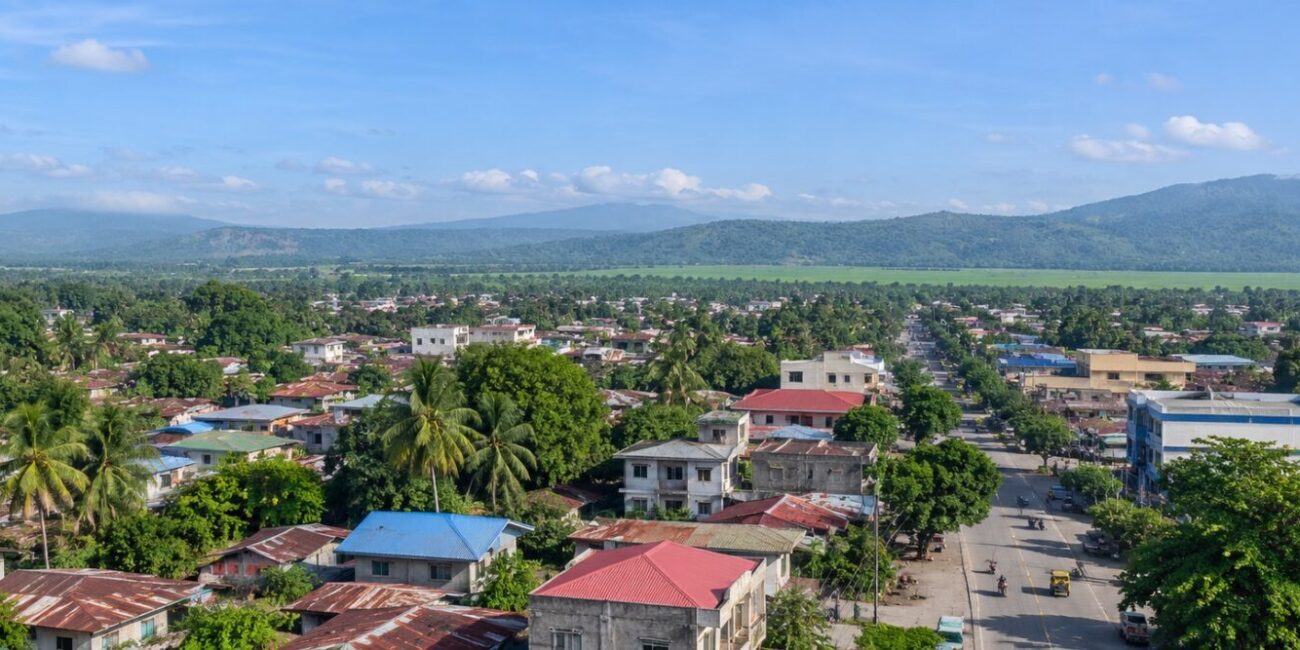
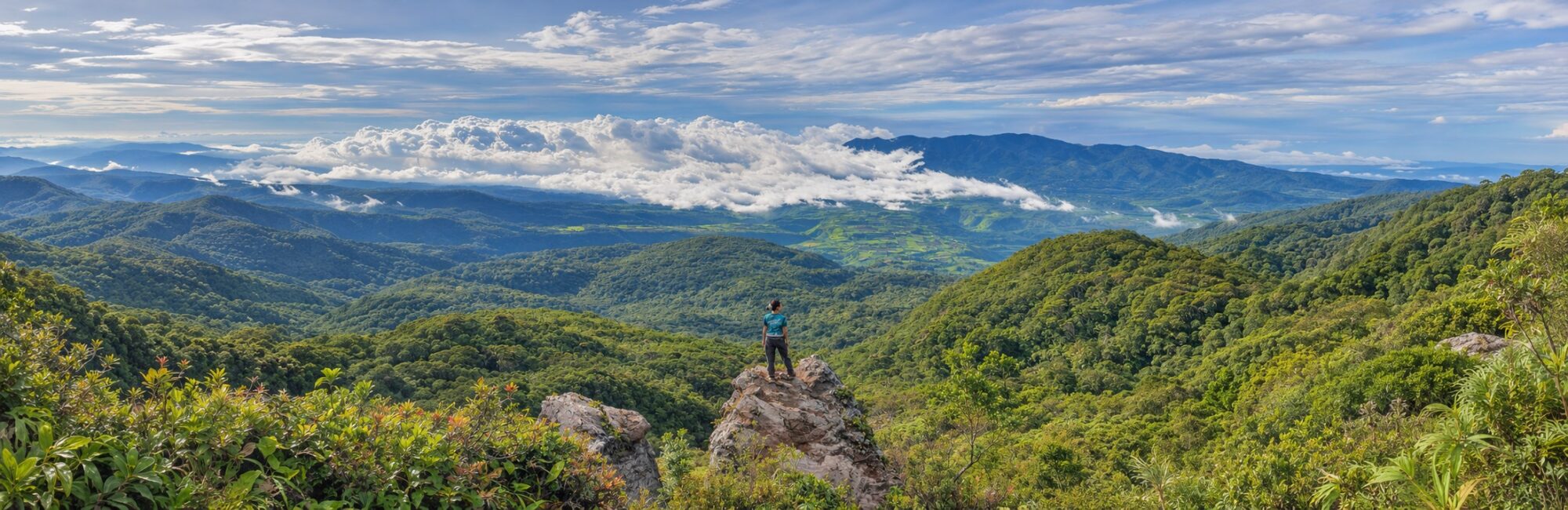
For serious hikers, Mount Apo is a major attraction, although climbing requires proper preparation, authorised guides and confirmation of current trekking restrictions. If you’d like to see the mountain country up close, have a look at Digos City and Bansalan.

Parks and Other Attractions
Davao also has several public parks worth considering if you have some spare time.
- People’s Park: A landscaped city park known for its sculptures, greenery and local cultural themes.
- Ramon Magsaysay Park: A waterfront park overlooking Davao Gulf, popular for relaxing and enjoying the sea breeze.
These are useful options for a leisurely afternoon, although I wouldn’t necessarily make them the main reason for visiting Davao.

Food and Local Specialities
Davao is famous for its fruit, particularly durian, pomelo, mangosteen, jackfruit and bananas.
Durian is probably the most notorious of the lot. There’s a saying that it smells like hell but tastes like heaven, and having tried it myself, I can understand where that comes from!
My family convinced me to ignore the smell and give it a go. Surprisingly, the taste wasn’t too bad, although getting past that smell was another matter. I certainly wouldn’t be eating it regularly!
Seafood is another highlight, particularly tuna. Davao is well known for its connection to Mindanao’s tuna industry, and I’ve enjoyed some fantastic seafood during my visits.
One of my favourites is kinilaw, the Filipino dish of fresh raw fish cured in vinegar and mixed with ingredients such as ginger, onions and chillies.
Even something as simple as freshly caught fish cooked over a charcoal barbecue can be absolutely beautiful. Some of my favourite meals in Davao have been exactly that, sitting around with family and enjoying freshly grilled seafood.
Exploring Beyond Davao City
Samal Island
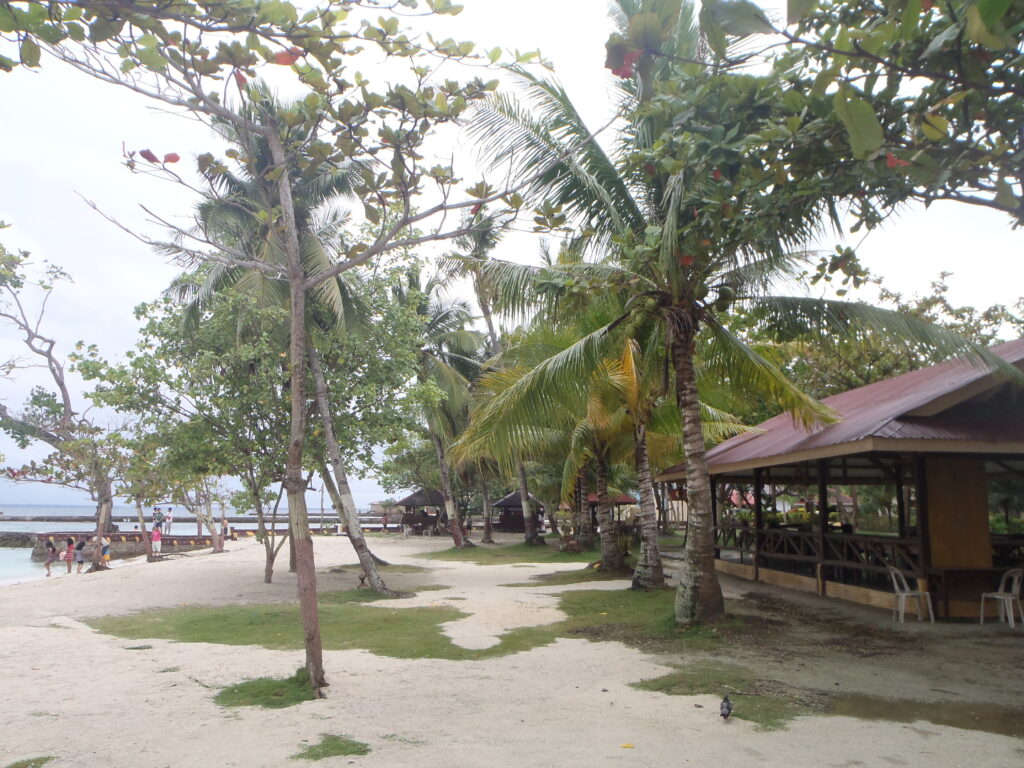
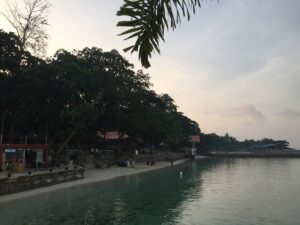
Just across Davao Gulf, Samal Island offers beautiful beaches, resorts and a much more relaxed island atmosphere. It’s one of the places I’d definitely recommend including in a Davao trip.
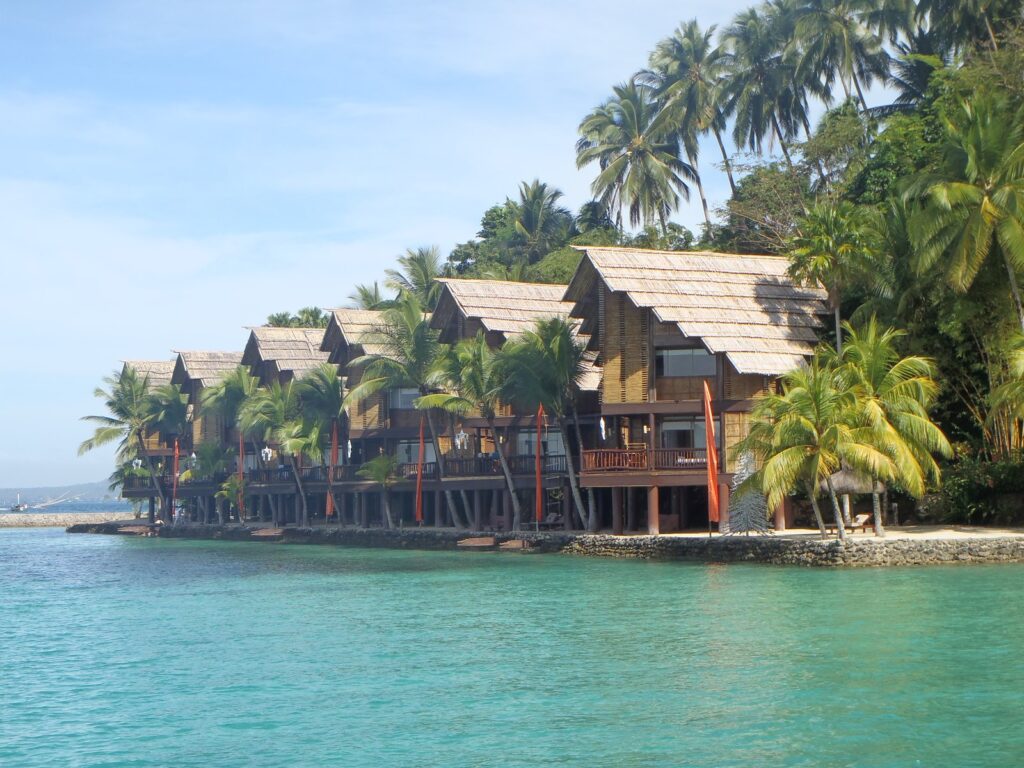
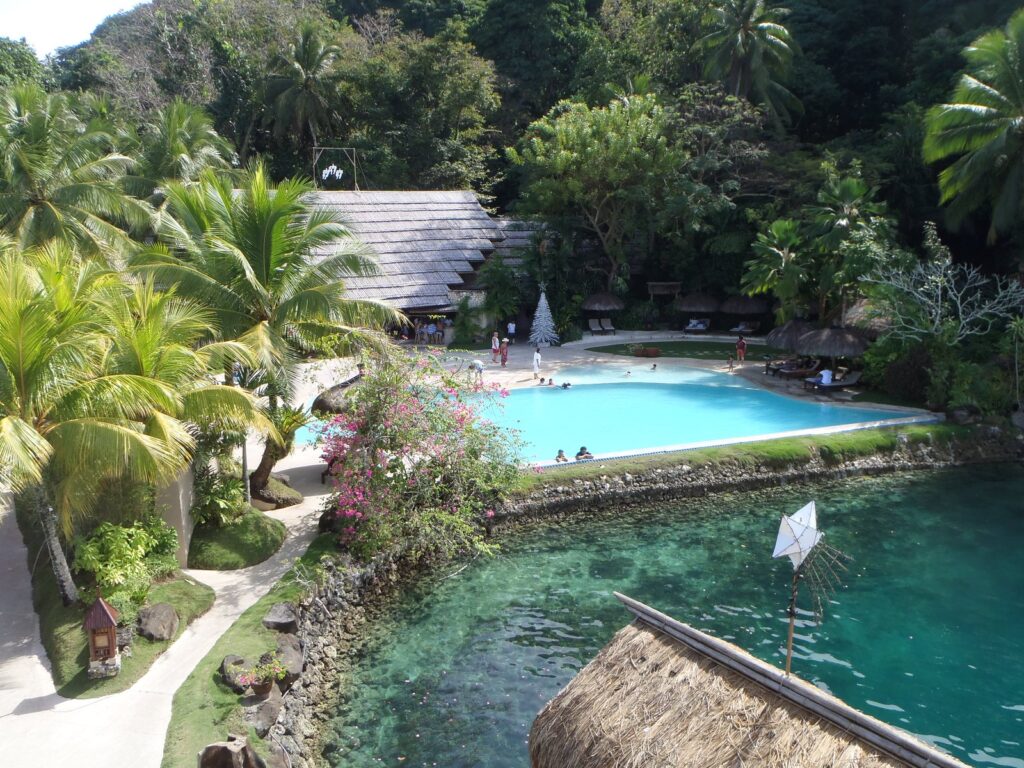
Pearl Farm Beach Resort
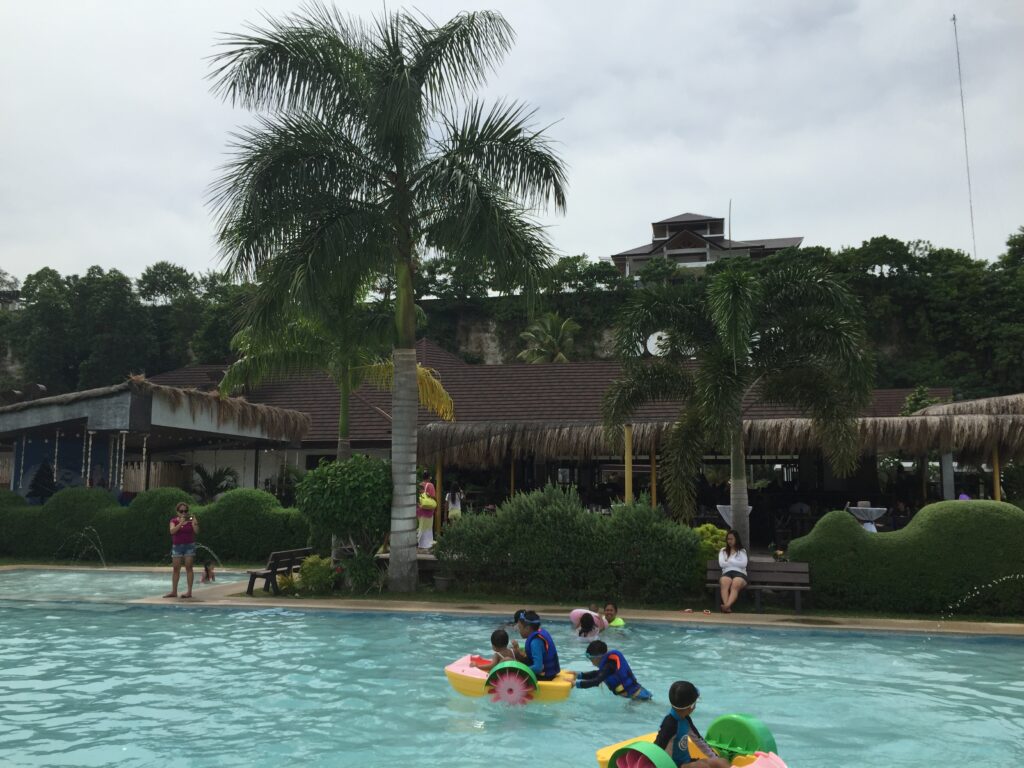
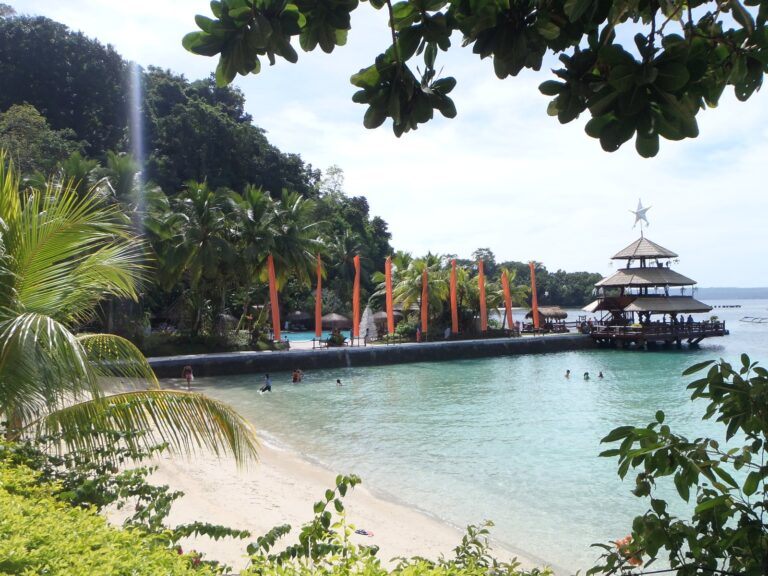
One of the best-known resorts in the Davao area, Pearl Farm Beach Resort offers an attractive tropical setting and a more luxurious island experience.
Talikud Island
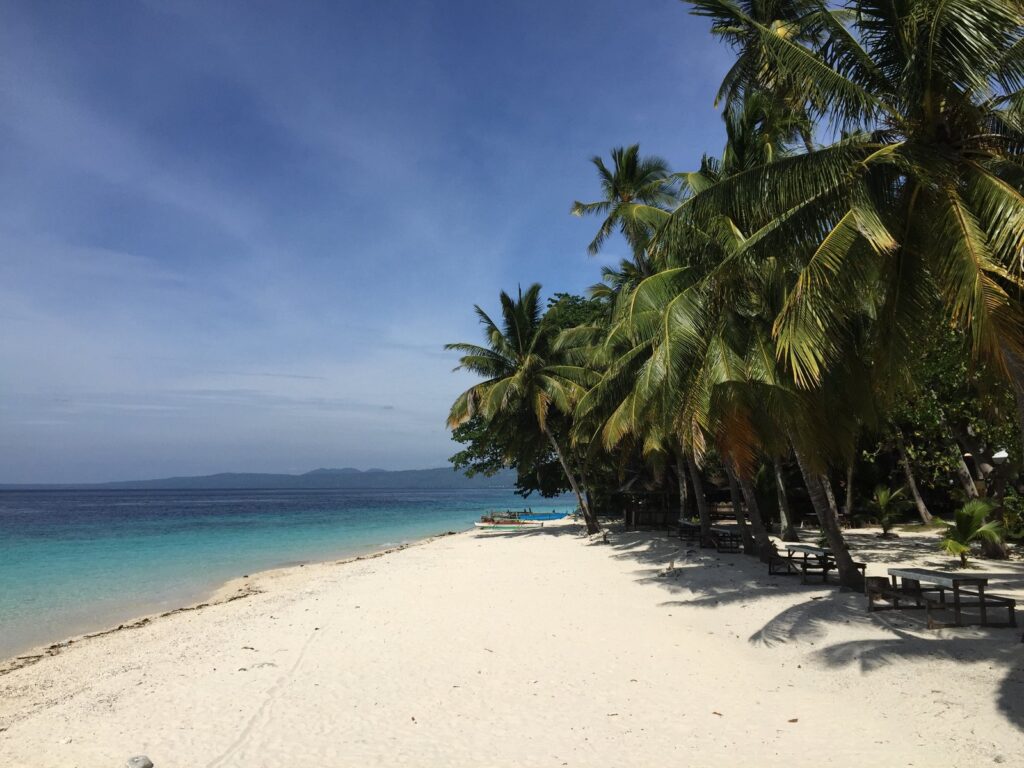
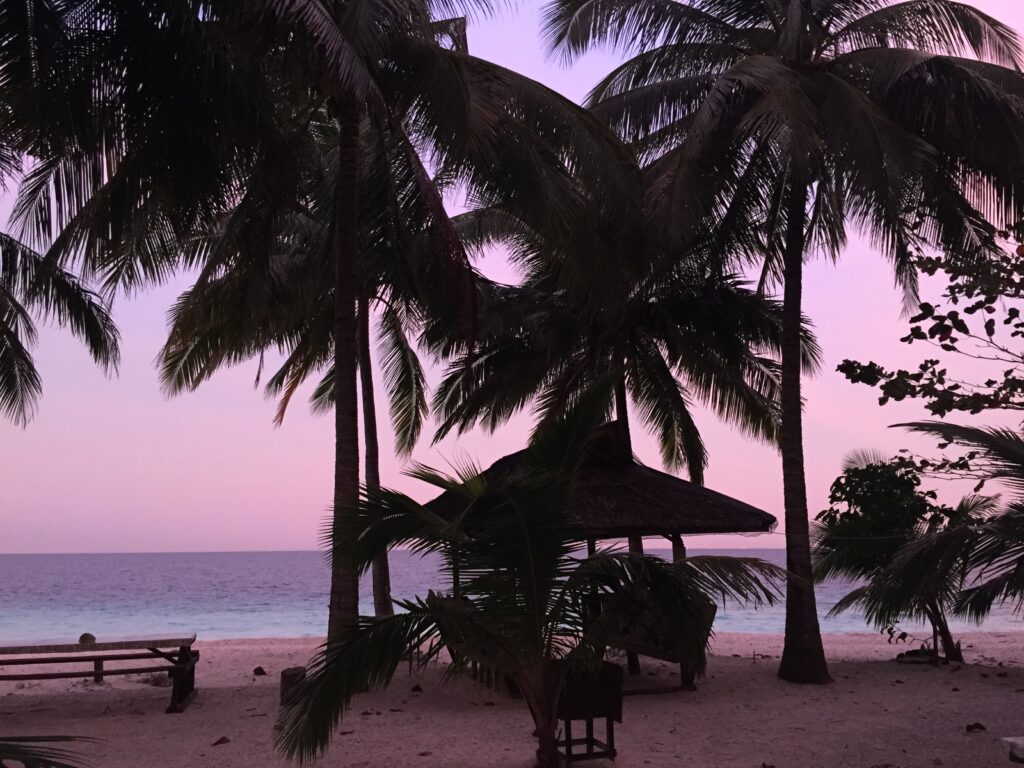
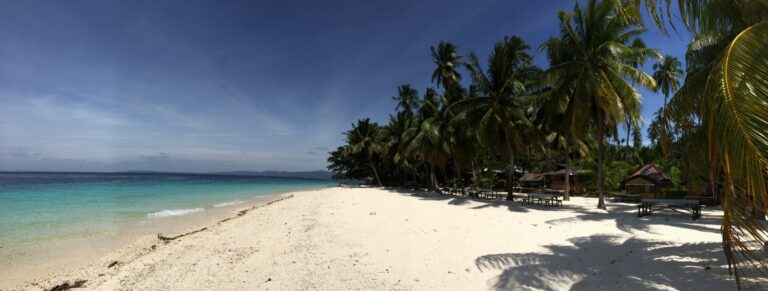
A beautiful island with lovely beaches and a more laid-back atmosphere. Talikud Island is another destination I’ve visited and one I’d recommend to anyone wanting to get away from the city.
Davao also provides access to other parts of Mindanao, including mountain destinations, waterfalls, rivers and outdoor adventure activities.
How Many Days Do You Need?
I’d suggest one or two nights in Davao City would be plenty for most visitors.
That gives you enough time to explore a few attractions, enjoy some local food and get a feel for the place.
Personally, I’d spend more time exploring the surrounding destinations, particularly Samal Island, Talikud Island or Mount Apo if you’re into hiking.
Davao is a good base for exploring this part of Mindanao rather than somewhere I’d necessarily recommend spending an entire holiday.
Where to Stay in Davao City
Davao has plenty of accommodation options, from budget hotels to more comfortable international-standard properties.
For first-time visitors, I’d suggest staying somewhere reasonably central, with easy access to restaurants, shopping centres and transport.
The downtown area and the commercial districts around Lanang and Bajada are worth considering, depending on your plans.
Where I’ve Stayed
Over the years, I’ve stayed at several hotels in Davao, as well as with family.
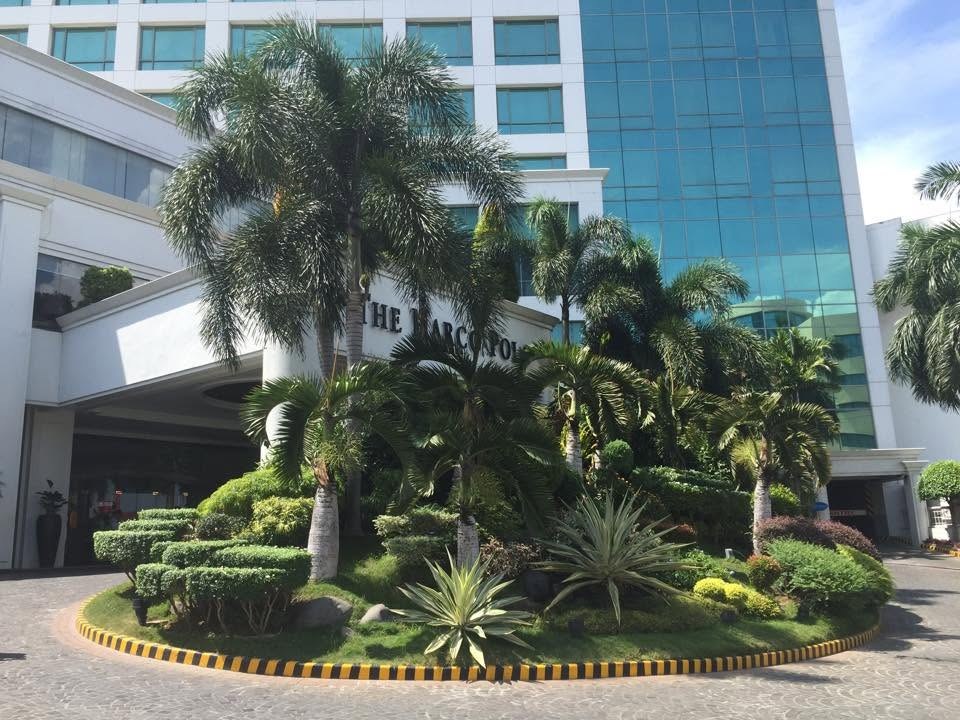
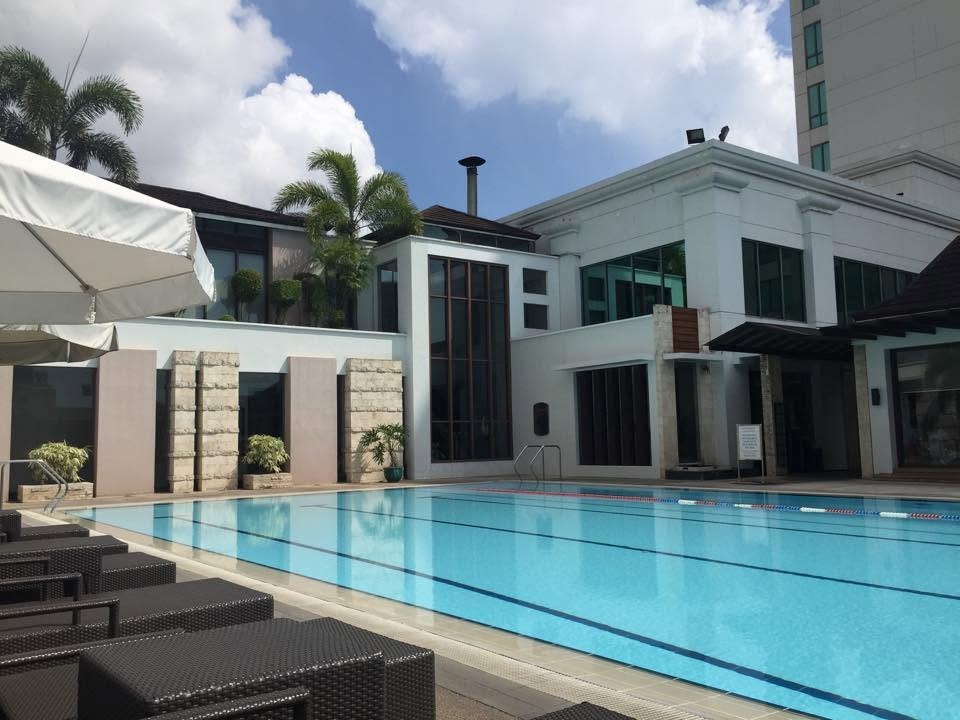
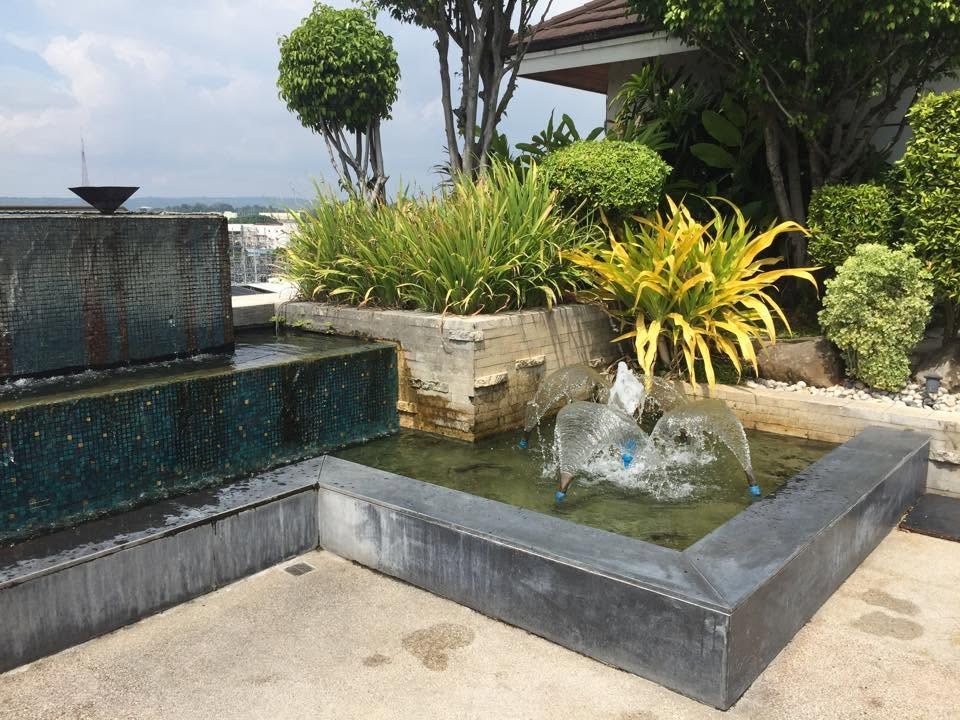
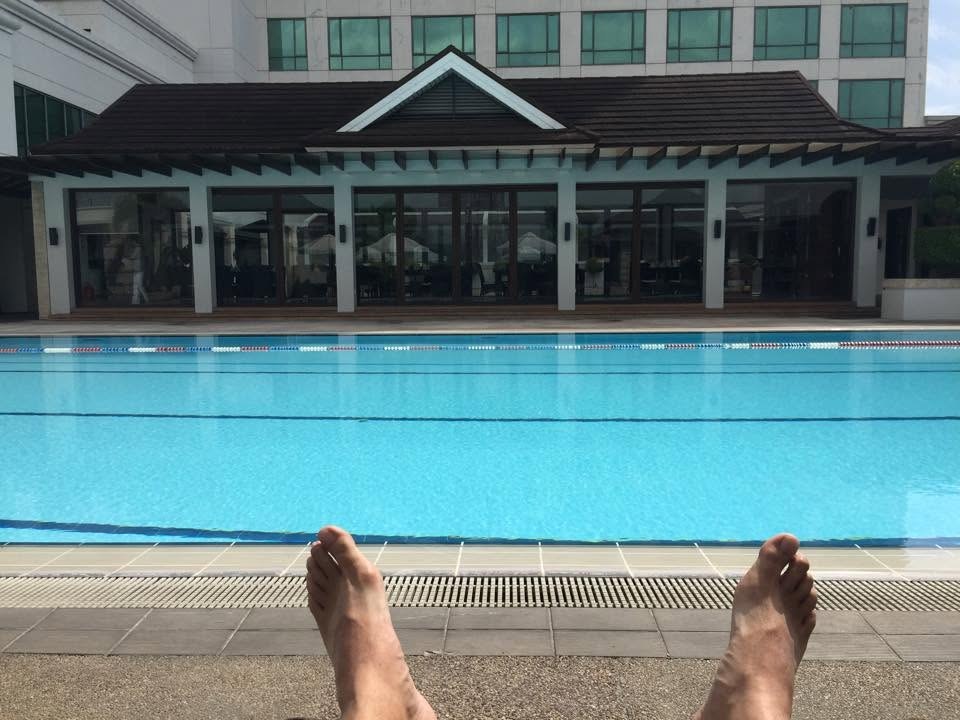
One of my favourites is the Marco Polo Davao, where I’ve stayed a couple of times. It’s long been considered one of Davao’s premier hotels, and I’ve always found it impressive. It’s got a fantastic swimming pool area, a gym and excellent food. Definitely one of the more upmarket hotels I’ve stayed at in Davao.
I’ve also stayed at the Park Inn by Radisson Davao, which is a slightly smaller, more family-oriented hotel. It’s got a swimming pool and comfortable facilities, making it a good option for families visiting the city.
Another hotel I’ve stayed at is the Apo View Hotel, one of Davao’s long-established hotels, located right in the city centre. What I particularly remember about our stay was the fantastic view of Mount Apo in the distance from our room. It was a pretty impressive sight, especially knowing it’s the highest mountain in the Philippines.
All three are worth considering, depending on your budget and what you’re looking for. Personally, the Marco Polo was probably the most impressive of the three.
Best Time to Visit Davao City
Davao has a tropical climate, with warm temperatures throughout the year. Unlike many parts of the Philippines, it doesn’t have a particularly pronounced dry season, so you can expect some rainfall regardless of when you visit.
February to April is generally a good time to visit, with relatively favourable conditions for sightseeing, outdoor activities and trips to nearby Samal Island.
May to October can be wetter and more humid, although rainfall varies throughout the year. Heavy showers can affect outdoor activities, particularly mountain excursions and island-hopping trips.
Davao also celebrates the Kadayawan Festival in August, one of Mindanao’s major cultural festivals, featuring traditional performances, colourful celebrations and local produce.
How to Get to Davao City
Davao City is served by Francisco Bangoy International Airport, commonly known as Davao International Airport.
By air:
- From Manila: Direct flights take approximately 1 hour and 50 minutes.
- From Cebu: Direct flights take approximately 1 hour.
- From Clark: Check connecting flights via Manila or Cebu, as direct services aren’t consistently available.
Philippine Airlines and Cebu Pacific serve Davao, although routes and frequencies can change, so check before you book.
From Davao Airport to the City:
The airport is approximately 8 to 10 kilometres from the downtown area. Taxis and app-based car services are convenient options, with the journey generally taking around 20 to 40 minutes depending on traffic and your destination.
Getting Around Davao:
I’ve generally travelled around Davao using private vehicles with family, although taxis are another practical option.
I’ve never really used the jeepneys or other public transport there, so I can’t offer much firsthand advice about those.
For attractions outside the city, such as Eden Nature Park and the Philippine Eagle Center, arranging private transport can make things considerably easier.
Good to Know Before You Go
- Davao is a sprawling city, so allow plenty of time between attractions.
- February to April generally offers better conditions for outdoor activities and sightseeing.
- Try the local tuna, fresh seafood and the infamous durian fruit.
- Allow extra days for Samal Island, Talikud Island or Mount Apo excursions.
- Davao has generally felt safe during my visits, but normal travel precautions still apply.
Dezza’s Tip
Don’t spend all your time in Davao City itself. Use it as a base to explore some of the fantastic places nearby.
I’d particularly recommend spending a couple of nights on Samal Island or Talikud Island, where you’ll find beautiful beaches and a much more relaxed atmosphere.
Davao City is certainly worth exploring, and I’ve always enjoyed visiting, but for me, the surrounding attractions are what really make the trip worthwhile.
Davao City FAQs
How do you get to Davao City from Manila?
Davao City is in the Davao Region of Mindanao and is served by Francisco Bangoy International Airport, commonly called Davao International Airport. Direct flights from Manila take approximately one hour and 50 minutes, and from Cebu about an hour. Philippine Airlines and Cebu Pacific serve Davao, but routes and frequencies change, so check before you book. The airport is around 8 to 10 kilometres from downtown, roughly 20 to 40 minutes by taxi or app-based car.
How many days do you need in Davao City?
One or two nights is plenty for most visitors, which gives you enough time to see a few attractions, enjoy some local food and get a feel for the place. Davao is a sprawling city, so allow plenty of time between sights. I would rather spend extra days on the surrounding destinations, particularly Samal Island, Talikud Island or Mount Apo if you are into hiking, because Davao works better as a base than as a full holiday.
What are the best things to do in Davao City?
Eden Nature Park is one of my favourites, with sky cycling, horse riding and cool mountain forest. The Philippine Eagle Center is a conservation site for the critically endangered national bird, and Davao Crocodile Park is more like a zoo with a cultural village. People’s Park and Ramon Magsaysay Park suit a relaxed afternoon. Davao is also famous for durian and other fruit, fresh tuna and kinilaw.
When is the best time to visit Davao City?
Davao has a tropical climate with warm temperatures all year and no pronounced dry season, so expect some rain whenever you go. February to April is generally a good time for sightseeing, outdoor activities and trips to Samal Island. May to October can be wetter and more humid, and heavy showers can affect mountain excursions and island hopping. The Kadayawan Festival in August is one of Mindanao’s major cultural festivals.
You Might Also Like
 Samal IslandIsland getaway in the Davao Gulf
 Pearl Farm Beach ResortOverwater cottages and a luxury island resort
 Talikud IslandQuiet white sand beaches off Davao
 Digos CityGateway to the Kapatagan highlands
 BansalanMountain views in Davao del Sur
Where Is Davao City?

Unsubscribe anytime.