



Sipalay
Sipalay City, Negros Occidental: One of My Favourite Places in the Philippines
Sipalay is easily one of my favourite places in the Philippines. When I say that, I’m not only talking about the city centre. I mean the entire Sipalay area, including Punta Ballo, Campomanes Bay, Balanban Point and the incredible coastline connecting them.
Sipalay is a coastal city on the southwest side of Negros Occidental, in the Visayas. Most people fly from Manila to Bacolod, then take a road trip of around three and a half to four hours south.
I first travelled to Sipalay in 2010 while working on a mining exploration project in the mountains near the Sipalay-Hinoba-an border. Over the following 18 months, I returned around a dozen times.
Some trips lasted a week, while others were only a few days. Whenever possible, I would finish work on Friday, pay my own expenses for the weekend and stay around Sipalay for another couple of nights.
The beaches and scenery were absolutely unbelievable, but it was the people and the relaxed way of life that made Sipalay truly special to me.
What Makes Sipalay Special?
Sipalay combines beaches, caves, mountains, limestone cliffs and small islands within one relatively compact area.
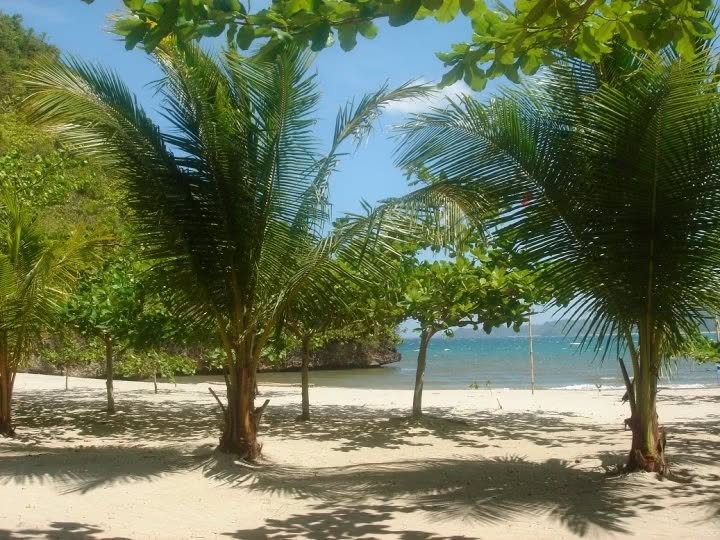
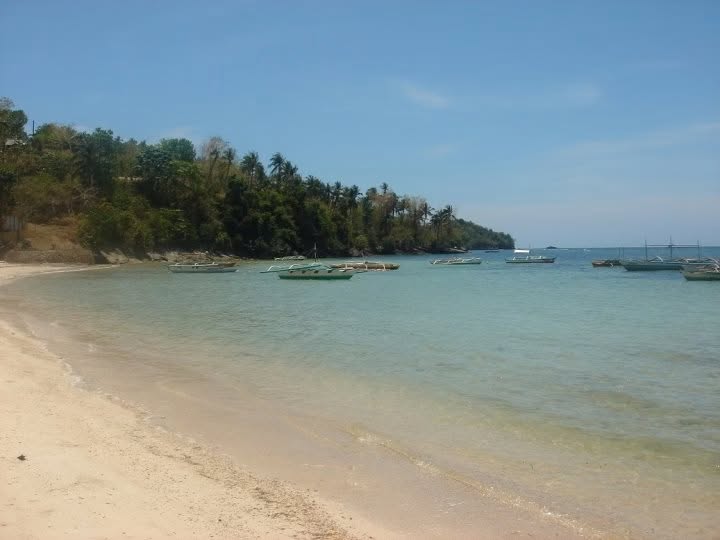
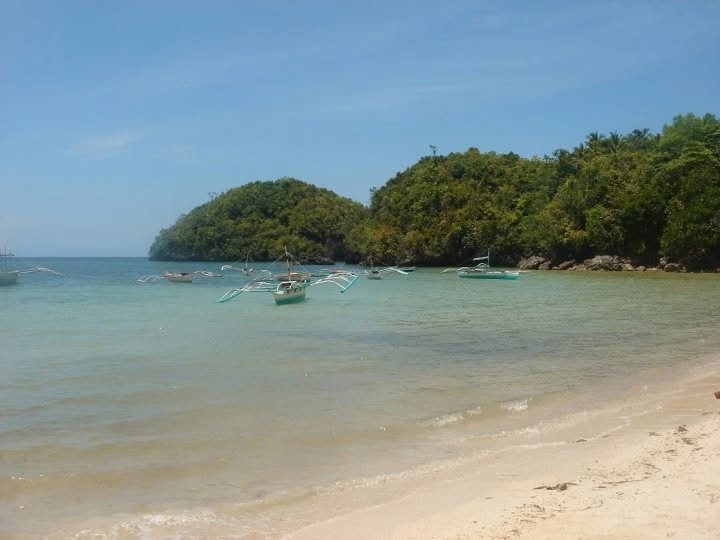
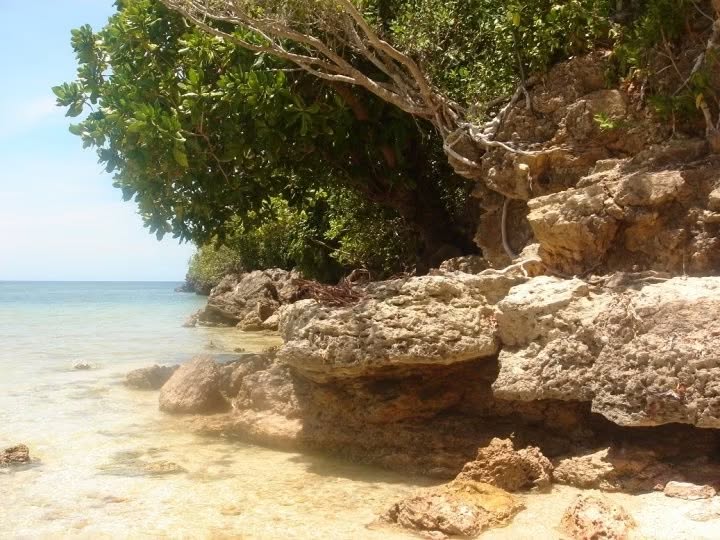
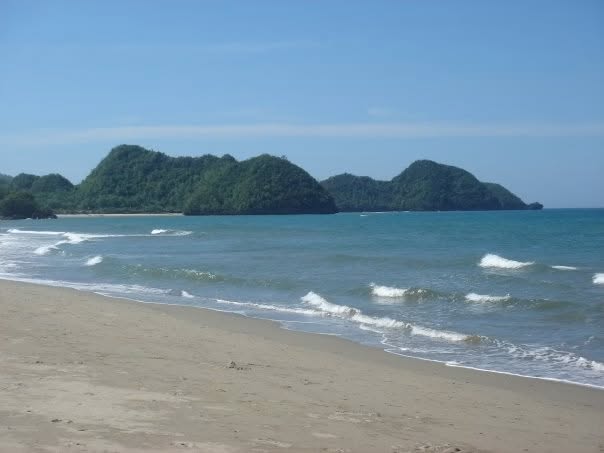
I have often described it as a combination of the Chocolate Hills and Hundred Islands. Along parts of the coast, you can see rounded green hills on the land and similarly shaped islets rising out of the water, as you can see in the photos below.
It is one of the most unusual coastal landscapes I have seen anywhere in the Philippines.
According to the Invest Negros Occidental city profile, Sipalay also has around 40 kilometres of coastline, numerous dive sites and several protected marine areas. Its better-known attractions include Punta Ballo Beach, Sugar Beach and Campomanes Bay.
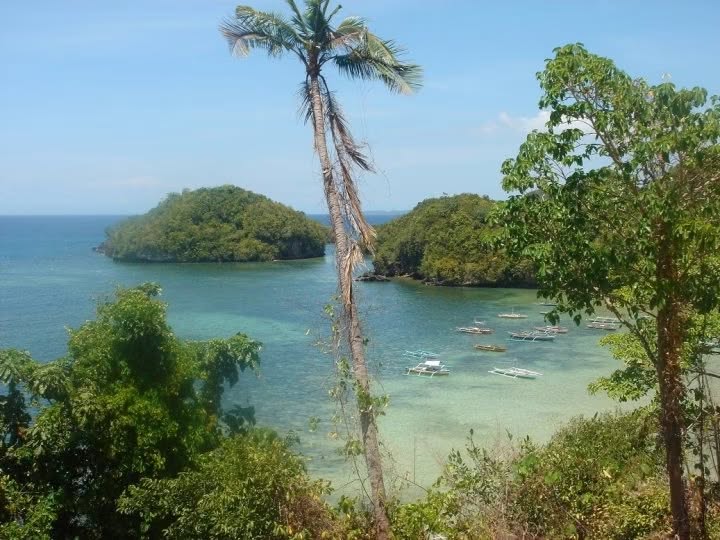
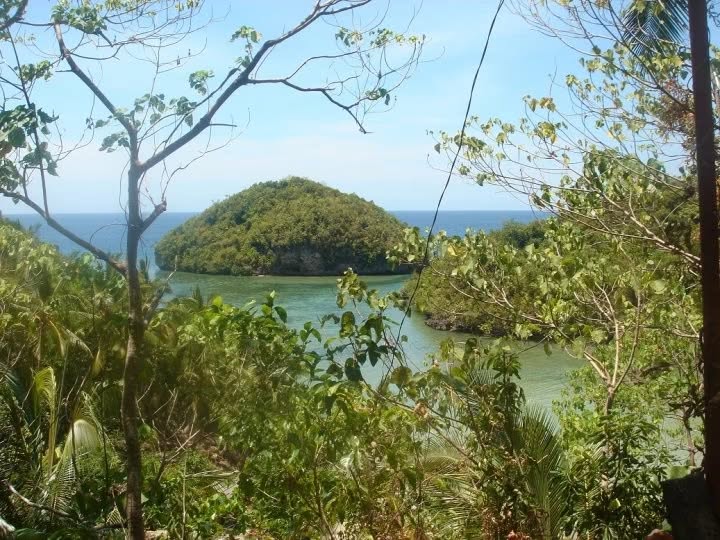
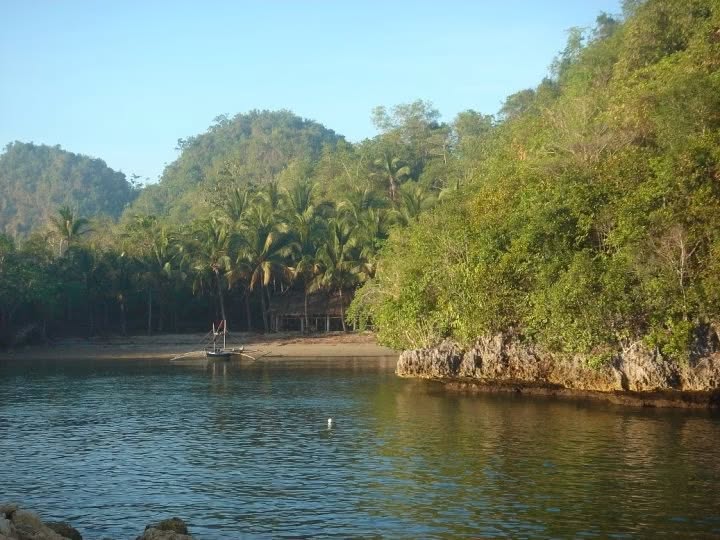
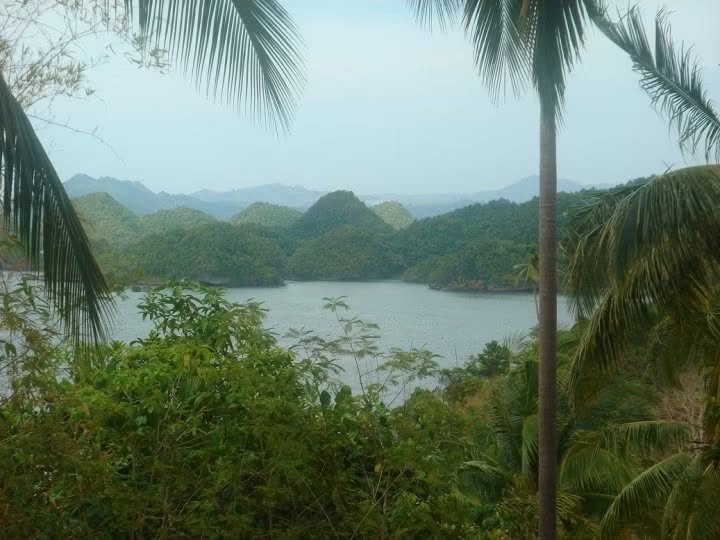
Poblacion Beach and Sipalay City Centre
Poblacion Beach is right beside the city centre. It may not be as impressive as Punta Ballo, but it has its own personality and is much more connected to everyday local life. I still consider it one of the most picturesque city beaches in the country.
I would regularly walk along the beach in the morning. On one occasion, I watched fishermen sorting their catch after returning from the water. They were laying out the fish and drinking rum after what had probably been a very early start.
That simple scene stayed with me. Nobody appeared stressed or in a hurry. People were friendly, relaxed and seemingly content with what they were doing.

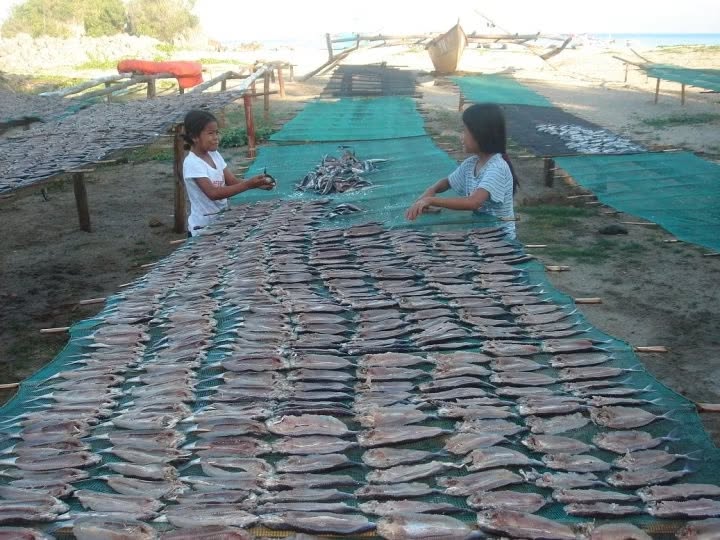
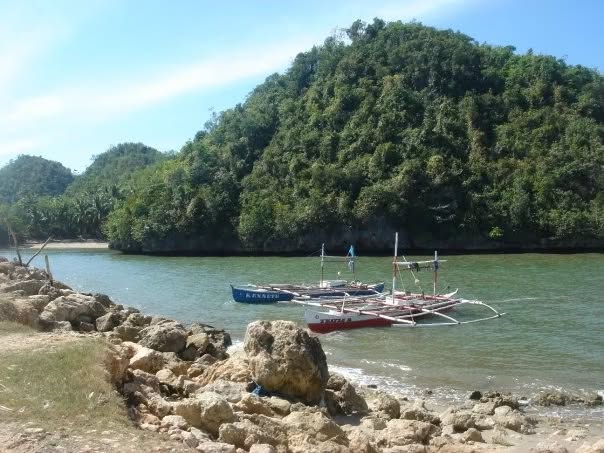

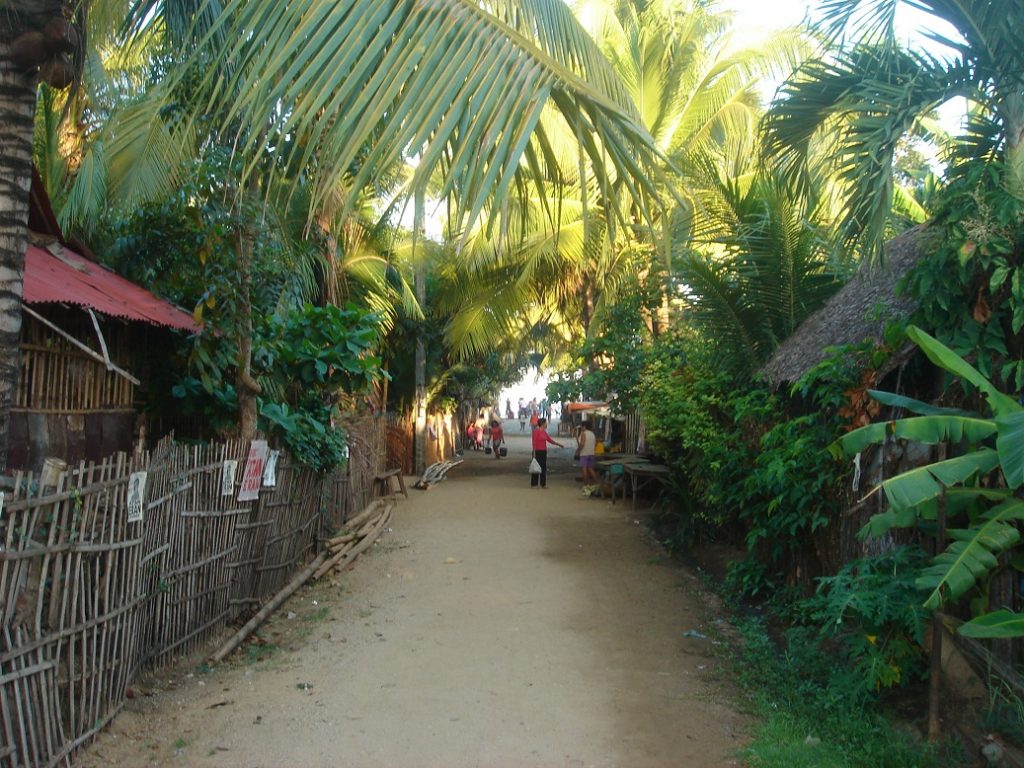
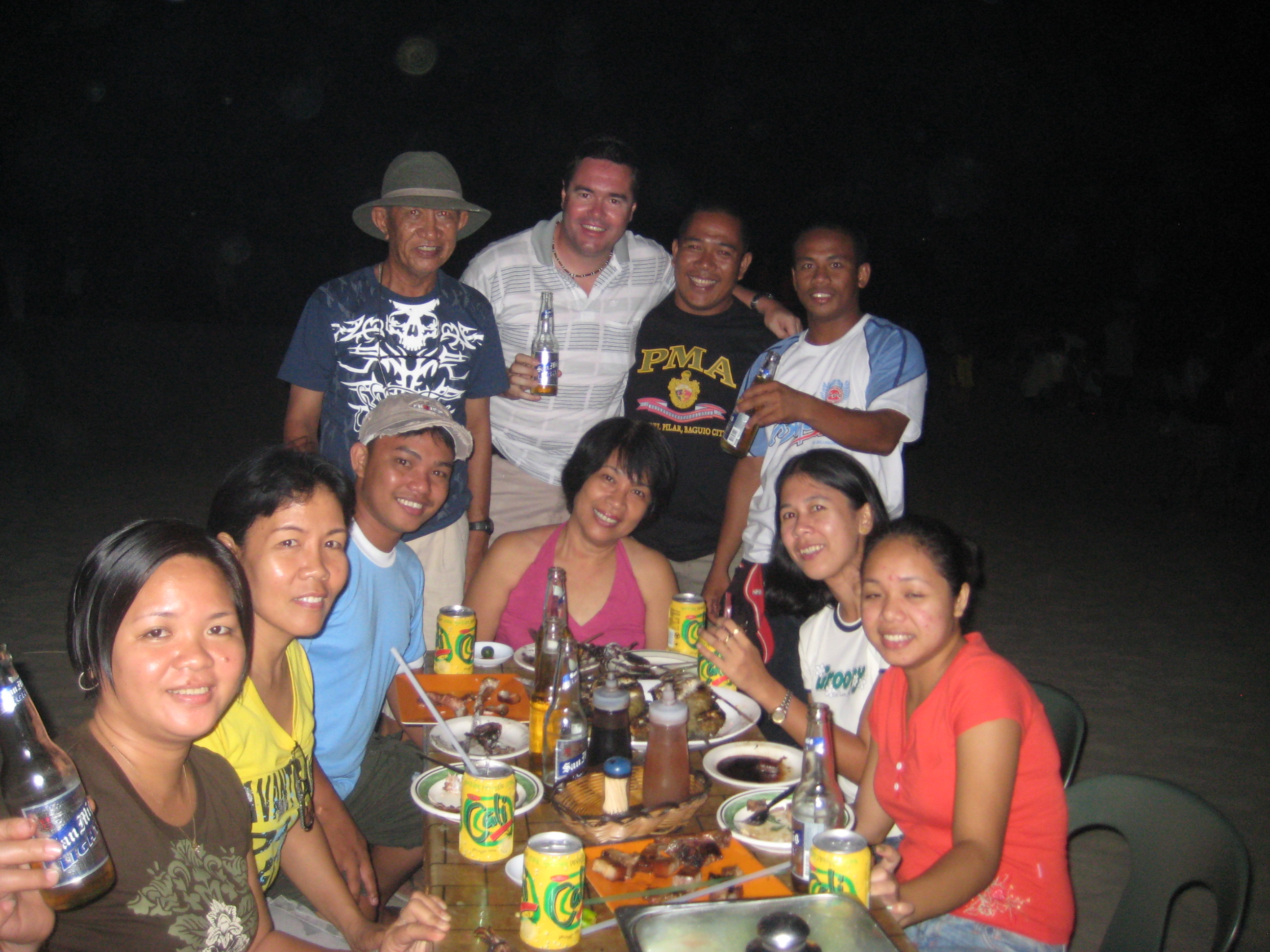
The beachfront became livelier at night. There were local bars and restaurants, nipa-style huts, videoke and tables set up on the sand. It was never some massive party destination, but there was always a happy local atmosphere.
If you wanted activity and local nightlife, Poblacion was the place to be. If you wanted peace and quiet, you headed towards Punta Ballo.
Punta Ballo Beach
Punta Ballo is where I found some of Sipalay’s best sand and clearest water. My first view came from Nataasan Beach Resort, which sits above the coastline. Looking down at the white sand, blue water and palm trees, I remember thinking it looked every bit as good as Boracay, possibly even better because hardly anyone was there.
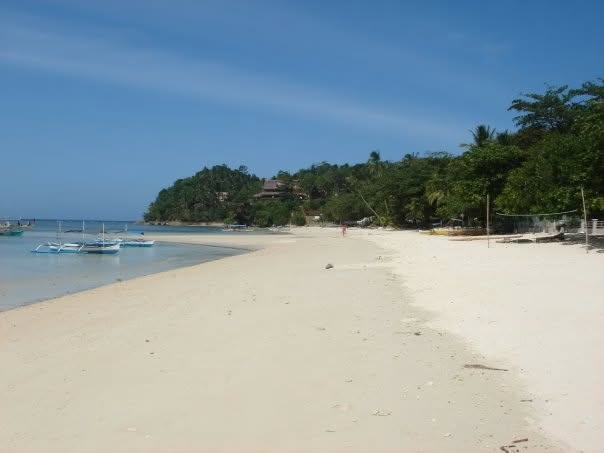
We drove down to Artistic Diving Resort, sat at the beachfront bar and had a couple of beers. We were still on a reconnaissance mission and looking for a potential base, so it was not simply a drinking session. We met the owner and staff and discussed the possibility of returning.
Artistic later became my preferred place to stay around Sipalay. Punta Ballo also became a regular departure point for boat trips along the coast.
Read more about Punta Ballo Beach
Campomanes Bay
Campomanes Bay is surrounded by enormous cliffs and protected from much of the weather. On a calm day, the water can look almost like glass.
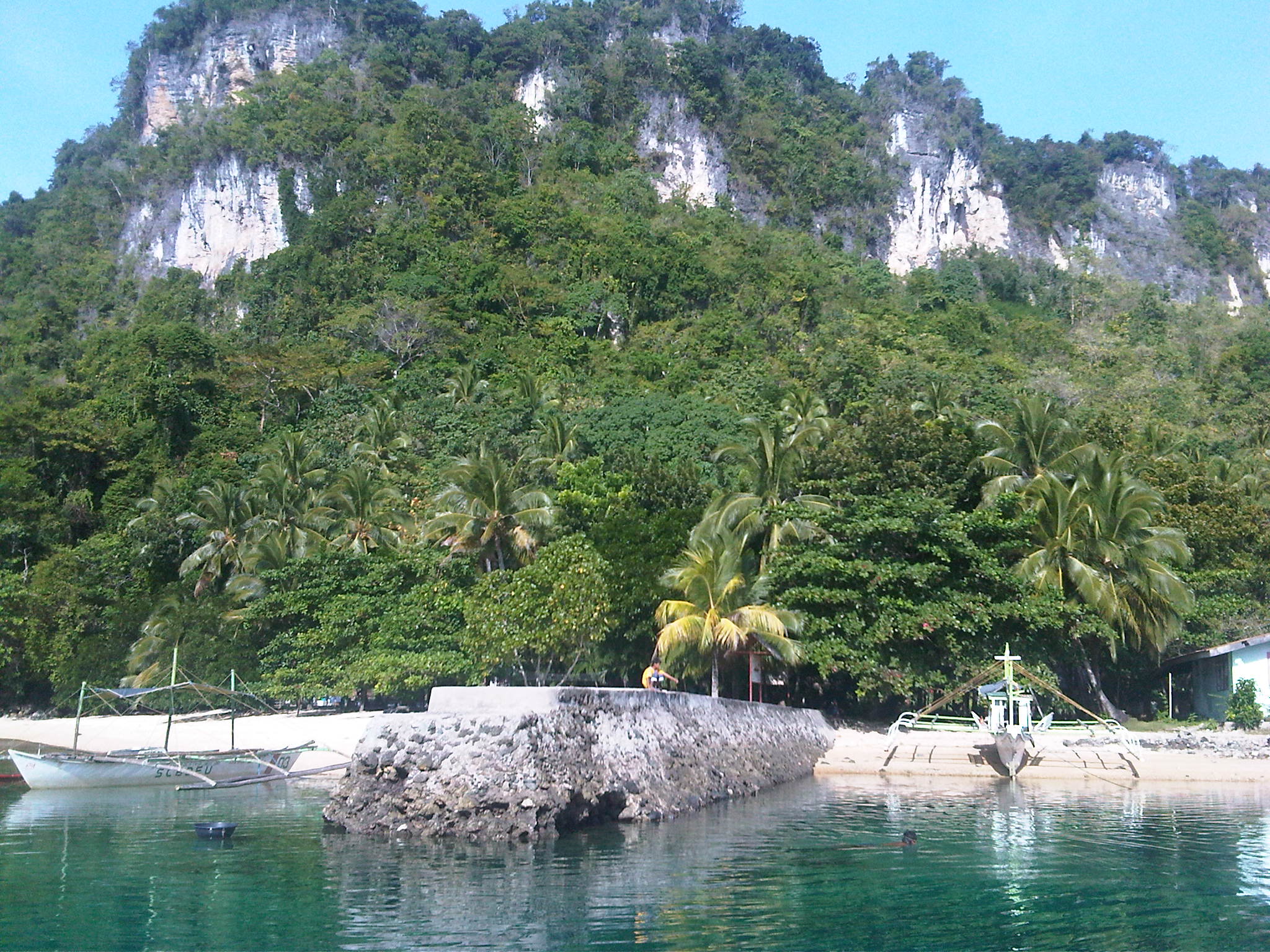
A geologist travelling with me casually explained that some of the cliffs had once been coral formations below the sea. For him, it was probably an ordinary geological observation. For me, it was mind-blowing.
The beach itself was peaceful, although not as beautiful as Punta Ballo. There were local fishermen around, along with an old port or wharf area that appeared abandoned and was starting to deteriorate.
I did not swim or snorkel in Campomanes Bay. My experience was mainly boating through it, taking in the cliffs and using it as a departure point for exploring farther along the coast.
It is also a protected marine area with recognised dive sites and shipwrecks, although I only learnt about those later and did not personally dive there.
Read more about Campomanes Bay
Balanban Point
Balanban Point was one of those places I discovered almost completely by accident. I was boating with my nephew when the local operator suggested taking us there. We entered an almost perfectly shaped cove with a large solitary tree near its entrance.
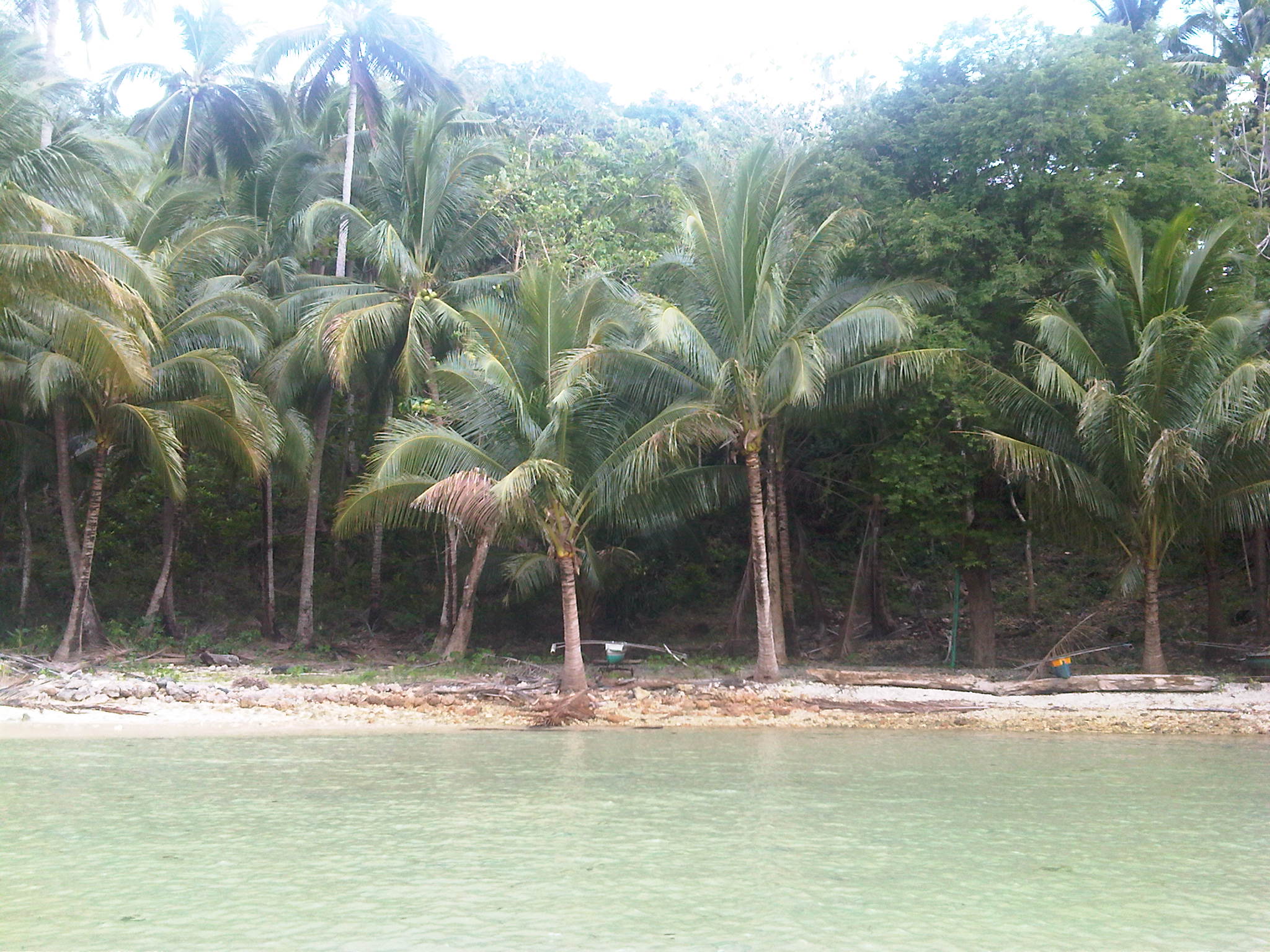
There was nobody around. The only signs of life were two dogs playing on the beach. We got off the boat, had a swim and sat on the sand looking back towards the sea. The water was clear, the sand was beautiful and the entire place felt completely untouched.
Balanban Point is around 15 to 20 minutes by boat south of Campomanes Bay, making it an excellent addition to a coastal boat trip.
Read more about Balanban Point
Exploring Sipalay’s Caves
Sipalay also introduced me to two completely different cave experiences.
Mamara Cave
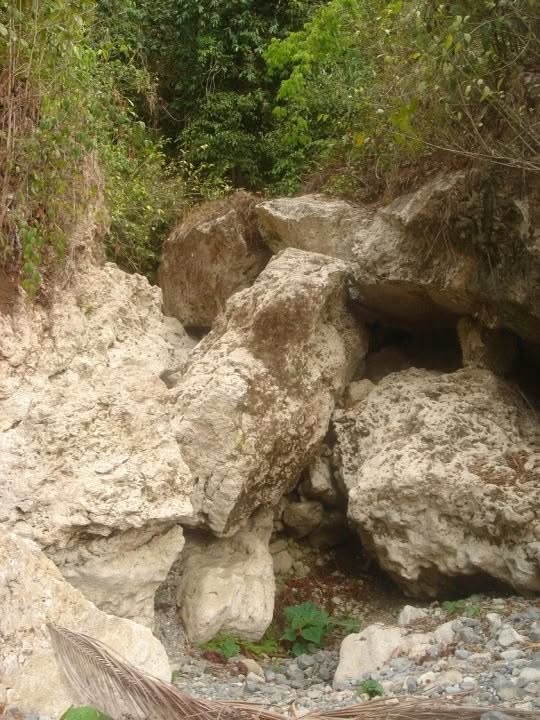
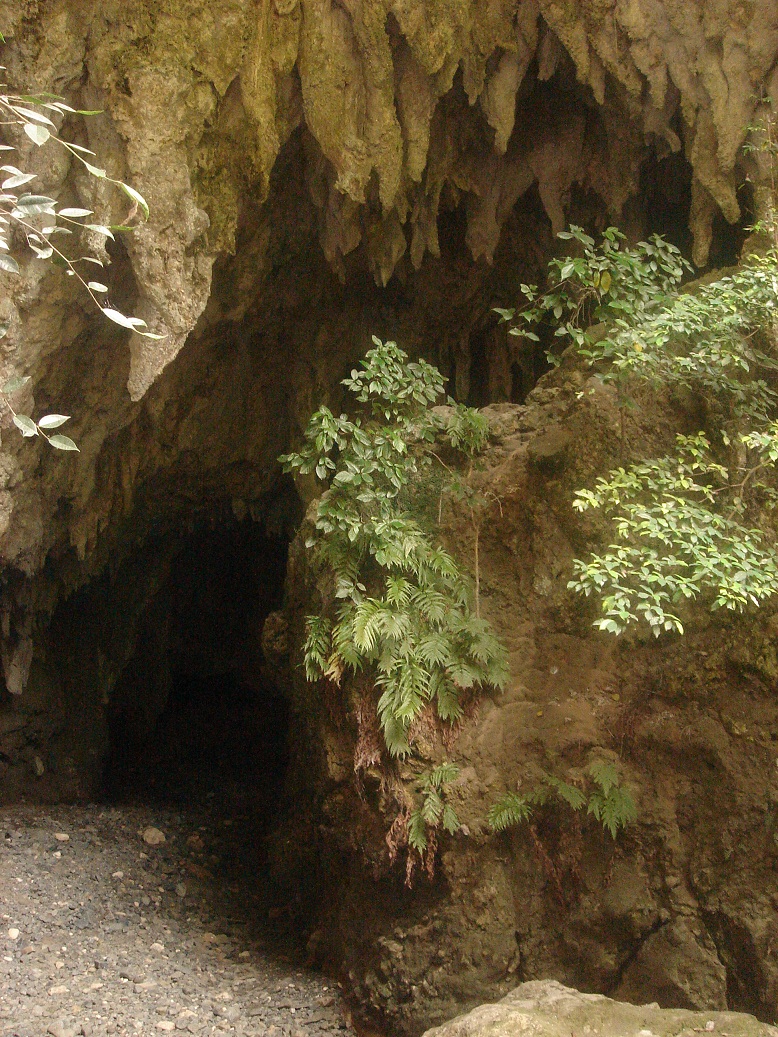
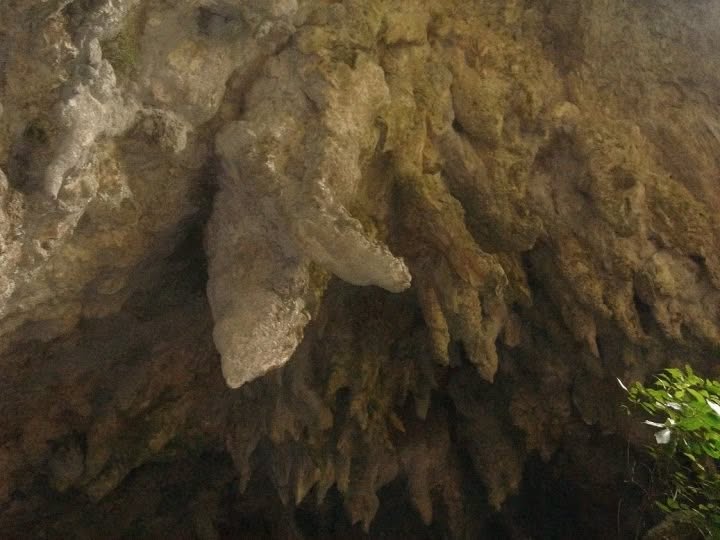
Mamara Cave was relatively open and easy to explore. I could walk upright through most of the section we visited. The cave was dry during my visit, although I was told it becomes an underground river during the wet season. It was surprising to discover that I had driven past the general area numerous times without knowing it was there.
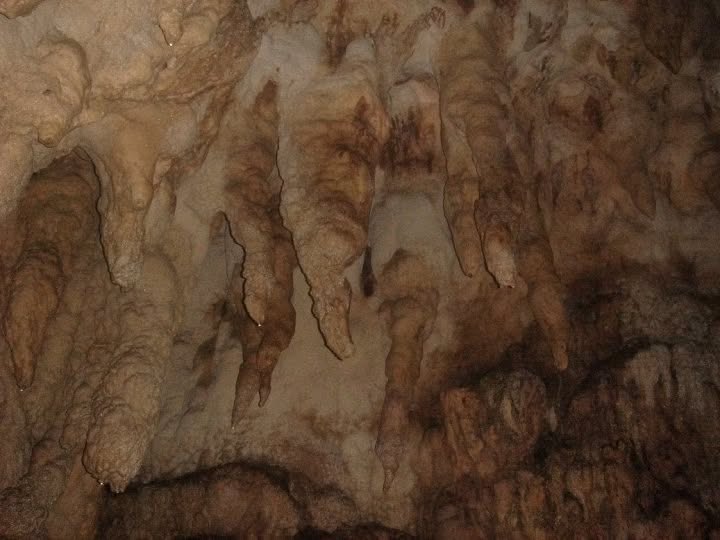
Binutusan Underground Cave
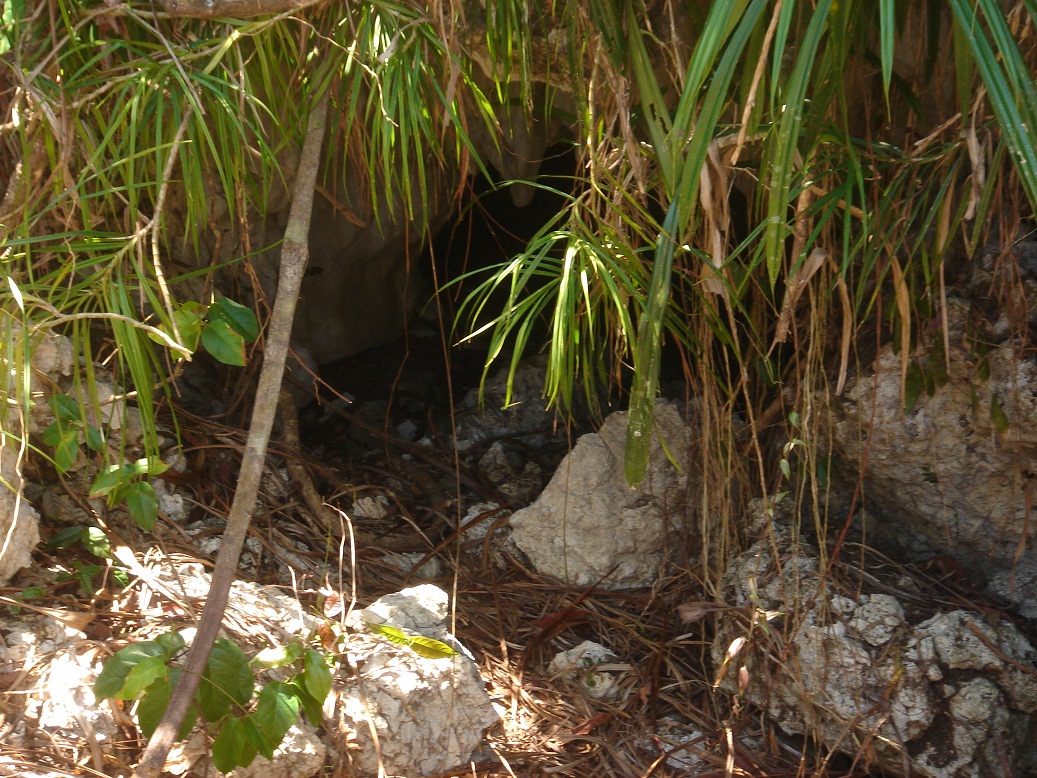
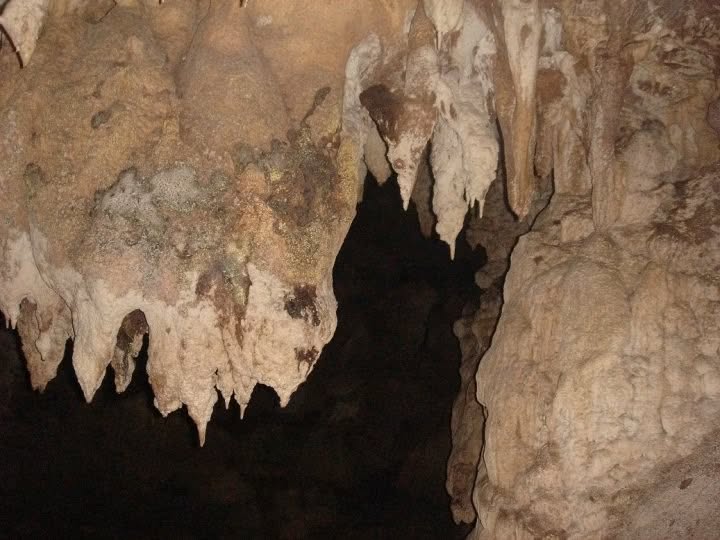
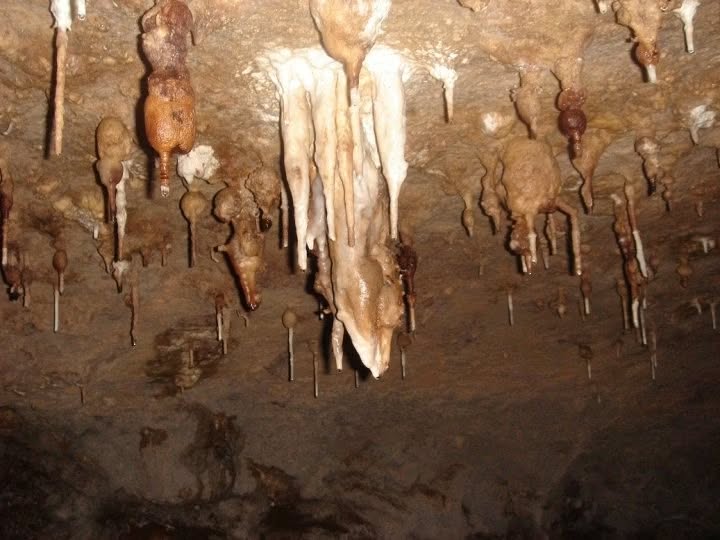
Binutusan was another matter entirely. We entered through a small opening beside the road wearing helmets and headlamps. Large sections required crawling, including what felt like full commando crawling through extremely confined spaces.
It remains one of the few occasions when I genuinely thought I might die. I trusted the guides because they clearly knew what they were doing, but it was still an intense experience. This is not somewhere I would recommend entering casually. Access, local conditions and experienced guides should all be confirmed beforehand.

My Experience in Sipalay
The mining project in which I was employed was very demanding. I was involved in logistics, recruitment, inventory, accommodation, road repairs and general project management. Basically, I was doing a bit of everything required to get the operation up and going and then to keep it functioning smoothly.
The compound for the project was around 500 metres above sea level and approximately an hour into the mountains. Once we turned off Sipalay-Candoni Road, there was almost nothing until we reached the project site. The road was unsealed and difficult, the food was basic and the logistical challenges never seemed to end.
That made weekends in Sipalay even more valuable.
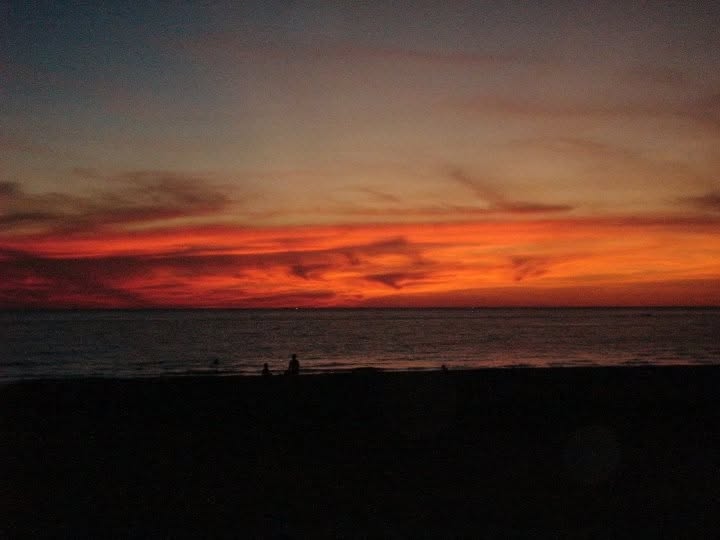
After spending the week dealing with pressure in the mountains, I could return to the coast, have a beer beside the beach, watch the sunset and completely wind down.
The contrast taught me something important. Westerners often overthink and overcomplicate life. Sipalay showed me how enjoyable life could be when people slowed down, appreciated what they had and stopped treating everything as an emergency.
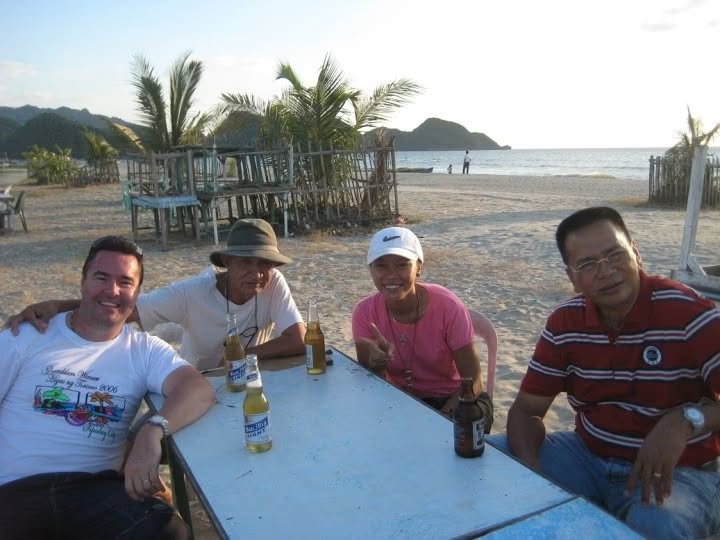
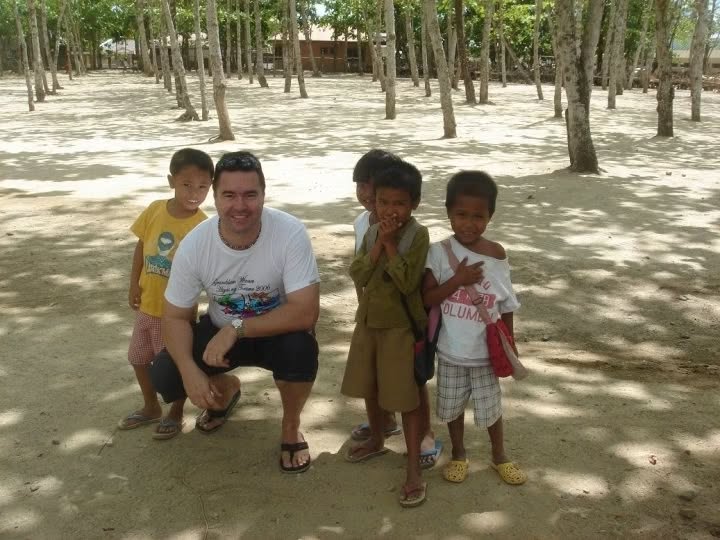
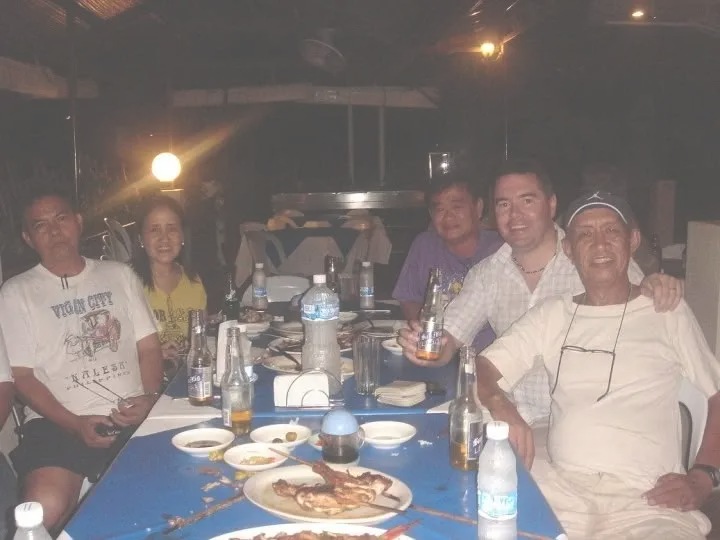
I also met some wonderful people through the project and local community. One local contractor who helped us develop the site remains my friend today. It was the scenery that first grabbed my attention, but the people are the main reason Sipalay has stayed with me.

How Many Days Do You Need in Sipalay?
I recommend spending three to four nights in Sipalay.
That gives you enough time to:
- Relax at Punta Ballo or another coastal resort
- Explore Poblacion Beach and the city centre
- Take a boat trip through Campomanes Bay
- Continue south to Balanban Point
- Enjoy at least one proper sunset without rushing
Two nights would provide a quick introduction, but the long journey from either Bacolod or Dumaguete makes a longer stay more worthwhile.
Where to Stay in Sipalay
The best place to stay depends entirely on what type of experience you want.
Punta Ballo
Choose Punta Ballo for beaches, sunsets, diving and a quieter resort atmosphere.
Poblacion
Stay around Poblacion if you want easier access to shops, local restaurants, transport and the beachfront nightlife.
Sugar Beach
Sugar Beach is another recognised accommodation area, although I cannot personally compare it with Punta Ballo because I do not recall visiting it.
Where I Stayed
Artistic Diving Resort
Artistic was my favourite Sipalay accommodation. It was beautifully integrated into the hillside, with good rooms, a swimming pool, excellent food and a beachfront bar facing the sunset.
Sipalay Suites
Sipalay Suites was much simpler but conveniently located in the centre of town, with the main street on one side and the beach very close by.
Nataasan Beach Resort
I inspected Nataasan during our original reconnaissance trip but never stayed there. Its elevated position provided the view that first made me realise how beautiful Punta Ballo was.
Best Time to Visit Sipalay
The best time to visit Sipalay is generally from February to May, when there is less rain and the sea is more likely to be calm. These conditions are particularly important if you want to go island hopping, diving or boating around Campomanes Bay and Balanban Point.
December to February can also be a great time to visit, with slightly cooler weather and plenty of foreign visitors escaping the European winter. Even then, Sipalay never felt particularly crowded during my visits.
The wetter months can still produce beautiful days, although rougher seas and heavy rain may affect boat trips, diving visibility and access to more remote attractions.
For the best overall experience, I would choose February or March. You get a good chance of calm water without the most intense summer heat.
How to Get to Sipalay
Sipalay sits on the southwestern coast of Negros, between Bacolod and Dumaguete.
From Manila via Bacolod
Fly from Manila to Bacolod-Silay Airport, then travel south by bus, van or private vehicle.
The drive from Bacolod usually takes approximately three and a half to four hours, depending on traffic, road conditions and stops.
From Manila via Dumaguete
You can also fly from Manila to Dumaguete and travel west through Bayawan, Basay and Hinoba-an.
The trip from Dumaguete generally takes approximately three to three and a half hours by private vehicle, with buses taking longer due to stops.
From Bacolod or Dumaguete by private vehicle
A private car or van with a driver is the easiest option, especially for groups. Confirm whether the quoted rate includes fuel, tolls, waiting time and additional stops.
Sipalay is a long road journey from either airport, so avoid scheduling your return flight too close to your planned departure from the city.
Good to Know Before You Go
- Sipalay’s beaches are spread out, so check your accommodation location carefully.
- Boat trips depend on sea conditions and should be confirmed locally.
- Bring cash because smaller operators may not accept cards or digital payments.
- Poblacion suits local activity, while Punta Ballo offers greater peace and quiet.
- Allow enough road time when travelling from either Bacolod or Dumaguete.
You Might Also Like
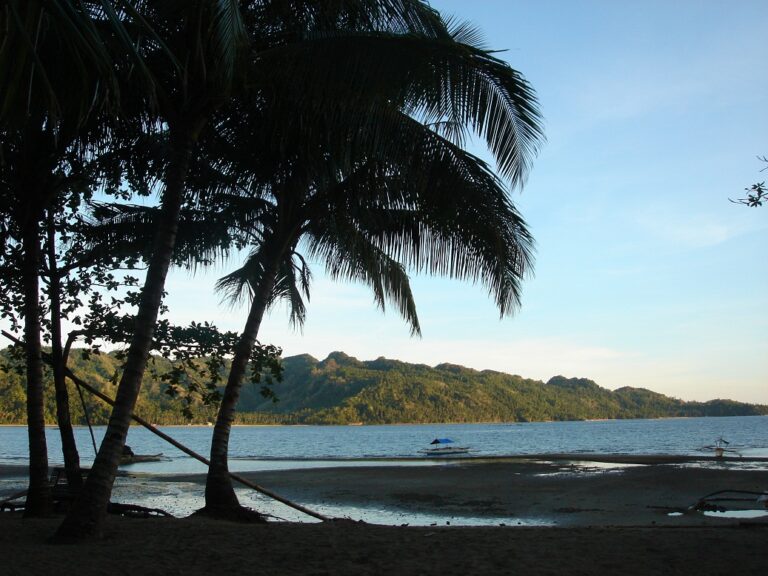
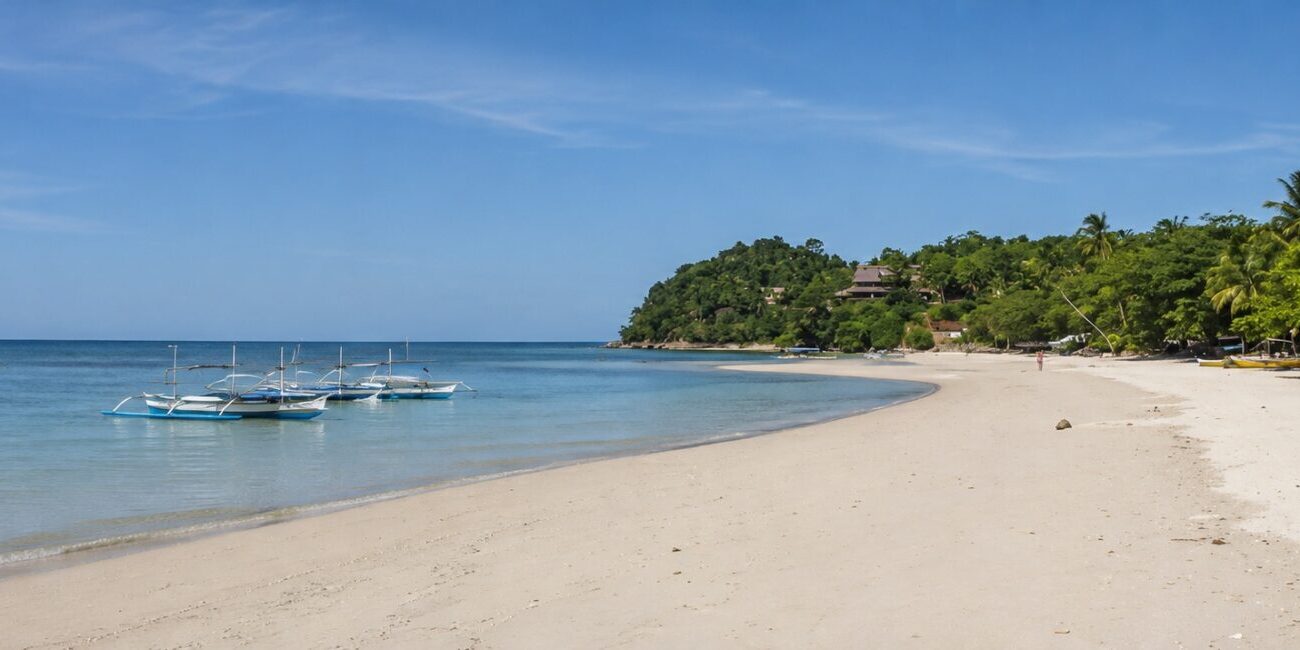 Punta BalloSunset beach near Sipalay
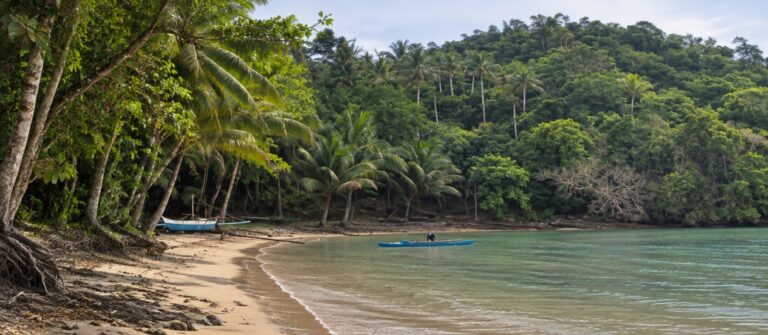
 Campomanes BayA cliff-lined bay in Negros Occidental
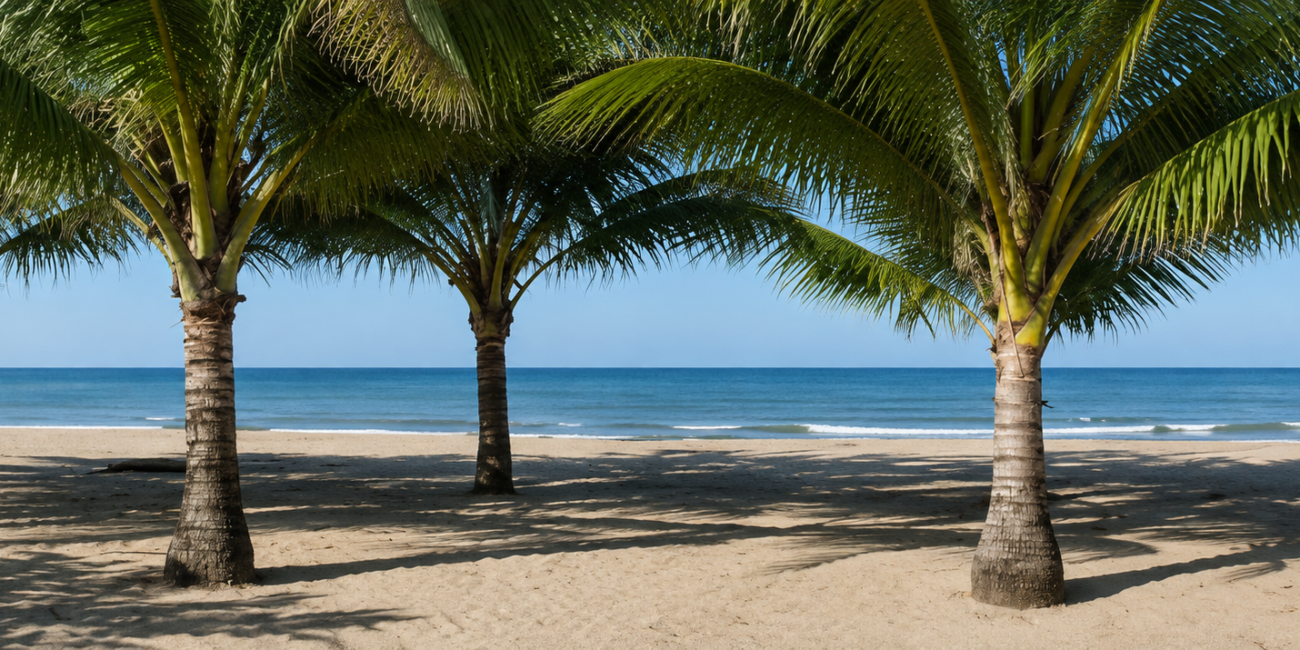
 Balanban PointA secluded beach in Negros
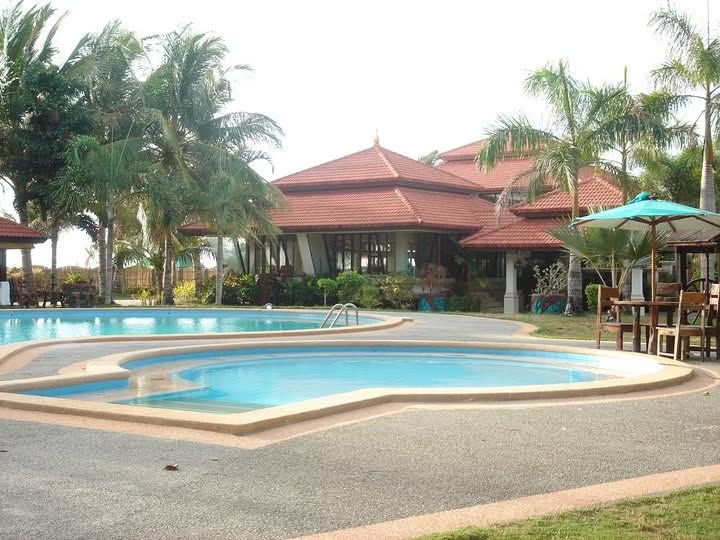
 Hinoba-anA coastal town in Negros Occidental
 HinigaranA quiet resort stop on the southern highway
Dezza’s Tip
Hire a local boat and spend a full day exploring the coastline.
My ideal route would begin around Punta Ballo, pass through Sipalay’s rounded limestone islets, continue into Campomanes Bay and finish at Balanban Point.
Take food, drinking water and an icebox. Most importantly, do not rush it. Sipalay is one of those places where slowing down is a major part of the experience.
Where Is Sipalay?

Unsubscribe anytime.