


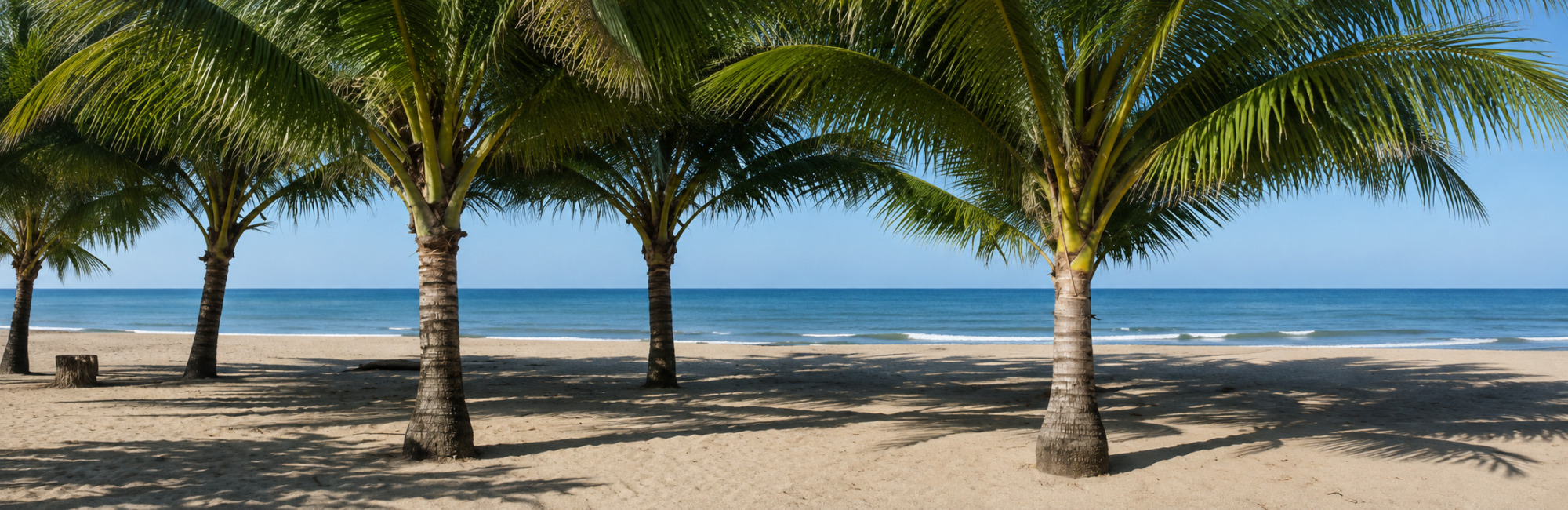
Hinoba-an
Hinoba-an: Where My Negros Story Really Started
Hinoba-an is a coastal municipality at the southern end of Negros Occidental in the Visayas, just below Sipalay. Most people fly from Manila to Bacolod, then take a road trip of around four to five hours south.
Hinoba-an was my first proper introduction to southern Negros Occidental. If it hadn’t been for a mining exploration project in the mountains near the border between Sipalay and Hinoba-an, I probably never would have discovered it.
Our first trip in 2010 was basically a reconnaissance mission. There were three of us, me and two geologists, and we had no real idea where we were going, where we would stay or what we would find when we got there.
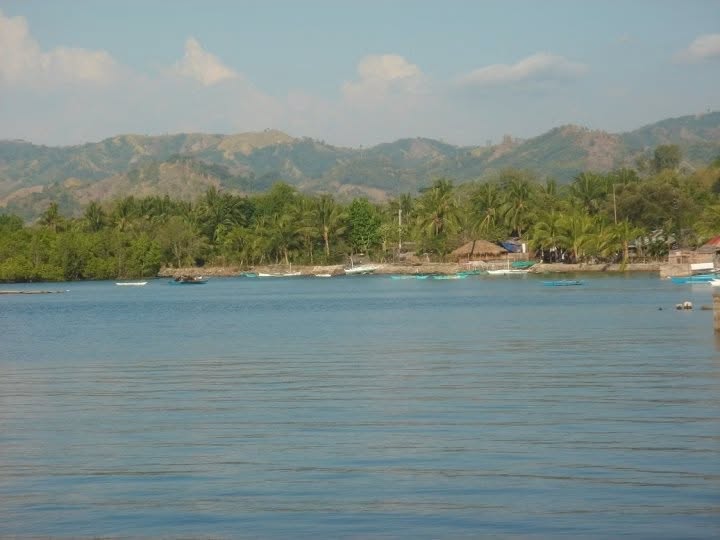
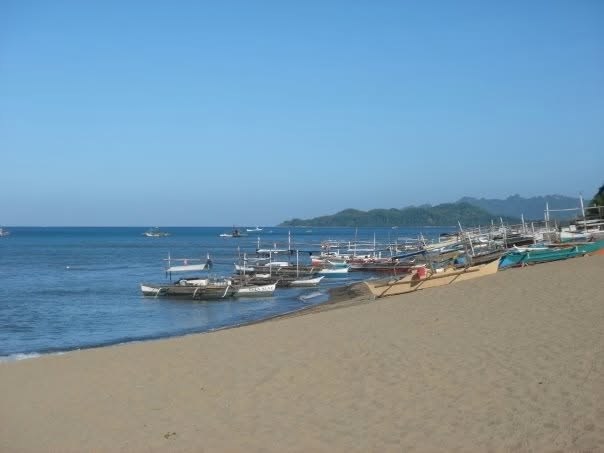
My First Trip to Hinoba-an
We flew from Manila to Bacolod and drove south for around four hours. This was well before Google Maps and navigation apps became as useful as they are today, so finding places involved a lot more guesswork and asking locals for directions.
We initially checked out Nataasan and Artistic Diving Resort in Sipalay, then continued farther south to Hinoba-an. The place we ended up staying at was Happy Valley Beach Resort, and we stayed for about two nights. From memory, the booking may have been made in advance.
The project we were working on was commonly referred to as the Hinoba-an project, even though the actual site may have been just inside Sipalay. It sat close enough to the border that the exact municipal boundary never made much difference to our daily work.
Happy Valley Beach Resort
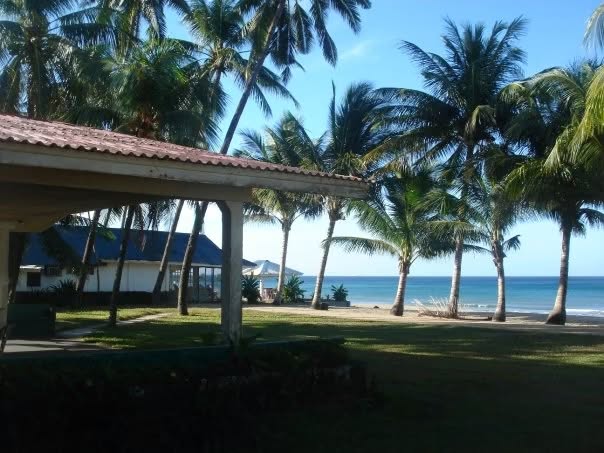
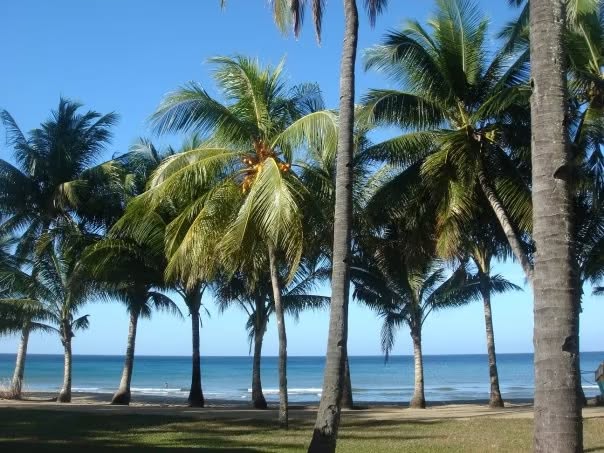
Happy Valley was fairly basic, but it did the job for that first reconnaissance trip. The rooms were okay, the food was decent and the beach was far better than I expected.
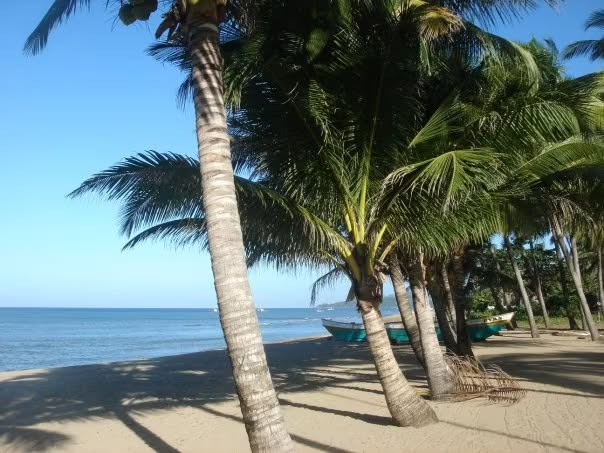
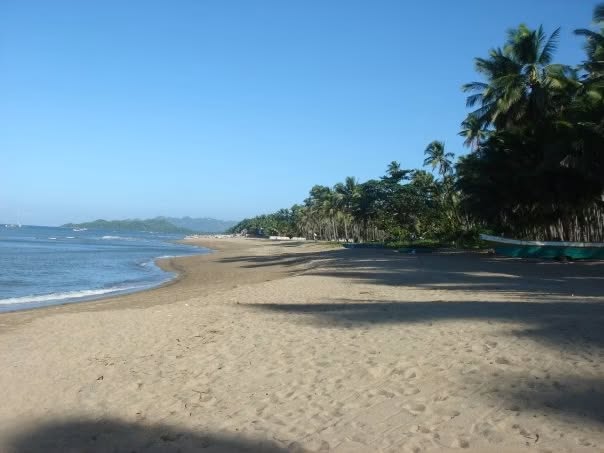
The sand was clean, fine and light beige, with palm trees lining the beach and hardly anyone around. I also remember sitting in the swimming pool with my colleagues, having a drink and thinking how unbelievable it was that we had stumbled across this place in such a remote part of Negros.
The pool itself was nothing fancy and certainly wasn’t an infinity pool overlooking the beach. It was simply a nice place to have a swim, unwind and process everything we had discovered during that first trip.
Happy Valley was far from an international-style resort and it didn’t have the facilities of Artistic or Nataasan. The beach was the real surprise and easily the best part of the property.
I can’t tell you what Happy Valley is like today. If you are thinking of staying there, contact the resort directly and check recent photos before booking.
Why We Chose Sipalay Instead
Hinoba-an and Sipalay were both roughly the same distance from the project site. After exploring both areas, I personally preferred using Sipalay as our main base.
Sipalay had more accommodation, restaurants, shops and places to explore during the weekend. Hinoba-an was quieter and more basic, which was fine for a short stay but less practical for the wider project.
Once the mountain compound was ready, most of my time was spent staying there anyway. Whenever I could add a weekend to the end of a work trip, I usually headed back towards Sipalay.
The Project in the Mountains
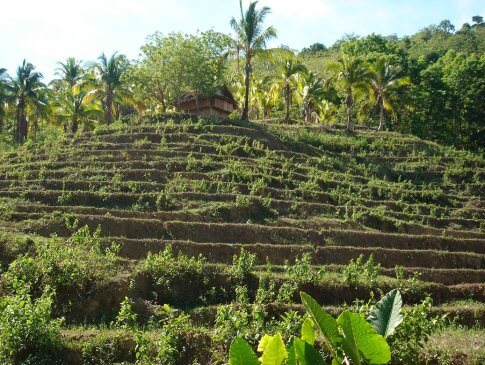
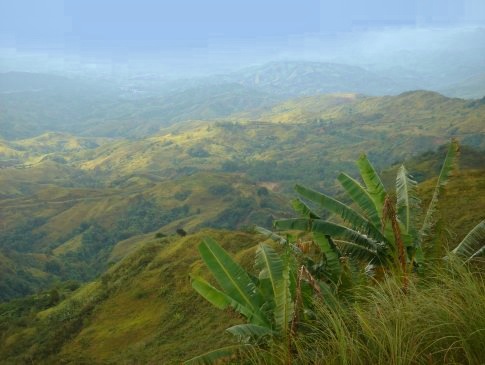
The project site was around 500 metres above sea level and approximately an hour from the main road. Once we turned towards the mountains, there was almost no sign of life until we reached the compound.
The roads were unsealed and rough, which created plenty of headaches when moving workers, visitors and equipment. Part of my role was organising road repairs, accommodation, cooks, recruitment, inventory and basically anything else required to keep the project moving.
Life at the compound was fairly basic. We ate plenty of fish, rice and vegetables, with the occasional bit of chicken or pork for everyone else, and there wasn’t exactly much entertainment once the working day finished.
That remote project is the reason I discovered Hinoba-an, Sipalay and most of the other places covered in these Negros pages. What started as a work assignment turned into one of the most memorable travel periods of my life.

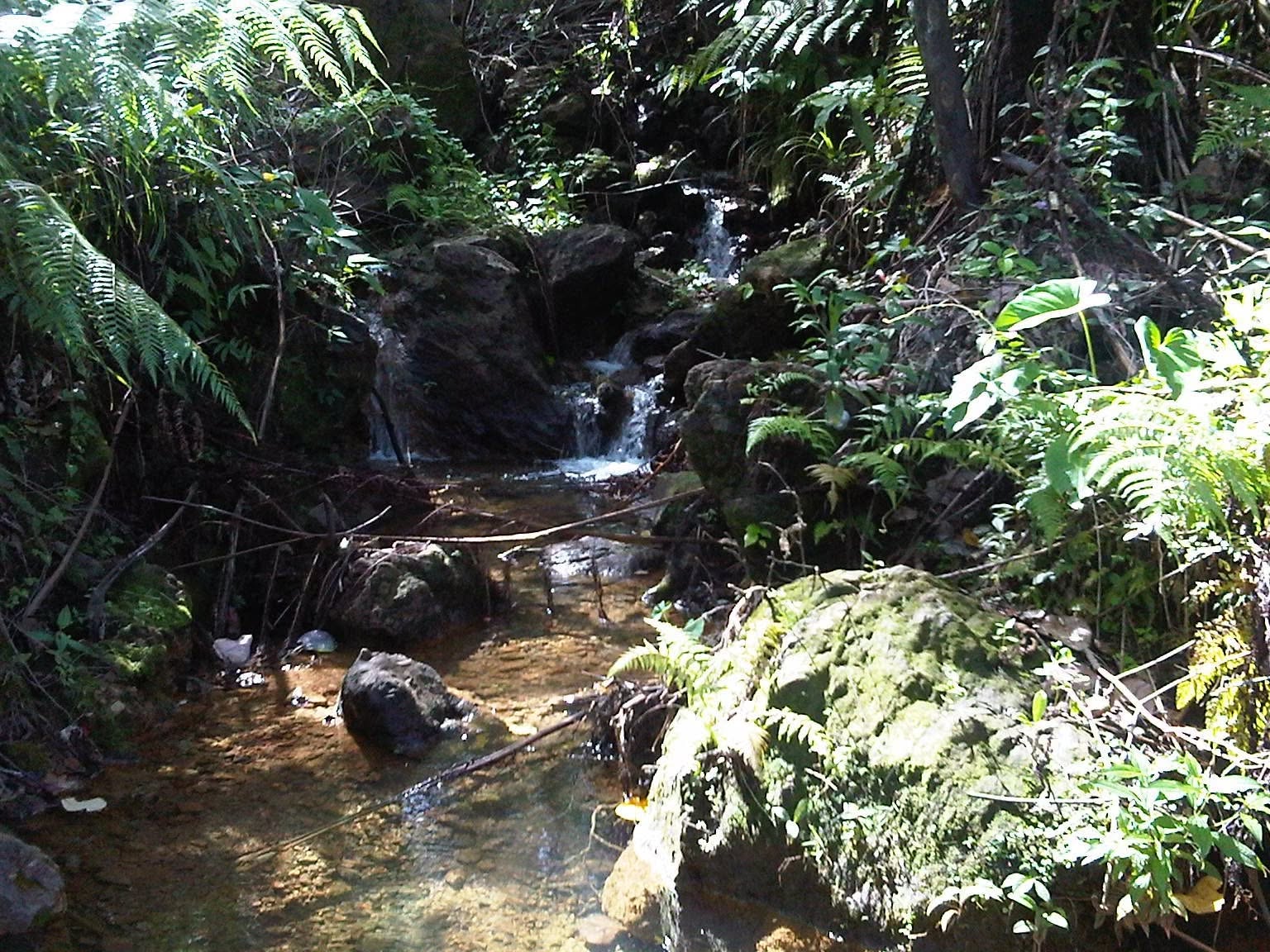
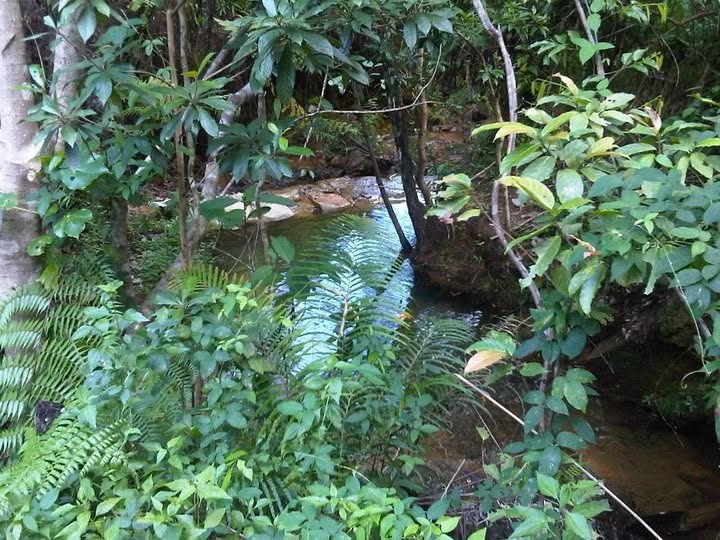
Hinoba-an Town
I passed through Hinoba-an plenty of times after that first trip, although I wouldn’t say I properly explored the town. Most of my visits were connected to work, supplies or travelling between the project and other parts of southern Negros.
A mining supply company I later worked with also rented warehouse space somewhere around Hinoba-an. That gave me another reason to pass through, although Sipalay remained the place where I preferred to stay and spend my free time.
Hinoba-an itself was a fairly simple provincial town during my visits. It had what we needed, but there wasn’t much nightlife or tourism infrastructure compared with Sipalay.
Beaches and Other Attractions
Hinoba-an sits at the southern end of Negros Occidental and has a long coastline facing the Sulu Sea. Much of the municipality remains based around fishing, farming and small coastal communities.
Ubong Caves, in Barangay Bacuyangan, are one of its better-known attractions, along with the beaches and Bolila Island offshore. I never visited the caves myself, so I can’t tell you what they are like beyond what the official Hinoba-an website lists.
Hinoba-an is also known locally for tuna and other seafood. If you’re travelling through the area, eating somewhere local makes far more sense than searching for polished tourist restaurants.

How Long Do You Need in Hinoba-an?
One or two nights would be enough for most travellers passing through Hinoba-an. That gives you time to enjoy the beach, have a look around and break up the long road journey between Sipalay and Dumaguete.
I wouldn’t tell someone to travel all the way across Negros purely for Hinoba-an based on my own experience. It makes more sense as part of a southern Negros road trip, especially when combined with Sipalay, Basay and Bayawan.
Where to Stay
Happy Valley Beach Resort was where I stayed, although that was back in 2010 and only for the first reconnaissance trip. The rooms were simple, but the quiet beach made the stay much better than I had expected.
There are other small resorts along the Hinoba-an coastline today. Check recent photographs, exact locations and current facilities before booking because accommodation standards can vary considerably.
Best Time to Visit Hinoba-an
The best time to visit Hinoba-an is from December to May, when the weather is generally drier and the beaches are easier to enjoy. February and March would be my pick for a quiet coastal stay.
How to Get to Hinoba-an
Hinoba-an is at the southern end of Negros Occidental, below Sipalay and close to the Negros Oriental border. It can be reached from either Bacolod or Dumaguete, although both involve a long road trip.
From Bacolod
Fly into Bacolod-Silay Airport, then travel south by bus, van or private vehicle. Allow around four to five hours, depending on your transport, traffic and stops.
Buses run south from Bacolod towards Hinoba-an. Check current options at the Bacolod terminal before travelling, as services can change.
From Dumaguete
From Dumaguete, travel west through Bayawan and Basay before crossing into Hinoba-an. A private vehicle is much quicker and more comfortable than relying on a bus with multiple stops or transfers.
If you are combining Hinoba-an with Sipalay, Bacolod usually makes more sense as the arrival airport. Dumaguete is useful when continuing through Basay and Bayawan or exploring both sides of southern Negros.
Good to Know Before You Go
- Hinoba-an is quieter and less developed for tourism than nearby Sipalay.
- Check current resort facilities before committing to an overnight stay.
- Bring cash because smaller businesses may not accept cards or digital payments.
- Allow plenty of time for the long road journey from either airport.
- Hinoba-an works best as part of a wider southern Negros trip.
You Might Also Like
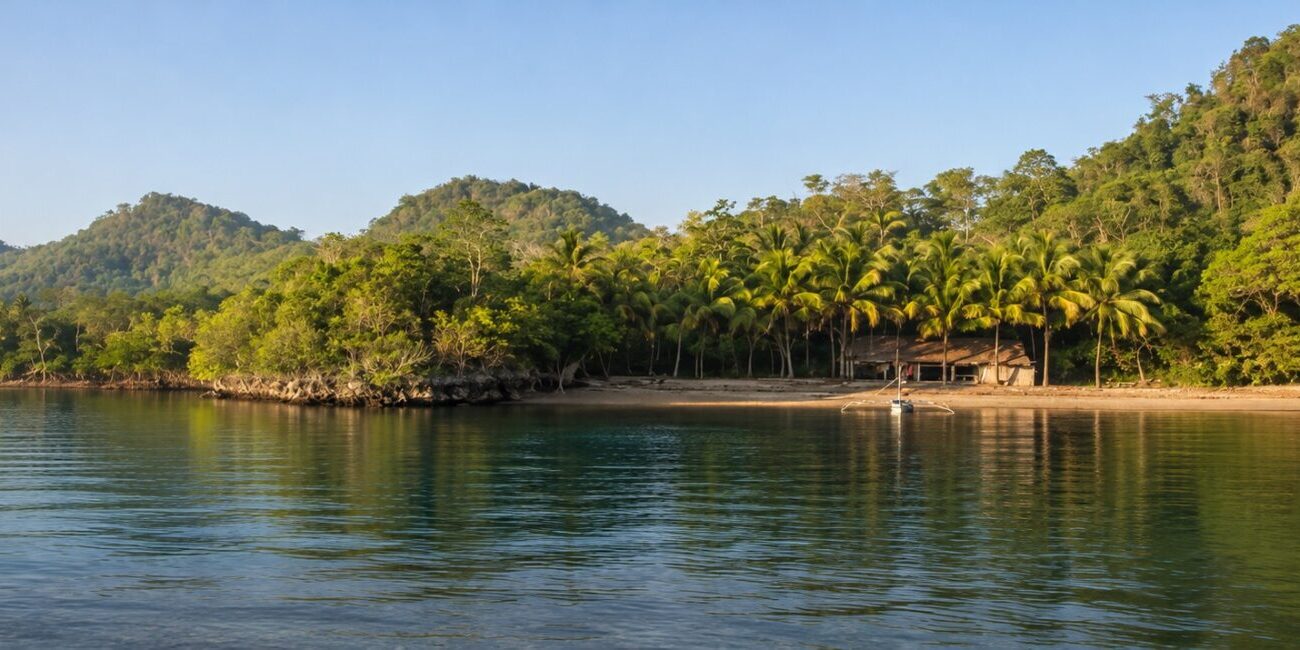 SipalayBeaches and caves in Negros Occidental
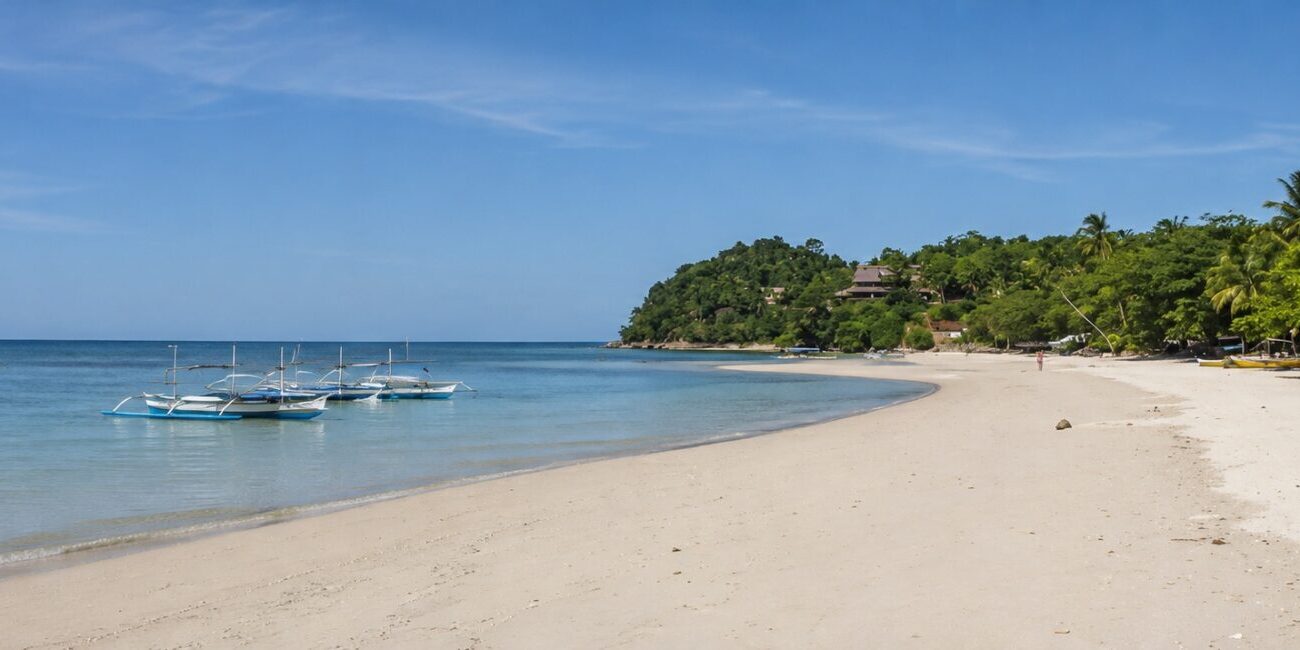 Punta BalloSunset beach near Sipalay
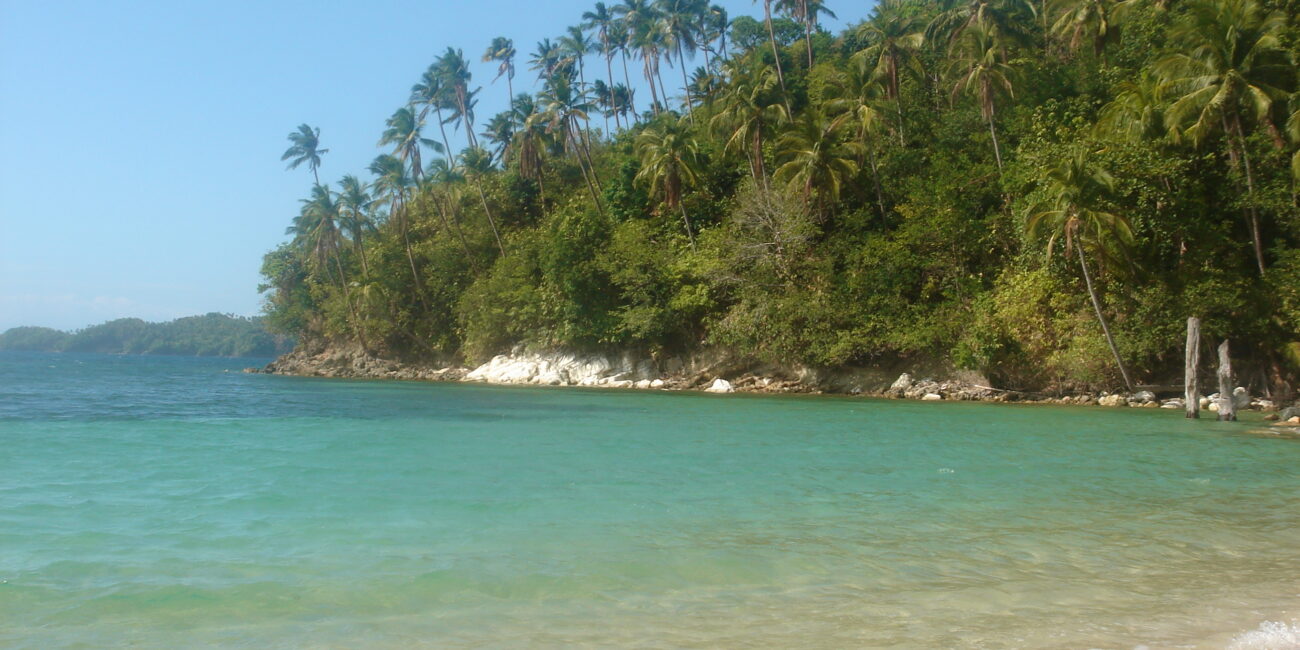
 Campomanes BayA cliff-lined bay in Negros Occidental
 CauayanBeach resorts in Negros Occidental
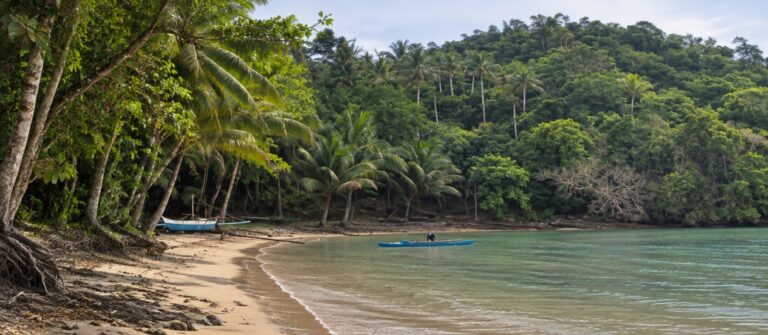 Balanban PointA secluded cove near Sipalay
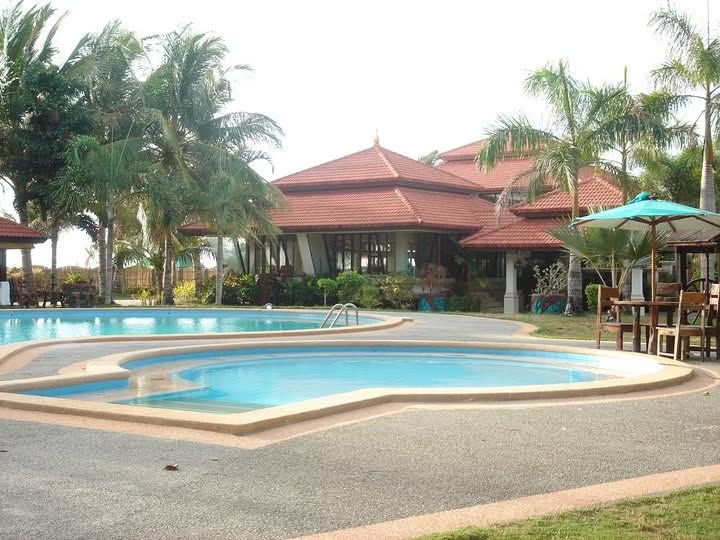 HinigaranA quiet resort stop on the southern highway
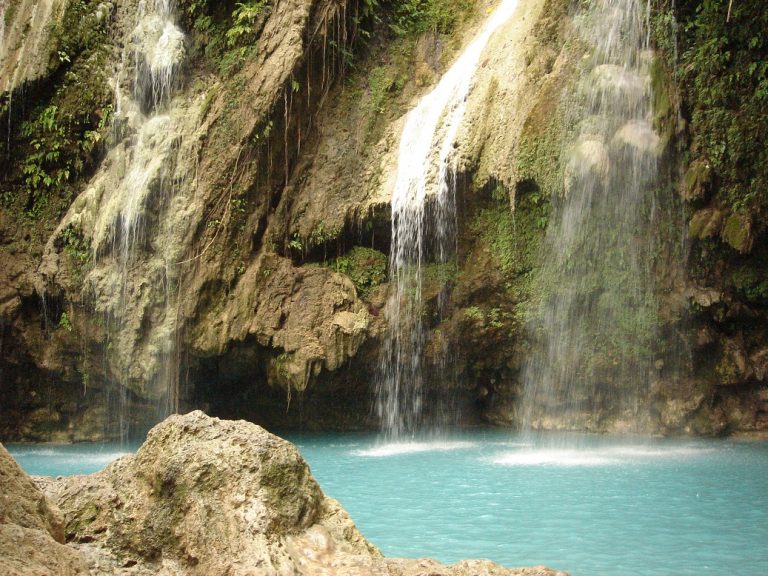 KabankalanMag-aso Falls and a stop on the way south
Dezza’s Tip
Use Hinoba-an as a quiet coastal stop rather than expecting a major tourist destination. Stay for a night, enjoy the beach and then continue towards Sipalay, Basay or Bayawan.
For me, Hinoba-an matters because it was where the entire Negros adventure began. The resort was simple, the project was stressful and we had no idea what we were walking into, but that first trip opened the door to some of the best places and people I found anywhere in the Philippines.
Where Is Hinoba-an?

Unsubscribe anytime.