


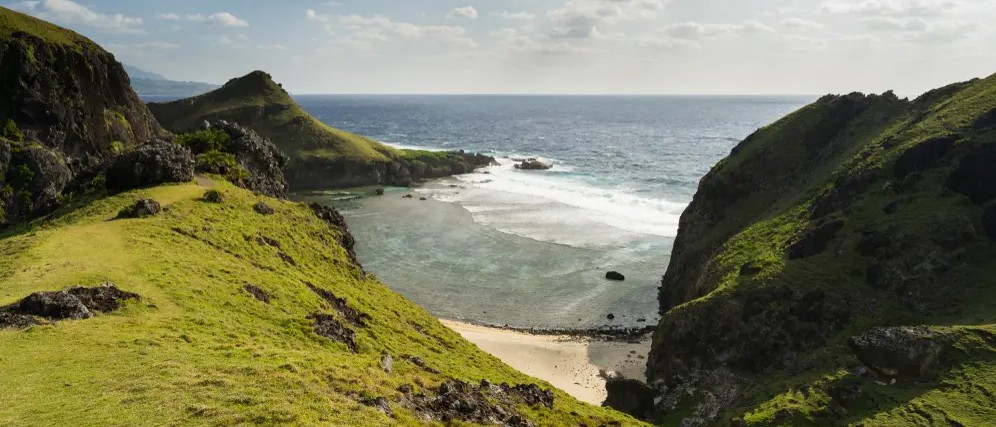
Cagayan Valley, also known as Region II, covers north-eastern Luzon and the Batanes islands further north. It consists of Batanes, Cagayan, Isabela, Nueva Vizcaya and Quirino, with Tuguegarao City serving as the regional centre.
Despite the name, there’s considerably more here than one big valley. You’ve got agricultural plains, mountain forests, caves, Pacific coastlines and the rolling hills of Batanes. The Cagayan River runs through the mainland region, while the Sierra Madre separates much of the valley from the eastern coast.
Getting here depends entirely on your destination. Mainland trips can be made by road from Manila, while flying is another option for the main gateways. Batanes needs its own island itinerary. I wouldn’t try to treat the whole region as one short holiday.
Explore Cagayan Valley
My experience here is quite limited, with an existing page for Didipio in Nueva Vizcaya. The other provinces below are broader suggestions for exploring the region, rather than accounts of trips I’ve personally written up. I haven’t visited every corner of the region, but I hope to explore more of it in the future.
Nueva Vizcaya
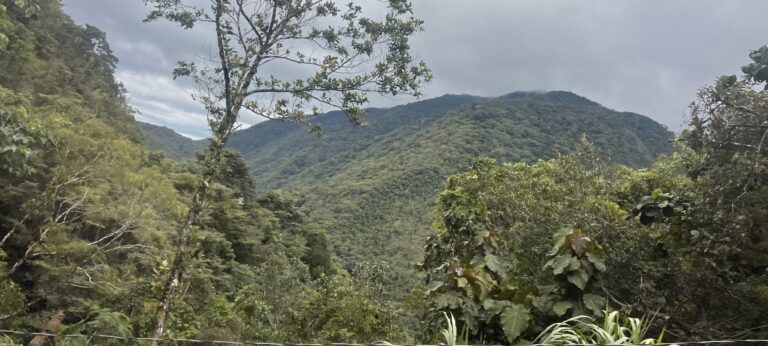
Nueva Vizcaya sits on the southern approach to the valley, with mountain roads, farming communities and scenery that changes considerably as you travel through it. Bayombong is the provincial capital, while the surrounding countryside offers waterfalls, caves and forested hills.
My Nueva Vizcaya page covers a mountain road journey to the Didipio mine in Kasibu, plus Dalton Pass and a few other places worth a look.
Batanes
Batanes is known for its windswept hills, dramatic coastlines and Ivatan stone houses. Basco is the main gateway, with trips around Batan Island and onward trips depending on your plans and the weather.
The attraction is as much the landscape and local culture as any individual landmark. Give yourself time to explore at a sensible pace and leave flexibility for disrupted flights or sea crossings.
Cagayan
Tuguegarao is a useful starting point for mainland exploring, including the Callao Cave area in Peñablanca. Further north, Santa Ana offers coastal scenery and access towards offshore destinations.
Those are different parts of a large province, so choose your accommodation around what you actually want to see. A city-based cave visit and a northern coastal break need different travel plans.
Isabela
Isabela combines extensive farming plains with the forested Sierra Madre. Its eastern coast includes remote communities where access takes more planning than a conventional beach trip. Don’t assume the main valley road network continues directly to every coastal destination.
Quirino
Quirino offers rivers, caves, waterfalls and mountain scenery. Cabarroguis is the provincial capital, and a locally arranged itinerary can help connect attractions spread across different municipalities. It’s worth considering if your main interest is exploring inland landscapes.
Dezza’s Tip
I’d decide between a mainland trip and Batanes first. For the mainland, group nearby stops rather than driving back and forth across the valley. For Batanes, allow spare time around your flights. Weather varies considerably across the region, so use your actual destination and activities to choose when to go.

Unsubscribe anytime.