



The Cordillera Administrative Region, or CAR, covers the mountainous interior of northern Luzon. It consists of Abra, Apayao, Benguet, Ifugao, Kalinga and Mountain Province, with Baguio City serving as the regional centre.
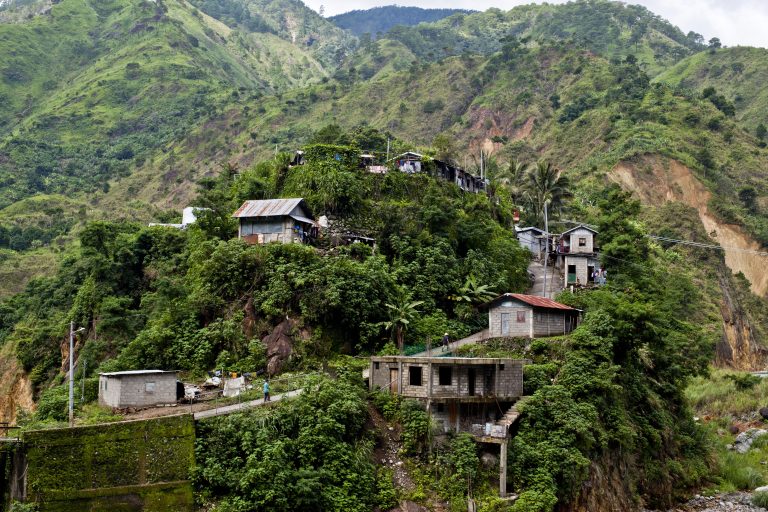
This is a completely different side of the Philippines from the beaches and coconut palms. You’ve got pine forests, steep mountain roads, vegetable farms and rice terraces built into entire hillsides. The scenery is pretty amazing, but the region’s indigenous communities and living traditions are just as important as the views.
Most visitors from Manila travel by road. Baguio is a practical starting point, although reaching Banaue, Sagada or more remote communities takes considerably longer. Distances here can be deceptive. What looks like a short stretch on the map can involve hours of winding mountain roads.
Explore Cordillera
My existing guides cover Baguio, Benguet and Banaue. There’s plenty more across the region, so the province descriptions below also give you some ideas beyond the places I’ve written about so far. I haven’t visited every corner of the Cordillera, but I hope to explore more of it in the future.
Benguet and Baguio
Baguio City offers cooler weather, pine trees, markets and a busy mountain-city atmosphere. Parts of it remind me of the Dandenong Ranges back in Melbourne, although the traffic certainly brings you back to the Philippines.
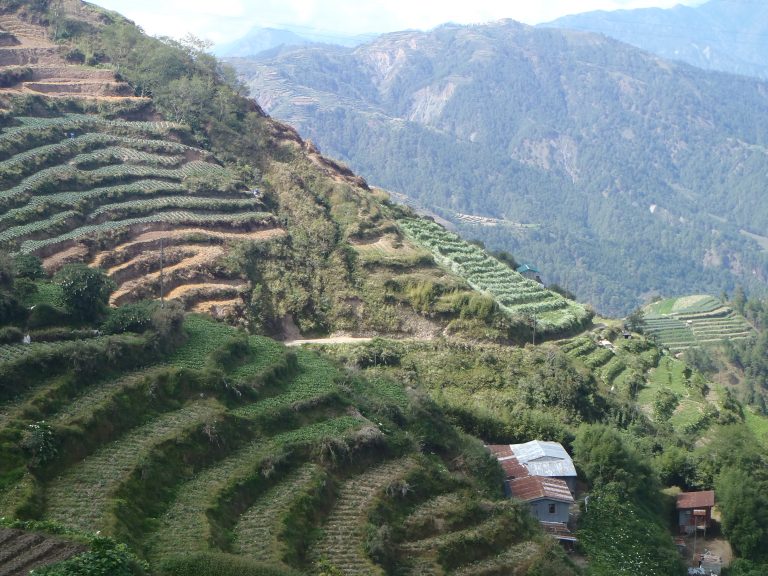
Beyond the city, Benguet has vegetable terraces, highland farms and spectacular scenery along the mountain roads. La Trinidad is the provincial capital, while Kabayan is associated with traditional burial sites and approaches to Mt. Pulag. Baguio is geographically surrounded by Benguet but administered separately.
Ifugao
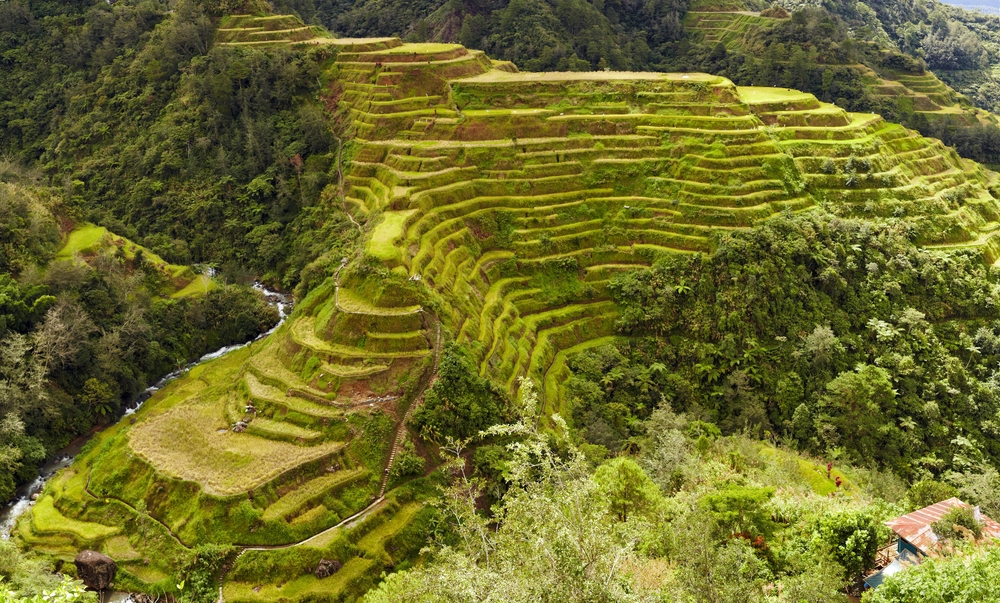
Banaue remains one of my favourite places in the Philippines. The scale of the rice terraces stretching across the mountainsides is absolutely mind-blowing.
I’ve visited twice, and it’s the combination of scenery, engineering and generations of farming knowledge that makes the place so impressive. Allow time to check out more than just the roadside viewpoints, with a local guide for village walks and terrace trails.
Abra
Abra combines river valleys, mountain country and weaving traditions. It’s an option for a trip focused on communities and landscapes beyond the region’s busiest visitor centres, with Bangued as its provincial capital.
Apayao
Apayao has forests, rivers and caves, with attractions spread across a largely rural landscape. Plan around the specific municipality you want to visit rather than assuming you can explore the province from one convenient base.
Kalinga
Kalinga is known for its mountain villages, Chico River and traditional tattooing. Buscalan attracts visitors interested in hand-tapped tattoos, but the province’s cultural identity extends well beyond one village or one experience.
Mountain Province
Sagada is the best-known visitor destination, with caves, mountain walks and traditional hanging coffins. These are living communities and culturally significant places, so follow local guidance rather than treating every location as somewhere you can wander independently.
Dezza’s Tip
I’d choose two neighbouring areas and give them time. Baguio and Benguet work together, while Banaue and Sagada need a longer mountain itinerary. November to April generally offers better road-trip conditions, but bring something warm and leave room for weather delays. For the rice terraces, the planting cycle matters as much as the season.

Unsubscribe anytime.