


Philippines Travel and Safety Tips: What I Wish Every Visitor Knew
The Philippines is, in my view, the complete country. Beaches, mountains, volcanoes, waterfalls, reefs and some of the friendliest people you’ll meet anywhere. But a little preparation goes a long way, and a handful of cultural and practical differences catch almost every first-time visitor out.
I’ve lived here since 2003, and I still think of myself as a guest in this country. I’d encourage you to do the same, whether you’re here for a week or a decade. Respect the local laws and customs, even when they don’t match what you’re used to. Once you understand how Filipinos communicate, and why, your trip gets a whole lot smoother. None of what follows is about criticising the country or its people. It’s what I’d tell a mate before he got on the plane.
Communication in the Philippines
Tagalog and English are the official languages, and there are well over a hundred others across the islands. For the weary traveller, there’s no better feeling than being lost and finding someone who speaks English.
But speaking English and thinking in English are two different things. Quite often you’ll ask a question that needs some explanation and get a cheerful “Yes, sir” back, usually with a slightly puzzled look. That “yes” usually means “I heard you” or “I want to help”, not “I understand”. Most Filipinos are trying to be polite and helpful, and saying no or admitting confusion can feel like letting you down.
The Fault Can Be Ours
Sometimes the problem is us. Because English is so widely spoken, we relax, talk fast and lean on slang. As an Aussie, I know my accent and vocabulary can leave people lost. In the provinces, where much of the real beauty and fun of this country is, English and literacy levels are lower than in the big cities, which makes misunderstandings more likely.
Speak to Be Understood
Keep it simple: short sentences, plain words, no slang. Filipino English has an American flavour, so it’s vacation instead of holiday, gas instead of petrol and flashlight instead of torch. Don’t assume two Filipinos from different regions share a language either, because they often don’t. When it matters, ask the question a second way, or ask the person to repeat back what they’ll do. Patience is the key.
-

- Speak Clearly

Keep Your Cool
This one matters more than any phrase you’ll learn. Losing your temper in public almost never gets you what you want in the Philippines. Raising your voice or pointing the finger tends to make people shut down, or say yes just to end the conflict, and then nothing gets fixed. In my experience, staying calm, smiling and speaking softly works far better. Ask for help rather than demanding it, and give the other person an easy way to put things right without losing face.
Getting Around the Philippines
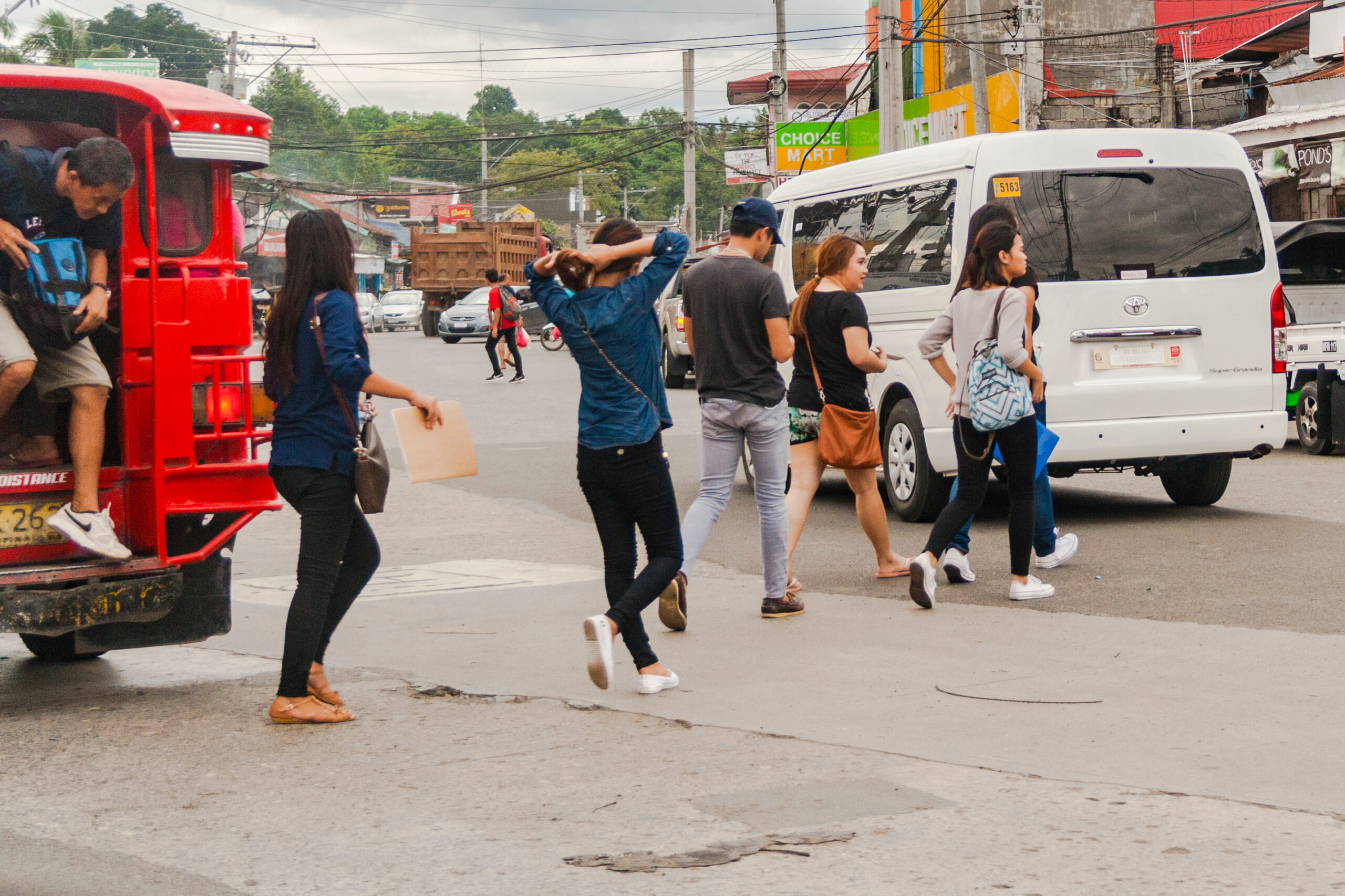
I’m not going to sugar coat it: public transport here isn’t up to international standard. It can be slow, confusing and frustrating, and it can take the gloss off an otherwise fantastic trip. Outside the big cities, getting to a resort can mean a bus, then a jeepney, then a tricycle, then a boat, and then another tricycle.
Unless you’re on an organised tour, which cuts out a few of those steps, that’s simply how the locals do it. It really is the journey, not the destination, and the destination is always worth the effort.
-

- Jeepney
The humble jeepney is the most popular way to get around. They started out as leftover American military vehicles after the Second World War, and these days they’re built from other surplus parts. They carry people, but also produce, animals, lumber and whatever else will fit.
Signage is another surprise. In provincial areas, directional signs can be scarce. Google Maps and Waze help, but you’ll still end up asking locals for directions now and then. Keep your cool, smile and keep going. In the cities, a ride-hailing app like Grab is usually easier than flagging a taxi.
Then there’s the traffic. Metro Manila is notorious for it, and a short trip across town can take hours at peak times. Allow extra time for airport transfers, and leave earlier than you think you need to when you have a flight to catch.
-

- Rush Hour Traffic
Weather, Typhoons and Natural Hazards
The Philippines is a tropical country sitting in a typhoon belt and on the Pacific Ring of Fire. That’s part of what makes it so beautiful, with all those mountains, volcanoes and islands, but it also means things can change quickly. Know the basics before you book.
Wet and Dry Seasons
Broadly, the dry season runs from December to May, with the best weather usually between February and April. The wet season runs from June to November, with heavy showers, rough seas and cloudier skies. It varies a lot from region to region, so always check the area you’re heading to. The wet season isn’t a write-off, as it’s cheaper, greener and quieter, as long as you build some flexibility into your plans.
Typhoons
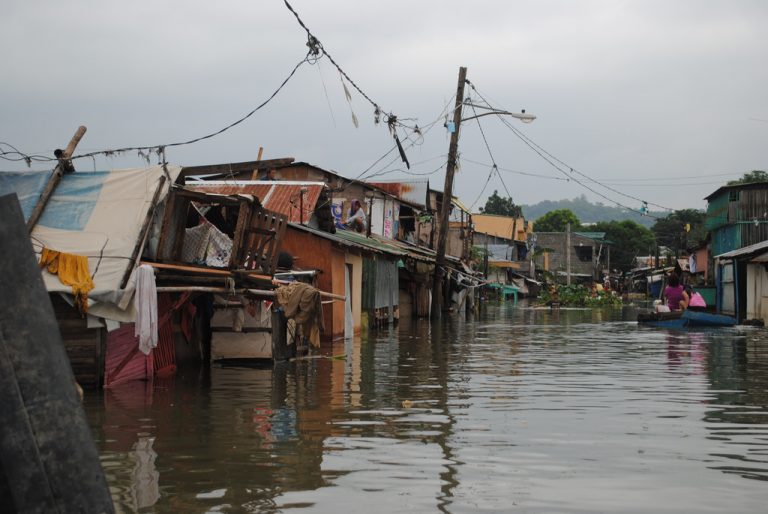
On average, around 20 tropical cyclones enter the Philippine area of responsibility every year, and about eight or nine of them cross the country. The peak months are July to October, although storms can turn up outside that window. Typhoons can cancel flights and boats, close beaches and islands, and cause flooding and landslides, particularly in the mountains.
Build buffer days into your itinerary, especially at the end of a trip, so one cancelled boat doesn’t make you miss your flight home. Follow PAGASA, the national weather bureau, for forecasts and storm signals, and listen to local authorities and your hotel staff.
-
- Flooded Neighbourhood
Earthquakes and Volcanoes
Earthquakes are common here. Most are too small to notice, but strong ones do happen, sometimes with little warning. The country also has 24 active volcanoes, according to PHIVOLCS, the government’s volcano and earthquake agency, including Mayon, Taal and Kanlaon. Activity can escalate quickly, closing off nearby areas and sometimes disrupting flights.
If you’re near the coast and feel strong or prolonged shaking, move to higher ground straight away rather than waiting for a warning. Check PHIVOLCS before visiting a volcano, because danger zones and trails close when activity rises. And when you check into a hotel, take a moment to note the exits and the way out.
Travel Insurance
Take out travel insurance that covers cancellations and delays, natural disasters and medical evacuation, and read the fine print on typhoons and volcanic eruptions. It’s also worth checking your own government’s travel advice before you go.
Tipping in the Philippines
Tipping is common for most services: taxi drivers, tour guides, boat crews, baggage handlers, caddies and bar staff. There’s no fixed amount, and it’s the gesture that counts, so always carry some small change.
Prices are also rarely “all in”. Expect extras, and watch for “plus plus” on menus, which means a service charge and tax are added to the bill. Check whether a service charge has already been added before you tip on top.
Money and Staying Connected
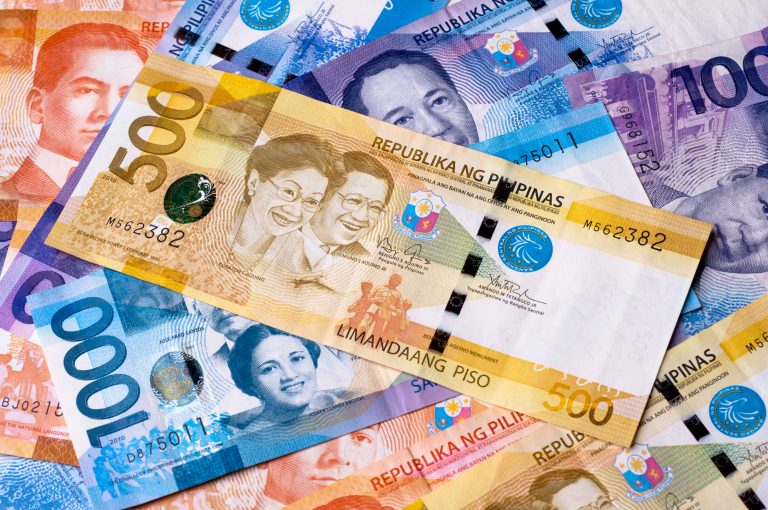
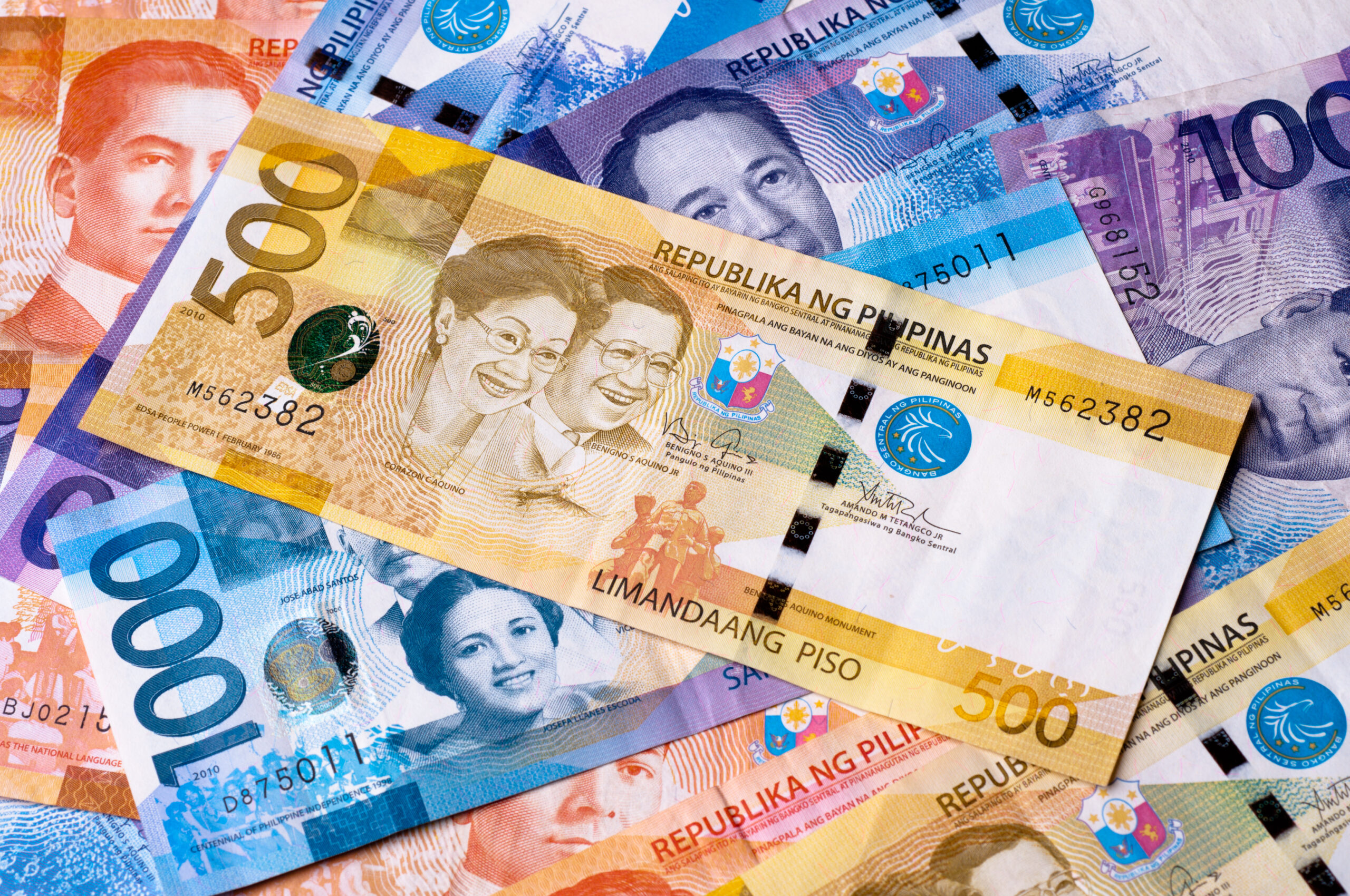
Cash is still king outside the cities. In small towns and on the islands, ATMs can run out of cash or be offline, and many places don’t take cards. Withdraw what you need before you head to remote areas, and carry plenty of small notes and coins, because big notes are hard to break. Foreign cards often attract fees, so check with your bank before you leave. Use ATMs inside banks or malls where you can, not standalone machines on the street.
A local SIM or eSIM is cheap and worth having, and it’s a good idea to download offline maps before you head into the provinces. Power outages and patchy signal are common in remote areas, so a power bank is a smart thing to carry.
-
- Philippine Pesos
Staying Safe
Pickpocketing and Petty Theft
Of all the places I’ve travelled in the world, I’ve only been pickpocketed once, in Makati, and luckily the thief was caught and my things were returned. Pickpockets work crowds and public transport, often with a distraction. Keep your phone and wallet in a front pocket or zipped bag, and stay switched on in crowded places, on buses and in jeepneys.
Beggars in Urban Areas
In the cities you’ll be approached by people, children included, asking for money. If you look like a tourist, you’ll get more attention. It’s your call whether to give, but do it deliberately and keep your valuables secure, because a crowd around you can also be a distraction.
Scams and Overcharging
Most people you’ll meet are honest and friendly, but tourist areas have their share of overcharging. Insist on the meter in a taxi or use a ride-hailing app, and agree the price for tricycles and boats before you get in. Be wary of overly friendly strangers offering tours or telling you an attraction is closed. Book guides through your accommodation or the local tourism office, and keep an eye on your card at all times.
Health and Drinking Water
It’s best to avoid the tap water. Bottled water is cheap and sold everywhere, and many hotels and restaurants serve filtered water, so it’s rarely a problem. If you’re unsure, ask where your hotel refills its drinking water. Dengue is present in the Philippines, so use mosquito repellent, especially around dawn and dusk. Bring any regular medication with you, along with a basic first aid kit, because pharmacies thin out quickly in remote areas. Check with your doctor about vaccinations well before you travel.
Get Out There and Enjoy the Philippines
Hopefully these tips help you handle the obvious challenges. No country is perfect, and this one can be very frustrating, but for me the positives outweigh the negatives by a long way. There are so many wonderful places and people here, and you just need to get out there and experience the magic. Start with my destination guides.
-
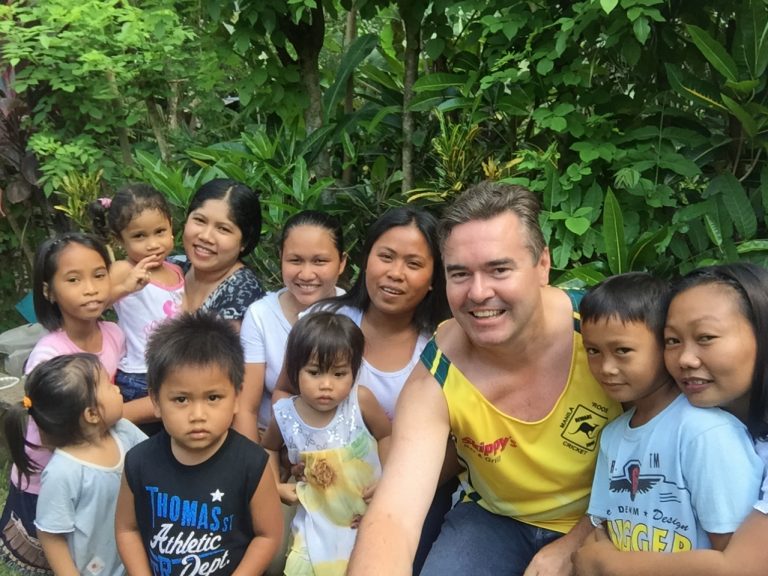
- Friends in the Philippines
Philippines Travel Safety FAQs
Is the Philippines safe for tourists?
For most visitors, yes. Most people you’ll meet are honest and friendly, and I’ve lived here since 2003. The common problems are small ones: pickpockets in crowds and on public transport, and overcharging in tourist areas. Keep your phone and wallet secure, insist on the meter when you take a taxi (or use a ride-hailing app), and agree the price for tricycles and boats before you get in.
When is typhoon season in the Philippines?
The peak months are July to October, although storms can turn up outside that window. Around 20 tropical cyclones enter the Philippine area of responsibility each year, and eight or nine of them cross the country. Build buffer days into your itinerary and follow PAGASA, the national weather bureau, for forecasts.
Should I tip in the Philippines?
Yes, tipping is common for taxi drivers, tour guides, boat crews, baggage handlers and bar staff. There’s no fixed amount, so carry small change. Check whether a service charge has already been added to your bill, especially when a menu says “plus plus”.
Can I drink the water in the Philippines?
It’s best to stick to bottled or filtered water rather than the tap. Bottled water is cheap and sold everywhere, and many hotels and restaurants serve filtered water. If you’re unsure, just ask where your hotel refills its drinking water.
You Might Also Like
 El NidoLimestone cliffs, lagoons and island hopping in northern Palawan.
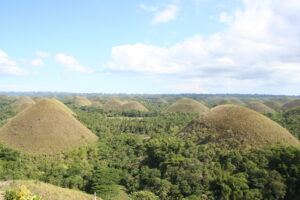 BoholThe Chocolate Hills, tarsiers, the Loboc River and white sand beaches on Panglao.
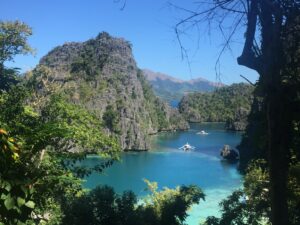 CoronIsland hopping, clear lagoons and wreck diving in northern Palawan.
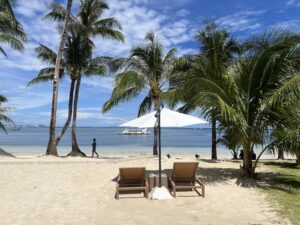 BoracayPowdery white sand, great sunsets and island hopping in the Visayas.