


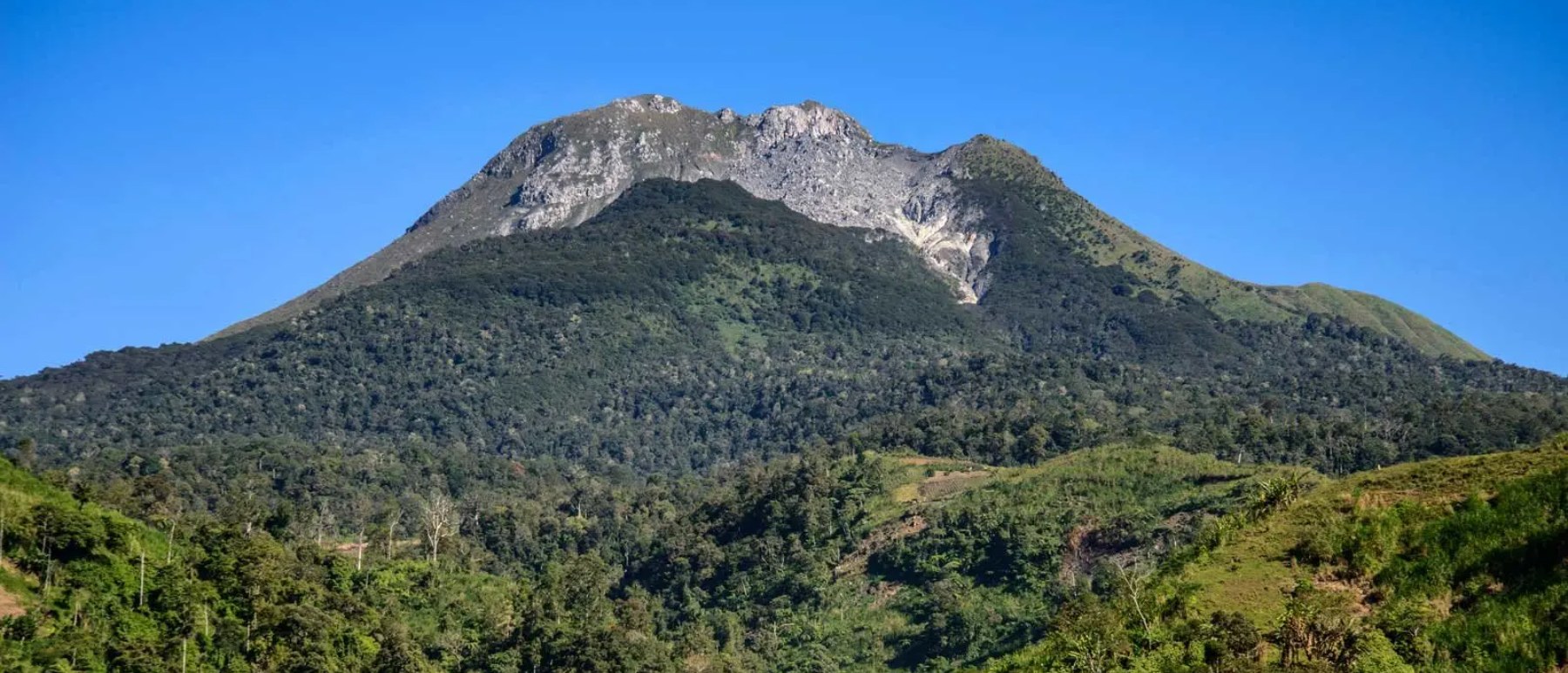
The Davao Region, also known as Region XI, covers south-eastern Mindanao. It consists of Davao del Norte, Davao del Sur, Davao Oriental, Davao de Oro and Davao Occidental, with Davao City serving as the regional centre.
The region is known for Mt. Apo, the Philippine eagle, tropical fruit and the islands around Davao Gulf. You can spend time in a busy city, head into mountain country or relax on a beach without needing to change regions. Allow more travel time for the Pacific coast and southern provinces.
Most visitors arrive through Davao International Airport, then continue by road or boat. Choose accommodation around your main activities. A city hotel, an island resort and a mountain base offer very different trips.
Explore Davao
Davao was the first place I visited in the Philippines, back in 1997, and I’ve returned many times through family connections. My existing guides cover city visits, provincial towns and some beautiful island escapes. I haven’t visited every corner of the Davao Region, but I hope to explore more of it in the future.
Davao City
Davao City is a big, sprawling place, but I’ve generally found it more laid-back than Manila. It’s the main arrival point for many visitors and a practical starting point for nearby trips.
The surrounding destinations are a big part of its appeal for me. Davao City is administered separately from the five provinces, so I’ve given it its own section here.
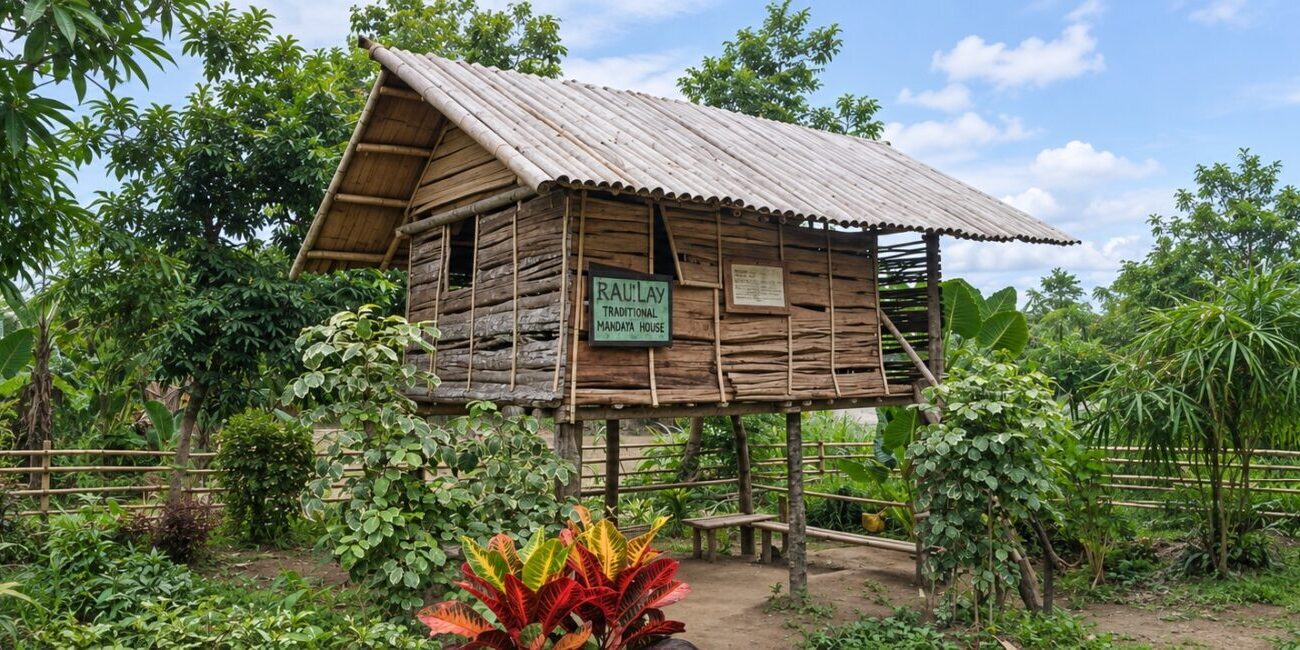
Davao del Norte
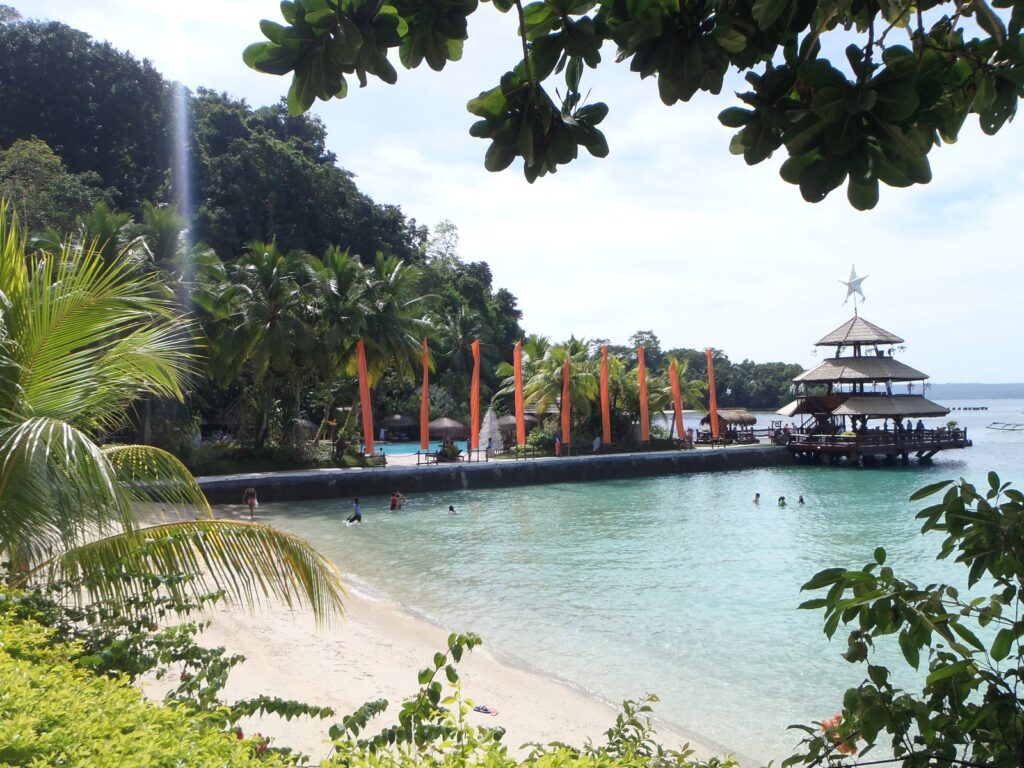
Samal Island offers beaches and resorts across the gulf from Davao City. Pearl Farm Beach Resort is one of the places I’ve stayed and have covered in my existing guides.
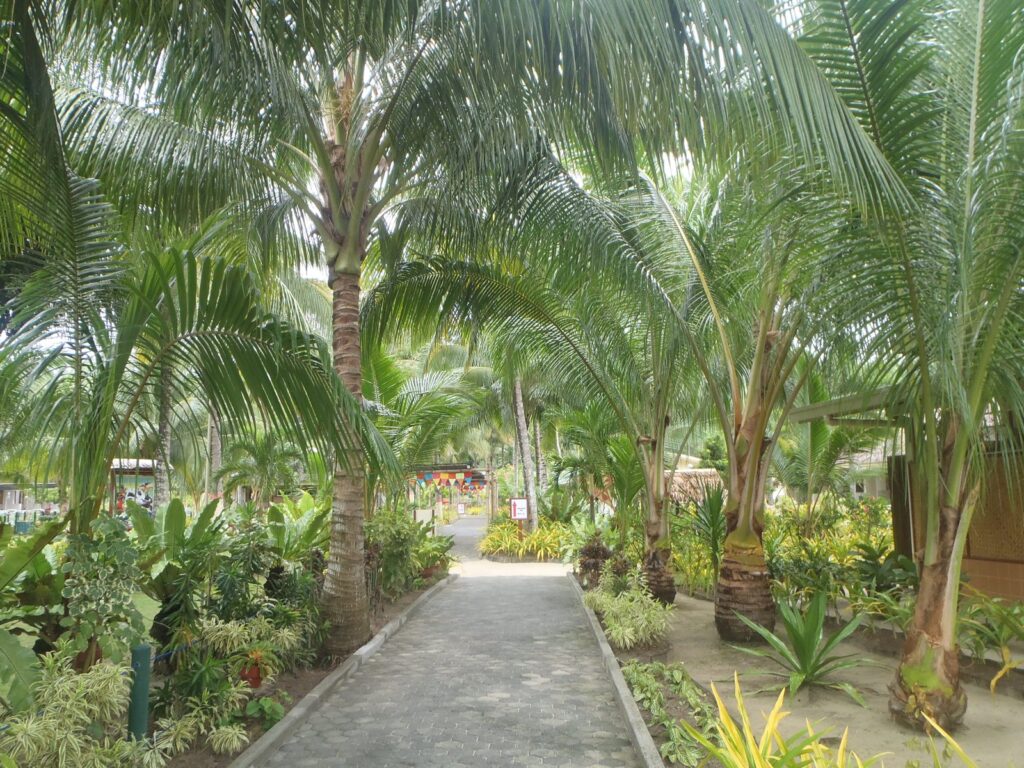
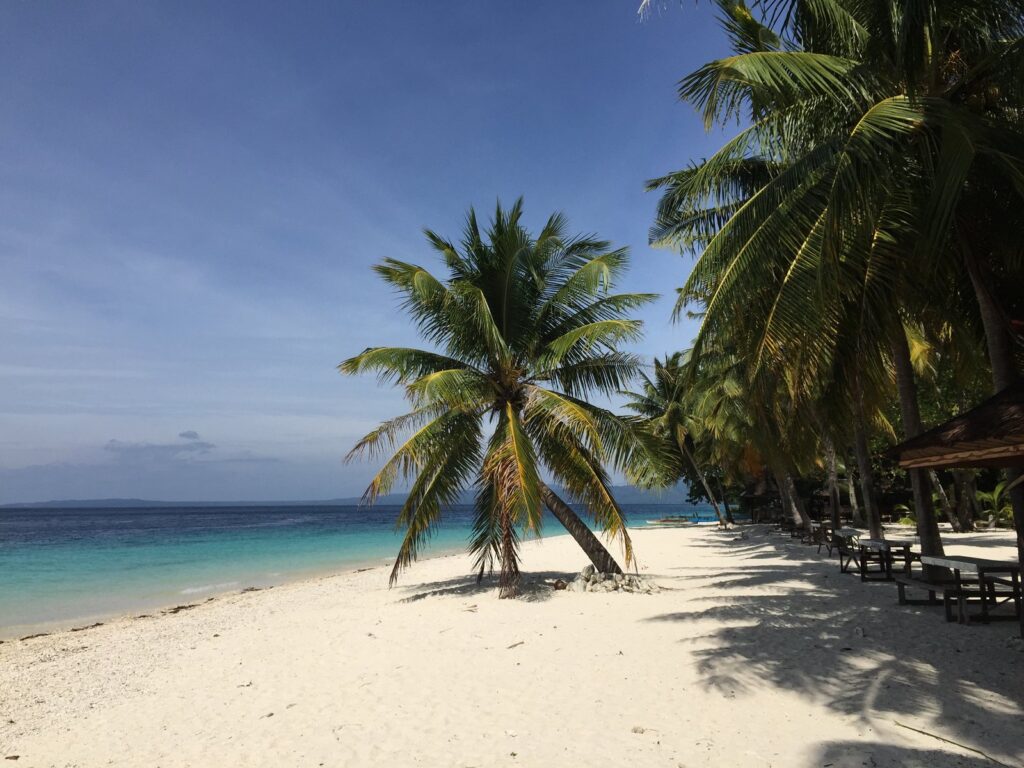
Talikud Island remains my favourite place around Davao. I first visited in 1998, and the white sand, coconut palms and clear water made a lasting impression. My memories are of swimming and relaxing rather than chasing a long list of activities.
Davao del Sur
Davao del Sur includes Digos City, the provincial capital, and Bansalan, where family connections gave me an early introduction to rural Philippine life.
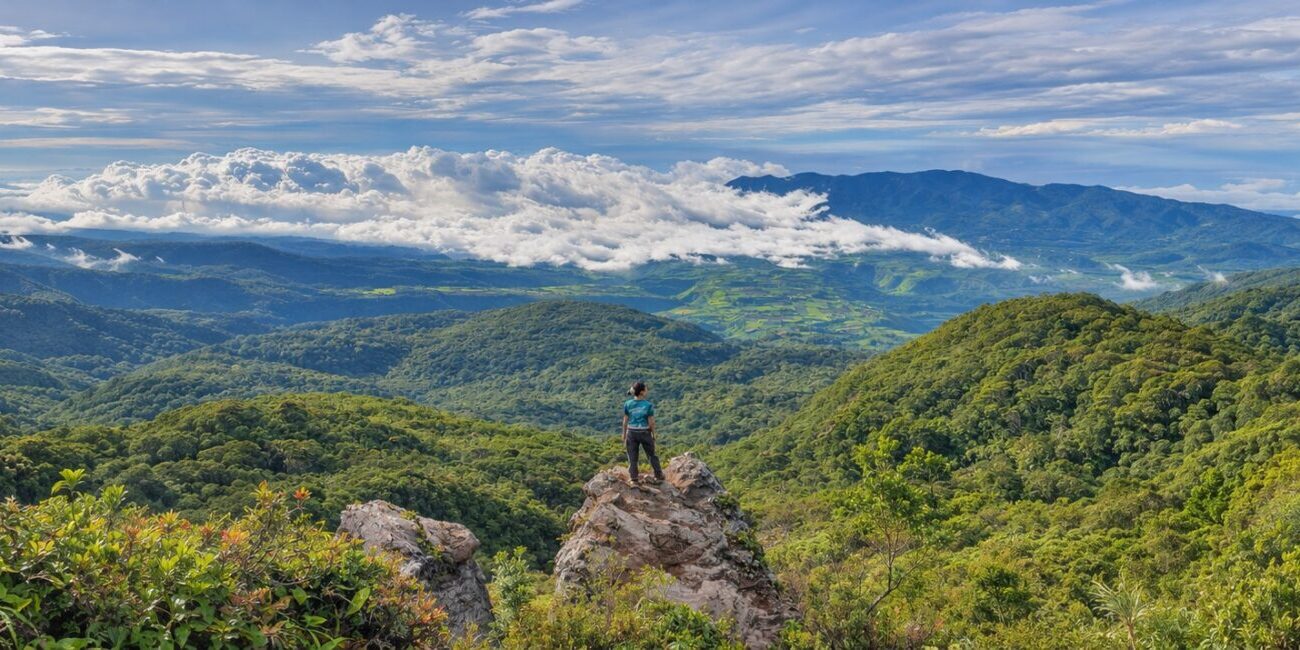
My guides reflect those personal visits rather than suggesting either town is a major resort destination. Mt. Apo is the province’s most recognisable natural landmark, with any climb requiring proper preparation and current access arrangements.

Davao Oriental
Davao Oriental is one place I haven’t been to yet. This faces the Pacific, with beaches, coastal towns and mountain landscapes the highlights. Mati and its surrounding coast are places to consider for a separate seaside itinerary rather than a hurried addition to a city weekend.
Davao de Oro
Formerly Compostela Valley, Davao de Oro has forested mountains, agricultural communities, waterfalls and a history associated with gold mining. I have driven through this area but haven’t really spent as much time here as I would’ve liked. Trips here focus on inland landscapes rather than the island-resort experience around Samal.
Davao Occidental
Davao Occidental extends along the southern coast, with fishing communities and offshore islands. This is another part of Davao I would love to visit but haven’t had the chance yet. The province needs a route planned around specific destinations, especially where road travel is followed by a sea crossing.
Dezza’s Tip
I’d combine a short Davao City stay with several nights on Samal or a planned Talikud outing. February to April is a useful starting point, but Davao doesn’t have a sharply defined dry season. Give yourself room for rain and arrange boat transfers around your accommodation and actual departure point.

Unsubscribe anytime.