


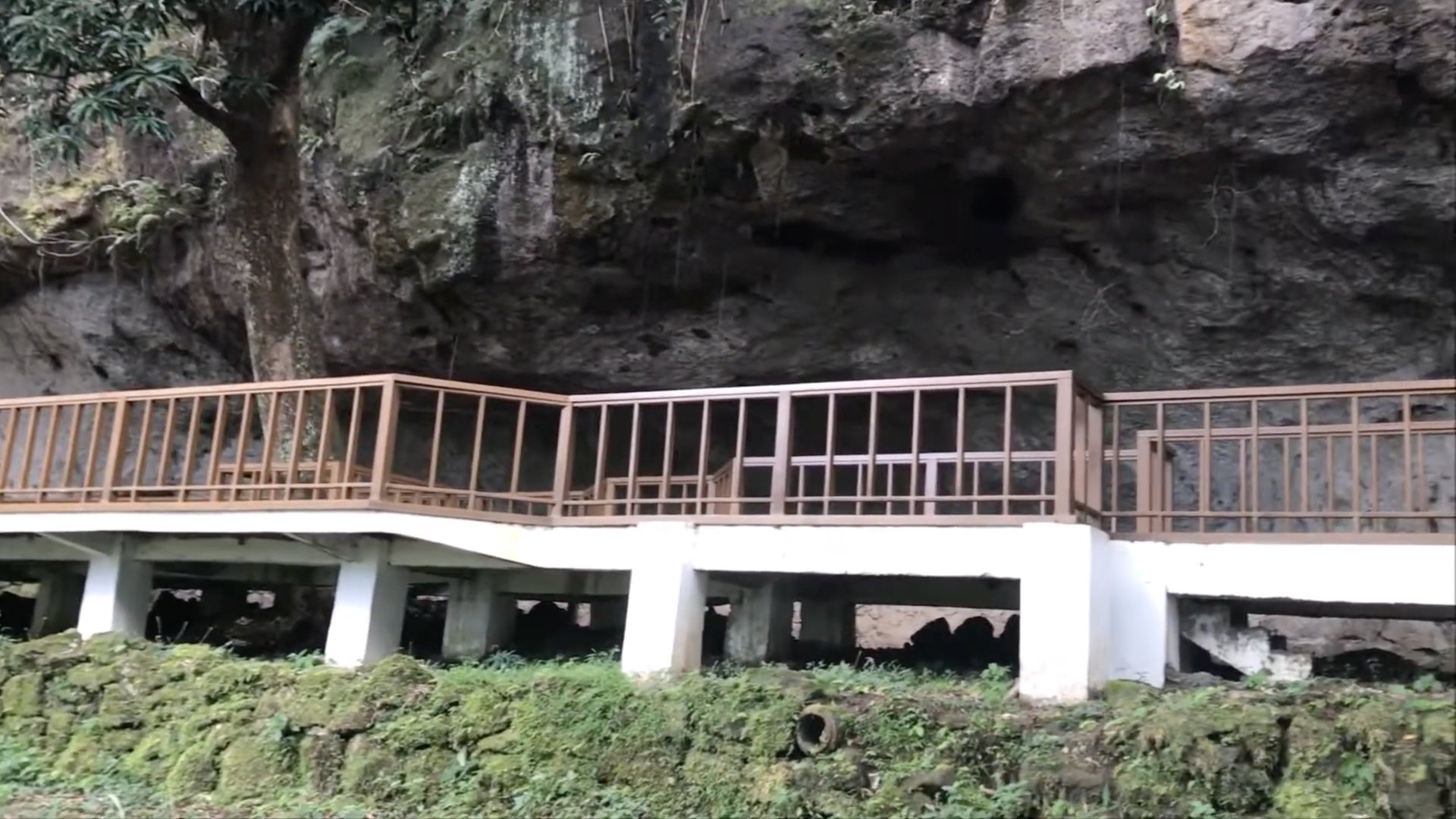
Hidden away in the hills between Angono and Binangonan in Rizal are some of the oldest known examples of rock art in the Philippines.
The Angono-Binangonan Petroglyphs are prehistoric carvings depicting human and animal-like figures etched into a rock wall thousands of years ago. They’re now protected as a National Cultural Treasure and managed by the National Museum of the Philippines.
The site is in Rizal, in the Calabarzon region, about 1.5 to 2.5 hours by road from central Metro Manila, depending on traffic. Most people drive.
I visited with my family in 2017 after reading about the site and deciding it would make an interesting day trip from Manila.
It’s not a particularly large attraction, and the carvings themselves are fairly subtle. However, if you’re interested in history, archaeology or ancient cultures, it’s a fascinating place to visit.
Things to See and Do
Walk Through the Tunnel
One of the first interesting features is the tunnel leading to the archaeological site. From the parking area, you walk through a relatively short, straight tunnel carved through the hillside. From memory, it’s approximately 30 to 40 metres long.
It’s a little dark inside, and I certainly wasn’t expecting to walk through a tunnel to reach the petroglyphs. Once you emerge on the other side, a short pathway leads towards the viewing area and the rock carvings.
-
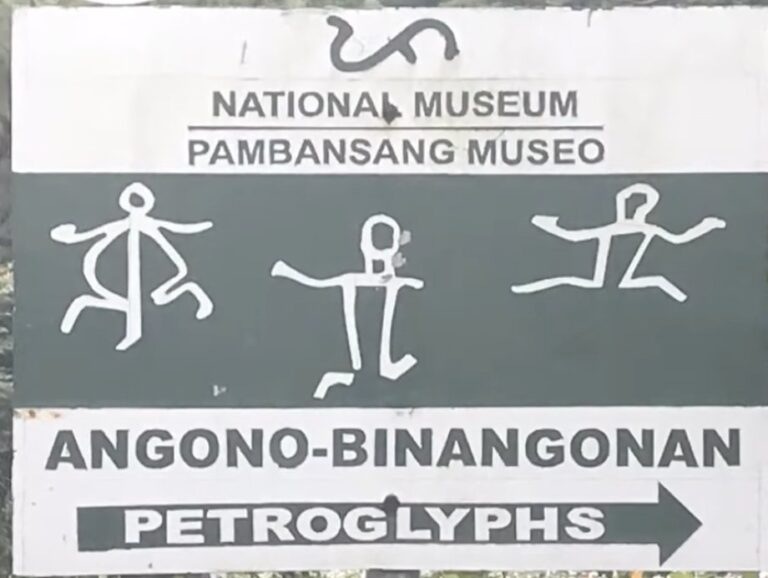
- The National Museum sign
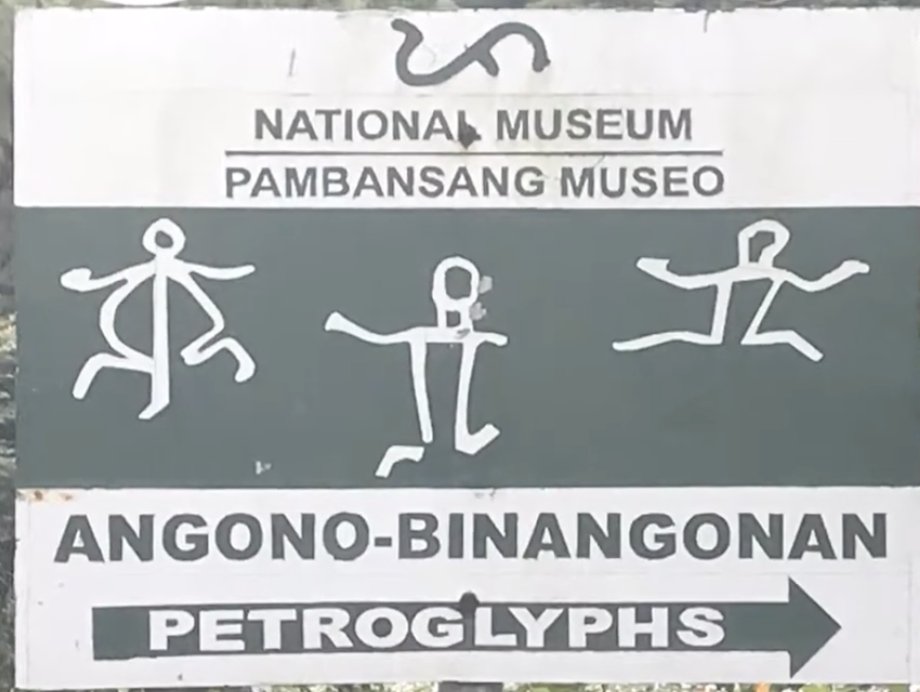
-
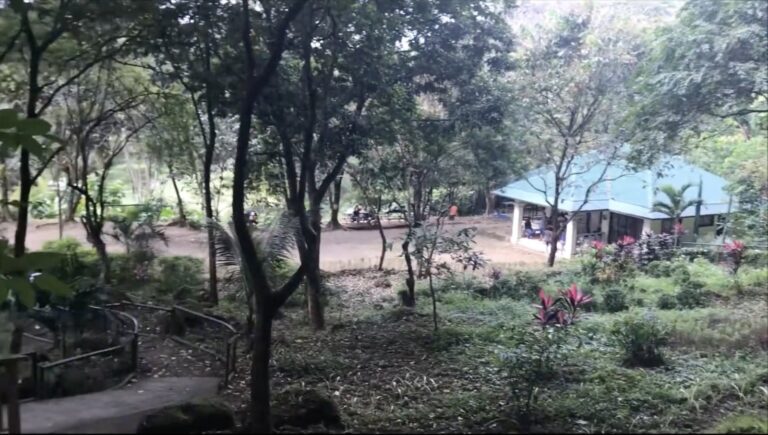
- The site grounds
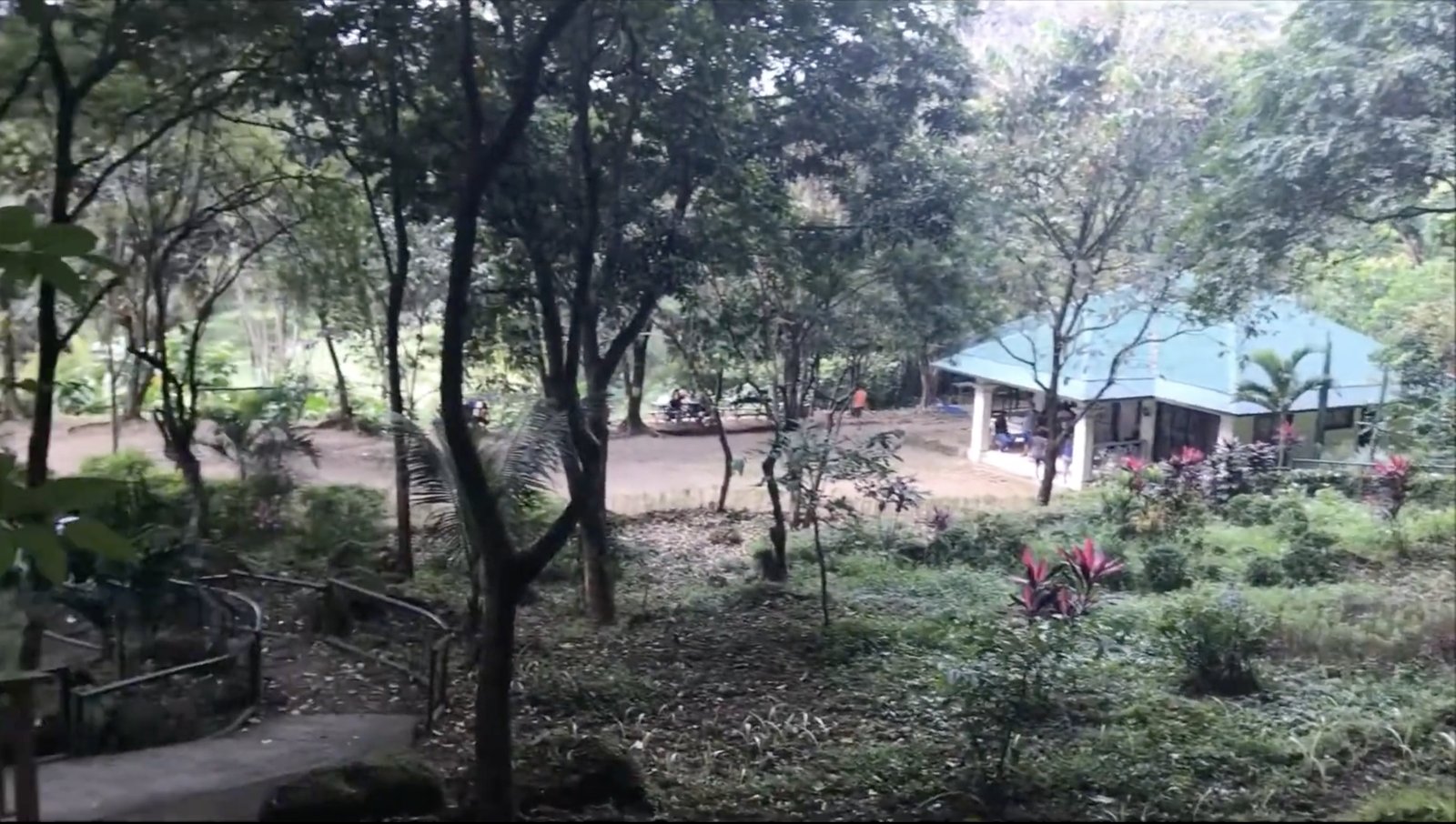
See the Ancient Rock Carvings
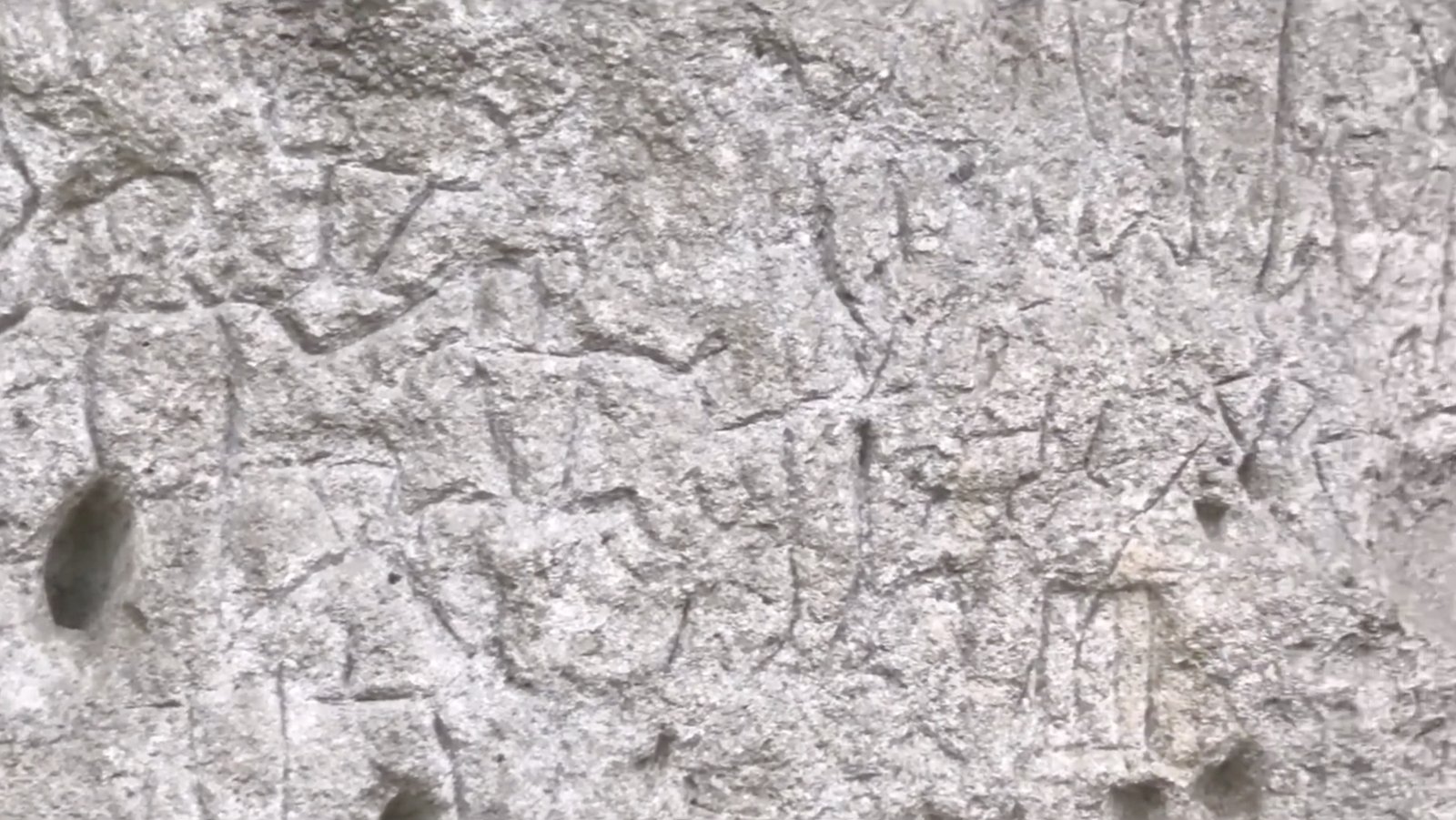
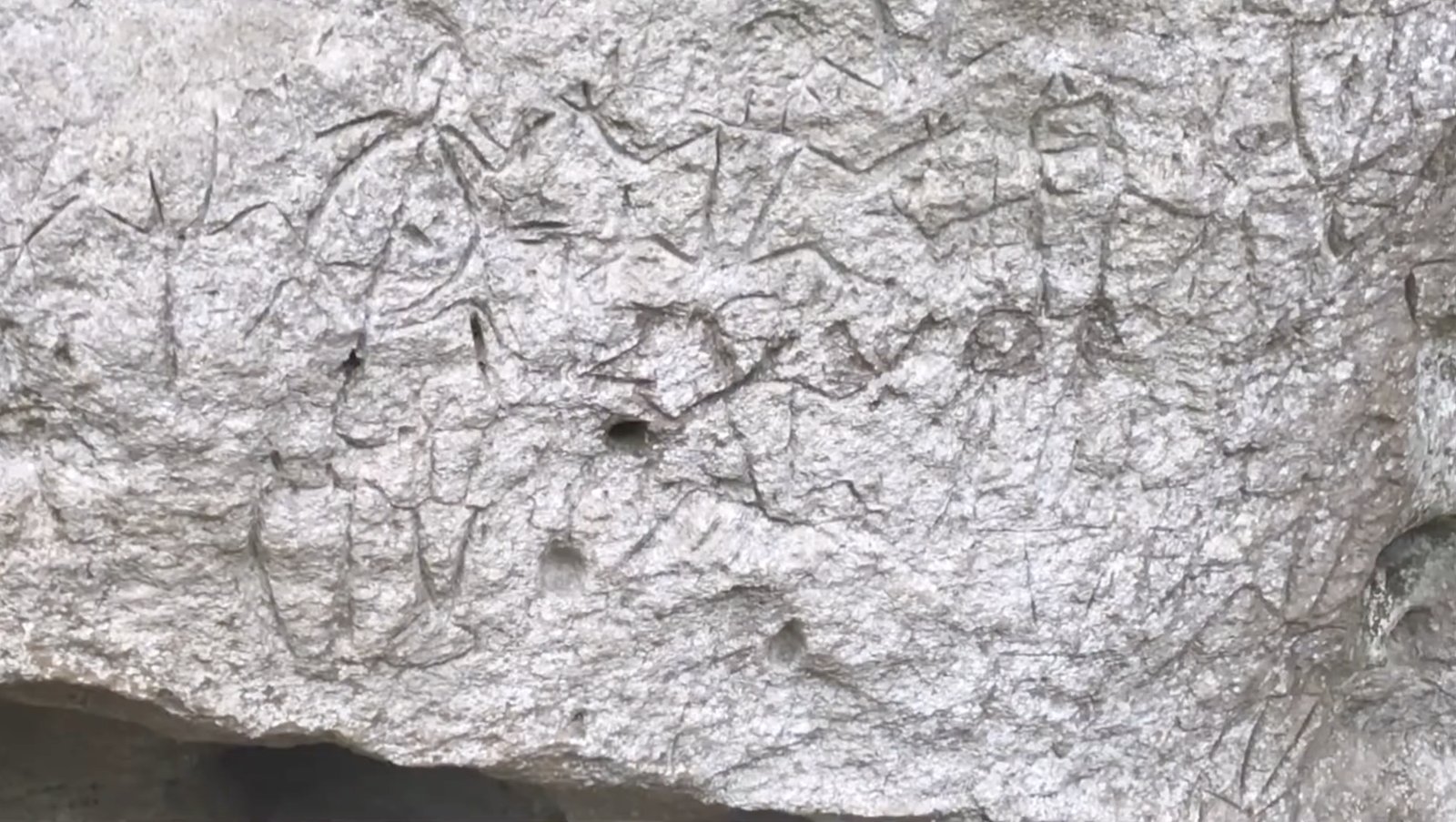
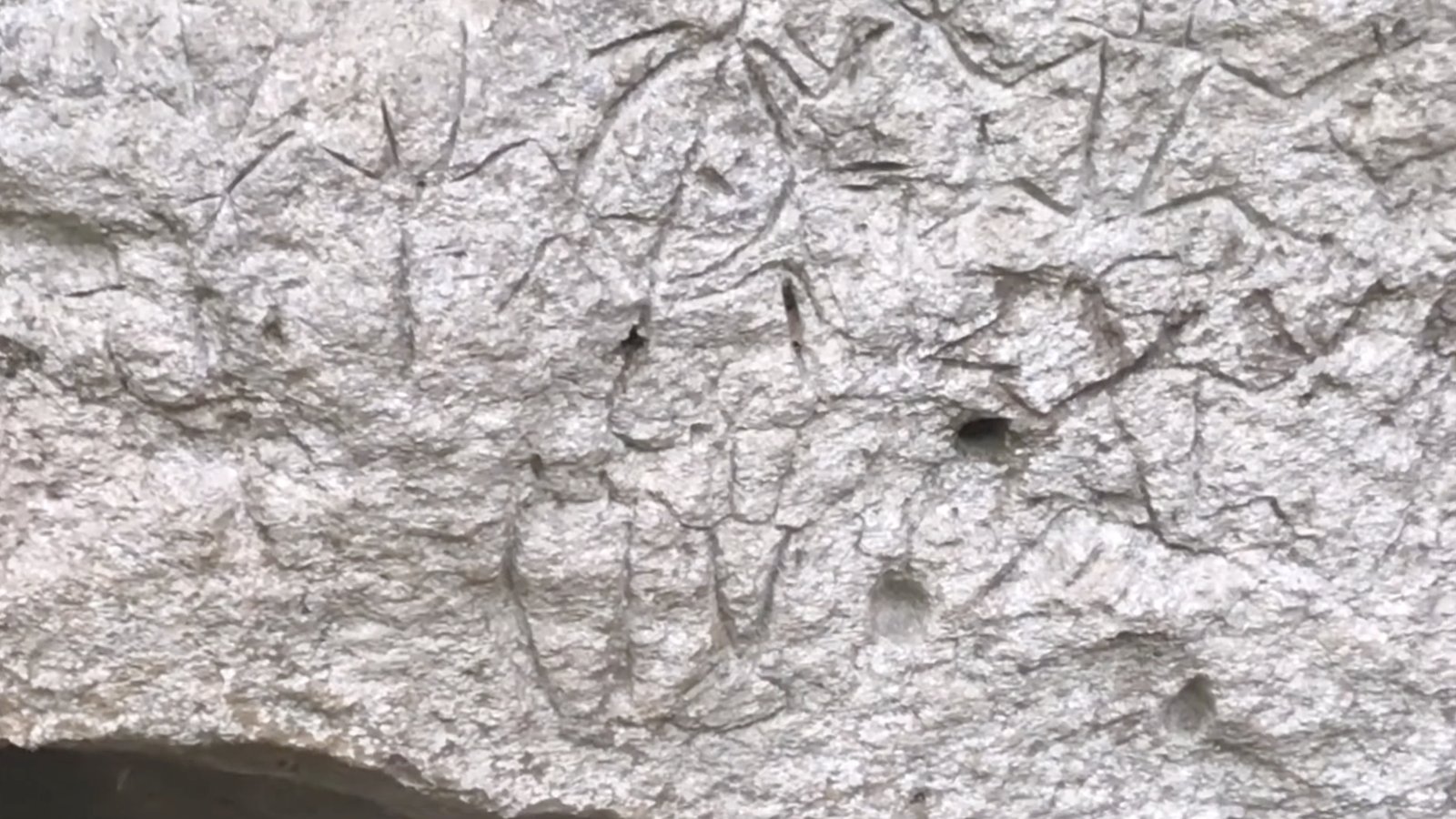
The main attraction is the collection of prehistoric figures carved into a rock shelter. The National Museum has documented 127 human and animal-like figures.
Unlike paintings, these figures are physically engraved into the rock. Some are quite faint, so you need to look carefully to make out their shapes.
The carvings are believed to date back to the late Neolithic era, or sometime before 2,000 BCE. However, their precise age and original meaning remain uncertain.
They were brought to the attention of the National Museum in 1965 by Filipino National Artist Carlos “Botong” Francisco. The site was subsequently declared a National Cultural Treasure in 1973.
-
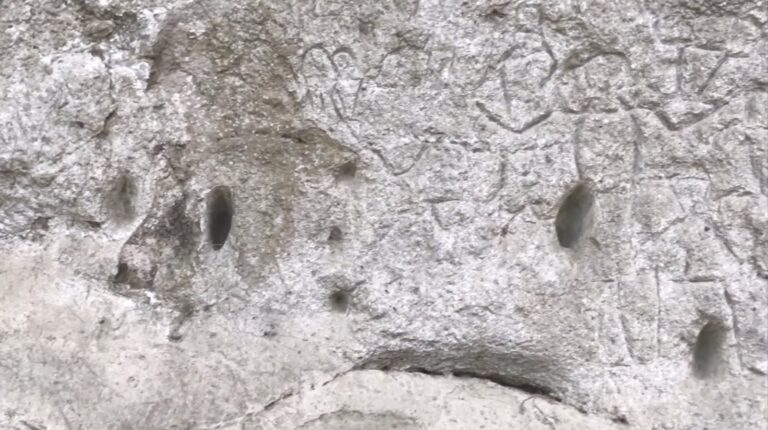
- The carvings
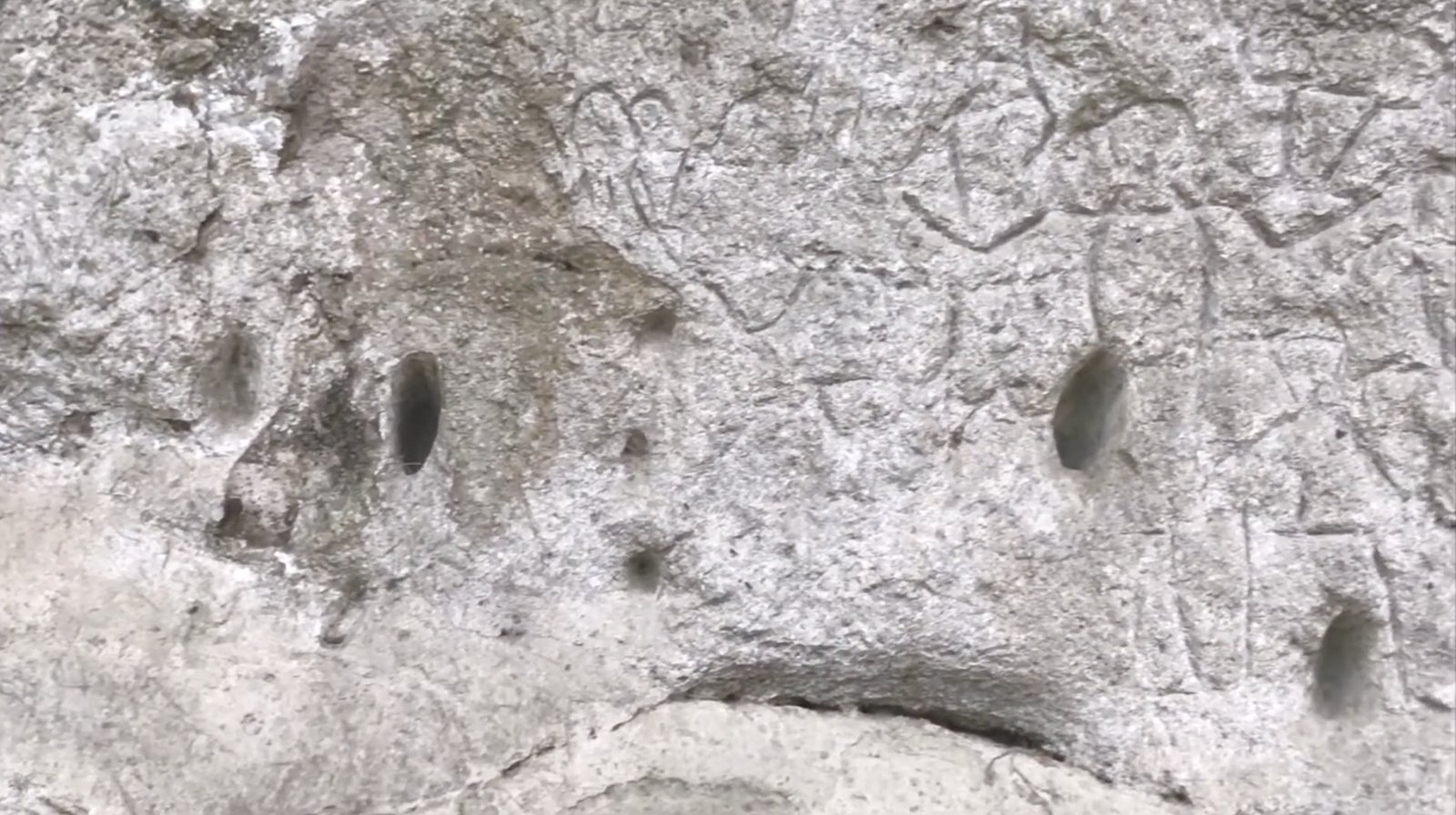
-
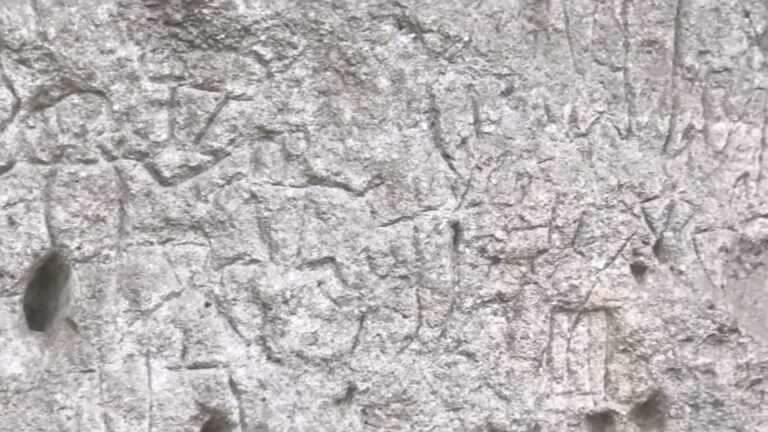
- Faint figures
-
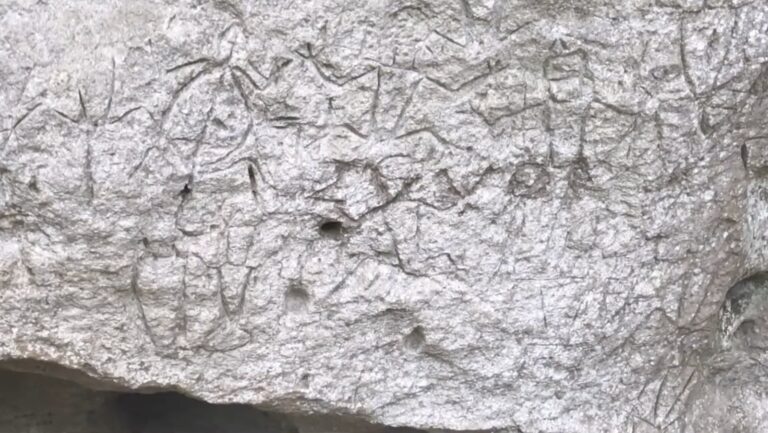
- Rock carvings
-
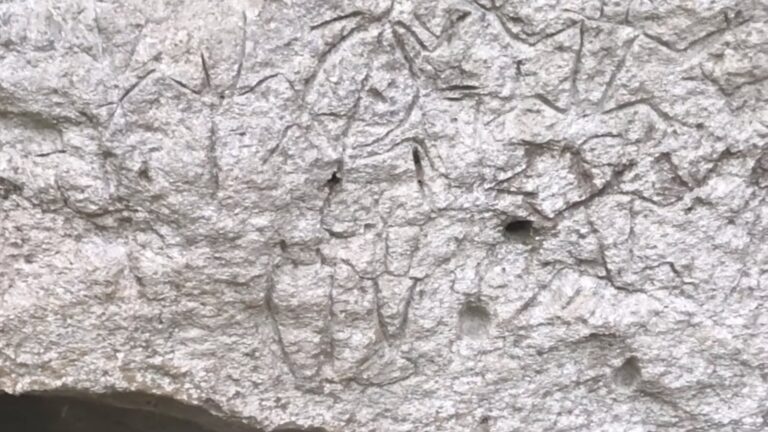
- Engraved figures
Explore the Site Museum and Viewing Platform
There’s a small pavilion or museum area containing information about the archaeological site and its historical significance.
There’s a raised viewing platform that lets you get a good look at the carvings without getting too close. This is a sensible setup because it stops people from touching or damaging the rock.
My Experience Visiting the Petroglyphs
When I visited in 2017, I was pleasantly surprised by how well organised the attraction was. It was relatively easy to find, parking wasn’t a problem, and the pathways and viewing areas were reasonably well maintained.
The tunnel was an unexpected part of the experience, and walking through it added a little interest before reaching the actual carvings.
As for the petroglyphs themselves, I found them slightly underwhelming visually.
Having seen examples of Australian Aboriginal rock art, I suppose I was expecting something a little more striking.
These carvings are much more subtle. There’s no colourful artwork or elaborate paintings. They’re simply figures engraved into the rock, and some are quite difficult to make out.
If you didn’t know they were there, you could almost walk straight past them. Having said that, I still found the experience fascinating.
When you think about human history and how different cultures have used drawings, carvings and symbols to express themselves, it’s pretty amazing that something created thousands of years ago can still be seen today.
I also appreciate the effort that’s gone into preserving the site. The viewing platform keeps visitors at a safe distance from the carvings, while still allowing people to appreciate this important part of Philippine history.
It’s good to see something like this being protected for future generations.
How Much Time Do You Need?
Allow approximately one hour for your visit.
You could probably check out the carvings themselves in 10 to 15 minutes, although I’d recommend allowing around 30 minutes to look closely at the different figures and appreciate their historical significance.
With the tunnel, information displays and a few photographs, an hour should be more than enough. There’s no real strenuous hiking involved, making it a relatively easy attraction to visit with the family.
How to Get There
The Angono-Binangonan Petroglyphs are located in Bilibiran, Binangonan, Rizal, near the boundary with Angono.
From Metro Manila: Driving is the easiest option. Depending on where you’re coming from, you can travel via Ortigas Avenue Extension and the Taytay-Angono area, then follow the roads towards the Eastridge development and the petroglyphs site.
Allow approximately 1.5 to 2.5 hours from central Metro Manila, depending on traffic and your departure point.
By public transport: Take a bus or jeepney towards Angono, then arrange a tricycle or local transport to the archaeological site. Confirm the fare and whether the driver can take you all the way to the entrance before setting off.
Once you reach the parking area, you’ll need to walk through the tunnel to access the site.
Good to Know Before You Go
- Allow around one hour to explore the site without rushing.
- Wear comfortable footwear, as some pathways can be rocky or uneven.
- The carvings are faint, so take your time examining the rock wall.
- Don’t touch the carvings or cross the protective barriers.
- Check current opening hours before travelling, particularly on public holidays.
Dezza’s Tip
The Angono-Binangonan Petroglyphs are historically fascinating, although there’s not a huge amount to see.
If you’re travelling from Manila, it’s a fair way to go for an attraction that only takes about an hour to explore.
I’d recommend combining your visit with a trip to Antipolo, where you can check out Pinto Art Museum, Hinulugang Taktak or even Escalon Falls.
That way, you can make a proper day trip out of it rather than driving all the way to Rizal just to see the petroglyphs.
You Might Also Like
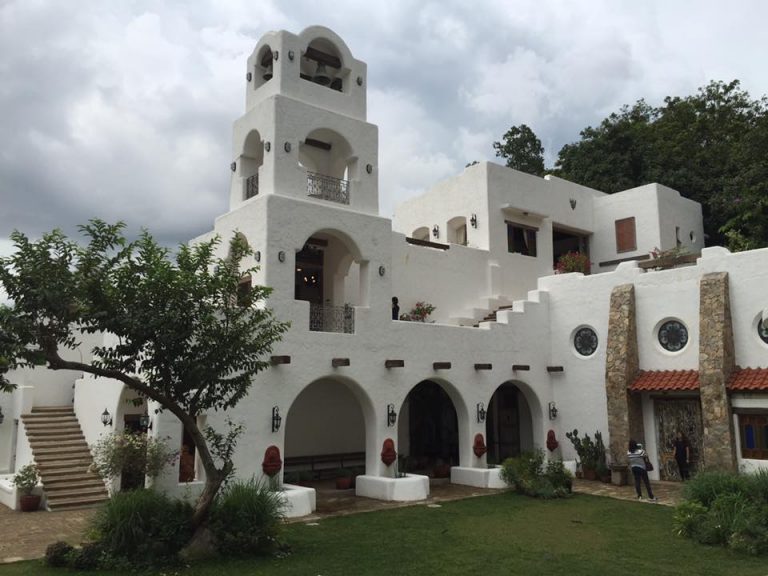 AntipoloThe hilltop city above Manila, known for its churches and art.
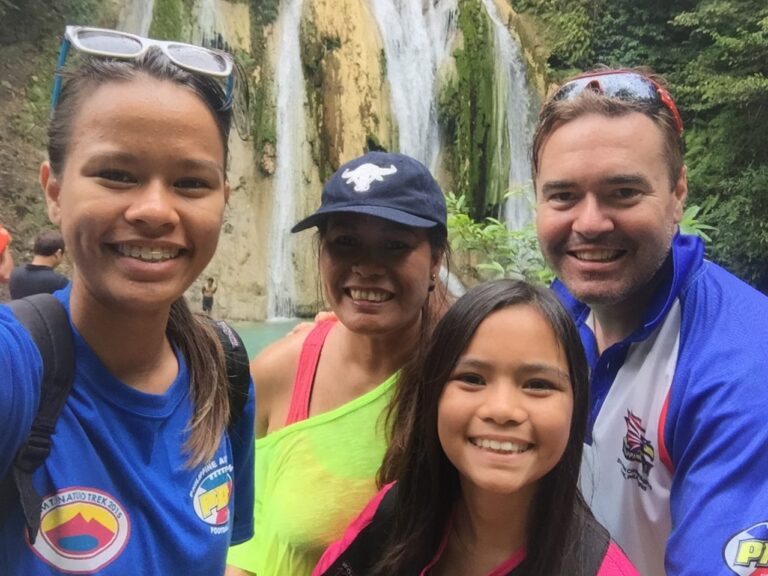 Daranak FallsA popular Tanay waterfall with cool, refreshing pools.
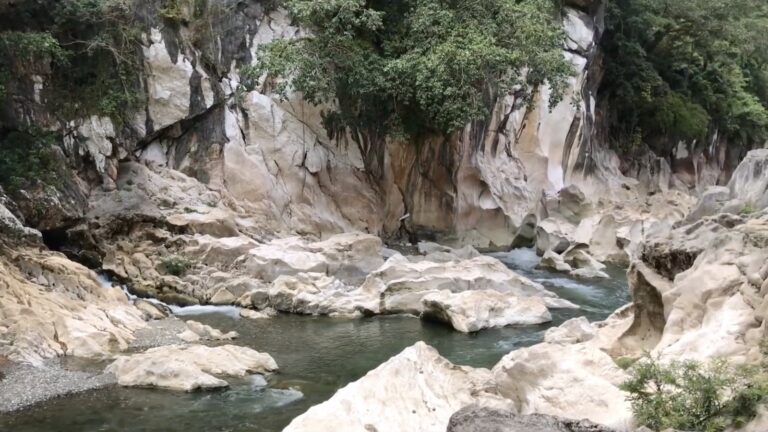 Tinipak RiverClear river water beneath towering limestone cliffs.
 Calinawan CaveAn underground cave tucked into the Tanay forest.