


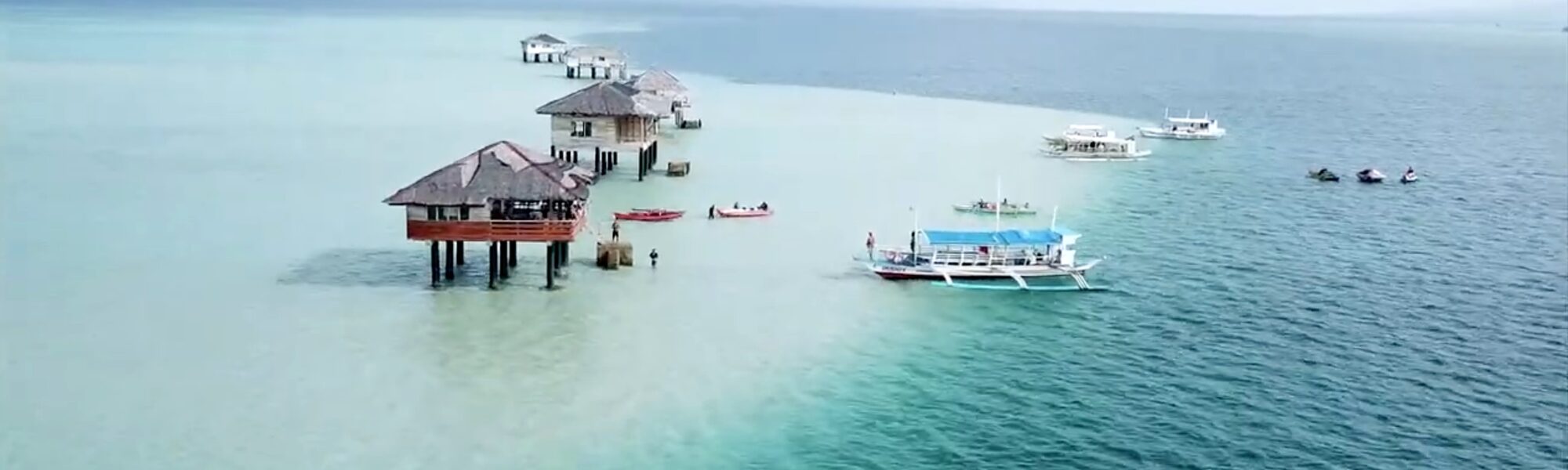
Manjuyod Sandbar, Negros Oriental: The Maldives of the Philippines?
I’d seen photos of Manjuyod Sandbar before visiting, and it looked absolutely EPIC. Beautiful white sand, turquoise water and little cottages perched on stilts in the middle of the ocean. It reminded me of the Maldives, and I thought, I’ve got to check this place out!
Manjuyod Sandbar is in North Bais Bay in Negros Oriental, about an hour and a half by air from Manila to Dumaguete, then roughly an hour and a half by road to Bais, where most boats depart.
So, during a trip to Negros Oriental in July 2019, I decided to head up from Dumaguete and see it for myself. What I hadn’t properly considered was the tide.
When I arrived, there was no sandbar to be seen. It was completely underwater! Fortunately, the boatmen explained to me ahead of time that we’d need to wait a while for the tide to go out.
What followed was a day of dolphin watching, a few beers with the boatmen and a few hours waiting for the sandbar to appear.
Was it worth it? Absolutely. However, there’s a bit of planning involved if you want to see Manjuyod at its best.
Check The Tide First
This is the most important thing on this page. The sandbar only shows at low tide, and low tide changes every day. Check the predicted tides before you book, or you could spend hours waiting like I did.
Best Time to Visit Manjuyod Sandbar
There are two things to consider when planning your visit: the time of year and the tides.
Best time of year
March to May is my recommendation if you’re after sunny skies, clearer water and generally favourable conditions for boat trips.
December to February can also be suitable, although northeast monsoon winds may make the sea choppier on some days.
June to November is generally wetter, with a greater chance of overcast skies, rough seas and disrupted boat trips.
I visited in July, right in the middle of the wet season. Fortunately, the weather wasn’t too bad, although it was mostly overcast.
That made walking around reasonably comfortable, but it wasn’t ideal for photography. The water didn’t have that brilliant turquoise colour I’d seen in photos, and the sand didn’t look quite as white either.
If you’re hoping for those postcard-perfect views, sunshine makes a big difference.
Why the tides matter even more
Here’s something I wish I’d properly understood before visiting.
Manjuyod Sandbar is several kilometres long, but much of it disappears underwater at high tide.
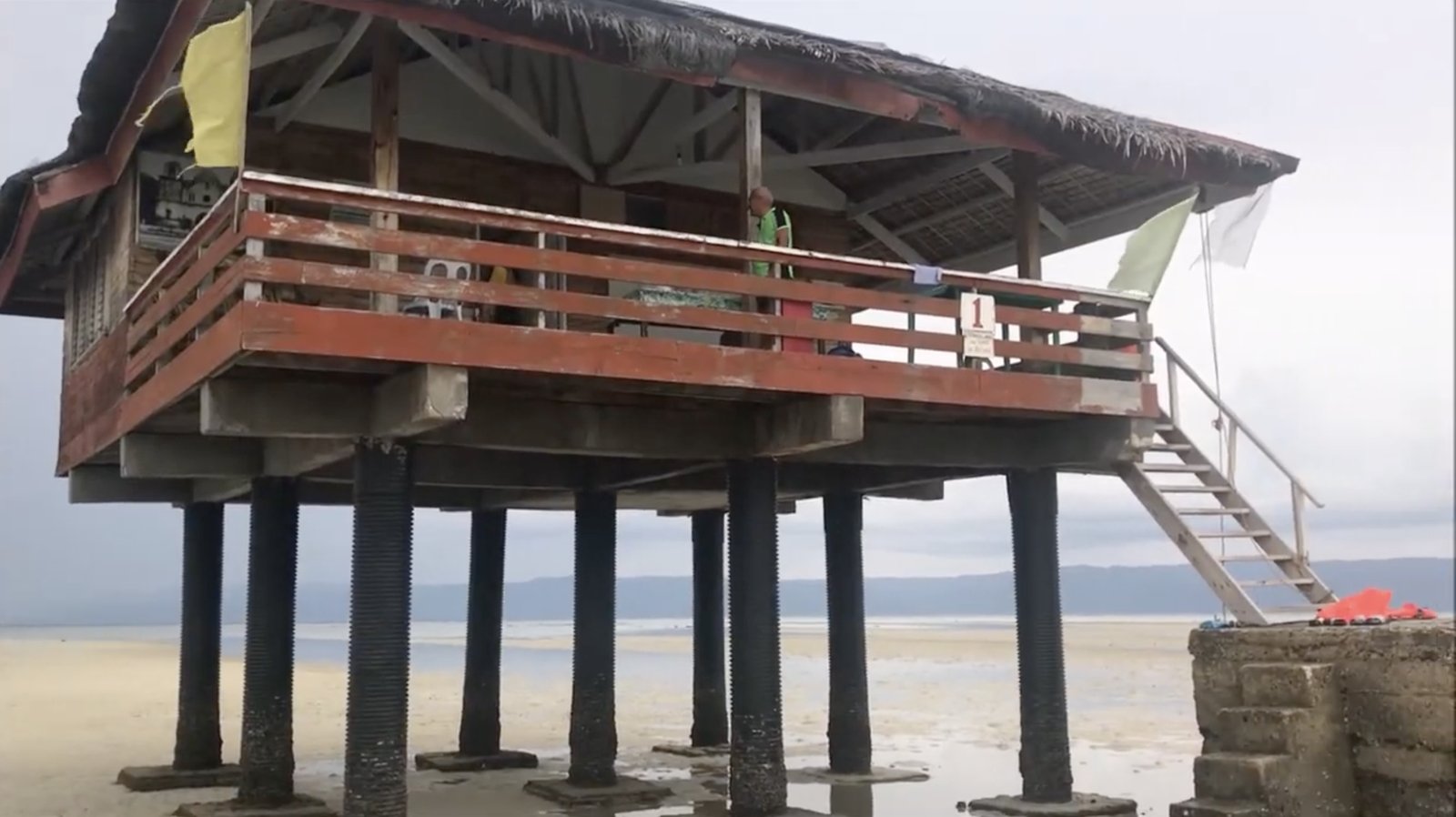
When the tide goes out, an enormous stretch of sand gradually emerges, surrounded by shallow water.
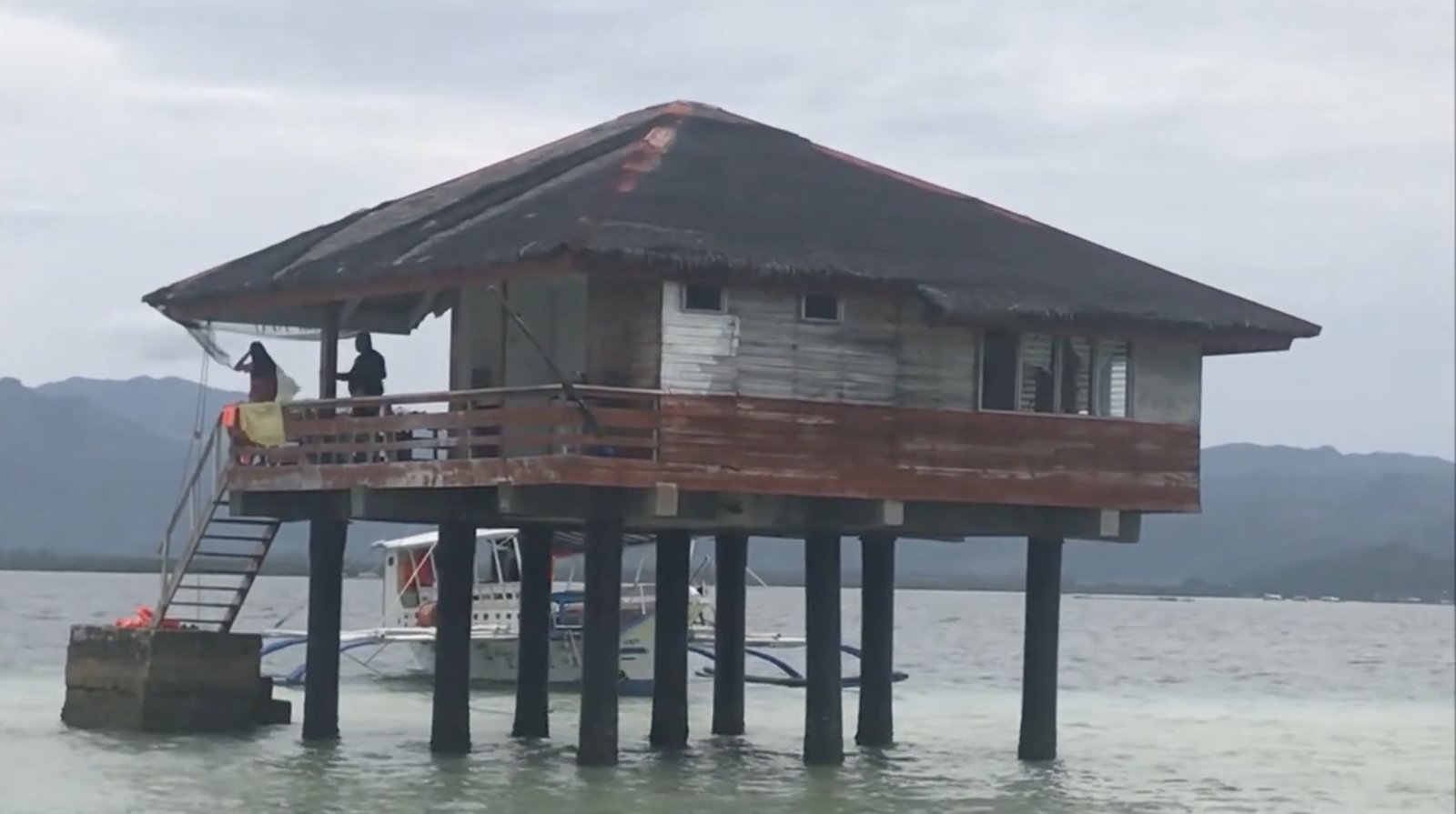
When the tide comes in, the sand disappears and the cottages appear to be standing in the middle of the sea.
Both are interesting sights, but they’re completely different experiences.
-
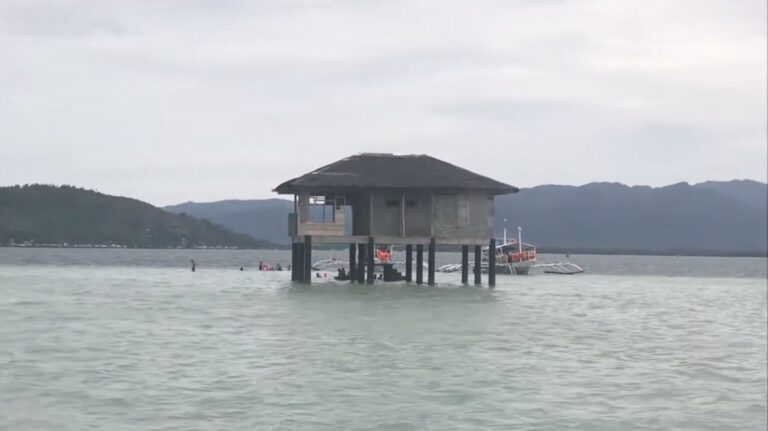
- High tide
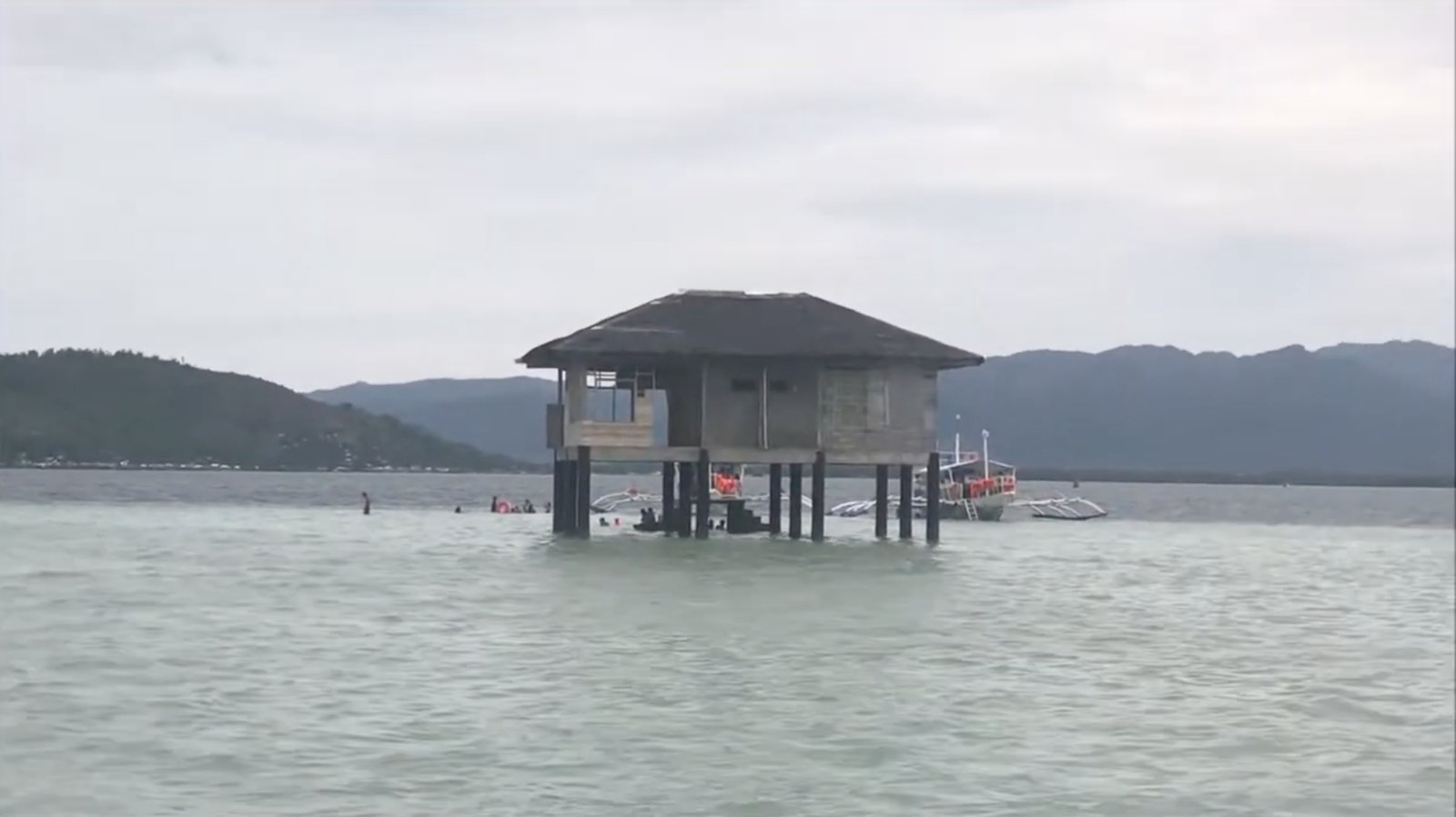
-
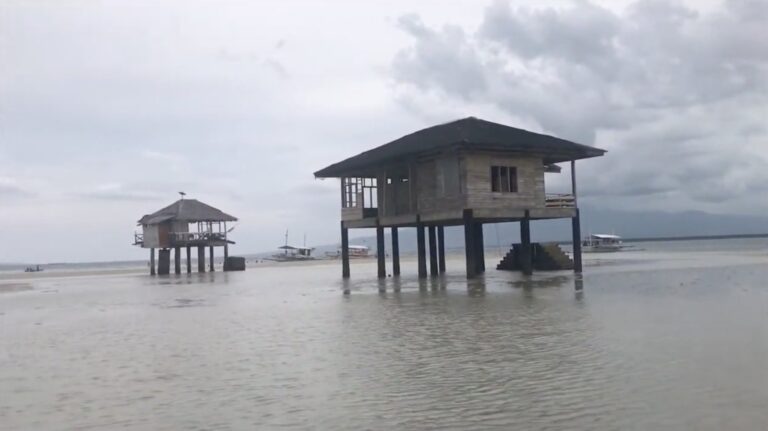
- Low tide
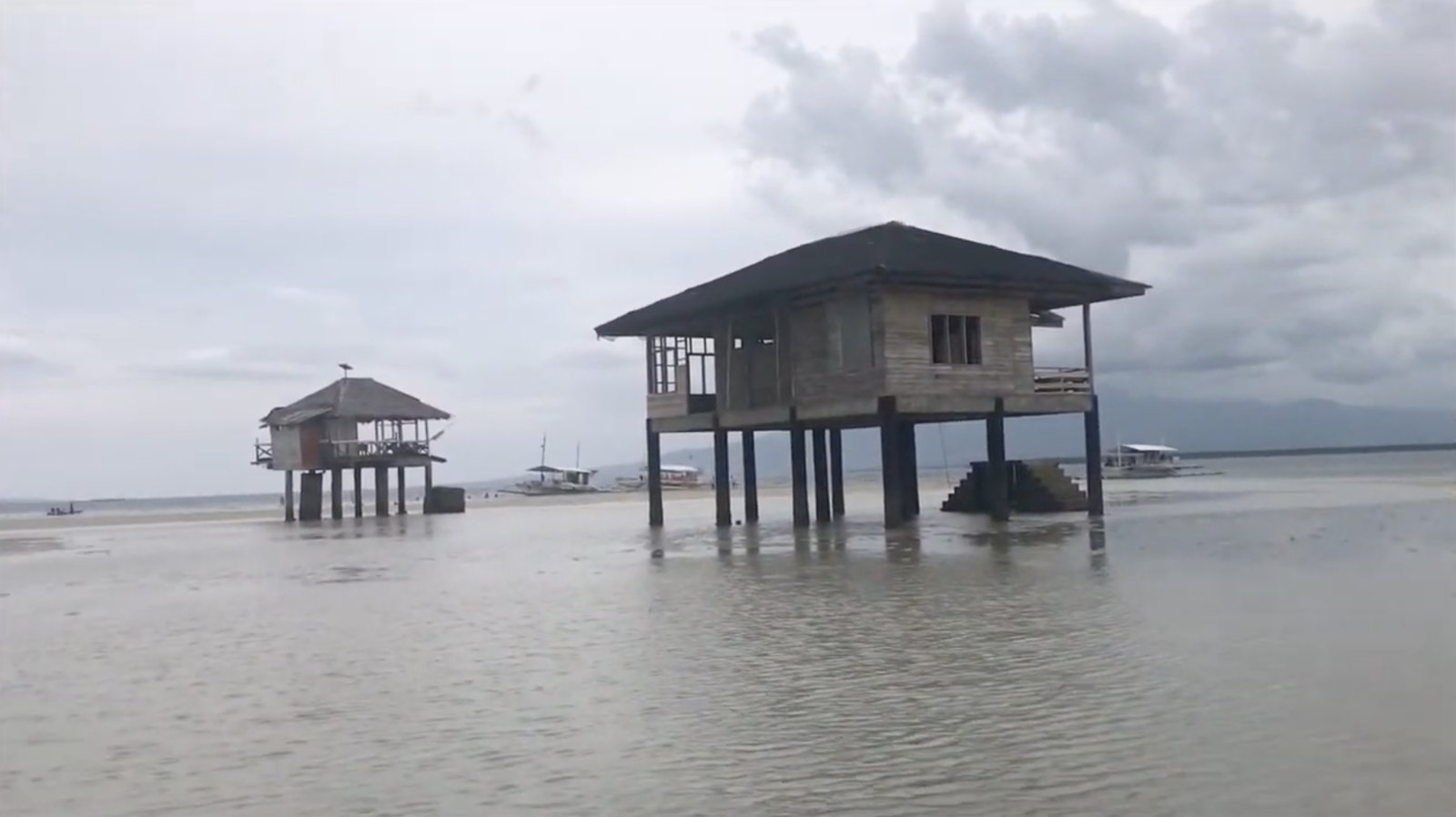
And here’s the important bit: low tide doesn’t happen at the same time every day. On my visit, the sandbar became exposed during the afternoon. That doesn’t mean you should arrive at 3 pm expecting the same thing.
My recommendation: Check the predicted low tide for Bais or North Bais Bay before booking. Ideally, choose a day when low tide falls in the morning or late morning so you can combine the sandbar with dolphin watching without spending hours waiting.
Dolphin Watching in the Tañon Strait
Dolphin watching wasn’t actually the reason I went to Manjuyod, but it turned out to be one of the highlights of the day.
After getting a boat sorted out in Bais, we headed out into the Tañon Strait, the stretch of water separating Negros and Cebu.
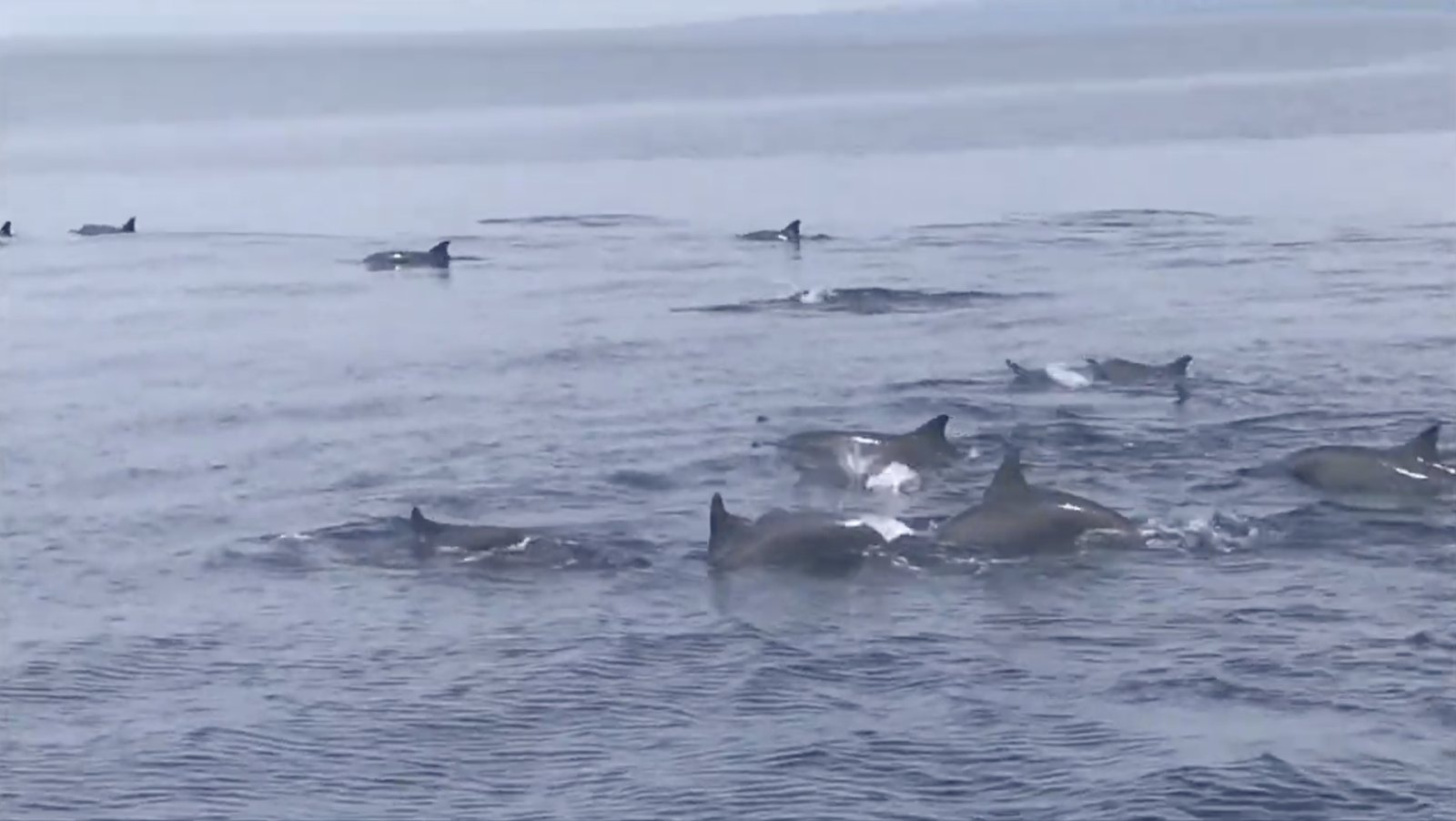
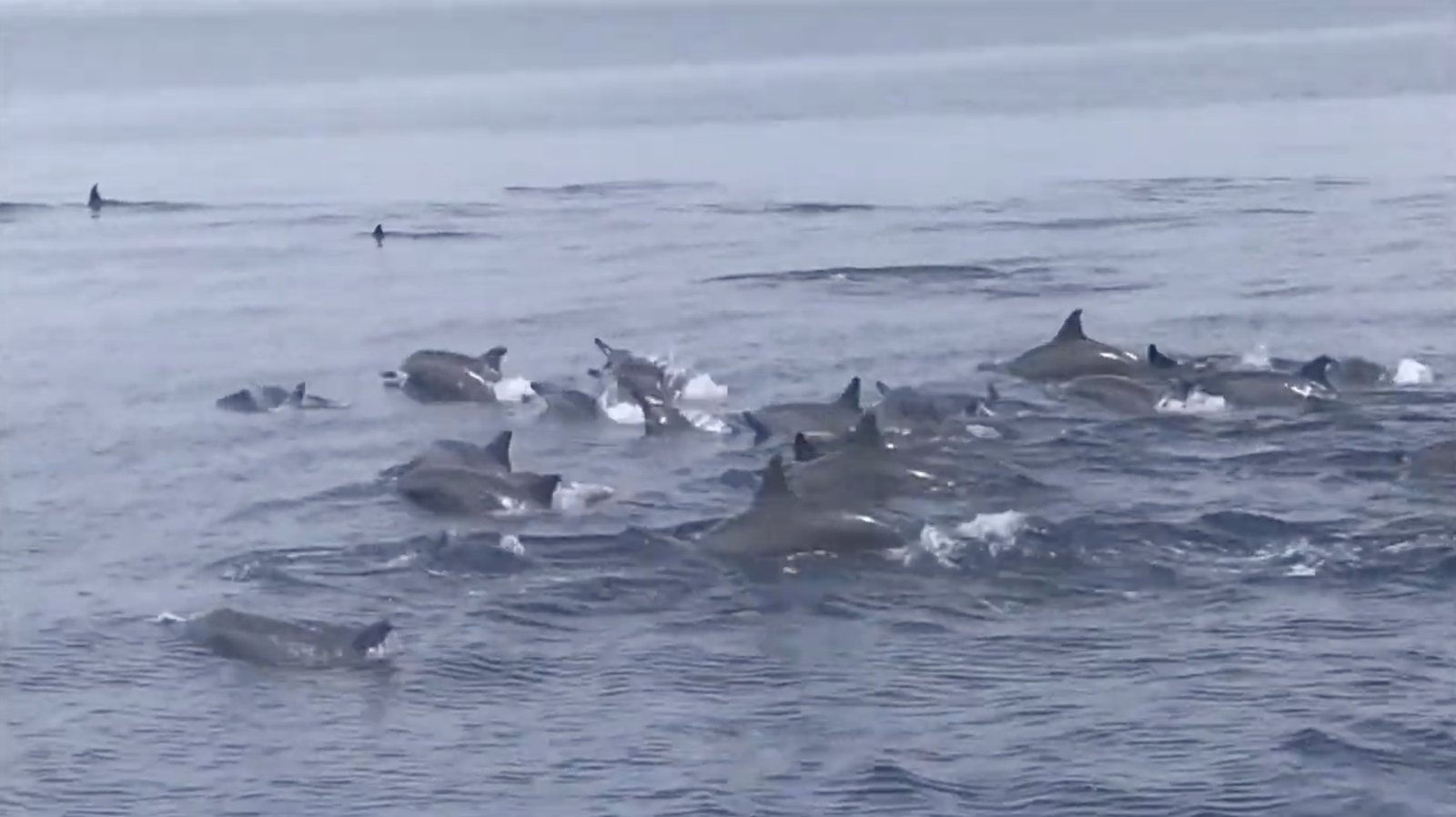
We came across a couple of dozen dolphins swimming around in small pods, occasionally jumping out of the water and getting quite close to the boat.
It was truly amazing, and easily one of the better dolphin-watching experiences I’ve had in the Philippines.
-
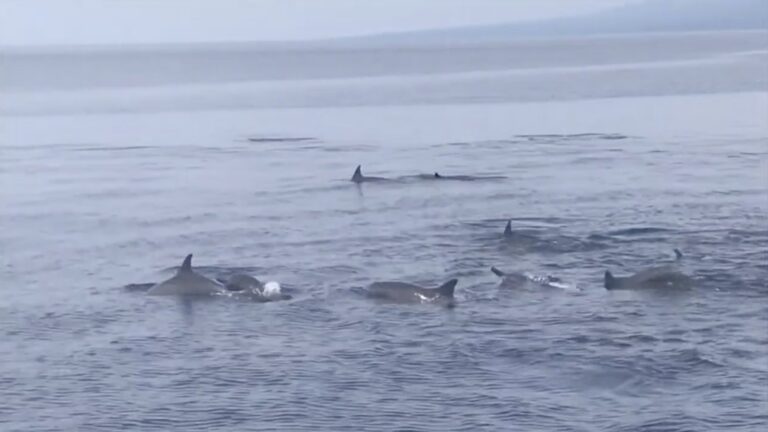
- Dolphins in the Tañon Strait
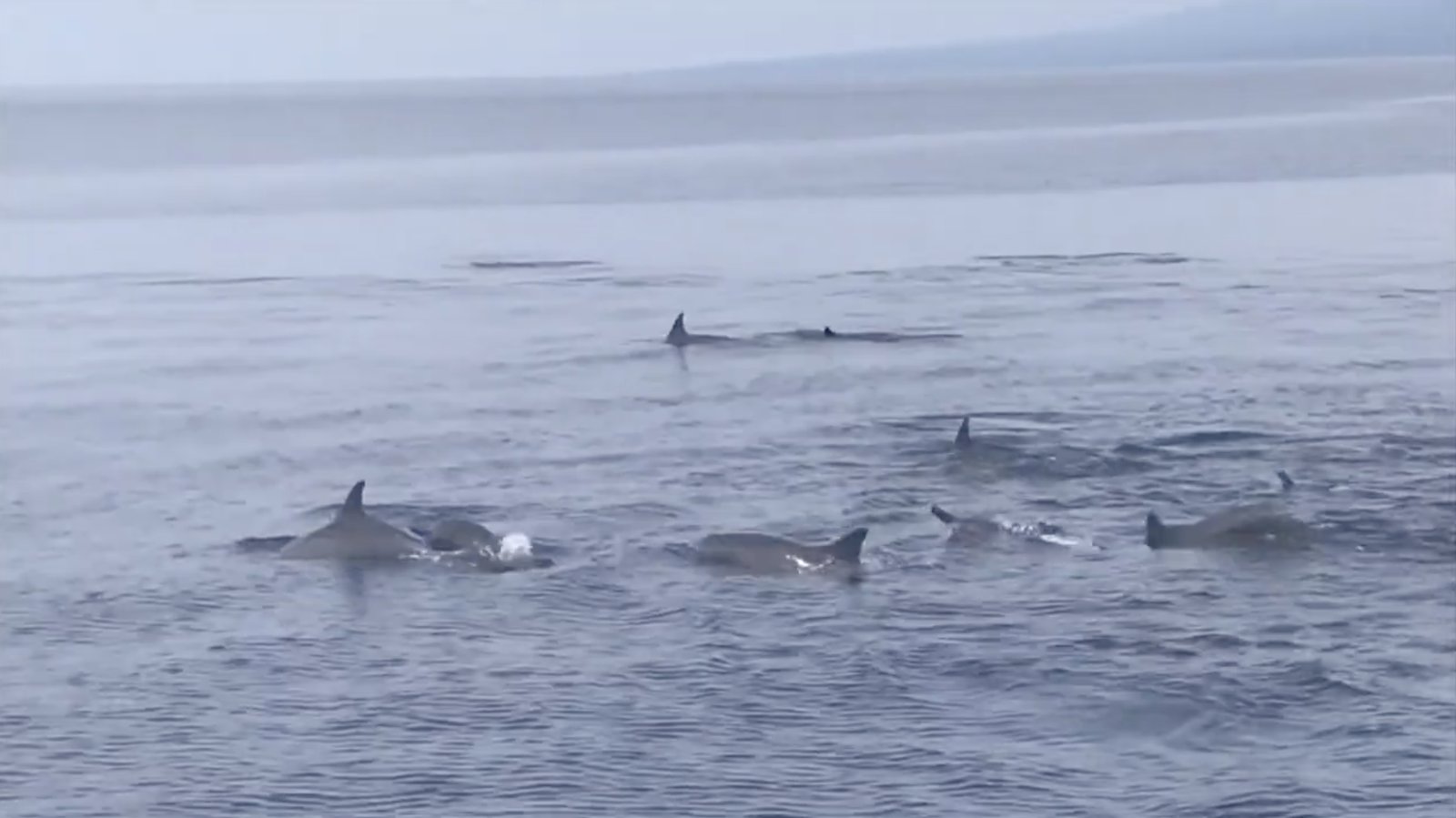
-
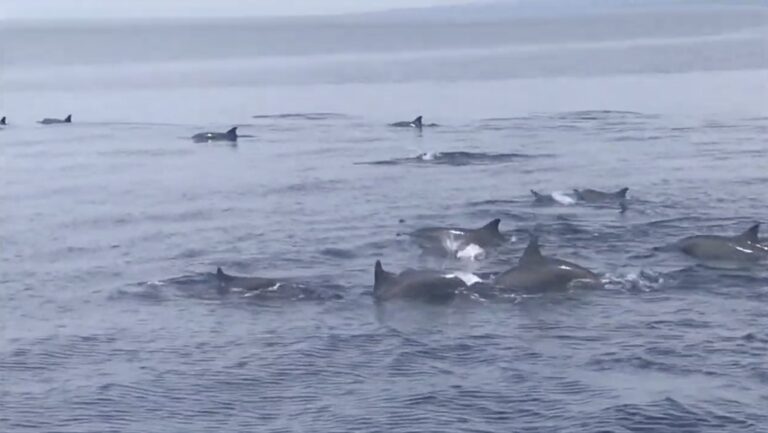
- Dolphins in the Tañon Strait
-
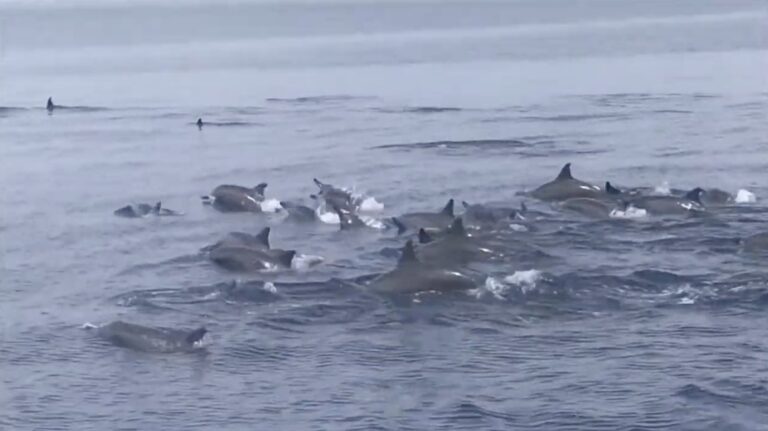
- Dolphins in the Tañon Strait
-
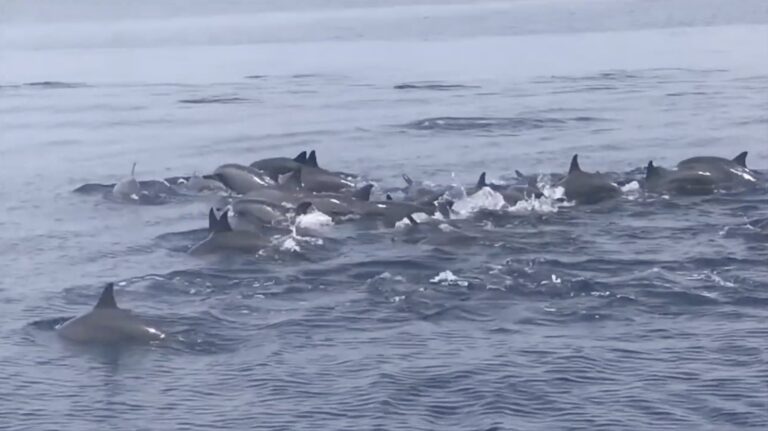
- Dolphins in the Tañon Strait
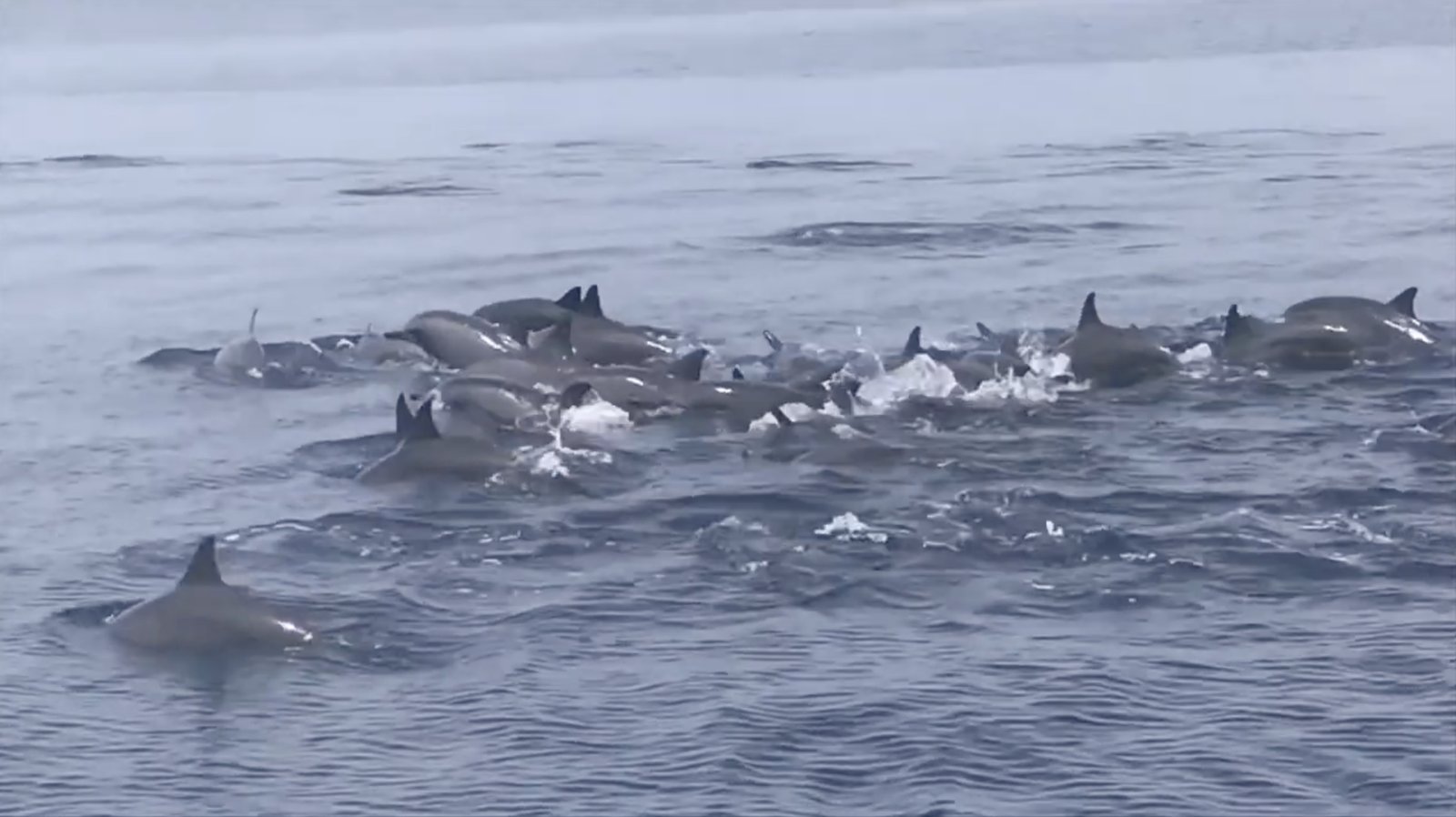
When is the best time to see dolphins?
Early morning is generally recommended, particularly because the sea is often calmer.
Dolphins can be seen throughout the year, although sightings are never guaranteed. Local tour operators also advertise March to October as a favourable dolphin-watching season.
Most organised tours combine dolphin watching with a visit to Manjuyod Sandbar. It’s a good combination, especially if the tides work in your favour.
Just remember, these are wild dolphins. Enjoy watching them from the boat and avoid operators who chase or crowd them.
Watching the Sandbar Appear
After dolphin watching, we headed towards the sandbar. Unfortunately, the tide was still in, so there wasn’t much to see apart from the cottages standing above the water.
The boatmen explained we’d need to wait a while longer. So that’s exactly what we did.
There were people paddling around in small boats selling drinks and snacks, so I bought a few beers for the boatmen, and we sat around having a drink and a chat while waiting for the tide.
We also checked out whatever parts of the area were accessible. I won’t pretend the waiting wasn’t a little frustrating. I’d travelled all the way from Dumaguete specifically to see the sandbar, and I wasn’t leaving without seeing it!
-

- Waiting on the tide
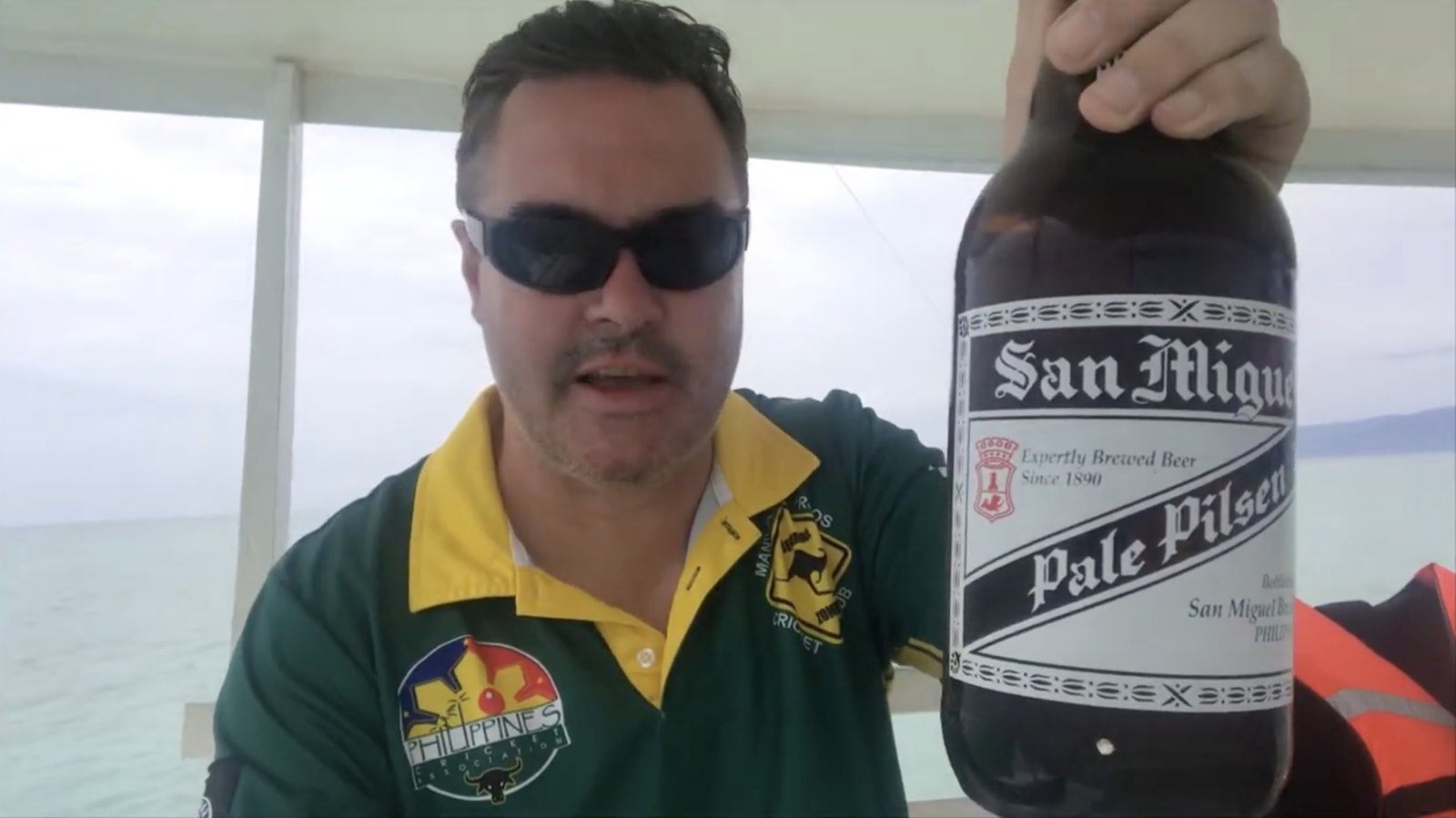
-
- Tide going out
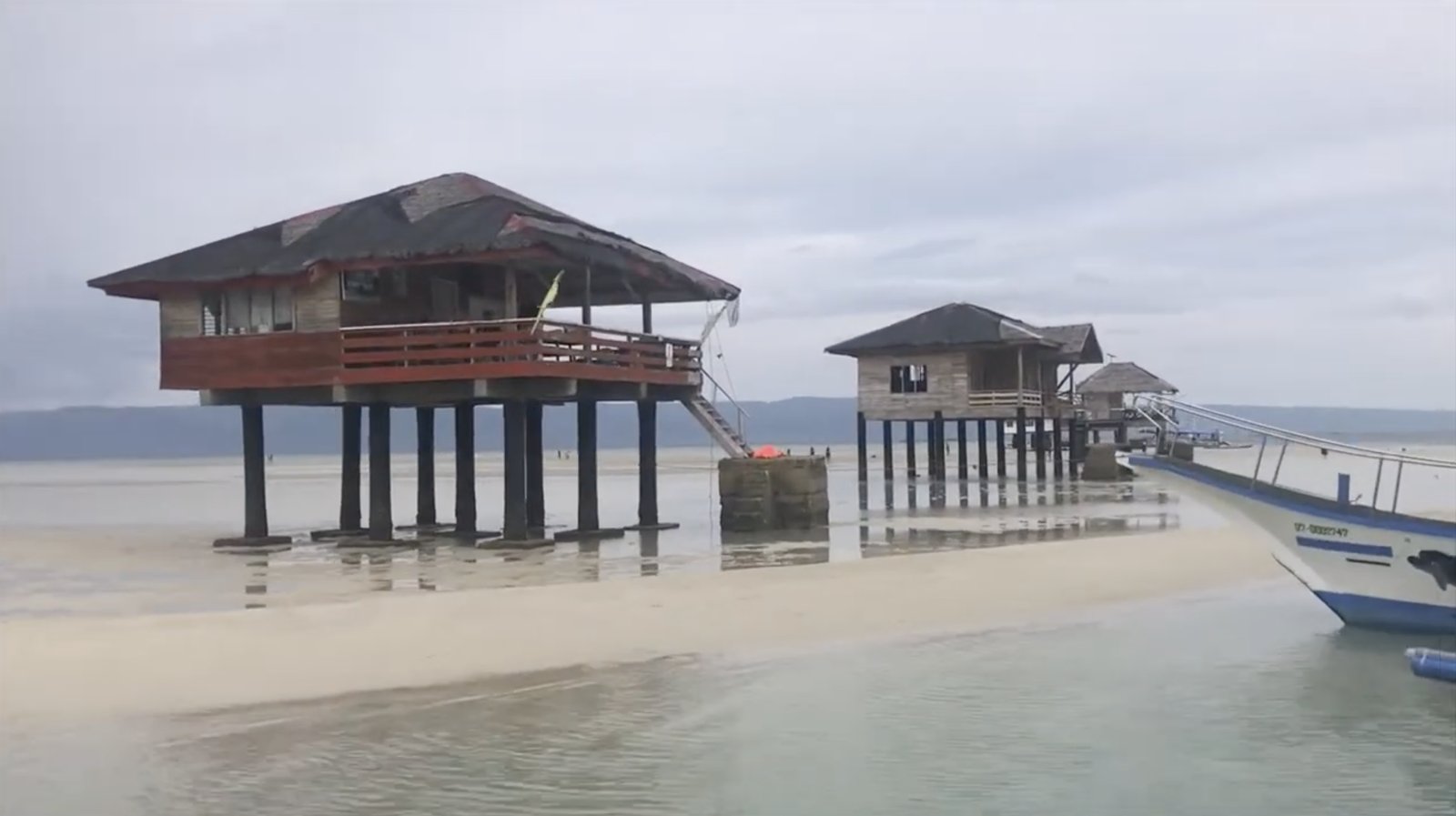
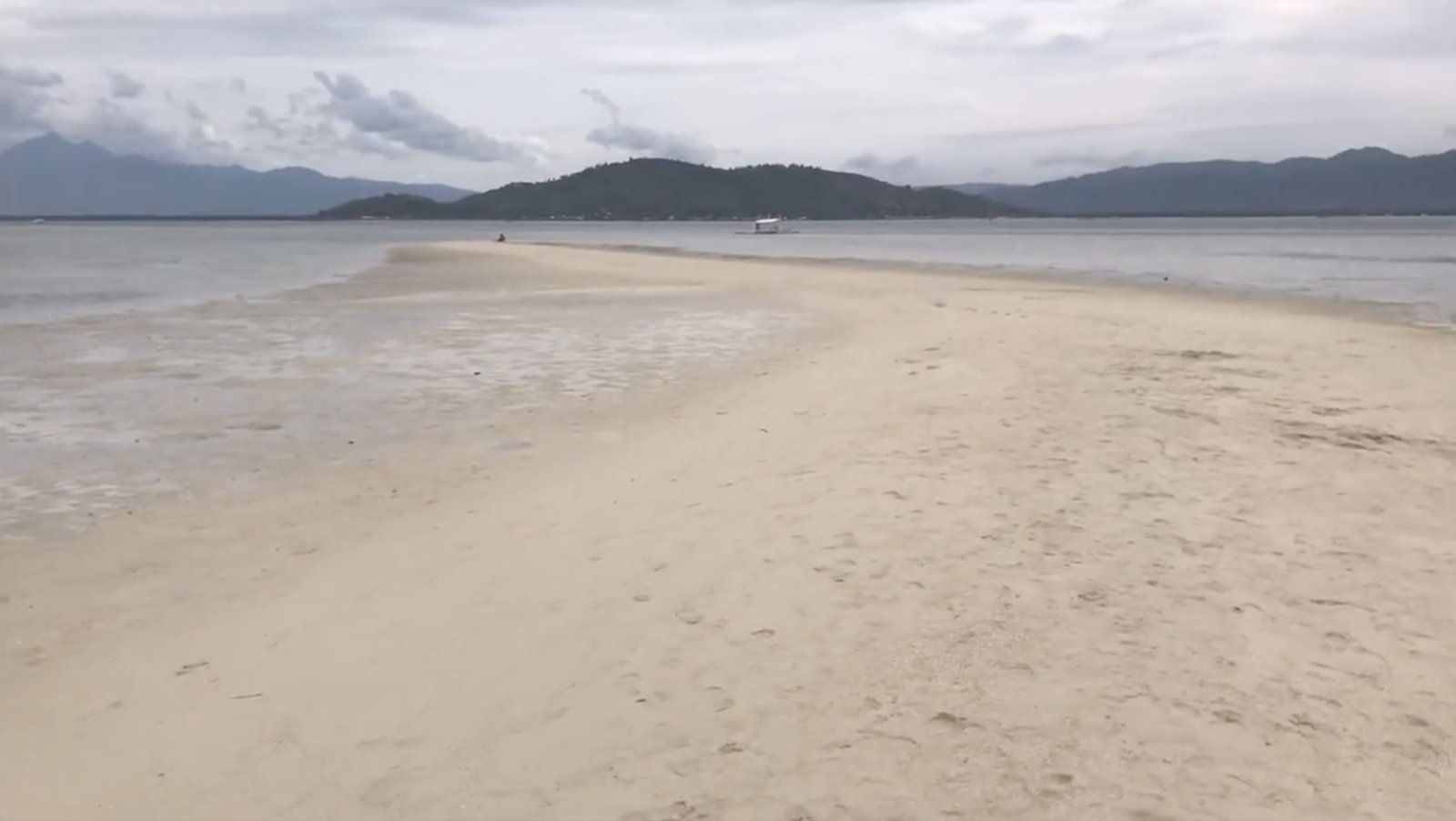
Eventually, the water started dropping, and this was the remarkable part. What had been completely underwater earlier in the day suddenly began turning into this enormous stretch of exposed sand.
It seemed to happen surprisingly quickly. Before long, we were walking around on the sandbar, with people hundreds of metres away standing in ankle-deep or knee-deep water.
The sheer size of it was what impressed me most. I’d expected something perhaps 500 metres or a kilometre long. I hadn’t realised just how extensive it was.
Was it as spectacular as the photographs I’d seen? Not quite. The overcast weather probably didn’t help, and the sand wasn’t quite as brilliantly white as I’d imagined. Still, standing out there surrounded by the ocean was an amazing experience.
-
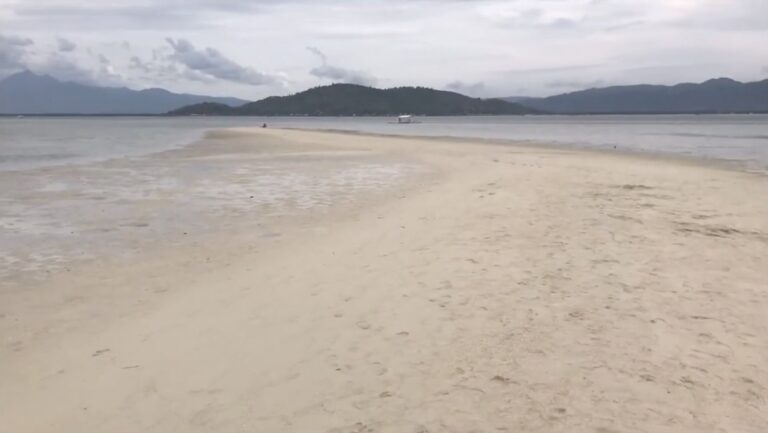
- The sandbar appears
-
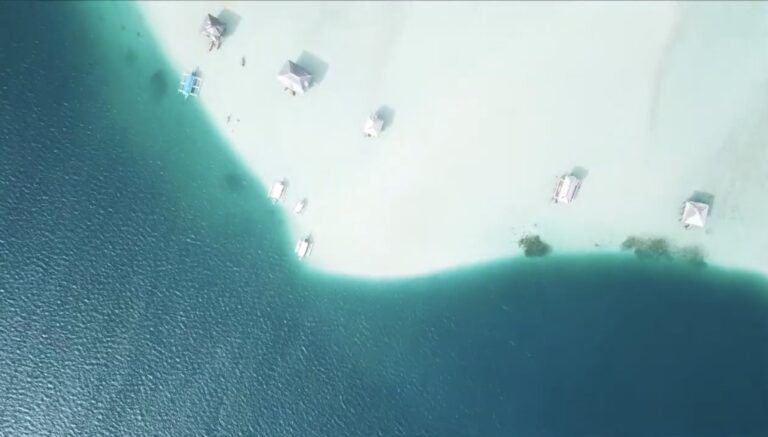
- From above
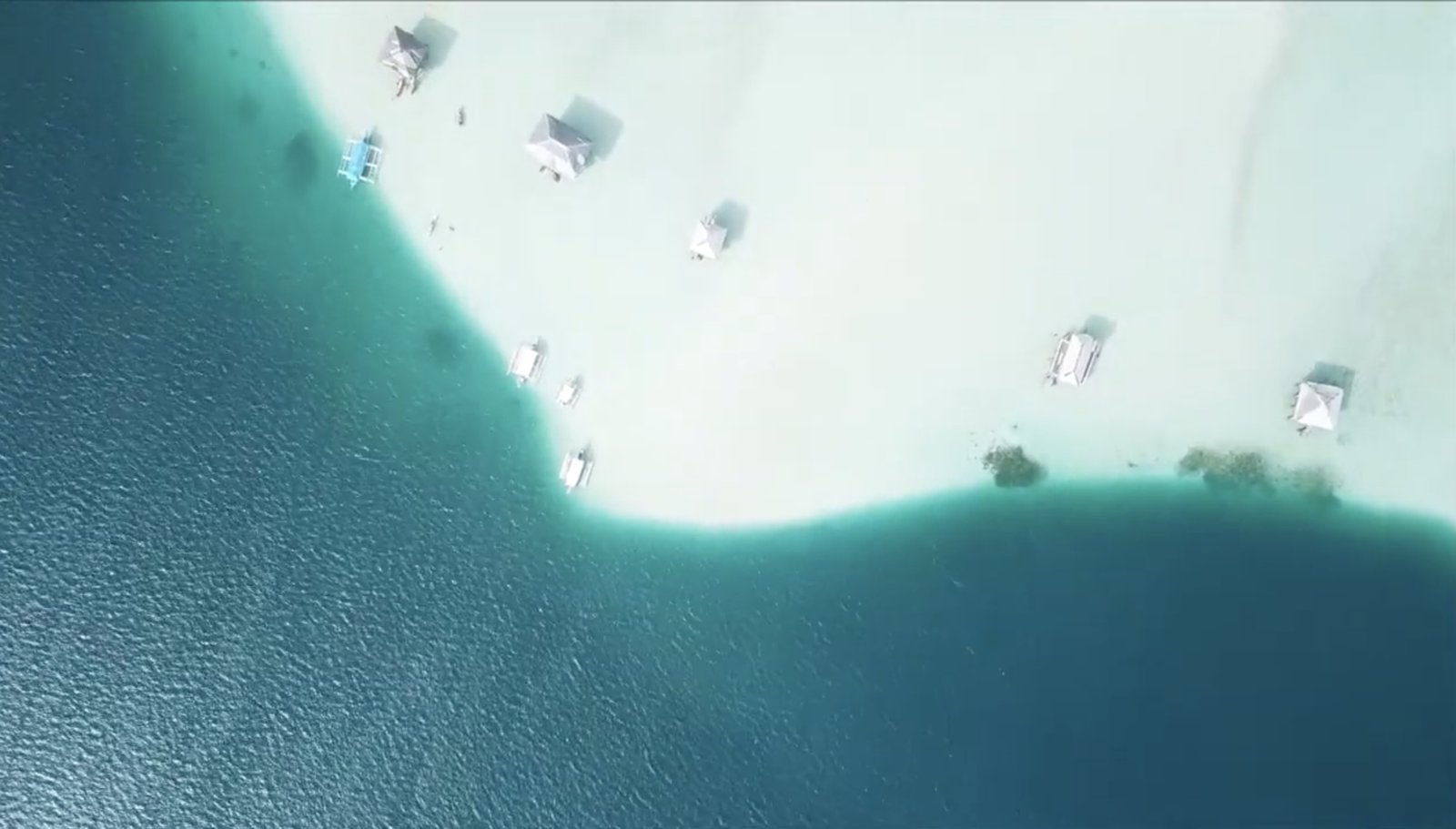
The Cottages at Manjuyod Sandbar
One of the most recognisable features of Manjuyod is the collection of cottages built on stilts above the sandbar.
From a distance, they look fantastic, particularly when the tide is in and they appear to be floating above the ocean.
During my visit, a local government employee kindly allowed me to have a look inside one of the cottages. And I have to say, I wasn’t particularly impressed.
The accommodation was extremely basic. The bathroom facilities were poor, and there wasn’t much in the way of a proper kitchen or comfortable sleeping arrangements.
Admittedly, this was back in 2019, so things may have improved since then. I could certainly see the appeal of sitting on the balcony with a cold beer, enjoying the sea breeze and looking out over the water.
As for spending the night there? Personally, based on what I saw, I’d give it a miss. The cottages are great for photographs, but I’d recommend checking their current condition and facilities carefully before booking an overnight stay.
-
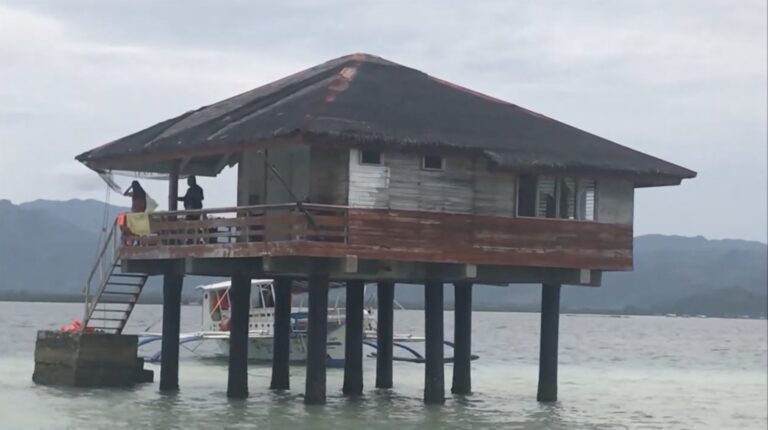
- Cottage at high tide
-
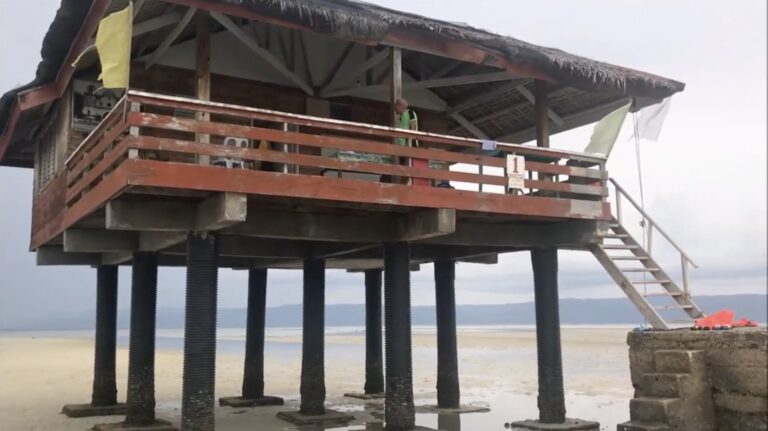
- Cottage at low tide
How Many Days Do You Need?
You only need a day to visit Manjuyod Sandbar, including dolphin watching. However, depending on the tides, you may need to allow considerably more time than expected.
I’d recommend setting aside a full day rather than trying to squeeze it into a tight schedule. There’s no real need to stay overnight at the sandbar itself. Dumaguete makes a much more practical base.
How to Get to Manjuyod Sandbar
Manjuyod Sandbar is located in North Bais Bay, off the coast of Negros Oriental. Although the sandbar belongs geographically to Manjuyod municipality, most visitors depart by boat from nearby Bais City.
From Dumaguete
Dumaguete is the most convenient starting point.
You have two main options:
- Organised tour: Book a dolphin-watching and sandbar package, usually including transport from Dumaguete, boat hire and sometimes lunch.
- Independent travel: Take a northbound bus to Bais City, then arrange transport to the wharf and hire a boat.
The journey from Dumaguete to Bais generally takes around 1 to 1.5 hours by road. Boats commonly depart from Capiñahan or Canibol Wharf.
My experience travelling independently
I decided to do things my own way. I caught a bus from Dumaguete to Bais, which took about an hour and a half and cost very little.
The bus conductor helped me get in touch with a local boat operator, and I negotiated a private boat for well below his first quote. That included the dolphin watching and sandbar visit. Prices change, so ask around and agree the price before you go.
I’ve lived in the Philippines long enough to feel comfortable arranging these sorts of things independently, but it’s not necessarily what I’d recommend for everyone. If you’re unfamiliar with the area, booking an organised tour is probably the easier option.
It also helps to avoid negotiating with middlemen who may add a commission to the boat price.
Getting to Dumaguete
From Manila, the simplest option is to fly to Dumaguete-Sibulan Airport, subject to current flight schedules. A direct flight takes around an hour and a half.
From Cebu, you can travel south to Liloan Port in Santander, cross to Sibulan by ferry and continue into Dumaguete. Allow roughly 4 to 6 hours overall, depending on road traffic and ferry connections.
Once in Dumaguete, you can organise a day trip to Manjuyod.
Where to Stay
I’d recommend staying in Dumaguete rather than at the sandbar. You’ll have a much better selection of hotels, restaurants and transport options, and it’s a convenient base for exploring other attractions around Negros Oriental.
I spent a couple of nights in Dumaguete during my 2019 trip, using it as a base for several day trips.
Other Places to Visit Around Dumaguete
One of the reasons I’d recommend Manjuyod is that it fits nicely into a broader Negros Oriental itinerary.
During the same trip, I also explored:
- Casaroro Falls: An impressive waterfall in the mountains near Valencia.
- Baslay Hot Springs: A natural hot spring experience near Dauin.
- Apo Island: One of my favourite places in the Philippines for snorkelling with sea turtles.
- Siquijor: I spent a couple of nights exploring the island before returning to Dumaguete.
If you’ve got several days available, combining these destinations makes a fantastic little trip.
Good to Know Before You Go
- Tides: Check the tide predictions before booking if you want to see exposed sand.
- Dolphins: Dolphin watching is generally better early in the morning, when seas are calmer.
- Bring: Sunscreen, drinking water and snacks, as facilities are limited.
- Time: Allow extra time in case the tide isn’t cooperating with your schedule.
- Weather: Check the forecast, particularly during the wet and monsoon seasons.
Dezza’s Tip
If there’s one thing I learnt from visiting Manjuyod Sandbar, it’s this: don’t just turn up expecting to see what you’ve seen in the photographs.
The tide makes an enormous difference.
I was fortunate enough to see the sandbar emerge after waiting several hours, but knowing what I know now, I’d definitely check the tide predictions before organising a trip.
And if you’re travelling from Dumaguete, combine it with dolphin watching. That was an unexpected bonus for me and turned out to be one of the best parts of the day.
Would I recommend Manjuyod Sandbar? Absolutely. Just do a little planning beforehand, preferably visit during the dry season and make sure you give yourself enough time to enjoy it properly.
You Might Also Like
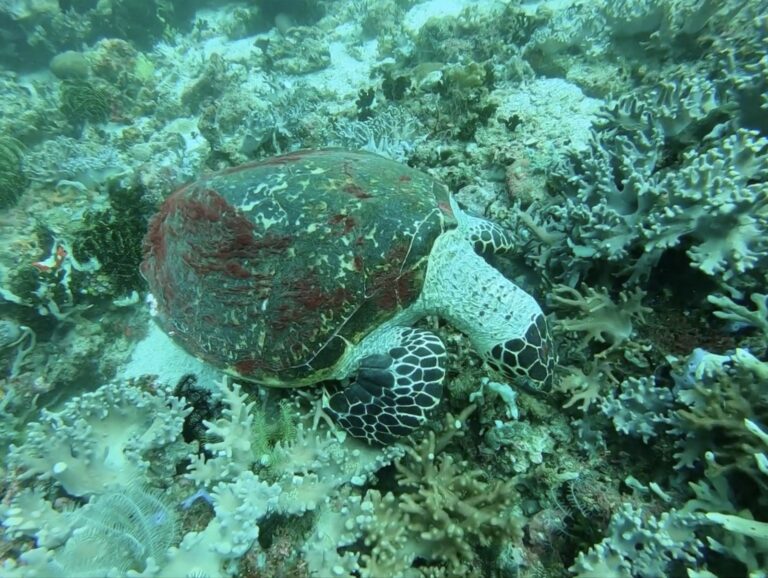 Apo IslandSnorkel with sea turtles just off the beach
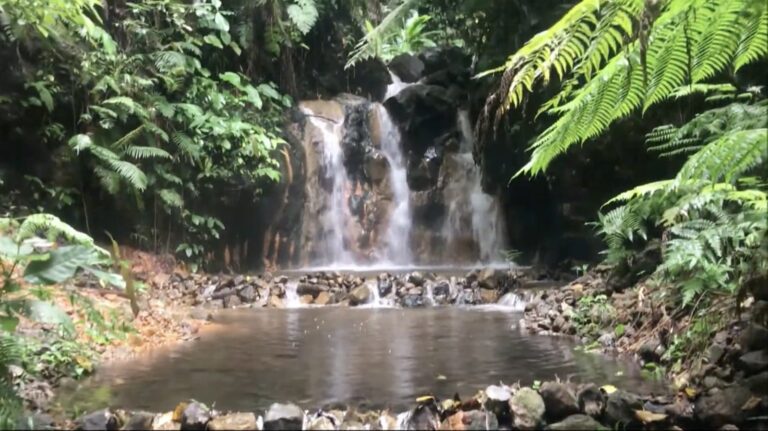 Baslay Hot SpringsSteaming thermal streams and a cold waterfall in the forest
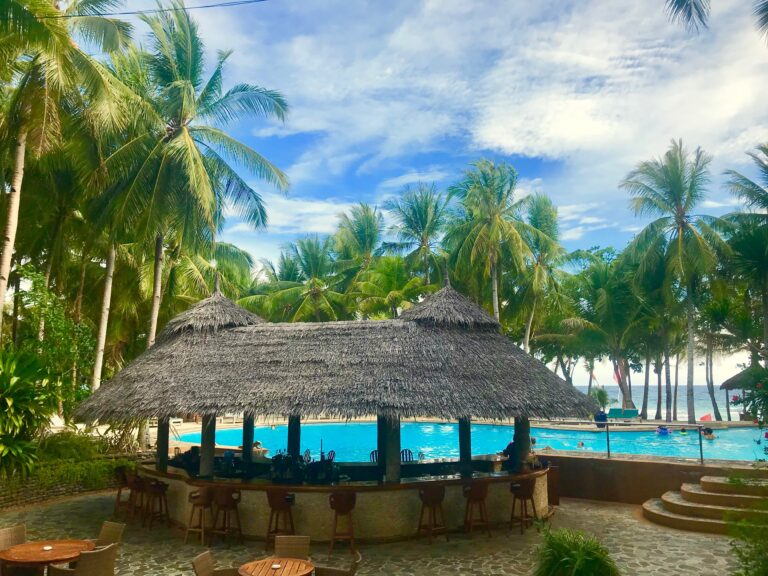 SiquijorA relaxed island of beaches and waterfalls, a short ferry ride from Dumaguete
 Casaroro FallsA tall waterfall tucked into a gorge in Negros Oriental