


The Manila American Cemetery and Memorial
War, What Is It Good For?
The main emphasis of Deztreks is to share with the world the absolutely amazing places to visit in the Philippines. So, when it came to writing about the Manila American Cemetery and Memorial, I gave it some serious thought. I wasn’t even sure if I should include it on my website at all. The fact you’re reading this page now is testament to my decision.
The cemetery sits in Fort Bonifacio in Taguig, in Metro Manila, right next to Bonifacio Global City and usually 20 to 40 minutes from Makati by Grab or taxi.
I don’t want to sound like a hippie and get into political rhetoric, but I absolutely detest war and violence. However, it’s part of our history, and I believe understanding it helps. It helps us with the healing process and hopefully prevents the same things from happening again in the future. And that’s really what changed my mind about visiting this place.
The Silence Is Deafening
For years and years, I avoided going to the Manila American Cemetery and Memorial because, to me, it represented the things I detest: needless deaths and violence. I’d had a few people recommend it to me, but I kept putting it off.
Then, in 2008, I had some visitors in town who were a little older than me, and I figured they might have more of an interest in World War II. We’d been doing the usual Manila sightseeing, so I casually mentioned the cemetery as somewhere else we could check out. They agreed, so off we went. And I’m so glad we did. They thought it was great, and so did I. It really opened my eyes to a few things, and I’ve been taking visitors there ever since.
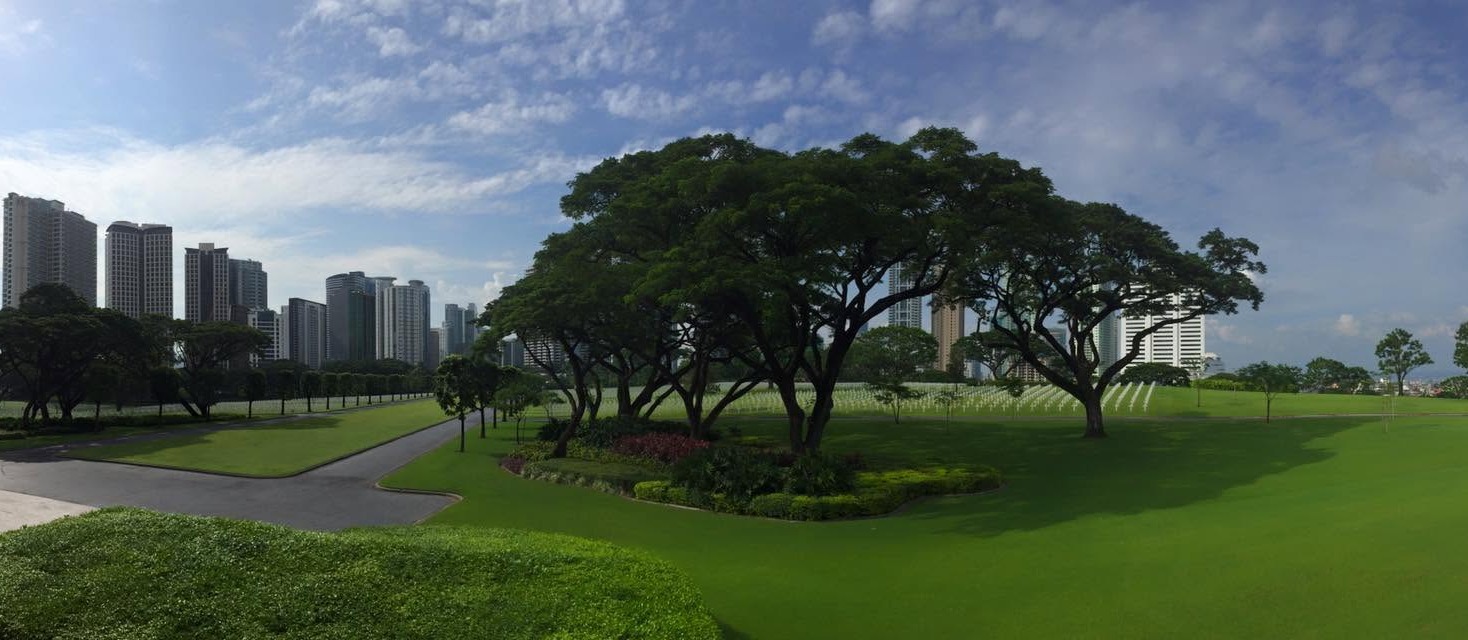
The first thing that struck me was the parkland. Beautifully manicured lawns, rolling hills, tropical trees and gardens, with thousands of white marble headstones stretching across the grounds. If you took away the graves and memorials, it would almost look like a massive park.
Then there’s the silence. Once you get out of the car and start walking around, you realise just how incredibly quiet it is. You’re surrounded by one of the busiest cities in the Philippines, yet there’s virtually no traffic noise, no car horns, no noisy motorbikes and hardly any people. It’s very eerie.
You can see the buildings of Metro Manila in the distance, but inside the cemetery, it’s a completely different world. It’s one of the very few places I’ve visited in Manila where you can experience that sort of peace and quiet.
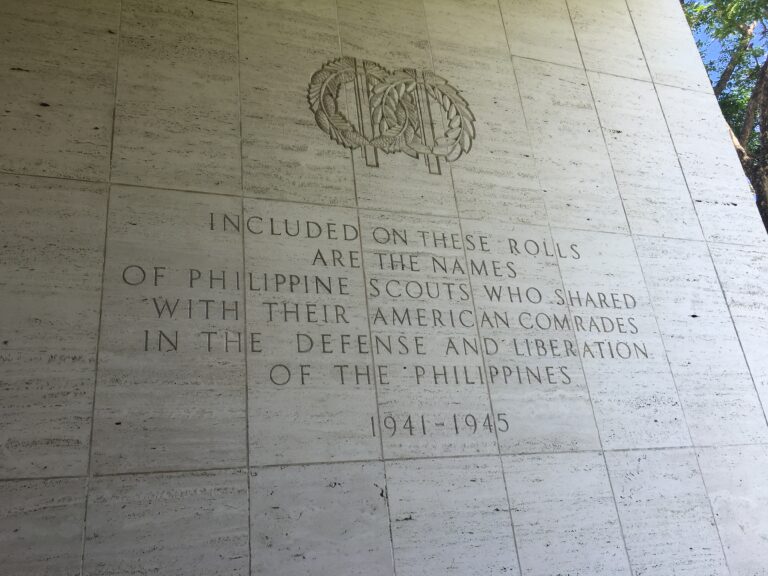
And then you look around at all those white headstones and the thousands of names on the memorial walls, and you can’t help thinking about the sheer waste of life. All those people who died, and for what? We still don’t have world peace, so I can’t help thinking that all these people lost their lives in vain. It’s emotional, confronting, interesting and incredibly peaceful, all at the same time.
-

- White marble headstones
-

- Manicured grounds
A Monument to Our Fallen Heroes
The Manila American Cemetery and Memorial covers a massive 152 acres, and is the largest American World War II cemetery in terms of the number of graves. The cemetery contains the remains of thousands of American and Filipino service personnel, while the memorial walls honour tens of thousands more who were missing in action.
Many of those remembered here lost their lives during the fighting in the Philippines, New Guinea and other parts of the Pacific during World War II. The white marble headstones are arranged in eleven plots across the beautifully maintained grounds, surrounded by tropical trees and gardens. The entire cemetery is maintained by the American Battle Monuments Commission.
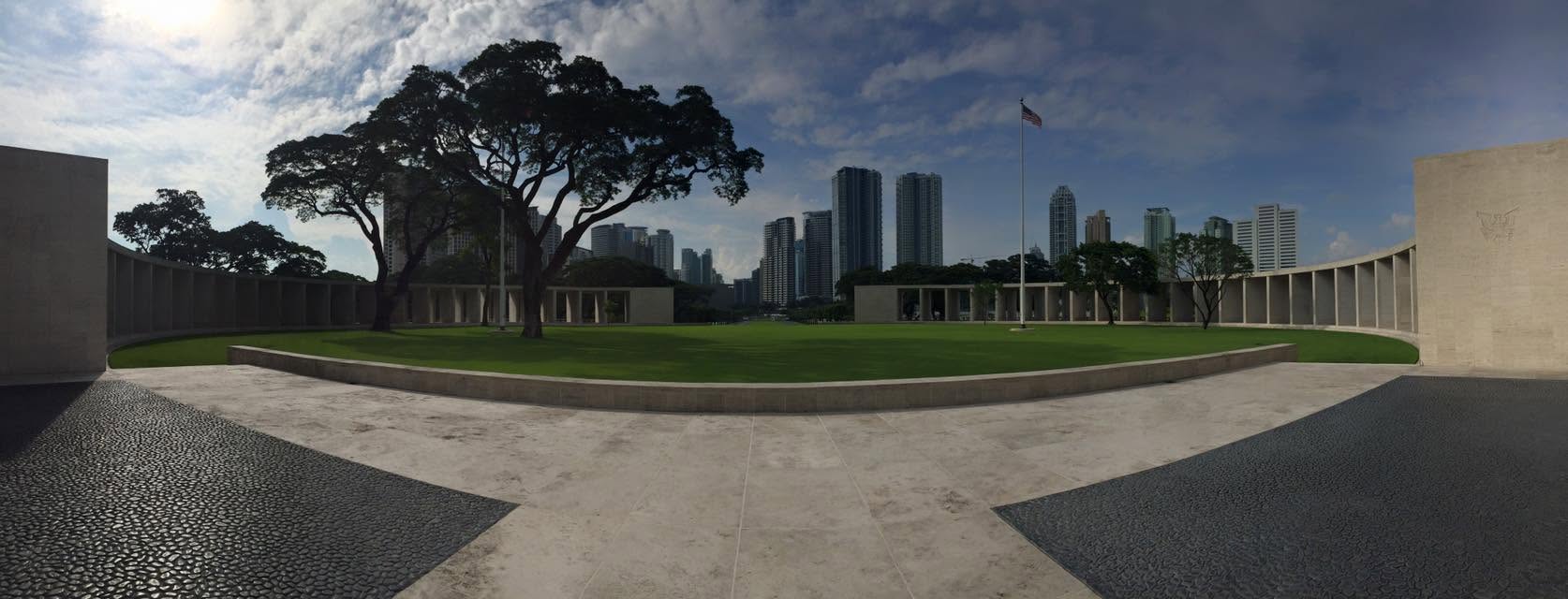
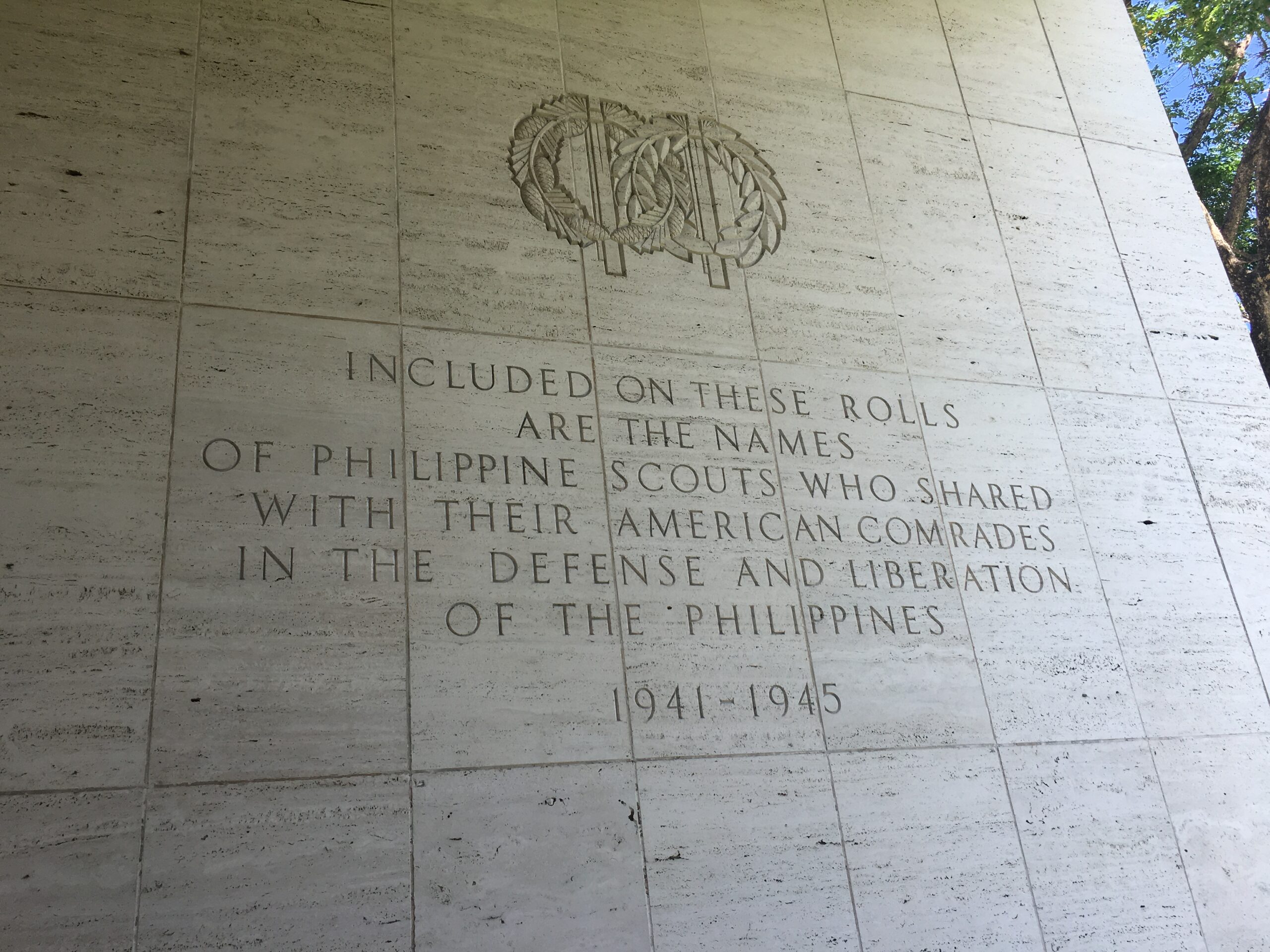
As an Aussie, I don’t think most of us realise just how big a part the Philippines played in World War II. And when you visit this place, you start to get a much better understanding of it. The memorial itself is particularly impressive. There are two large, curved sections with thousands of names carved into the marble walls. Along the walkways, you’ll also see the seals of American states and territories set into the walking path.
At the ends of the memorial sections are beautiful mosaics showing the major battles and campaigns of the war in the Pacific. They’re not just nice pieces of artwork. They actually tell the story of what happened, with maps and explanations showing how the fighting unfolded.
There’s also a small chapel in the middle of the memorial. I’ve been inside, and it’s tiny, but it’s a quiet place for anyone who wants to stop and say a prayer or simply reflect. More recently, a visitor centre has been added, providing further information about the cemetery and the history behind it.
-

- Manila American Cemetery
-
- Memorial walls
A Different Side of Manila
I’ve visited the cemetery quite a few times over the years, most recently in 2026 when I took my cousin and her family there. These days, it’s one of my regular recommendations whenever I’ve got friends or family visiting Manila. And it’s not necessarily because they’re interested in military history. It’s because the cemetery shows people a completely different side of Manila that they probably wouldn’t expect.
I’ve developed a bit of a routine for when I’ve got visitors in town for a full day. We normally start at Intramuros in the morning, checking out the old Spanish colonial buildings and fortifications. Then we head over to BGC for lunch, followed by a visit to the American Cemetery. After that, I usually take them to Venice Grand Canal Mall at McKinley Hill, where suddenly they feel like they’re sitting somewhere in Italy!
So, in the space of a single day, they’ve gone from old colonial Manila to the peace and serenity of a war cemetery, then on to modern BGC and a little taste of Venice. It’s a pretty mind-bending combination of places, and I reckon it gives visitors a completely different impression of Manila.
Everyone I’ve taken to the cemetery has enjoyed the visit, although perhaps enjoyed isn’t quite the right word. Most people are genuinely moved by it. They’re surprised by how much of a role the Philippines played in World War II and just how many people lost their lives. And when you consider that this is just one cemetery, and there are similar memorials all around the world, it really puts the human cost of war into perspective.
How Long Do You Need?
I’d allow around an hour to visit the Manila American Cemetery and Memorial. That’s plenty of time to check out the memorial walls, mosaics, chapel and gardens, and simply enjoy the peace and quiet.
If you’re particularly interested in World War II history and want to read all the information on the mosaics, you could easily spend longer. Personally, I wouldn’t necessarily make a special trip across Manila just to visit the cemetery. I’d combine it with BGC, Intramuros or other nearby attractions.
Best Time to Visit the Manila American Cemetery
The cemetery is open throughout the year, although I’d recommend visiting during the drier months from December to February when the weather is generally a bit cooler and more comfortable. March to May can get pretty hot, especially when you’re walking around the open grounds. During the wet season from June to November, afternoon rain can interrupt your visit, although the gardens are beautifully green.
I’d recommend going in the morning when it’s cooler, or later in the afternoon. The cemetery usually closes in the late afternoon, so don’t leave it too late, and check the current opening hours before you go.
How to Get to the Manila American Cemetery
The cemetery is located along McKinley Road in Fort Bonifacio, Taguig, close to BGC.
- From Makati: Allow around 20 to 40 minutes by Grab or taxi, depending on traffic.
- From BGC: I would actually recommend walking from most parts of Bonifacio Global City.
- From Manila or Intramuros: Allow approximately 45 to 90 minutes by Grab or taxi, depending on traffic.
- From NAIA: Allow around 30 to 60 minutes by car, although traffic can make a big difference.
I’d recommend using Grab or a taxi rather than trying to work out public transport connections, particularly if you’re only in Manila for a short visit. If you’re driving, there’s a designated parking area inside the cemetery grounds.
Good to Know Before You Go
- Opening hours: Usually 9 am to 5 pm daily, with free admission. Check before you go.
- Identification: Bring a valid photo ID for entry.
- Dress respectfully: Remember, this is a cemetery and war memorial, not a public park.
- Allow an hour: Longer if you’re interested in reading the World War II history.
- Facilities: Parking and visitor facilities are available near the memorial.
You Might Also Like
 Ayala Triangle GardensA green escape in Makati
 Bay CityA bayside development near Manila
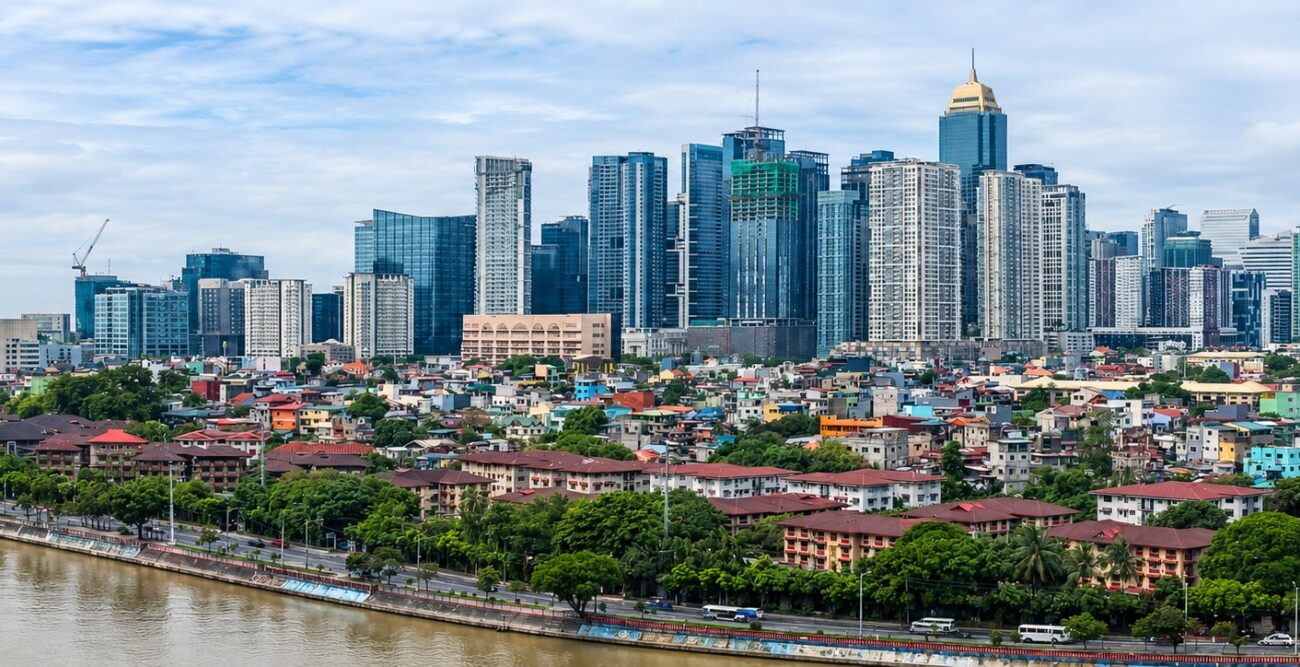 Bonifacio Global CityModern city life in BGC
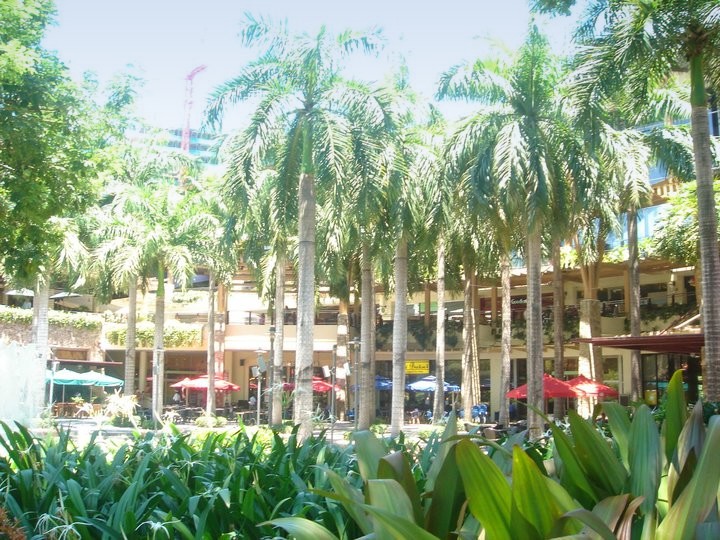 GreenbeltShops, gardens and cafes in Makati
Dezza’s Tip
Even if you’ve got absolutely no interest in military history, I’d still recommend checking out the Manila American Cemetery and Memorial. You don’t have to spend hours reading about the war to appreciate the place. Just walk around, have a look at the gardens, take in the silence and think about what all those white headstones represent.
For me, it’s one of the most peaceful places in Metro Manila, and somewhere that really makes you stop and think. I still absolutely detest war and everything it represents. Visiting the cemetery hasn’t changed that one bit. What it has changed is my appreciation for places like this, where we can remember the people who lost their lives and hopefully learn something from the past. And that’s why I keep coming back.
Where Is The Manila American Cemetery and Memorial?

Unsubscribe anytime.