


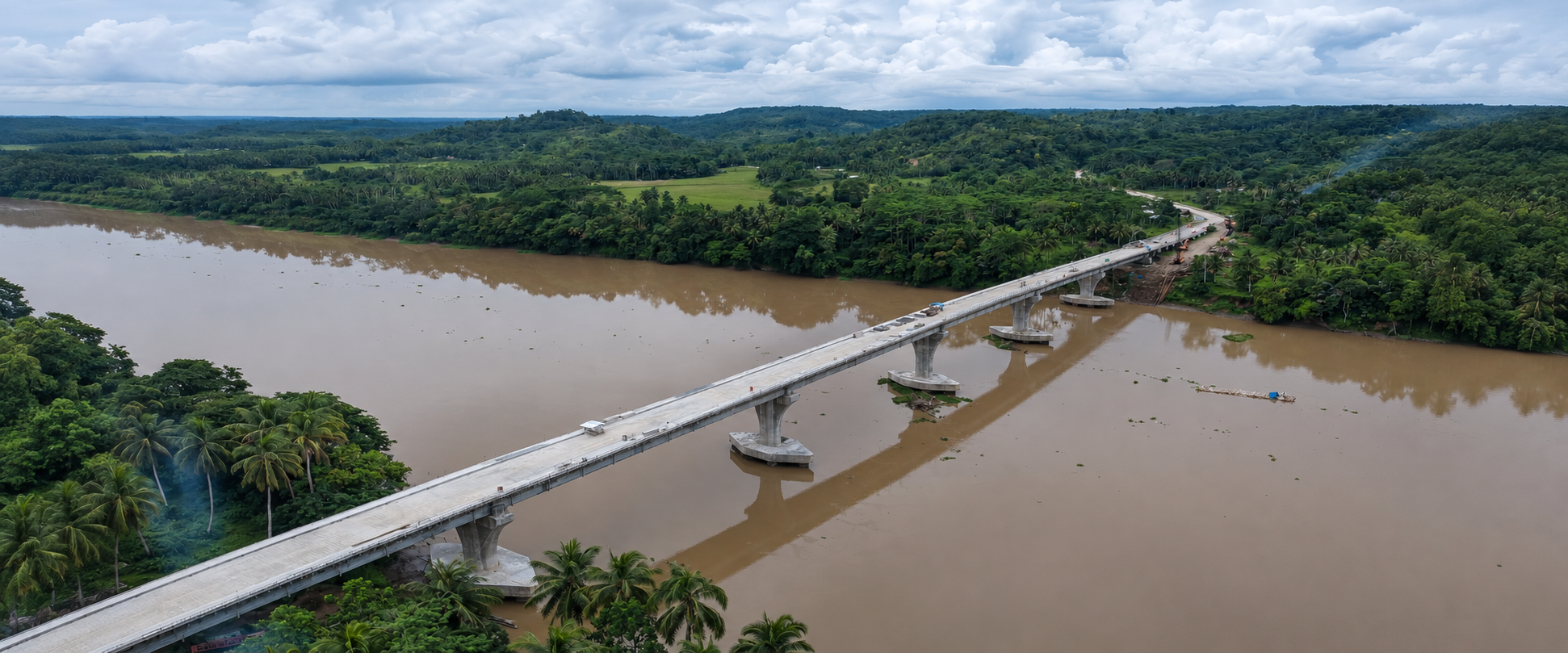
Butuan
Butuan: A Stop on the Way to Camiguin
I stopped in Butuan in December 1998 while travelling from Davao City to Camiguin. It was my second trip to the Philippines, and Camiguin hadn’t even been part of the plan. My wife’s youngest sister recommended it, so a day or two later we were on our way. Butuan is in the Caraga region of north-eastern Mindanao, about an hour and forty minutes by air from Manila.
Butuan was where we changed buses. We had a bit of time to kill and found somewhere nearby to eat before continuing towards Balingoan for the ferry. I didn’t see much of the city, so I’ll keep this one short.
My Stop in Butuan
We left Davao early in the morning and spent several hours on the bus. Butuan was a break in the journey before catching another bus towards the port. What I remember is a busy provincial city: tricycles, jeepneys, people everywhere and plenty going on around the terminal.
It reminded me a bit of Digos. Nothing particularly stood out in the small part I saw, although walking somewhere for food hardly counts as getting to know a city.
This was also before digital photography was widespread. You weren’t taking pictures of every single thing you saw because you only had so much film, and getting it developed cost money. I was saving my film for Camiguin, which explains why I’ve got printed photos from the island and none from Butuan.
Camiguin, Where the Road Leads
For me, Butuan was the middle of the journey and Camiguin was the destination. From the terminal we carried on by bus to Balingoan, then crossed by ferry to Camiguin, a small volcanic island off the north coast of Mindanao. It has more volcanoes than towns, which tells you most of what you need to know about the scenery.
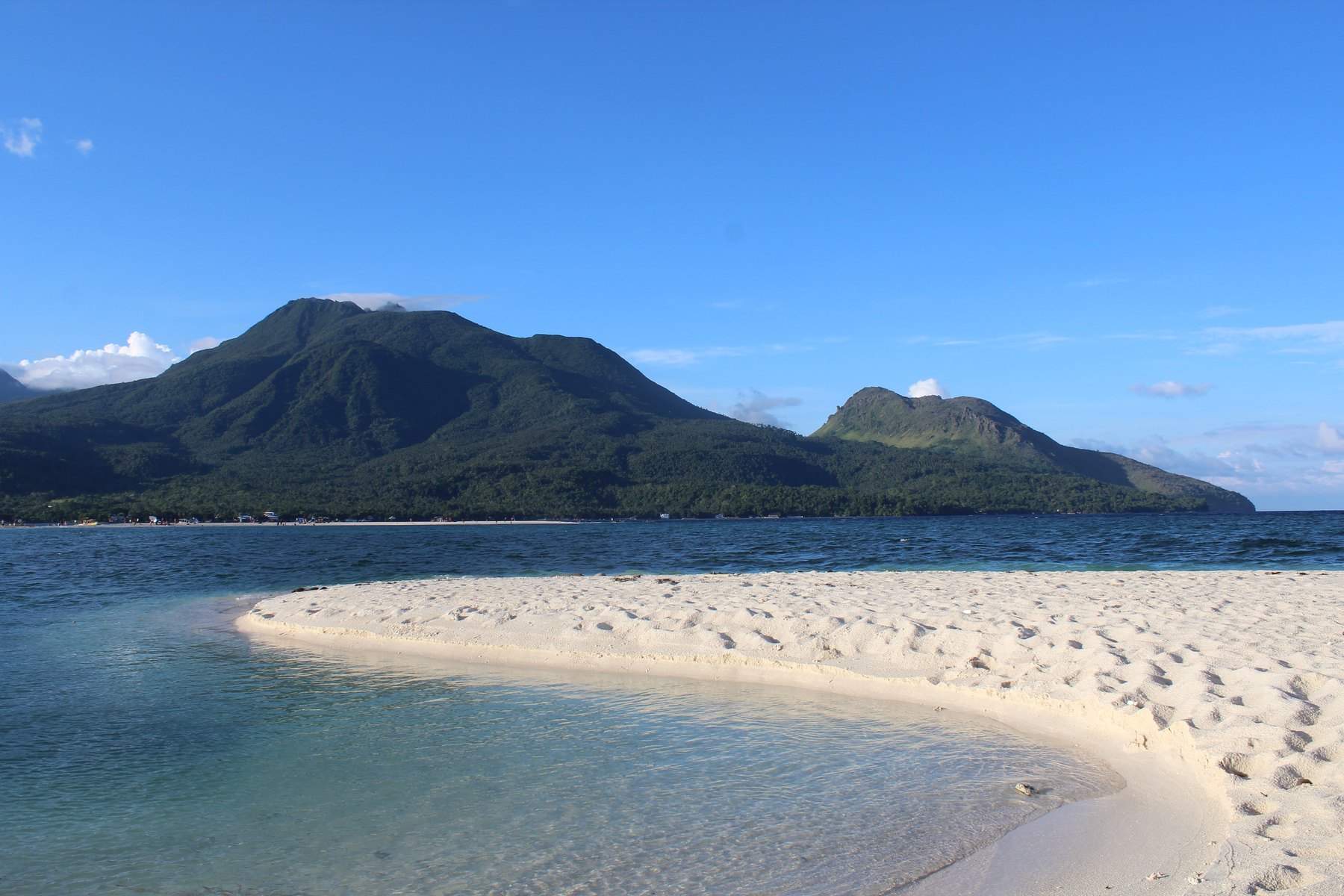
That is where I spent my film. There are waterfalls, cold and hot springs, a white sandbar, and a sunken cemetery marked by a cross standing out in the water. If you are passing through Butuan on your way north, the island is the reward at the end of the road, and my Camiguin Island guide covers what to see and how long to allow.
-
- White Island and Mt Hibok-Hibok, Camiguin Island
-
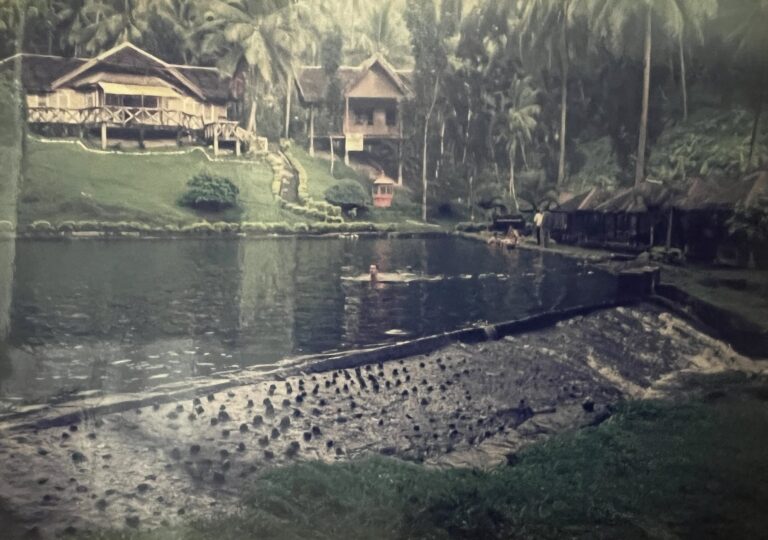
- Santo Niño Cold Springs, Camiguin Island
The Bus Ride Back to Davao
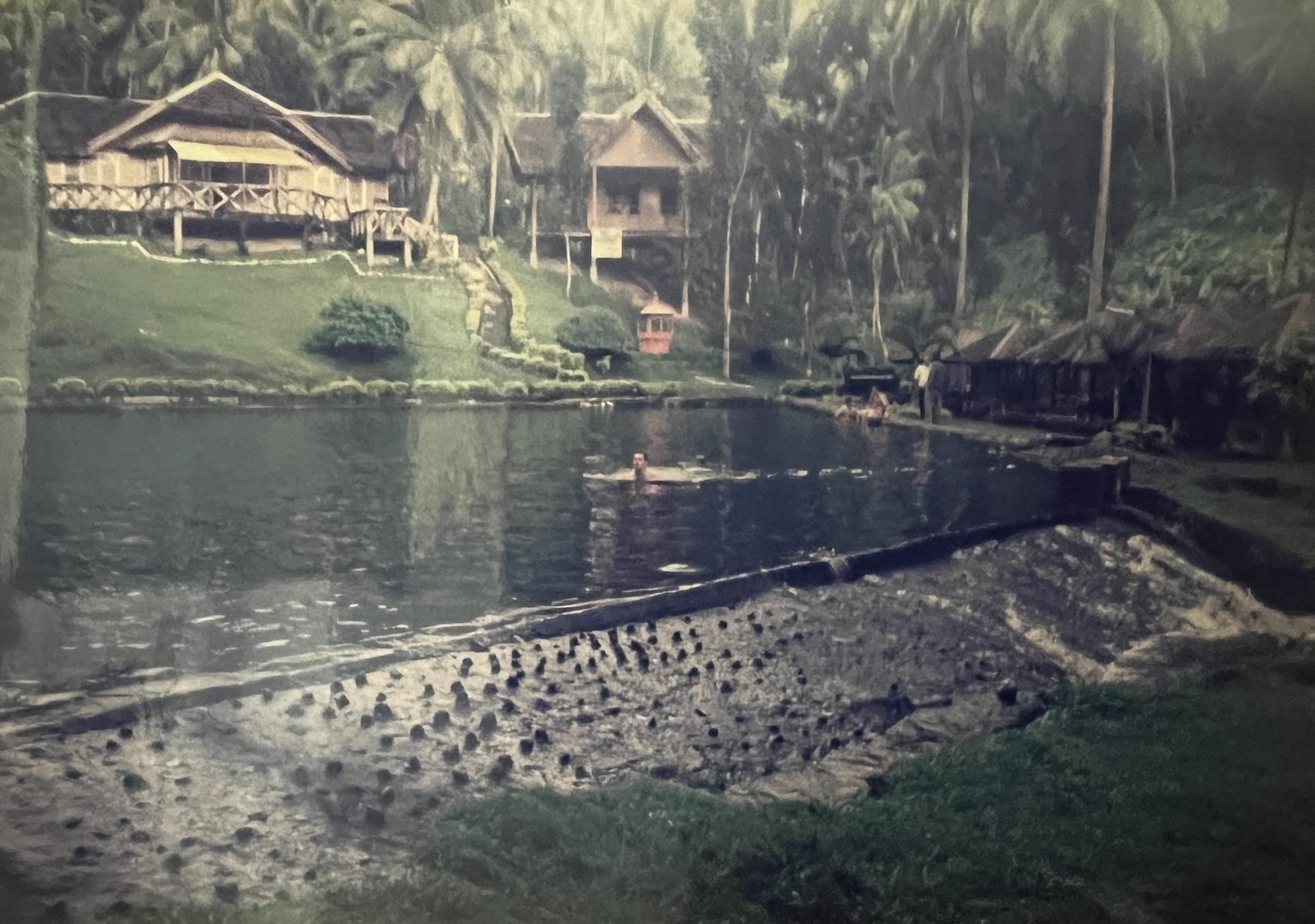
The part I remember most clearly happened on the way back from Butuan to Davao. Some of the journey was after dark, on narrow, winding roads, and the driver seemed to think he was in a race.
He was overtaking vehicles on bends with buses coming the other way. I genuinely feared for my life. It was only my second visit to the Philippines and I wasn’t used to that style of driving. We got there in the end, obviously, although it’s a journey I’ve never forgotten.
Would I Go Back?
Possibly, if I was seeing more of Caraga and using Butuan as a base. There are plenty of other places I’d put ahead of it, and my brief stop didn’t leave me thinking it was somewhere I had to return to.
That doesn’t tell you what the whole city is like, especially today. It’s simply a place I’ve stopped at, which is why it’s here on Deztreks.
Places I’d Like to See Next Time
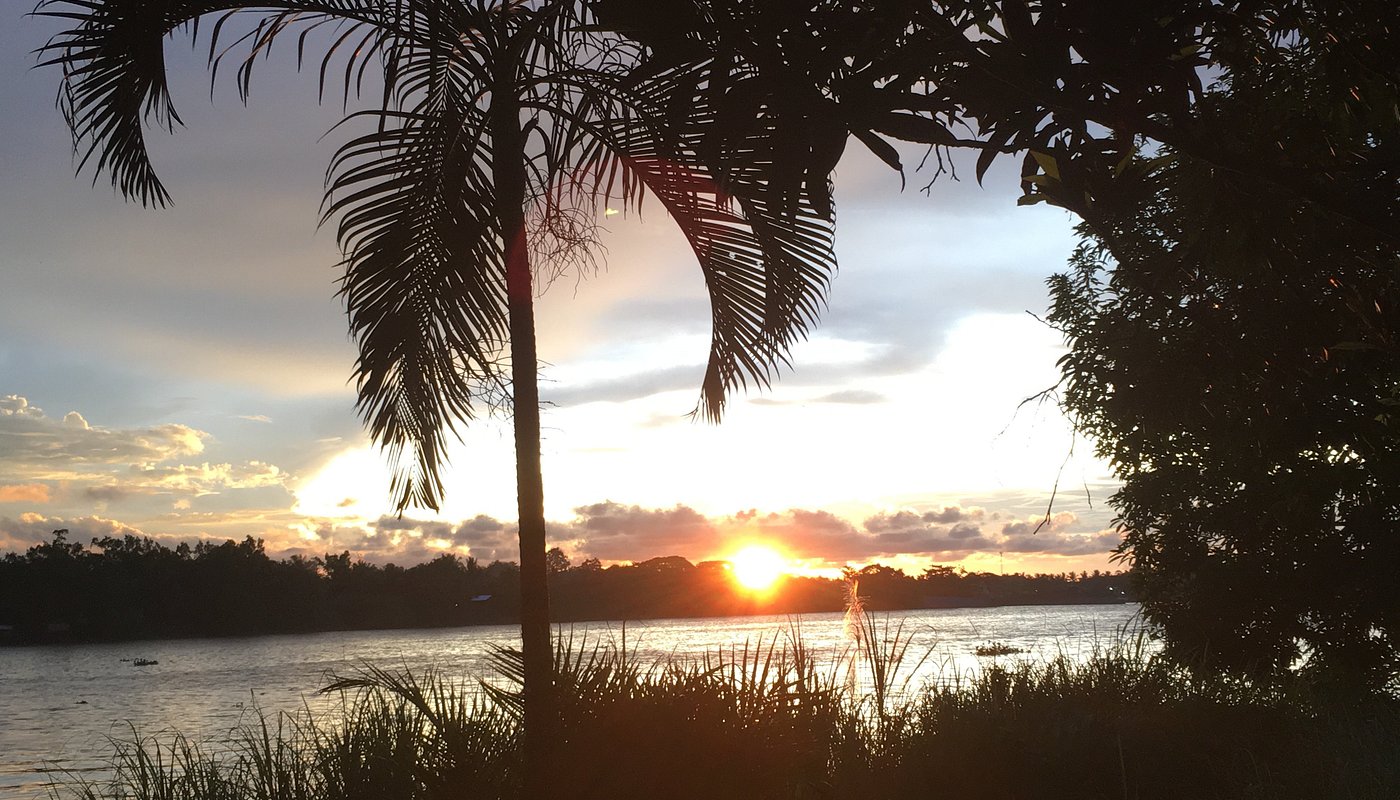
If I went back, I’d want to see the city properly, and a lot of it comes back to the Agusan River. The Banza Church Ruins stand on the riverbank, where the remains of an old Spanish-era church have been almost swallowed by a huge balete tree. It looks like a good spot to watch the sun go down over the river.
The Butuan Boat Site Museum in Libertad is the one I’d put at the top of the list. The remains of ancient wooden boats were first uncovered here in the 1970s, becoming some of the most important archaeological finds in the country.
The boats were built from wooden planks joined edge to edge with pegs rather than nails. Current National Museum information dates them from around the late eighth to early tenth centuries, making them the oldest watercraft yet discovered in the Philippines. Their construction, along with ceramics and other artefacts found in the area, points to Butuan being an important trading centre centuries before the Spanish arrived.
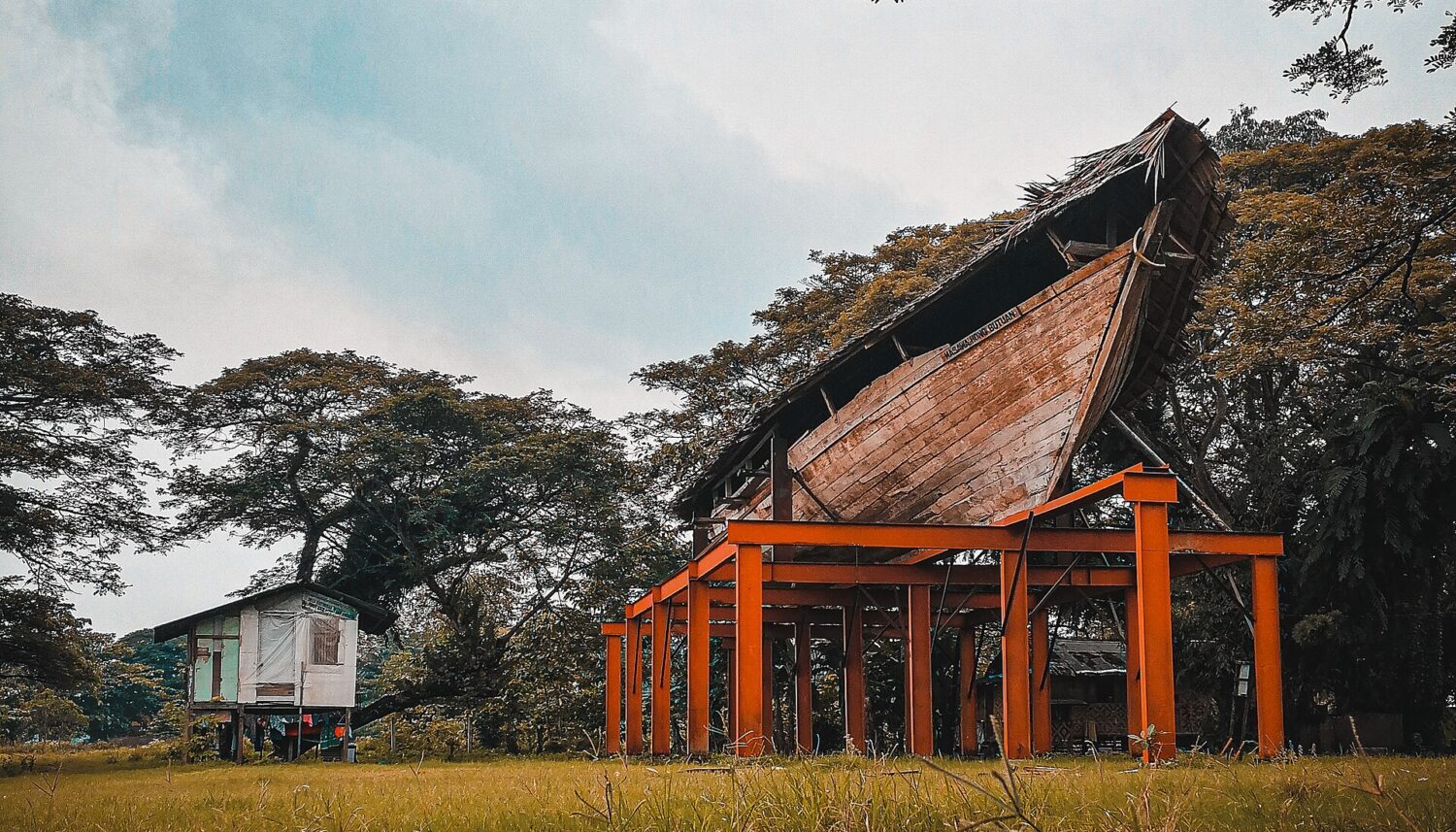
The boats are known as balangay, a word commonly linked to barangay, the name Filipinos still use for their local communities. They were later declared National Cultural Treasures, and the remains of Butuan Boat 1 can be seen at the museum. There are also full-size replicas elsewhere in the city, which give you a much better sense of what these boats would have looked like on the water.
Another place I’d like to visit is the Agusan Marsh in Agusan del Sur. It lies much further upstream, where the same river passes through a vast wetland filled with wildlife and communities whose lives are closely tied to the water.
It isn’t somewhere you’d casually add to a day in Butuan, though. Getting there would involve more than a simple change of buses, so I’d probably set aside a night or two and make a separate trip of it.
-
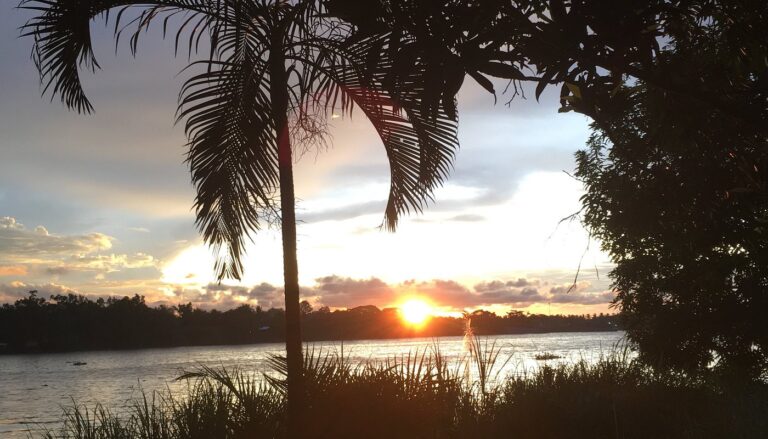
- Agusan River sunset near the Banza Church Ruins, Butuan City. Photo by Ajie A via Tripadvisor.
-
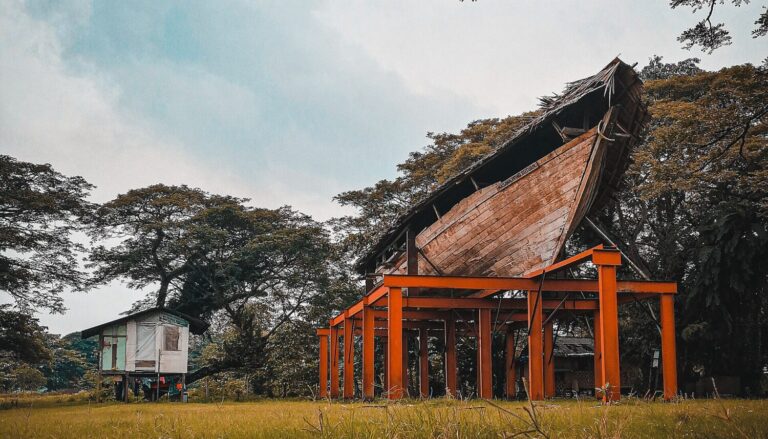
- A full-size Balangay replica in Butuan City, reflecting the city’s ancient boat-building and seafaring heritage. “The Balanghay” by Herbertkikoy, licensed under CC BY-SA 4.0, via Wikimedia Commons.
Best Time to Visit Butuan
April or May would be a good choice if you want a better chance of drier weather, although it’s hot and rain is still possible. December to February is generally wetter, with January recording the highest average rainfall.
I visited in December and remember feeling pretty hot, although I wasn’t used to the Philippine weather back then. If you’re continuing to Camiguin, allow some room in your plans for weather affecting the ferry crossing.
How to Get to Butuan
From Manila: Direct flights to Butuan’s Bancasi Airport take around one hour and 40 minutes. From the airport, arrange a taxi or hotel pickup to your accommodation.
From Davao: Buses leave Davao City Overland Transport Terminal for Butuan. It’s roughly 285 kilometres by road, with present-day bus journeys taking around six to seven hours, depending on stops and traffic.
From Cagayan de Oro: Buses run between Cagayan de Oro and Butuan, a distance of roughly 170 kilometres. Allow around four hours by road, and check current schedules before you travel.
Continuing to Camiguin: Travel from Butuan towards Balingoan in Misamis Oriental, roughly 115 kilometres away. Allow around three to four hours by bus, followed by the ferry to Camiguin. The Balingoan to Benoni crossing generally takes around one to one and a half hours.
Those are current travel references, rather than the timings of my trip in 1998.
Good to Know Before You Go
- Butuan is in Caraga, rather than the neighbouring Northern Mindanao region.
- My visit was a brief stop in December 1998, between buses.
- Allow plenty of time between your bus arrival and onward ferry.
- Bring drinking water and keep your valuables close on long bus journeys.
- April and May are generally drier, although rain is possible year-round.
You Might Also Like
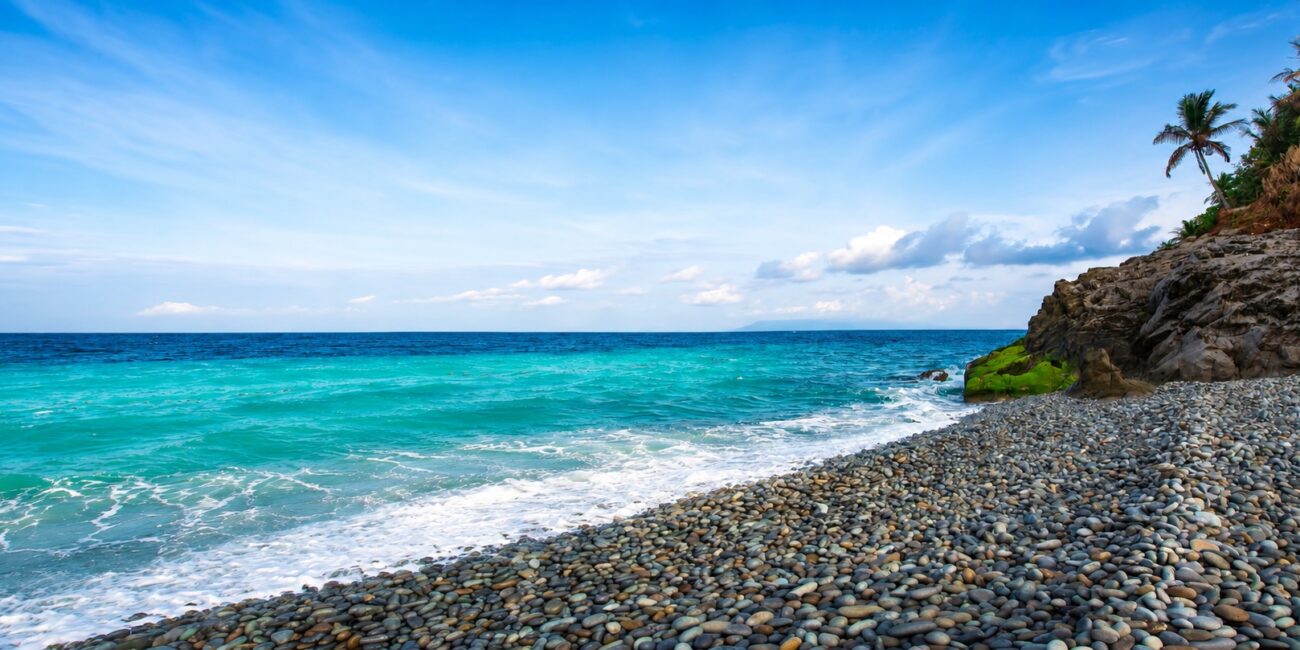 SurigaoGateway to Siargao
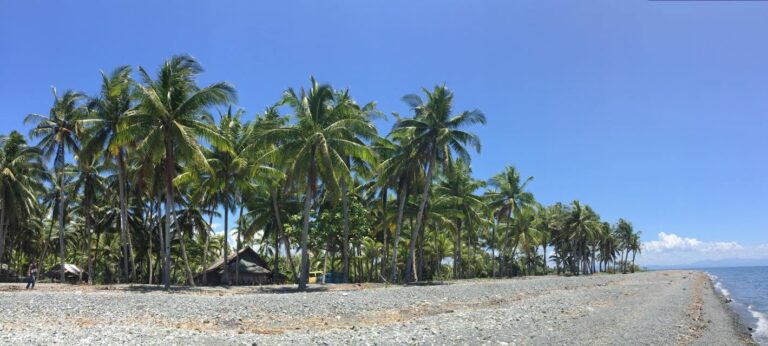 CabadbaranA quiet beach stop in Agusan del Norte
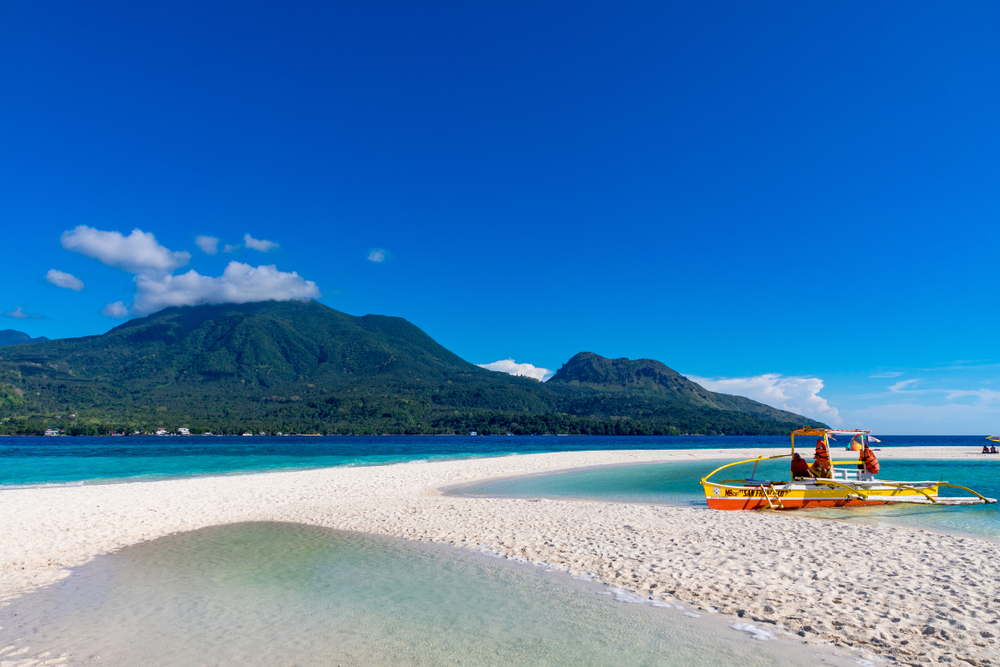 Camiguin IslandWaterfalls, hot springs and volcanoes
Dezza’s Tip
If you’re doing the long trip from Davao to Camiguin, give yourself time for a proper break along the way. Getting something to eat and stretching your legs makes sense when you’ve still got another bus and a ferry ahead of you.
Where Is Butuan?

Unsubscribe anytime.