


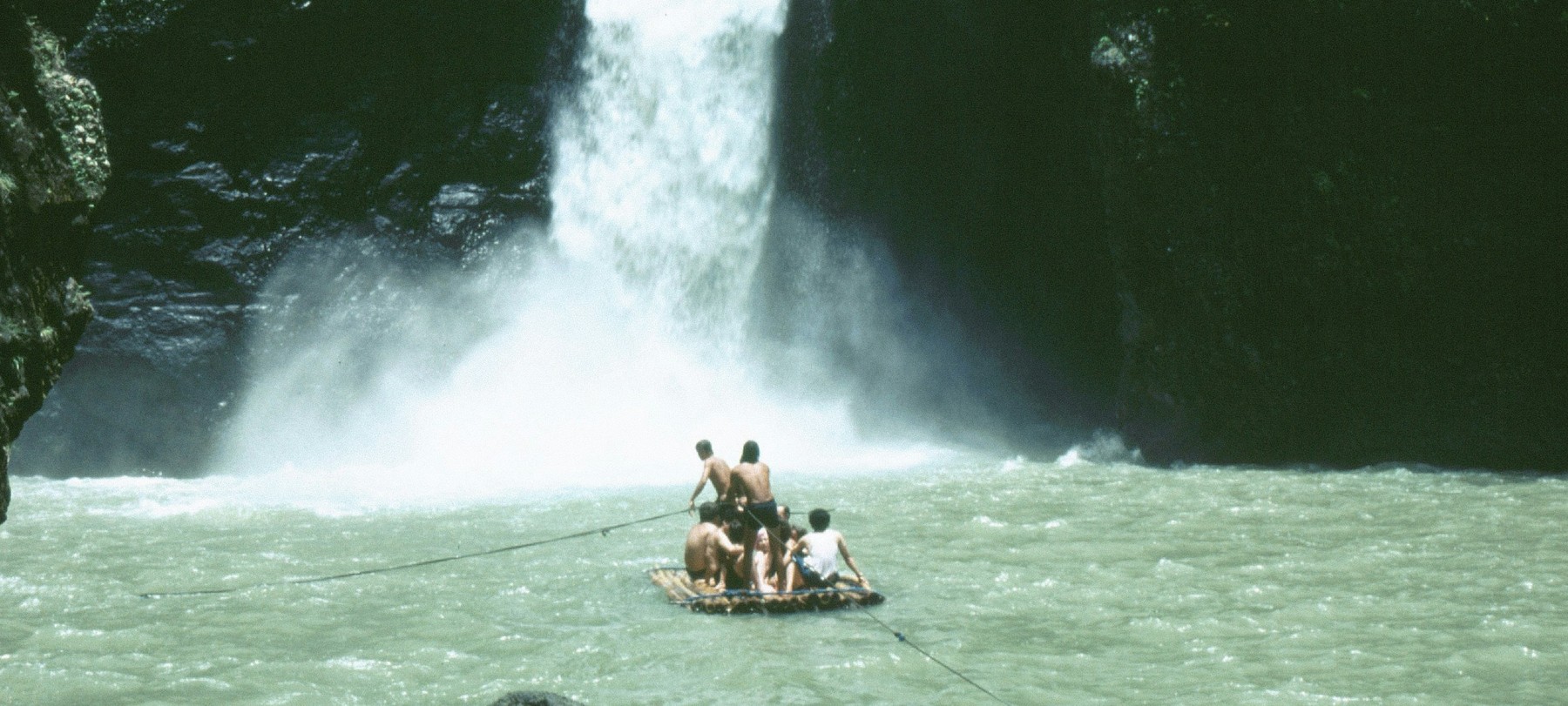
Pagsanjan Falls
Pagsanjan Falls, Laguna: Shooting the Rapids
Pagsanjan Falls is without doubt one of the most famous waterfalls in the Philippines, and having visited three or four times over the years, I can understand why.
Pagsanjan is in Laguna province, roughly 100 kilometres southeast of Manila, which makes it an easy day trip.
The waterfall itself is impressive, although I must admit it’s not quite my favourite style of waterfall. I personally prefer those tall, elegant waterfalls where the water gently cascades down the rocks. Pagsanjan Falls is a completely different beast. It’s powerful, thunderous and, when the water is really flowing, quite overwhelming.
However, what makes Pagsanjan Falls so special isn’t necessarily the waterfall itself. It’s the incredible boat journey through Pagsanjan Gorge to get there.
I’ve been visiting since 2007, usually with family, friends or overseas visitors, and it’s one of those experiences that never really gets old.
-
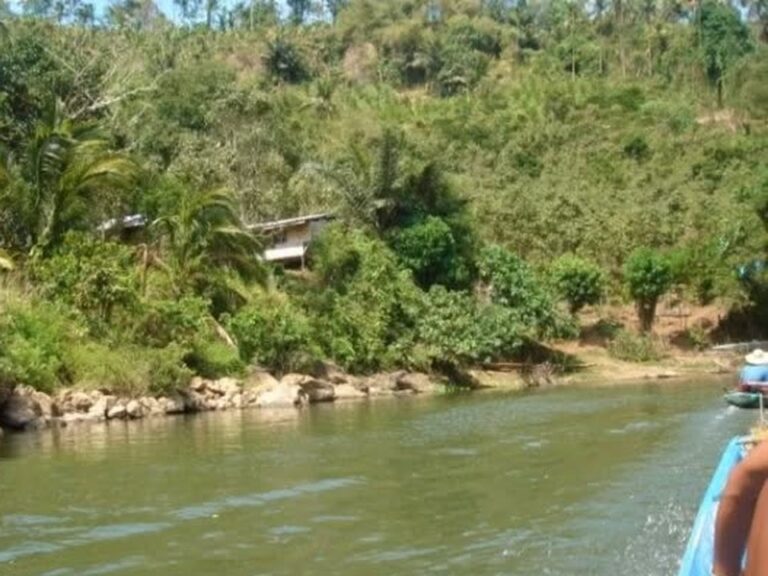
- Start of the River Journey
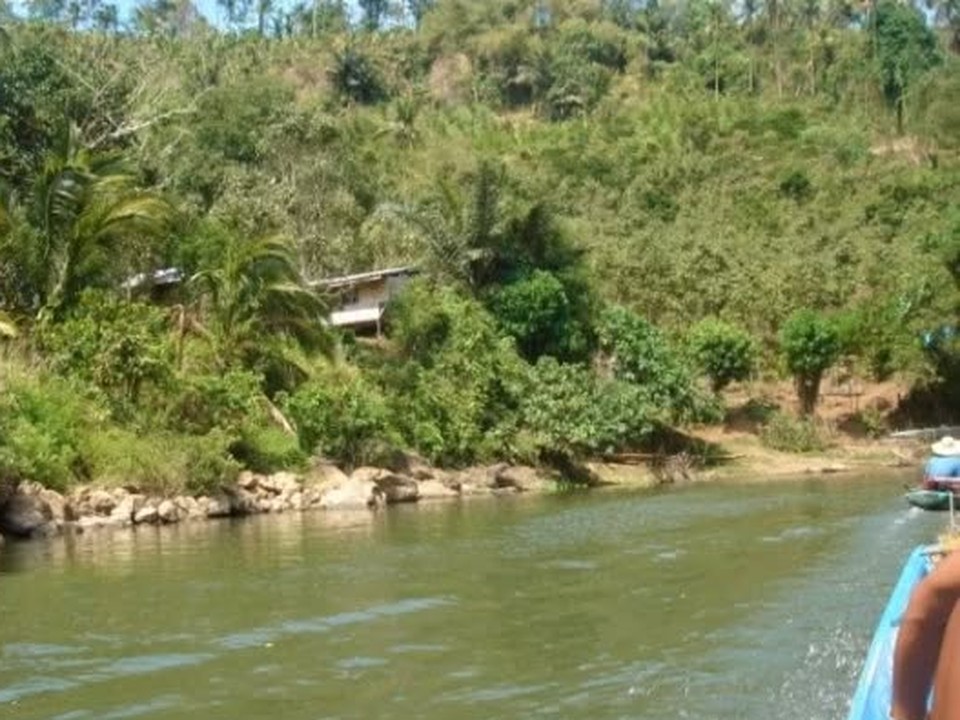
-
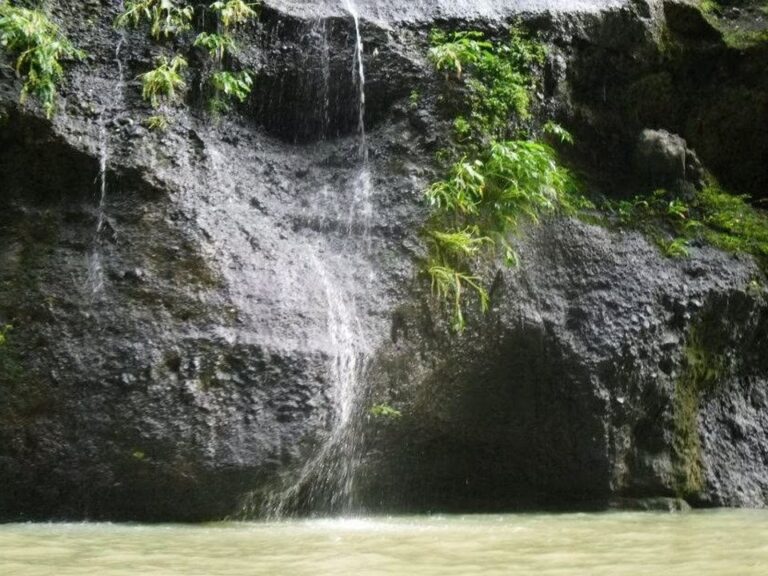
- Wall cascade
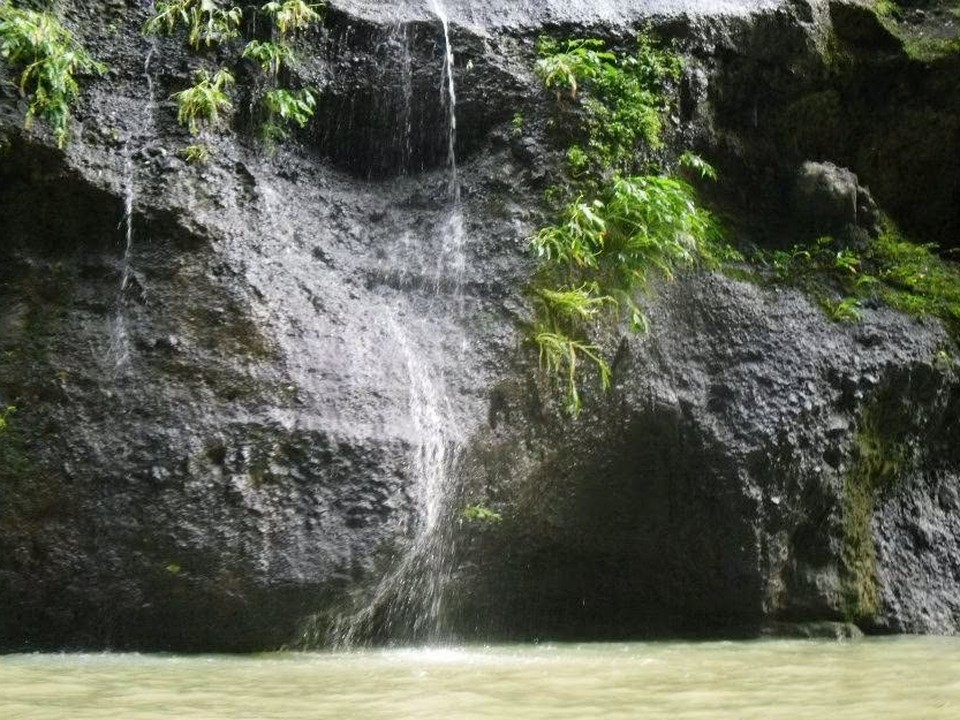
The Boat Journey Through Pagsanjan Gorge
The real highlight of Pagsanjan Falls, in my opinion.
The traditional way to reach Pagsanjan Falls is by canoe, with two incredibly skilled boatmen guiding you upstream through the spectacular Pagsanjan Gorge.
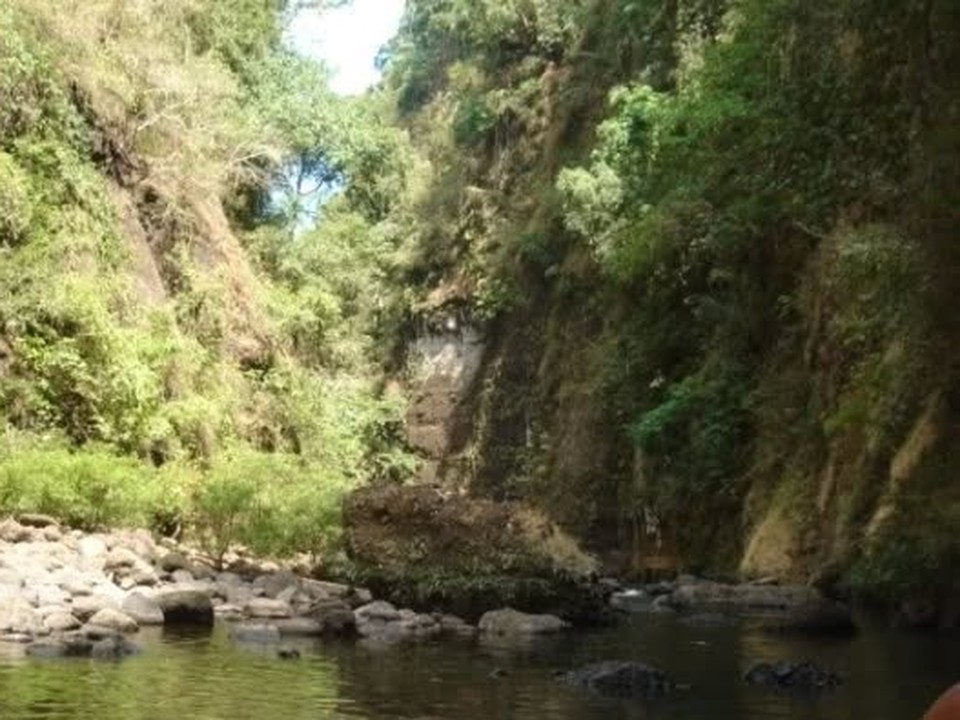
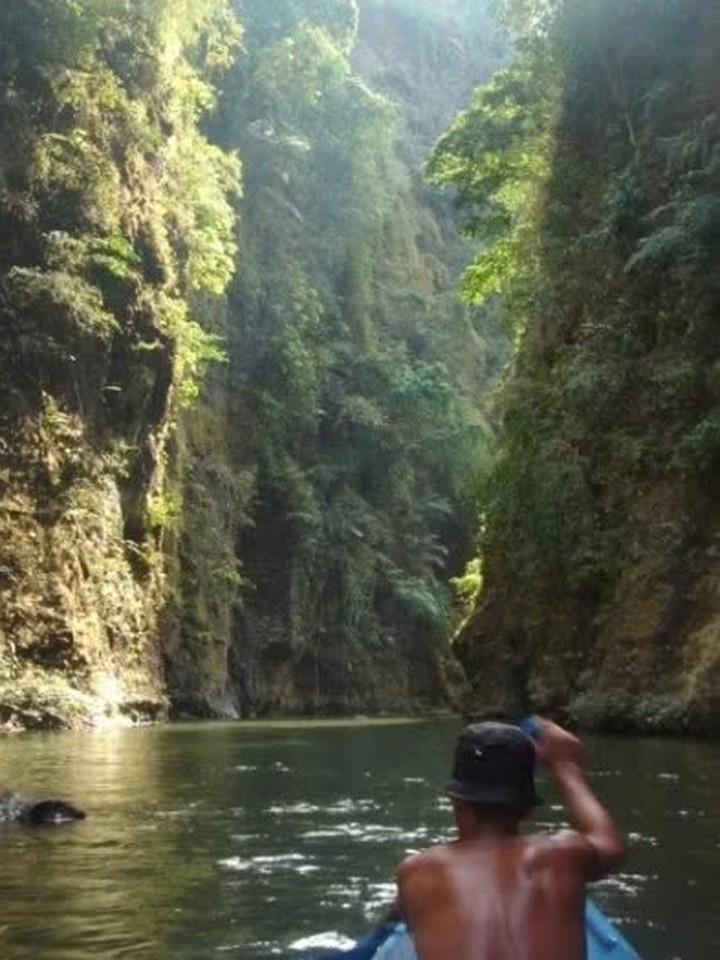
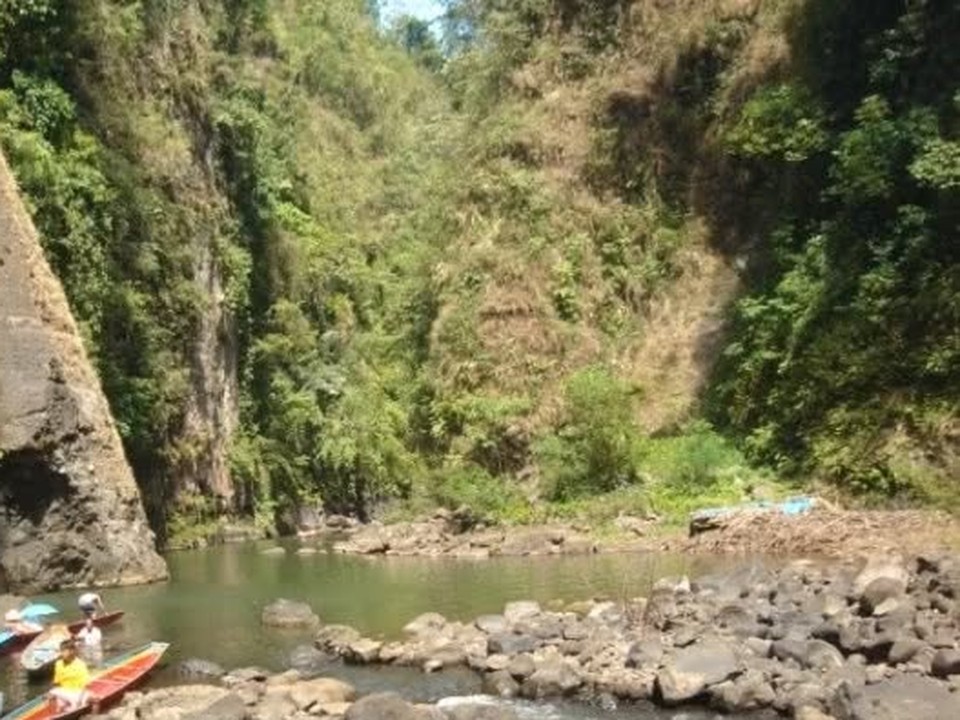
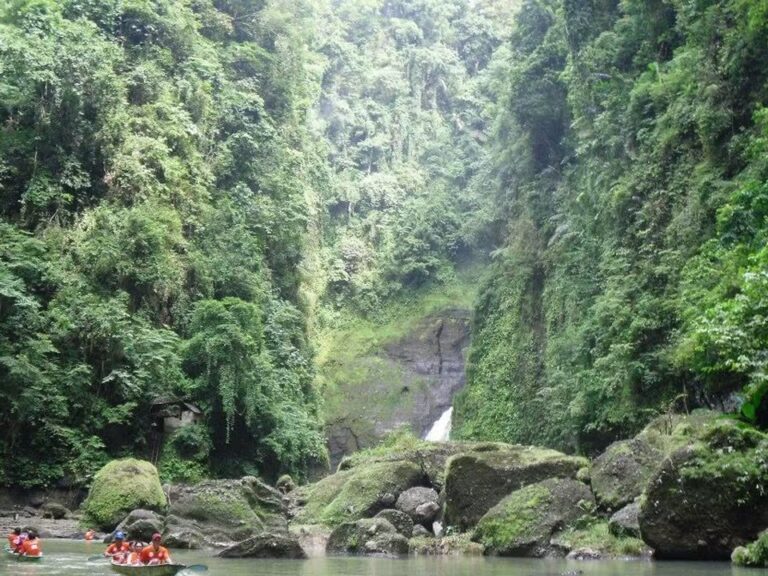
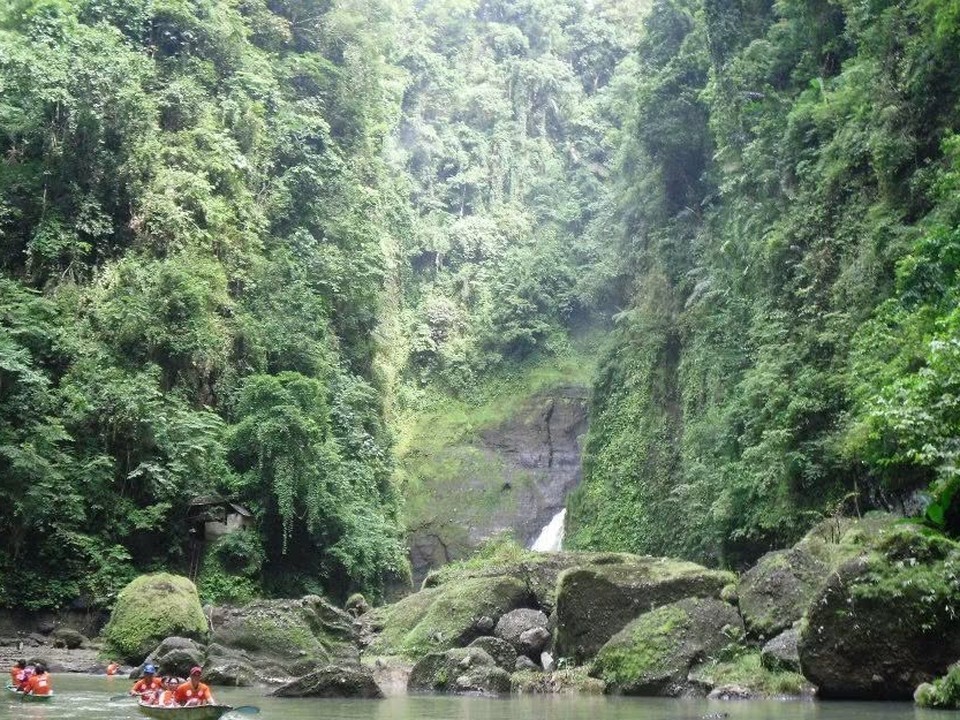
The journey starts off on a relatively calm stretch of river. Your boatmen gently paddle upstream as you gradually leave the town behind and enter this magnificent gorge, with enormous cliffs towering above you on either side.
It’s an incredibly peaceful experience.
You’ve got huge boulders, rock formations, lush vegetation and smaller waterfalls trickling down the gorge walls. At times, all you can really hear is the water, occasional wildlife and your boatmen working away.
There’s something almost spiritual about it. You’re surrounded by nature, completely removed from the hustle and bustle of everyday life, and you start appreciating just how powerful and beautiful nature really is.
As you travel further upstream, the river becomes increasingly rugged, with rapids and large rocks making the journey considerably more challenging. And this is where the boatmen really earn their money.
-
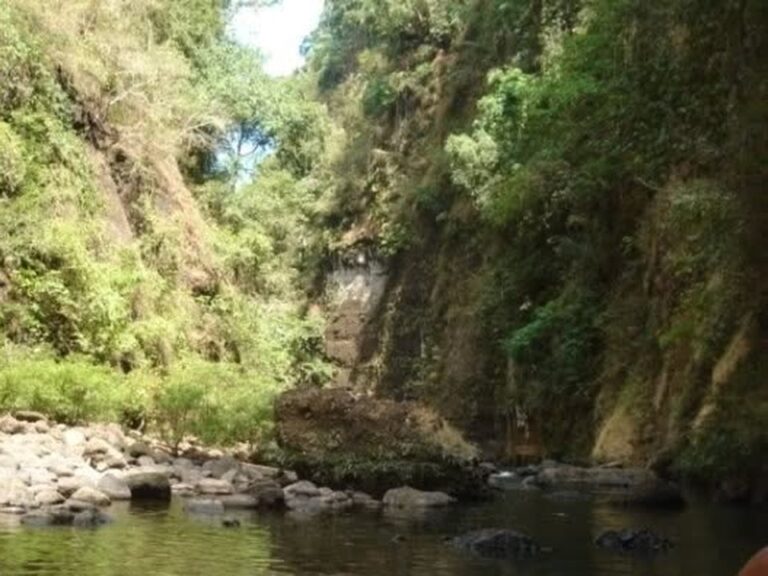
- Gorge cliffs
-
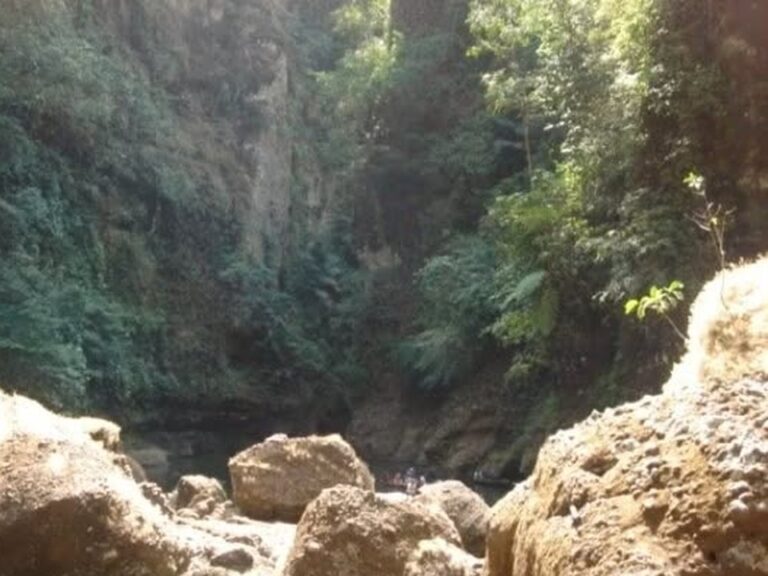
- Boulders
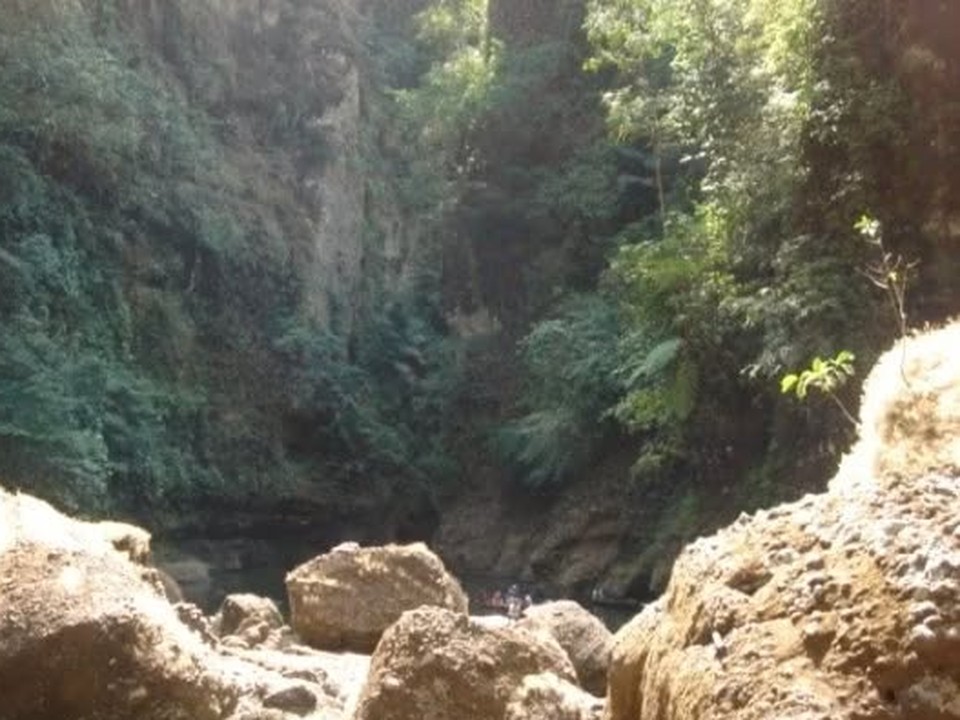
The Boatmen Are Incredible
I’ve done this trip several times with different boatmen, and one thing that never ceases to amaze me is their knowledge of the river. They seem to know every single rock.
They know exactly where to position the canoe, which route to take through the rapids and when to push, pull or lift the boat to get it through difficult sections.
And believe me, they work bloody hard.
As a passenger, there’s not much physical effort involved. You basically sit back and enjoy the scenery. Although I will say that sitting in a relatively small wooden canoe for an extended period can become a little uncomfortable.
Fortunately, there are places along the river where you can stop and stretch your legs.
-
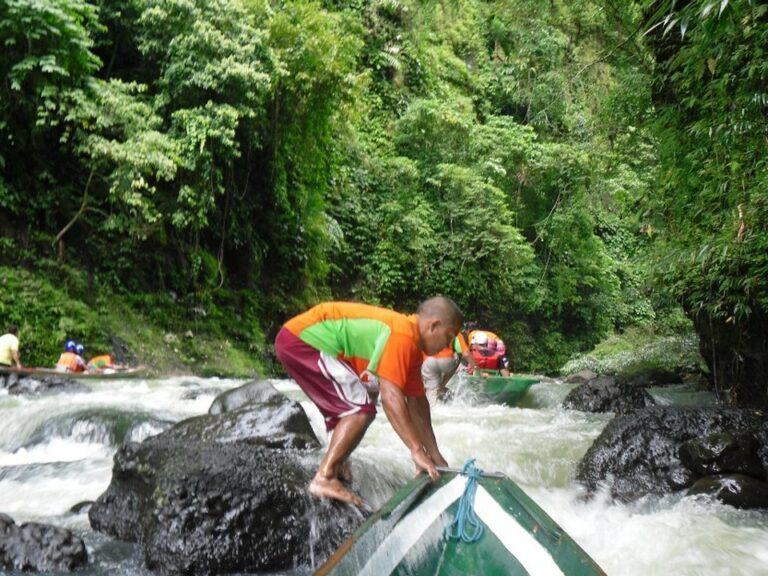
- Pulling through the rapids
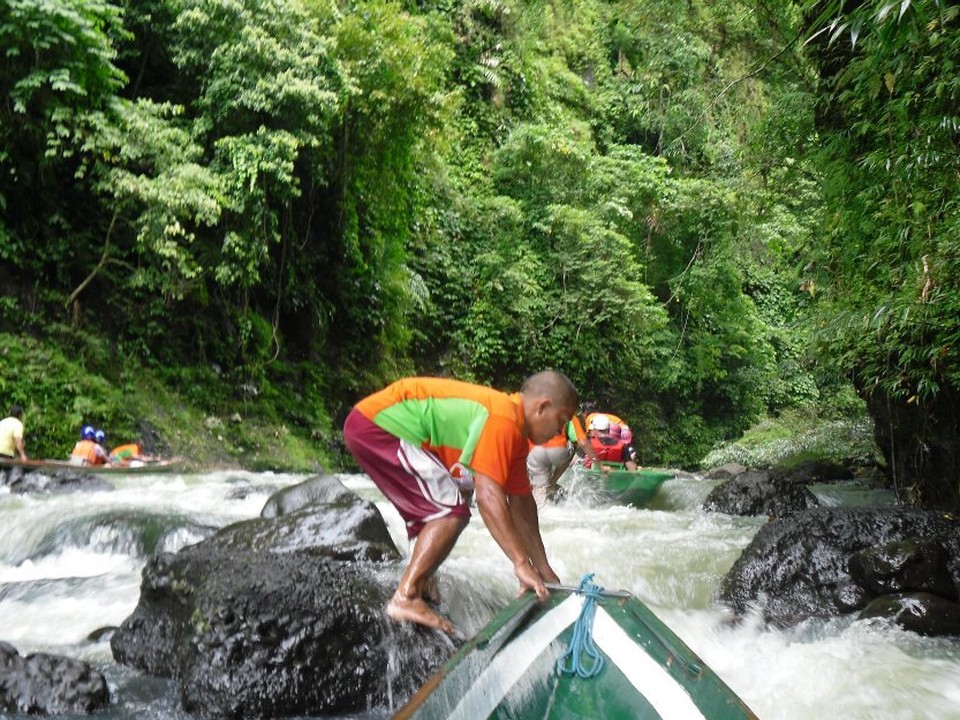
-
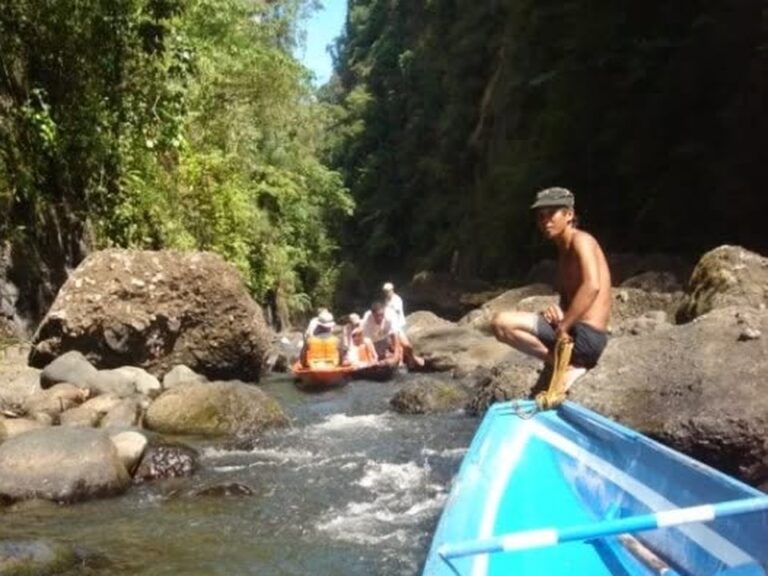
- Boatman at work
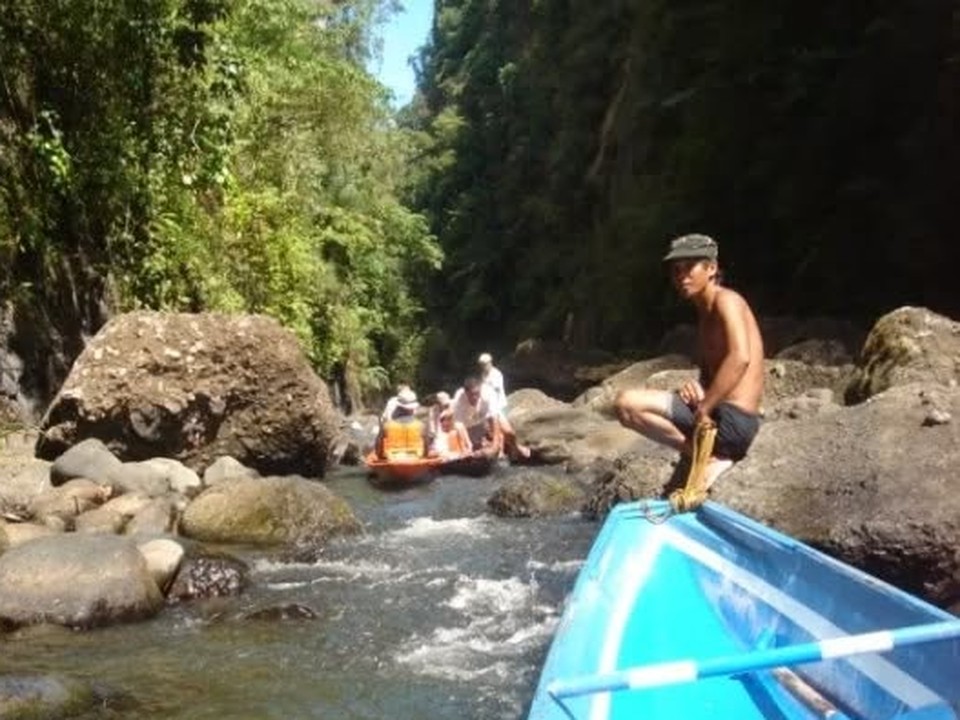
A Beer in the Middle of the Gorge
One of the things I’ve always enjoyed about the journey is stopping at one of the little refreshment areas along the river. You can usually grab some snacks, soft drinks and, on my visits, even a cold beer.
And I know what I like!
There’s something rather special about standing in the middle of this enormous gorge, surrounded by cliffs and rainforest, enjoying a relaxing beer while taking in the scenery.
You can also watch other visitors coming back downstream, shooting through the rapids with some pretty entertaining expressions on their faces.
It’s a nice little break before continuing towards the main waterfall.
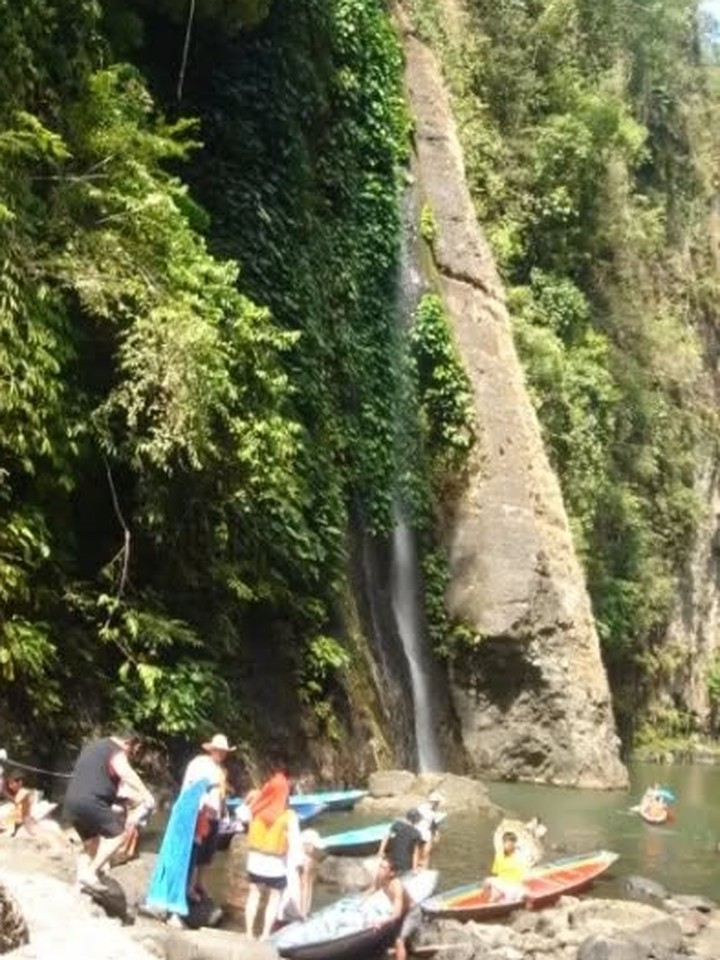
Arriving at Pagsanjan Falls
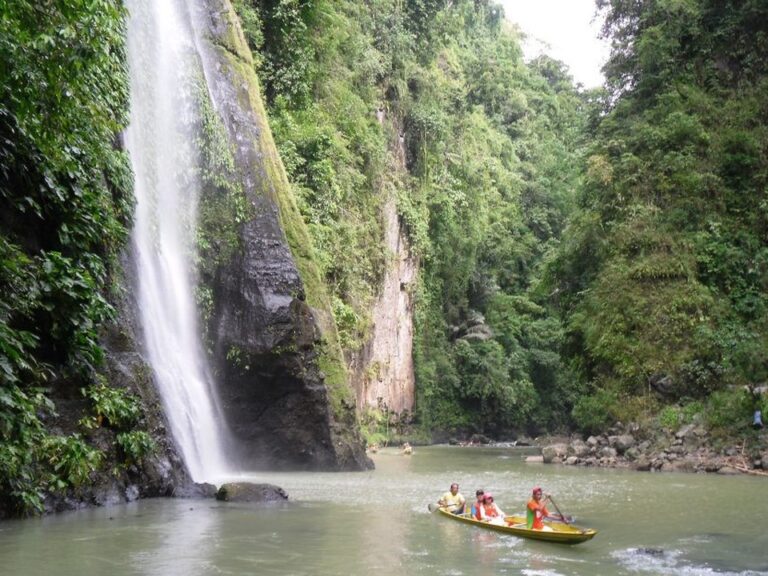
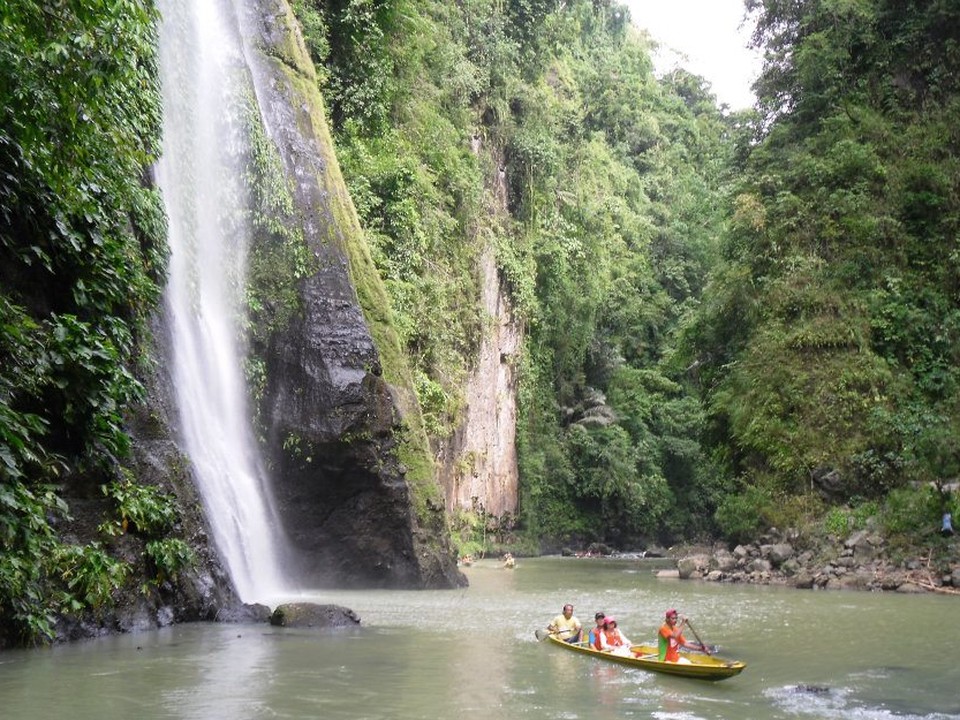
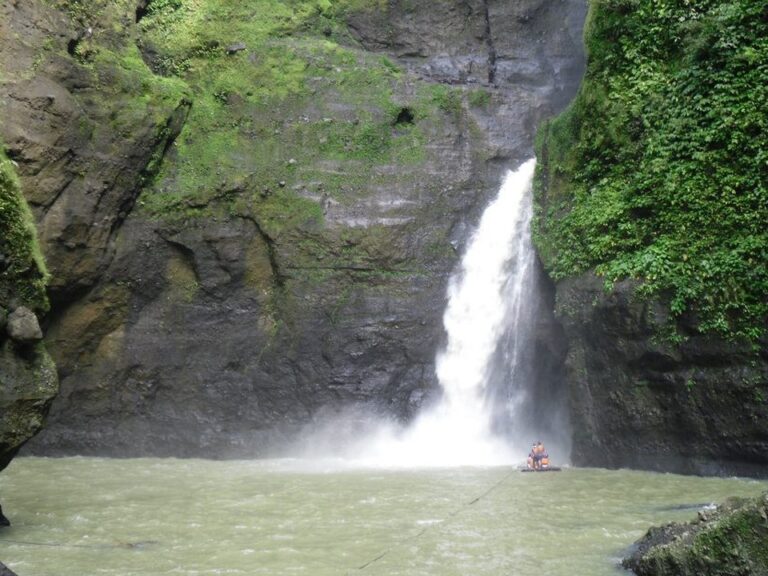
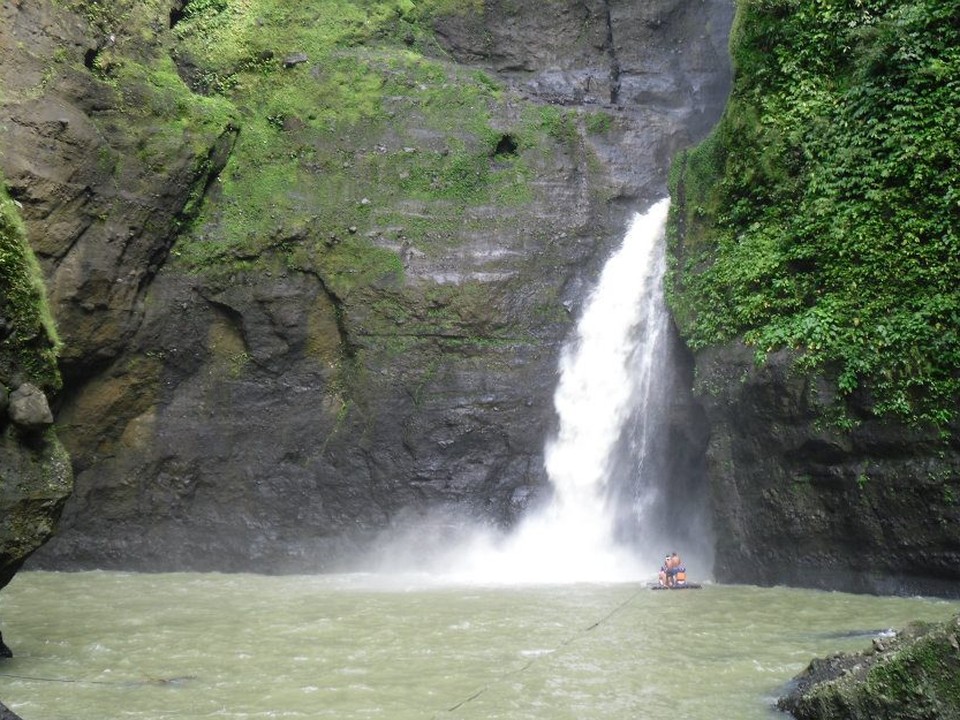
Eventually, after making your way through the gorge and negotiating the rapids, you arrive at Pagsanjan Falls. And it’s a super impressive sight.
Unlike those gently cascading waterfalls I mentioned earlier, Pagsanjan Falls is all about raw power.
The water comes thundering down into a large natural pool, creating an incredible amount of noise and spray.
The pool itself is quite deep towards the middle, although there are shallower sections around the edges where you may be able to get into the water, depending on the conditions.
However, the real experience here is taking the bamboo raft behind the waterfall.
-
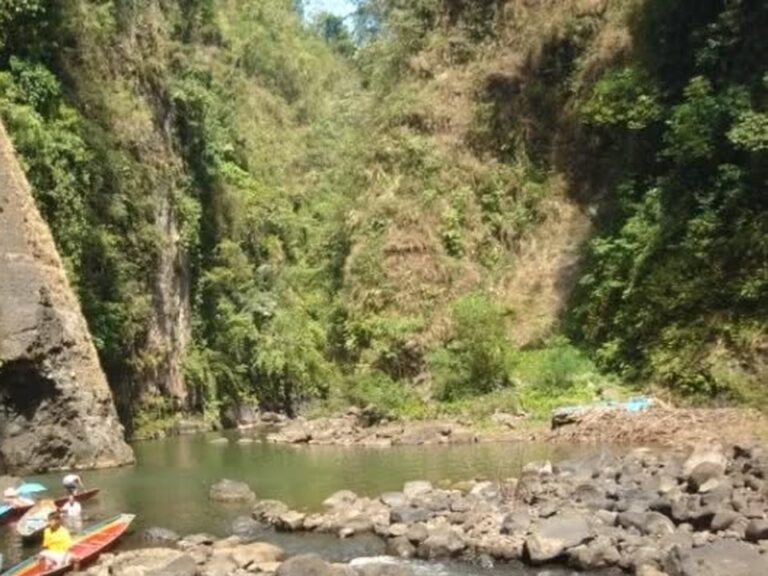
- Canoes at the bank
-
- Gorge waterfall
The Bamboo Raft and Devil’s Cave
This is something I’d definitely recommend if it’s operating when you visit. You climb aboard a bamboo raft, and the guides pull you across the pool towards the waterfall using a rope system.
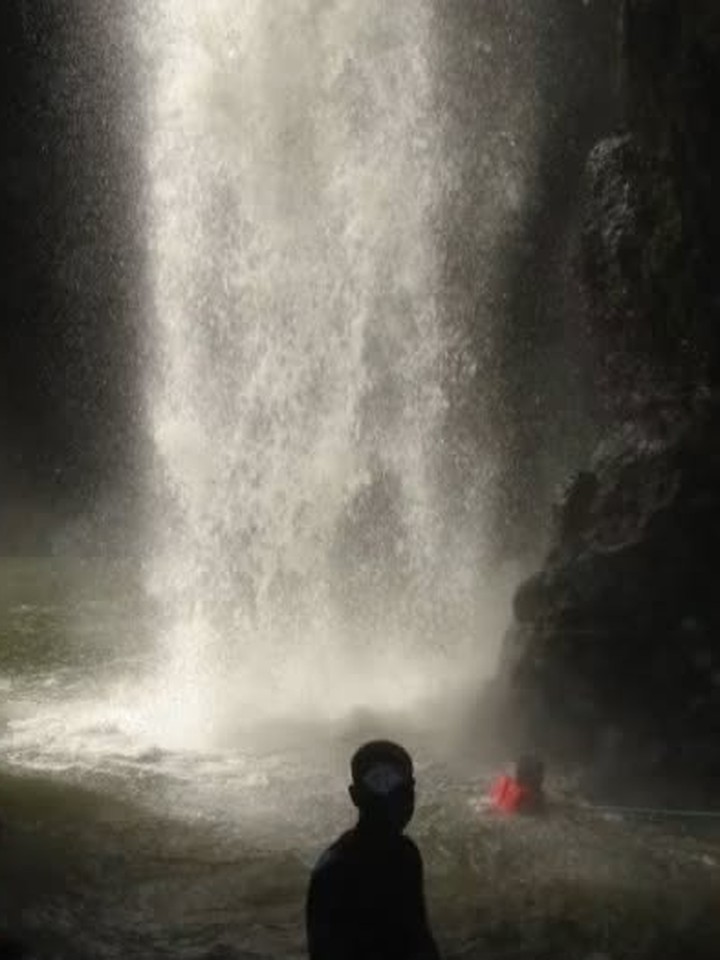
Then you go straight through the curtain of cascading water and into Devil’s Cave, which sits directly behind the falls.
It’s bloody incredible.
The noise of the water is almost deafening, and the sheer force of the water crashing down around you really makes you appreciate the power of nature.
Of all the experiences I’ve had at Pagsanjan Falls, this is probably where I’ve felt the most vulnerable.
Not because I necessarily felt unsafe, but because you’re suddenly right underneath this enormous volume of water, with very little separating you from it.
It’s quite an experience, and certainly something you won’t forget in a hurry.
-
- Gorge and falls
-
- Pagsanjan Falls
Shooting the Rapids: The Return Journey
Now comes the fun part!
The return journey downstream is known as shooting the rapids, and it’s a completely different experience from the peaceful trip upstream.
Instead of slowly working your way against the current, you’re now travelling with it, and the canoe picks up a fair bit of speed as you negotiate the rapids.
It’s exciting, exhilarating and definitely gets the adrenaline flowing. Once again, the boatmen are absolutely incredible.
They know exactly which path to take, how to steer around the larger rocks and how to position the canoe as it bounces through the rapids.
You’ll occasionally bump against rocks along the way, which is all part of the experience. One thing I’d strongly recommend is keeping your hands and fingers inside the canoe.
Some of those rocks are pretty big, and when you’re travelling at a reasonable speed, you certainly don’t want your fingers getting caught between the canoe and a rock.
I’ve never personally felt unsafe shooting the rapids. In fact, I’ve always found it thoroughly enjoyable. And while some people might prefer the excitement of the return journey, I actually enjoy both directions equally.
Going upstream is all about the scenery, tranquillity and connection with nature. Coming downstream is about excitement, adrenaline and appreciating the incredible skill of the boatmen.
They’re two completely different experiences, and together they make Pagsanjan Falls such a fantastic day out.
How Many Hours Do You Need?
I’d allow around five to six hours for the complete experience, including organising your boat, travelling upstream, spending time at the waterfall and returning downstream.
The actual boat journey can vary depending on river conditions, the number of visitors and how often you stop.
There’s no need to rush things. Half the enjoyment is simply being out on the river and appreciating the surroundings. If you’re travelling from Manila, I’d dedicate the entire day to the trip.
How Much Does Pagsanjan Falls Cost?
The pricing structure has changed over the years, so don’t rely on the older rates you might find online.
On my earlier visits, the canoe hire was relatively inexpensive, although the boatmen expected fairly substantial tips on top of the advertised price.
I’ve always found that arrangement a little confusing, particularly for first-time visitors. These blokes work incredibly hard, and they certainly deserve to be properly compensated for their efforts.
Nowadays, I’d recommend checking the current official boat rates and exactly what’s included before booking. Make sure you understand whether the price covers the boatmen, life jackets, entrance fees and the bamboo raft experience.
And don’t forget about tipping. After watching those boatmen drag, push and steer your canoe through the rapids for hours, you’ll certainly appreciate just how much work goes into the journey.
Where to Stay
Personally, I’ve always visited Pagsanjan Falls as a day trip, and I reckon that’s the best option if you’re based in Manila or nearby.
However, if you want to take your time exploring Laguna, there are accommodation options around Pagsanjan and neighbouring towns.
You could also stay around Caliraya Lake if you fancy spending a couple of days in the area. For most visitors, though, I wouldn’t necessarily recommend staying overnight just to see the falls. It’s a perfectly good day trip.
Best Time to Visit Pagsanjan Falls
The best time to visit Pagsanjan Falls depends on what you’re looking for. If you want to see the waterfall at its most powerful, you’ll generally want to visit when there’s been some decent rainfall.
The wetter months, particularly June to November, can produce a much stronger waterfall. However, there’s a catch. Heavy rainfall can make the river dangerous, and boat trips may be suspended when conditions aren’t suitable.
For a more comfortable and generally reliable experience, I’d recommend January to May, particularly towards the earlier part of the dry season if there’s been some recent rain.
Whatever time of year you visit, check the river conditions before heading off. The boat journey is the main attraction, so there’s not much point travelling all that way if the river trips have been suspended. I also recommend going on weekday when there are fewer visitors.
How to Get to Pagsanjan Falls
Pagsanjan is located in Laguna province, approximately 100 kilometres southeast of Manila, making it a very manageable day trip.
By Car from Manila
The easiest option is to drive. Take the South Luzon Expressway (SLEX), exit at Calamba and continue through Los Baños, Bay, Victoria, Pila and Santa Cruz before reaching Pagsanjan.
Allow around 2.5 to 3.5 hours each way, depending on traffic and where you’re coming from in Metro Manila.
Once you reach Pagsanjan, head towards one of the authorised boat departure points. I’ve always arranged my trips locally, although if you’re unfamiliar with the area, I’d recommend organising everything in advance.
By Public Transport
From the Buendia bus terminals in Pasay, take a bus heading towards Santa Cruz, Laguna. From Santa Cruz, you can catch a jeepney or tricycle into Pagsanjan.
Allow approximately three to four hours for the journey, including connections.
Organised Tours
If you’re visiting the Philippines for the first time, an organised day tour from Manila is probably the easiest option.
You won’t need to worry about finding the boat departure area, negotiating prices or arranging transport home.
Can You Reach Pagsanjan Falls from Cavinti?
Yes, there’s another way to reach the waterfall through Pueblo El Salvador Nature Park in Cavinti.
This involves descending steep metal stairways and ladders into the gorge, with assisted sections, rather than taking the traditional canoe journey upstream.
It’s an option worth considering if you enjoy a more physically demanding adventure.
Personally, though, I’d recommend the traditional Pagsanjan boat journey. For me, travelling through that spectacular gorge is what makes the whole experience so special.
Good to Know Before You Go
- Wear comfortable clothes and footwear that can get wet.
- Bring a waterproof bag for your phone, camera and valuables.
- Keep your hands inside the canoe when navigating the rapids.
- Check current boat rates, tipping arrangements and river conditions before travelling.
- Allow plenty of time and don’t rush the journey through the gorge.
Dezza’s Tip
Don’t judge Pagsanjan Falls purely by the waterfall itself. For me, the real attraction is the entire journey.
It’s the peaceful trip through the gorge, the enormous cliffs towering above you, the incredible work of the boatmen, the power of the waterfall and the excitement of shooting the rapids on the way back.
And if you’ve got the opportunity to take the bamboo raft into Devil’s Cave, definitely do it.
I’ve visited several times since 2007, and it’s an experience I’d happily recommend to anyone visiting the Philippines.
Just make sure you leave enough time to enjoy the journey, rather than treating the waterfall as something you simply need to tick off your list.
And if you get the opportunity to enjoy a cold beer halfway through the gorge, well, that’s not a bad way to spend an afternoon either!
Pagsanjan Falls FAQs
How do you get to Pagsanjan Falls from Manila?
Pagsanjan is in Laguna province, roughly 100 kilometres south-east of Manila, which makes it a very manageable day trip. By car, take SLEX, exit at Calamba and continue through Los Baños, Bay, Victoria, Pila and Santa Cruz, allowing around 2.5 to 3.5 hours each way. By bus, take one heading to Santa Cruz from the Buendia terminals in Pasay, then a jeepney or tricycle, for roughly three to four hours in total.
How long does the Pagsanjan Falls trip take?
I would allow around five to six hours for the complete experience, including organising your boat, travelling upstream, spending time at the waterfall and returning downstream. The boat journey varies with river conditions, the number of visitors and how often you stop. If you are travelling from Manila, dedicate the whole day to it, because half the enjoyment is simply being out on the river taking in the gorge.
What is the best time to visit Pagsanjan Falls?
If you want the waterfall at its most powerful, visit after decent rain, and the wetter months from June to November can produce a much stronger flow. The catch is that heavy rain can make the river dangerous and boat trips may be suspended. For a more reliable experience I recommend January to May. Whatever the season, check river conditions before you go, and try to visit on a weekday when there are fewer people.
How much does Pagsanjan Falls cost and what is included?
Pricing has changed over the years, so do not rely on older rates you find online. Check the current official boat rates and exactly what is included before booking, including whether the price covers the boatmen, life jackets, entrance fees and the bamboo raft into Devil’s Cave. The boatmen work incredibly hard dragging and steering the canoe through the rapids, so allow for a tip as well.
You Might Also Like
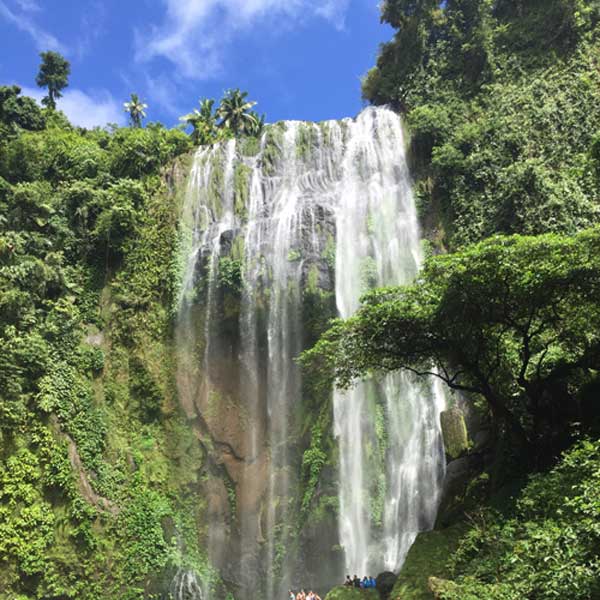 Hulugan FallsA jungle waterfall in Laguna
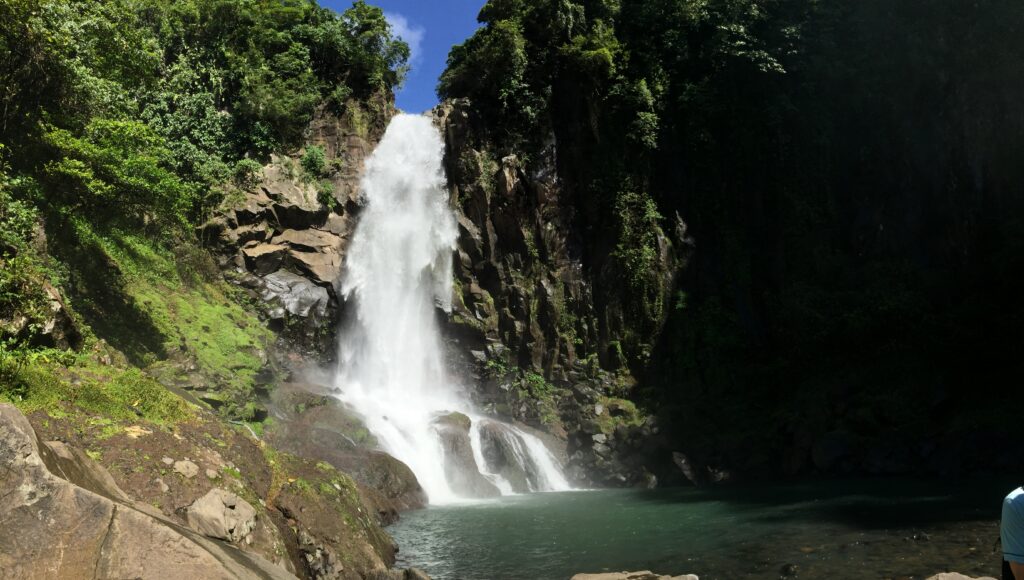 Buntot Palos FallsA pretty waterfall in Laguna
 Hidden Valley SpringsNatural spring pools in Laguna
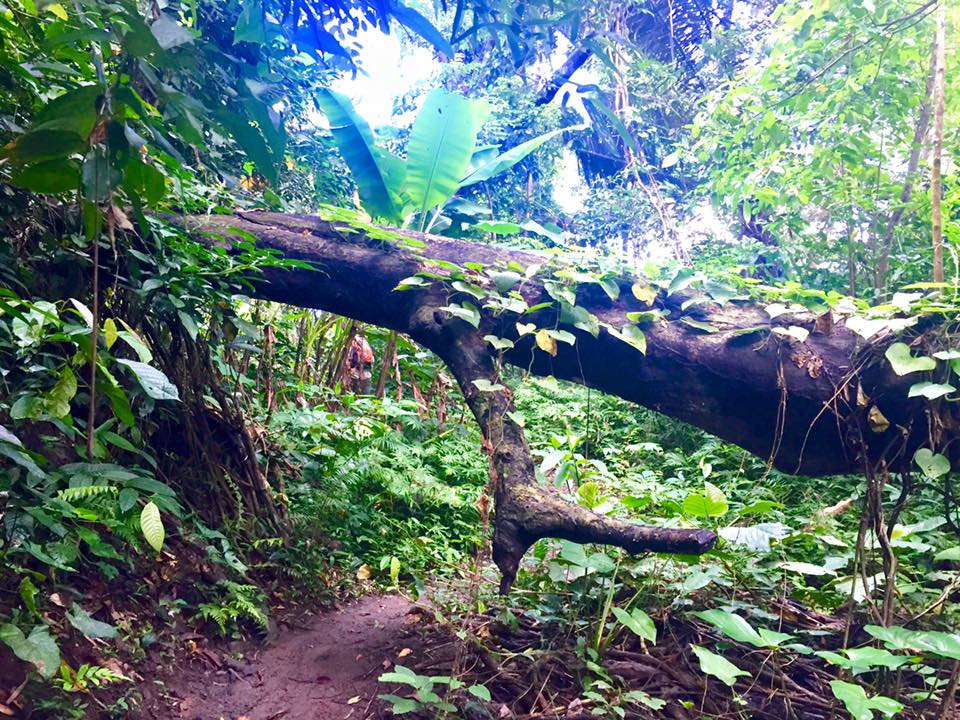 Mt. MakilingA forested mountain in Laguna
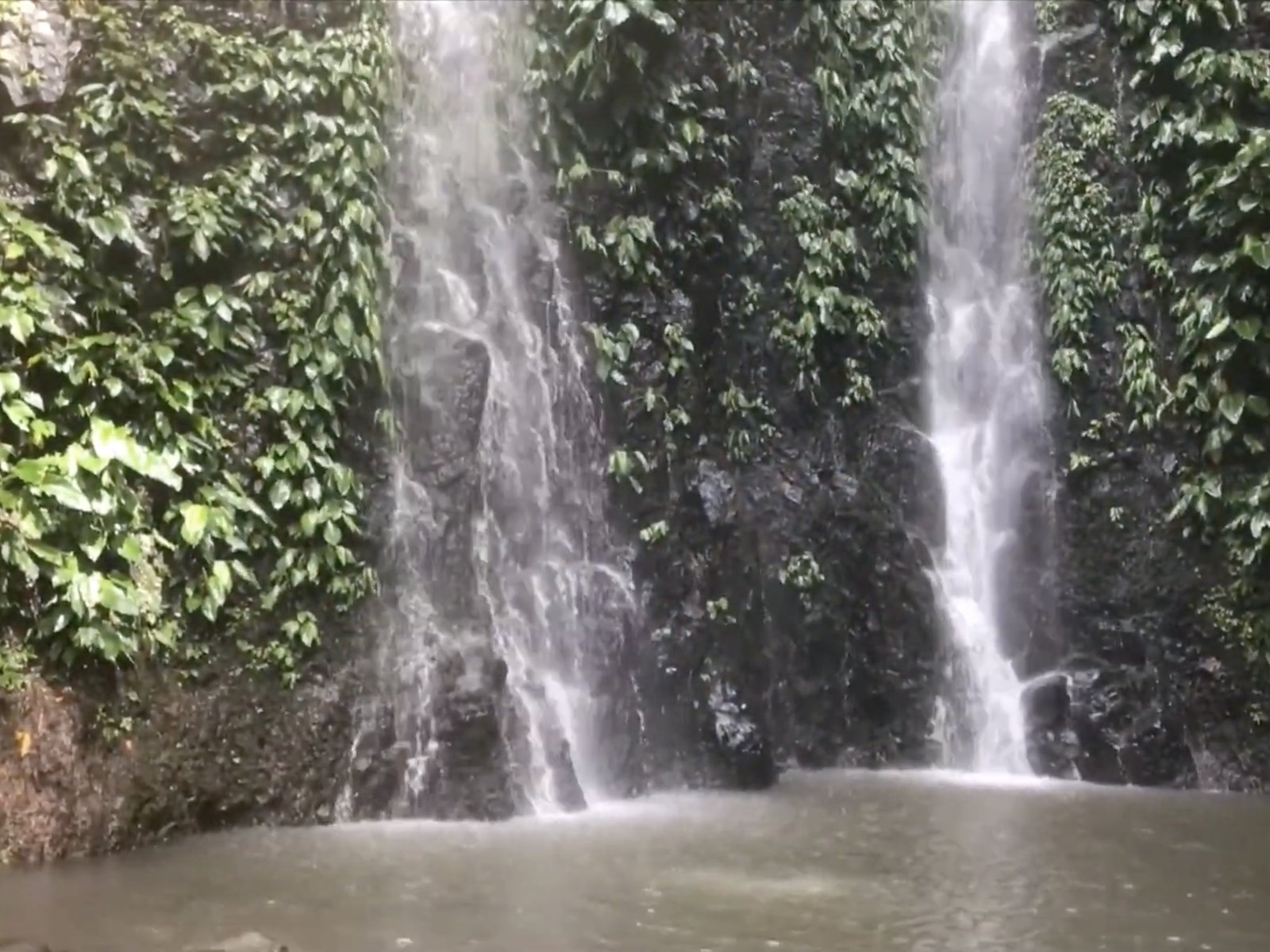 PaeteWaterfalls, mountain views and woodcarving
 Mt. RomeloAn easy hike to three waterfalls
 Panguil Eco ParkRiver park with waterfalls and swimming in Pangil.
 Ambon-Ambon FallsRiver trek and canyon waterfall in Pangil.
Watch The Full Video
Where Is Pagsanjan Falls?

Unsubscribe anytime.