


Apo Island: Snorkelling With Sea Turtles Near Dumaguete
Apo Island is a small island off the coast of Negros Oriental, near Dumaguete, and one of the best places in the Philippines for snorkelling and scuba diving.
Apo Island sits in the Visayas, about a one-hour flight from Manila to Dumaguete, followed by a road trip to Malatapay and a short boat ride across.
I visited in July 2019 with my friend Greg, who lives near Dumaguete, and it turned out to be one of my favourite snorkelling experiences in the Philippines.
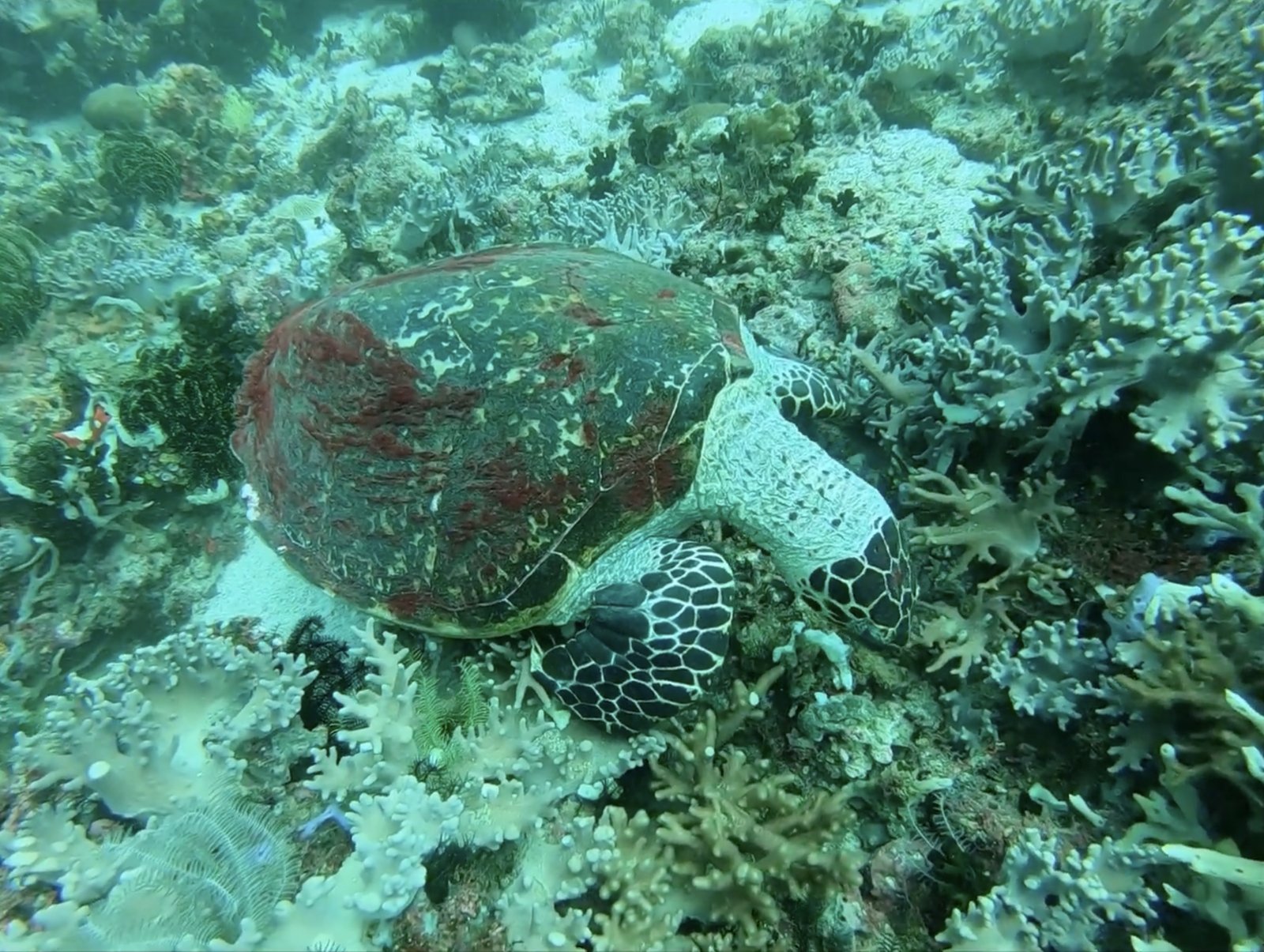
What makes Apo Island special is how close you can get to the sea turtles. You don’t have to swim hundreds of metres offshore to find them. They’re often feeding in the shallow water close to the beach, surrounded by some epic coral gardens.
Even though the water was a little rough when we visited, it was an absolutely incredible experience.
Best Time to Visit Apo Island
I reckon March to May is the best time to check out Apo Island, when conditions are generally warmer, drier and more favourable for snorkelling, diving and boat crossings.
The island can be visited throughout the year, although seasonal winds, waves and daily tides can have a negative impact on your experience.
- December to May: Generally the more favourable season, with March to May particularly good for calmer conditions.
- June to October: Southwest monsoon season (Habagat), when rougher seas and occasional boat cancellations are more likely.
- November: A transitional period, with conditions influenced by the developing northeast monsoon.
Sea turtles can be seen year-round, so visiting outside the ideal months doesn’t mean you’ll miss out.
Seasonal winds and daily tides: What I experienced
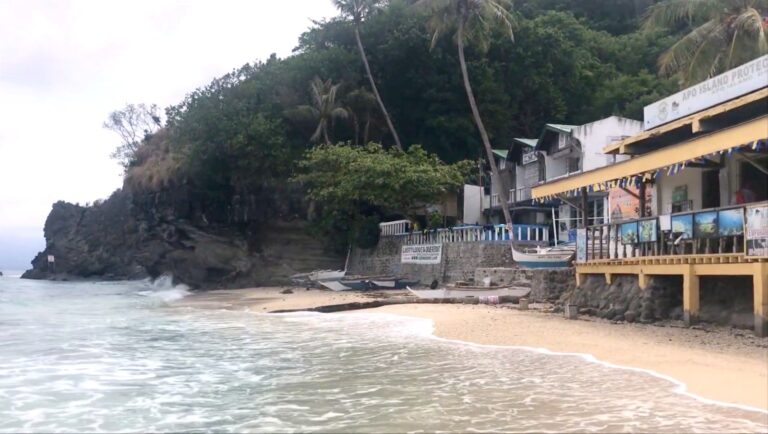
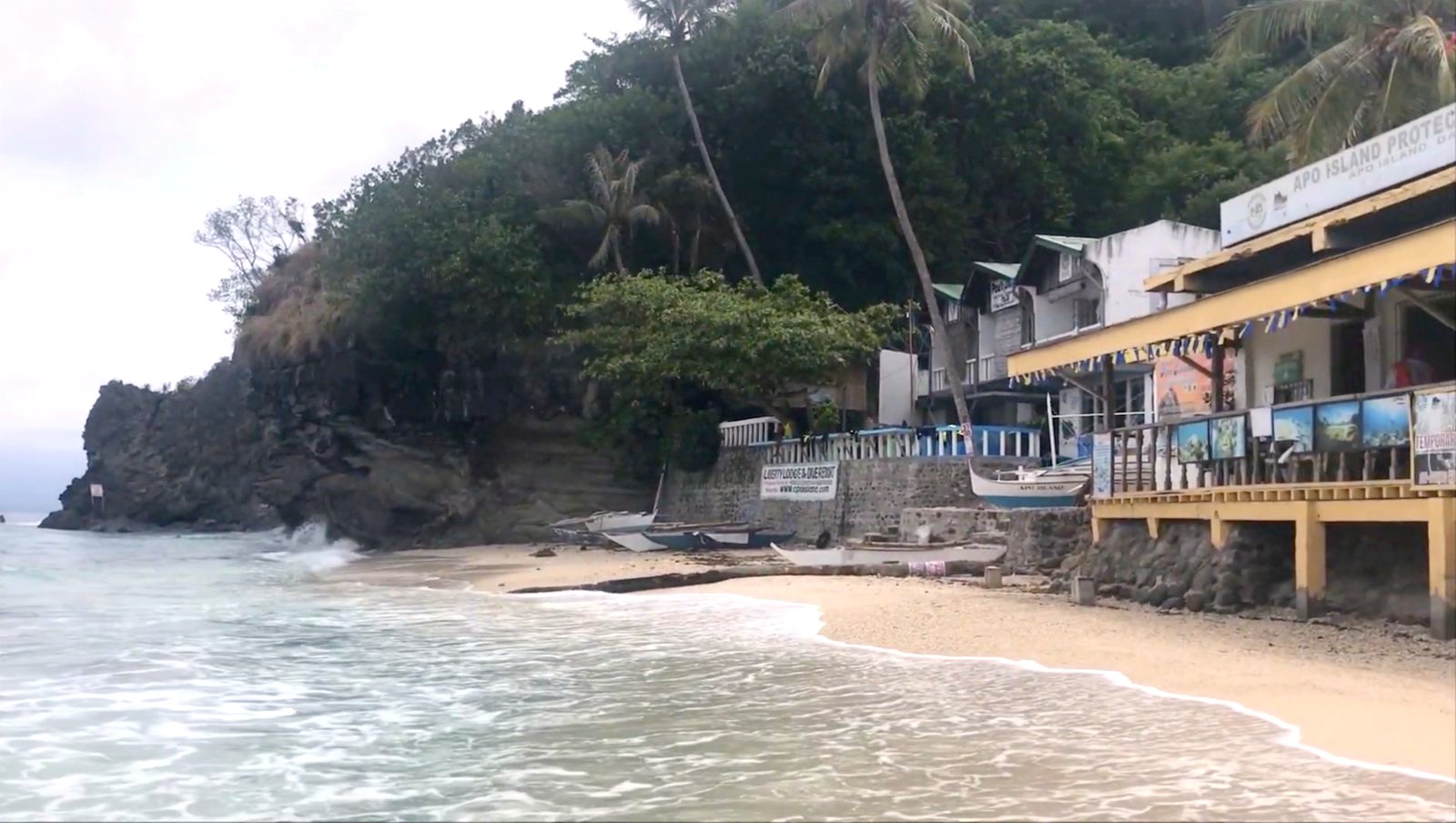
When I visited in July, the sea was too choppy for our boat to land at the usual arrival area. Instead, the boatman took us around to another side of the island, where we got off and walked about 10-15 minutes to the main snorkelling area.
Once we arrived, they told us to wait for about an hour for the tide to go out. The water was washing right up to the beachfront huts, and the guides told us that conditions would improve as the tide dropped.
They were right. We eventually enjoyed some fantastic snorkelling, and within a couple of hours the tide had receded considerably.
My advice: Aim for an early morning crossing but check both the weather and tides with your boat operator. Don’t assume low tide is always best. Local guides know which conditions are suitable for snorkelling on the day.
-
- Dive resorts
-
- Rock formation
Things to Do on Apo Island
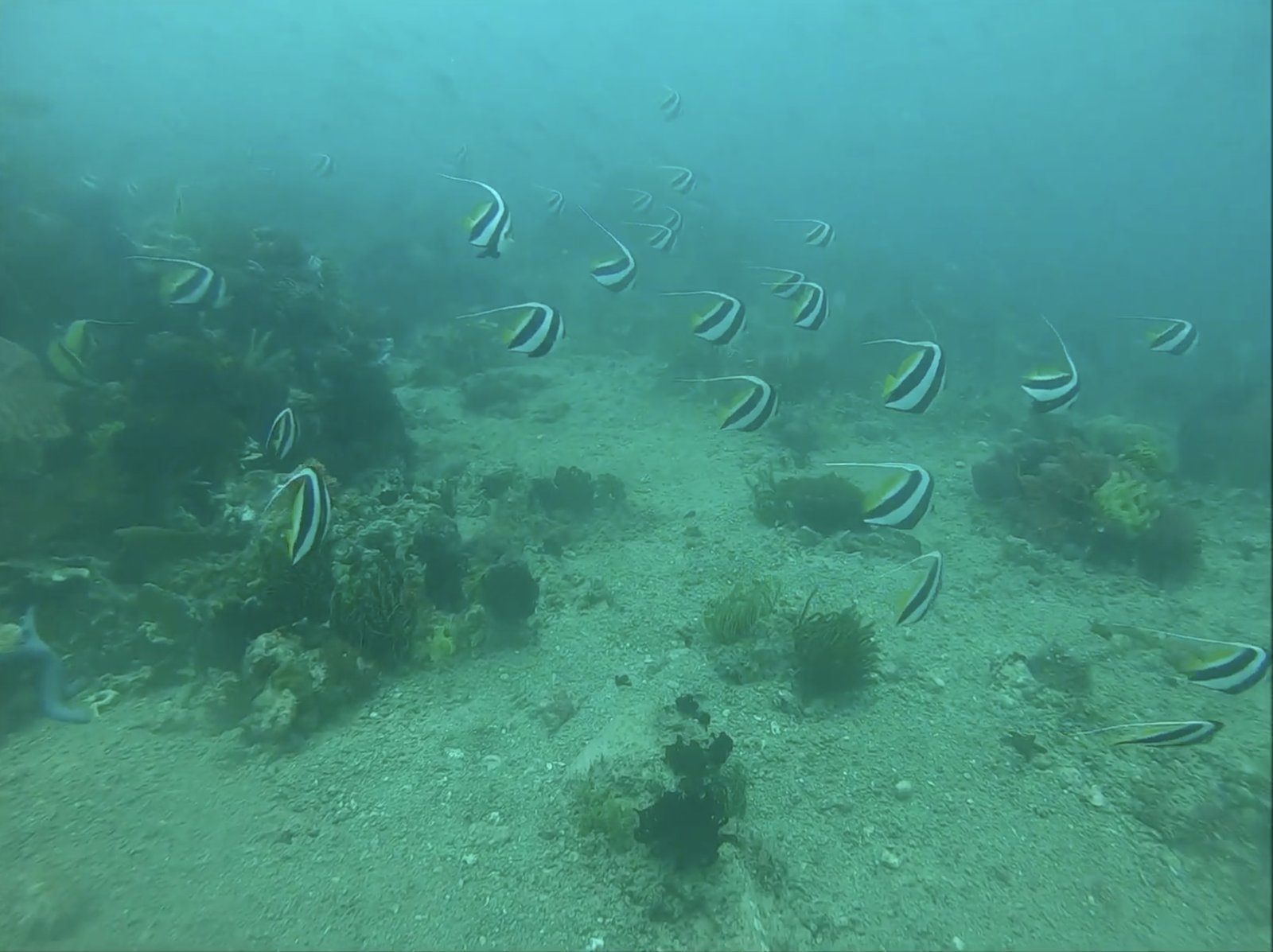
Snorkel With Sea Turtles
This is the main reason I’d recommend visiting Apo Island.
The snorkelling area felt surprisingly intimate compared with some of the larger reef areas I’ve explored. We encountered two or three sea turtles swimming remarkably close to shore.
There are actually seven species of sea turtles in the world, five of which can be found in Philippine waters. The two most common around Apo Island are the green sea turtle and the hawksbill.
There were other snorkellers around, and it did get a little crowded, but being so close to these beautiful creatures was an unforgettable experience.
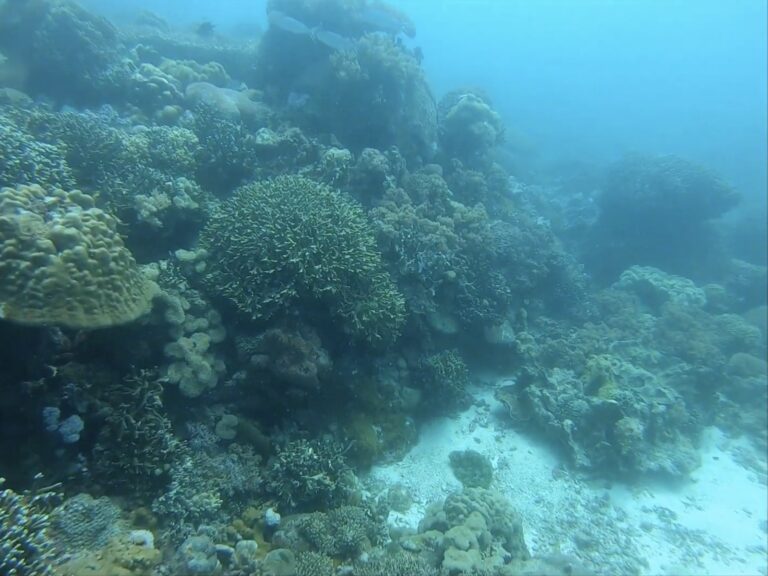
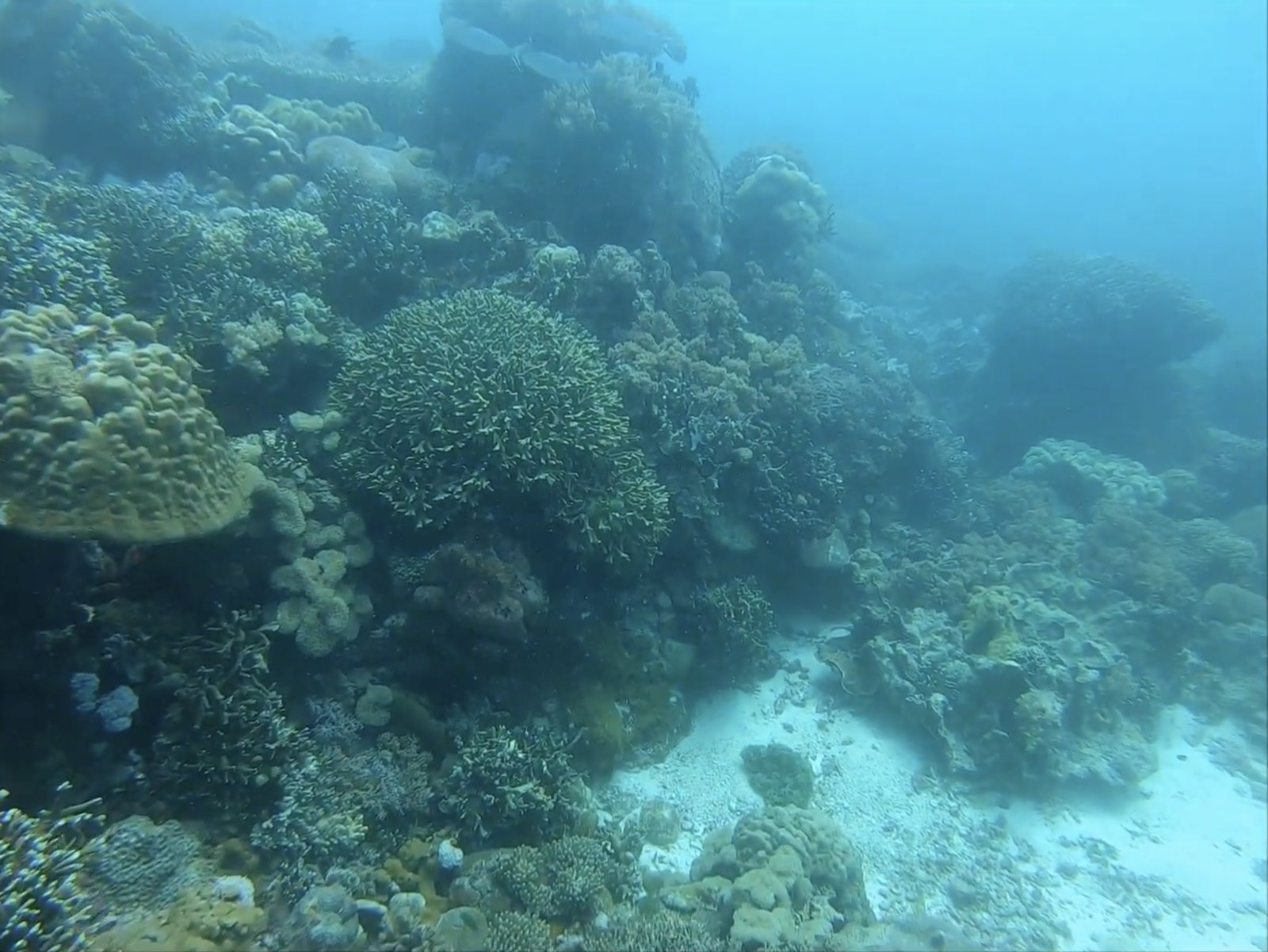
The coral gardens were equally impressive, with plenty to see beneath the surface. Just remember to give the turtles some space, avoid touching them and never stand on the coral.
-
- Coral reef
-
- Clownfish
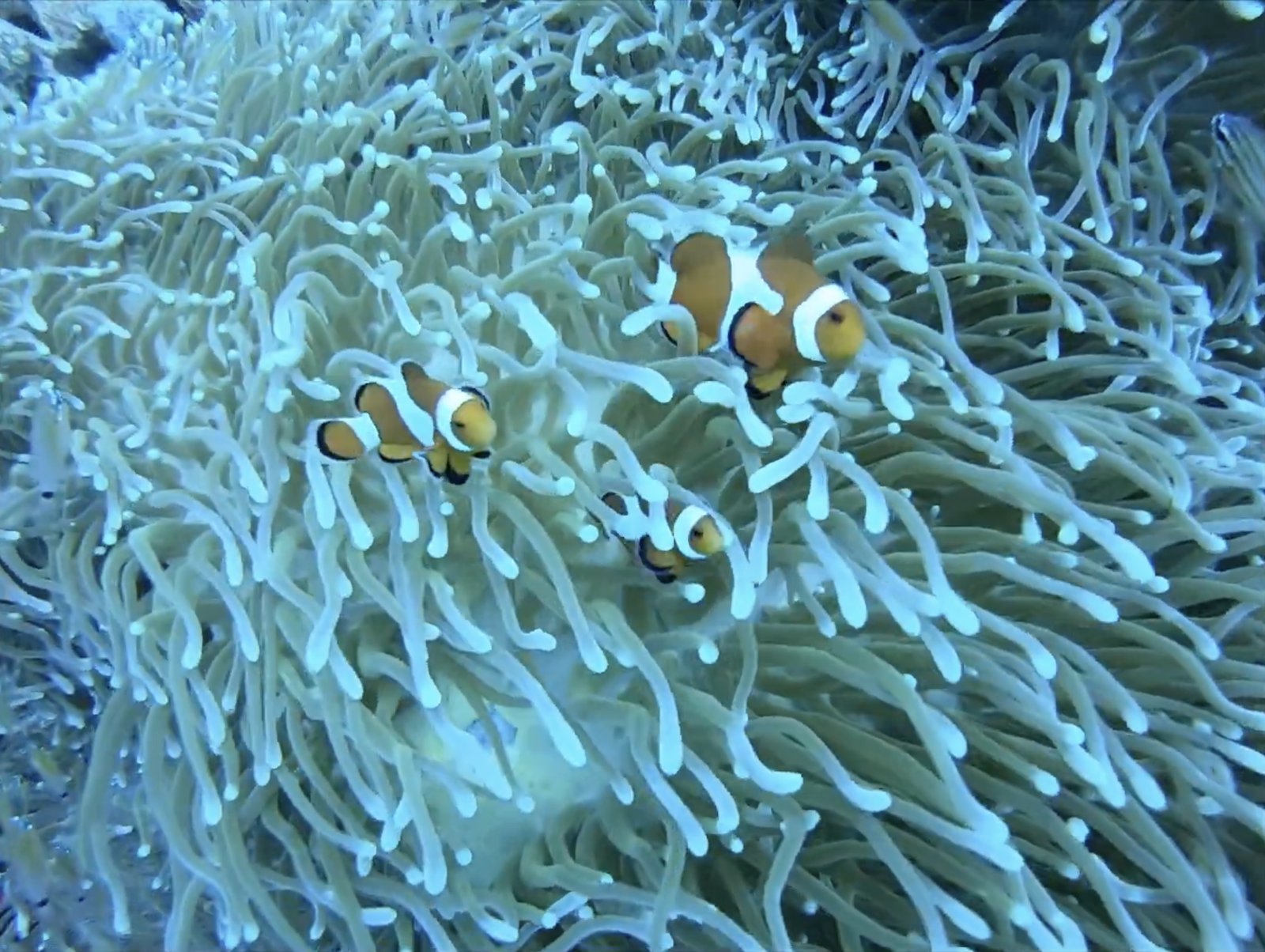
-
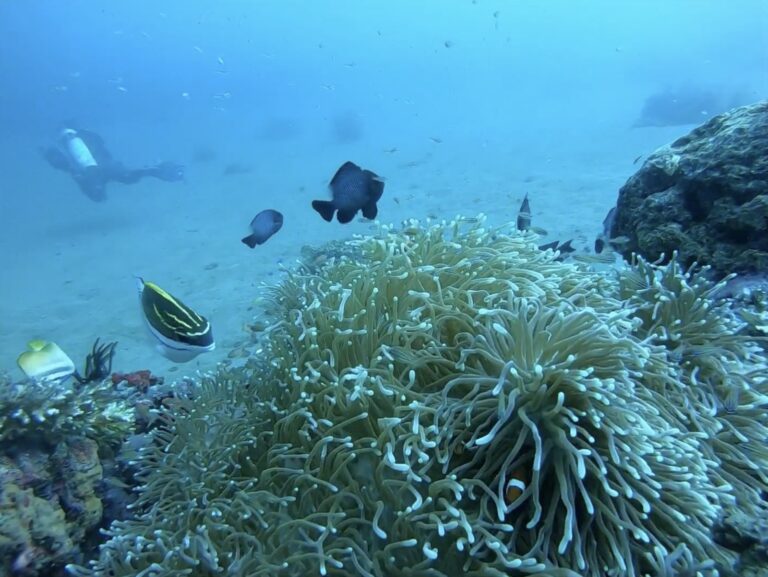
- Anemone garden
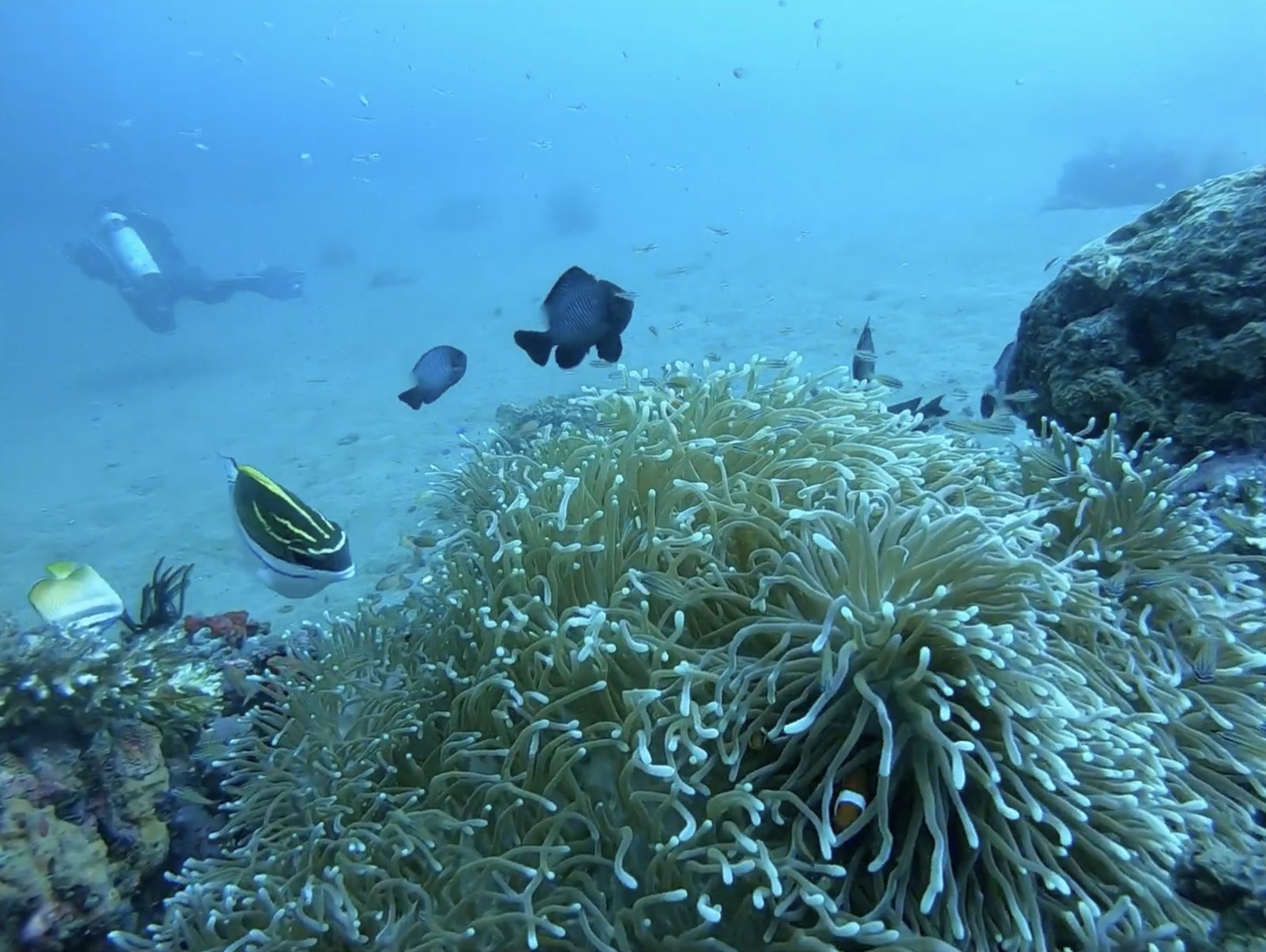
-
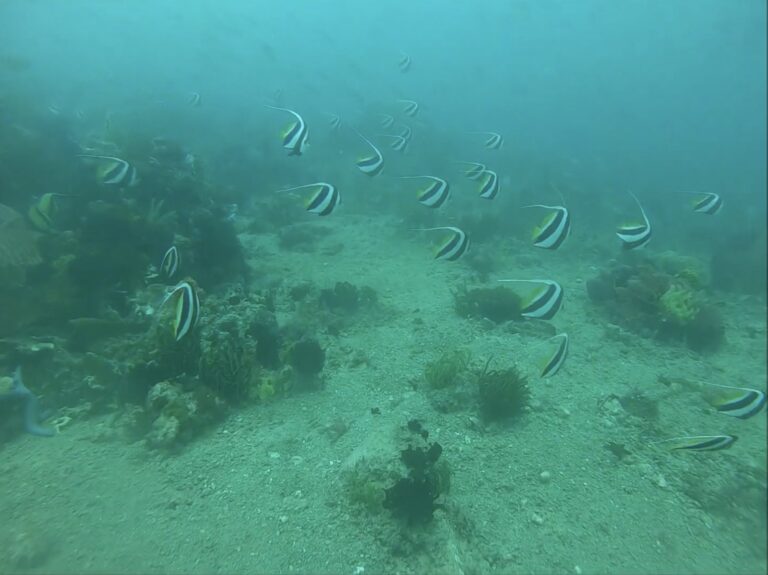
- Bannerfish
Scuba Diving
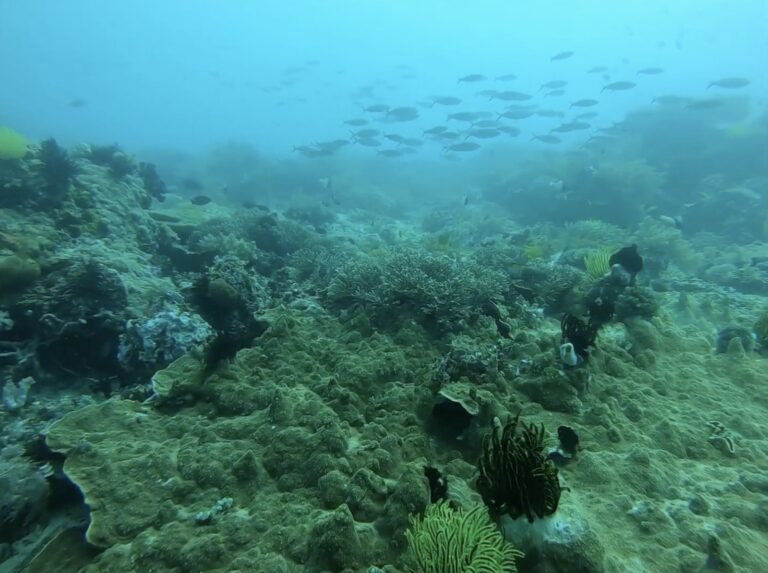
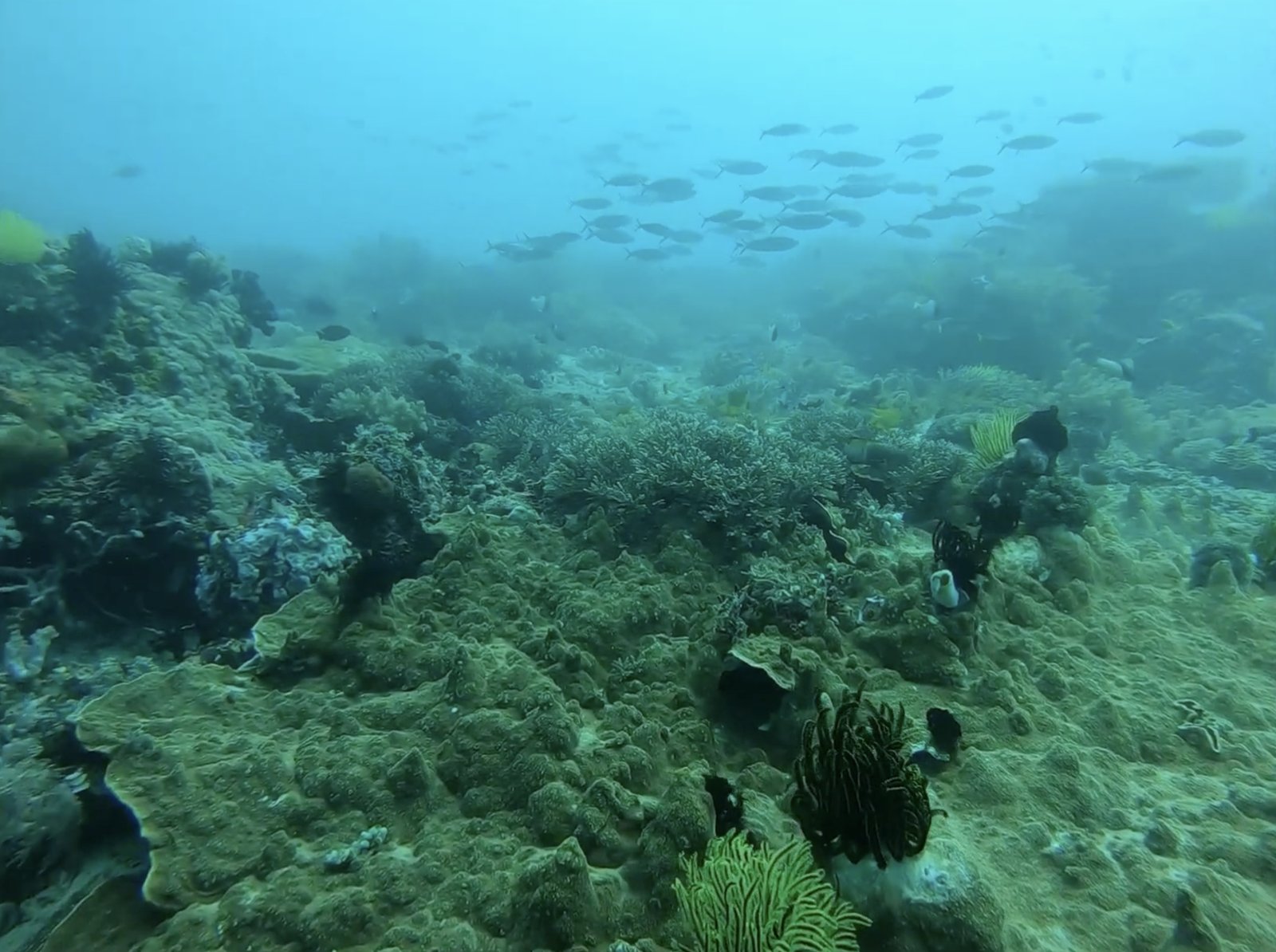
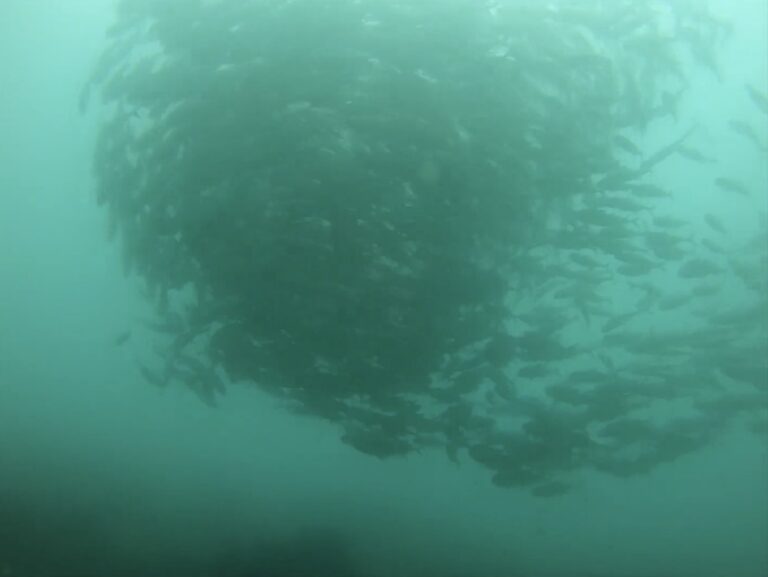
Apo Island is also well known for its diving, with coral walls, marine life and several established dive sites around the island.
My visit was purely for snorkelling, but a good friend of mine who lives near Dumaguete is an avid diver and regularly visits Apo Island. He’s dived in plenty of places, which says something about how highly he regards it.
If you’re a certified diver, it’s certainly worth checking out the dive trips available from Dumaguete and Dauin.
-
- Reef and fish
-
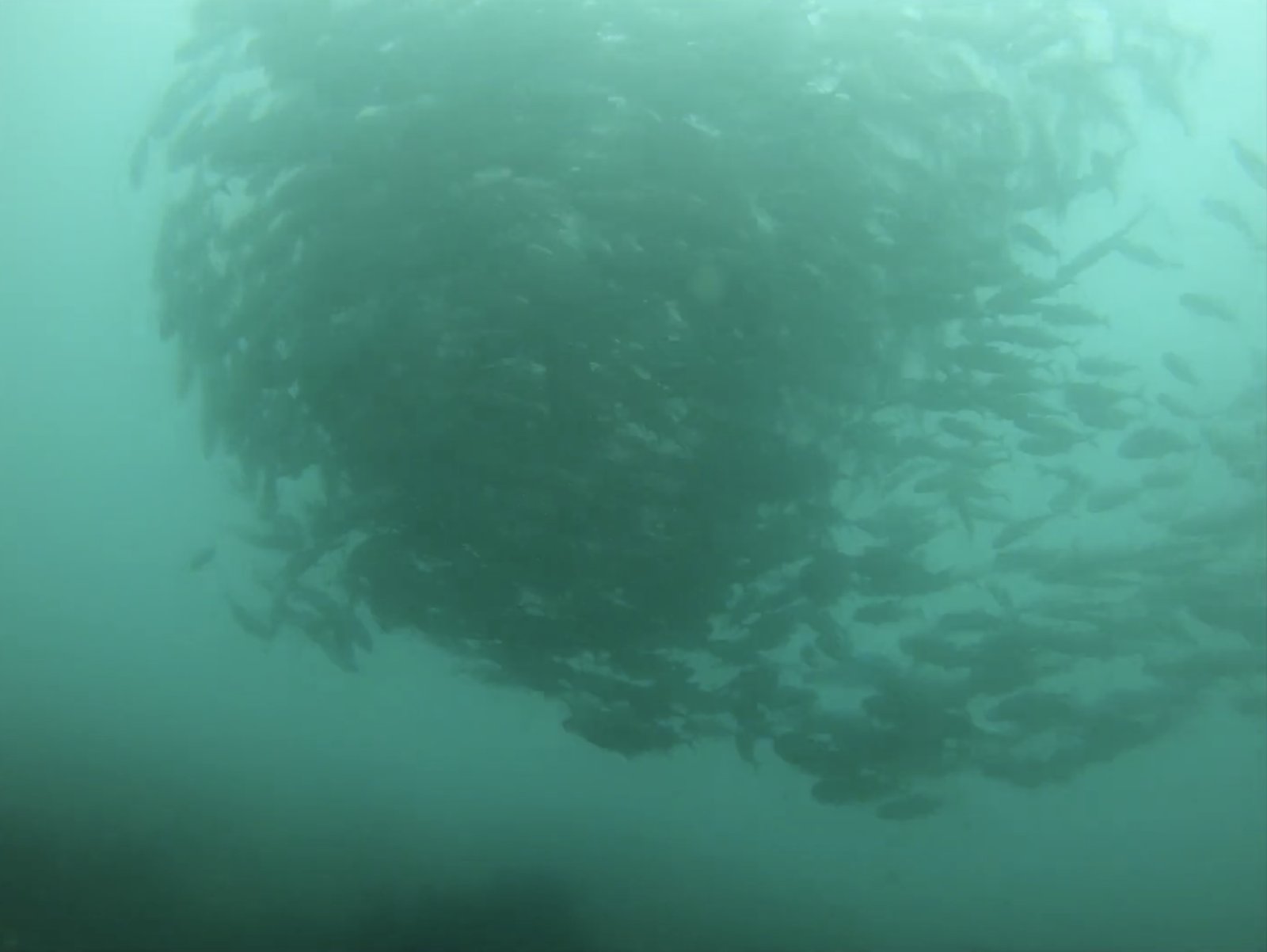
- School of jacks
-
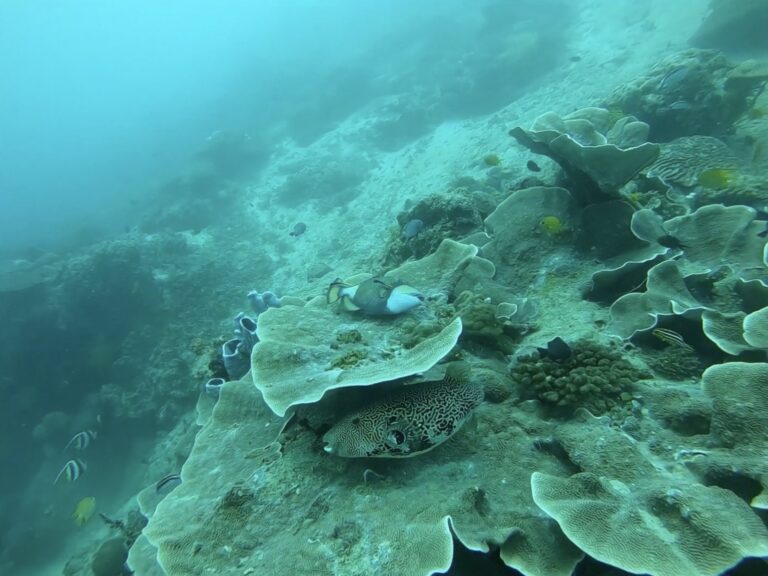
- Pufferfish
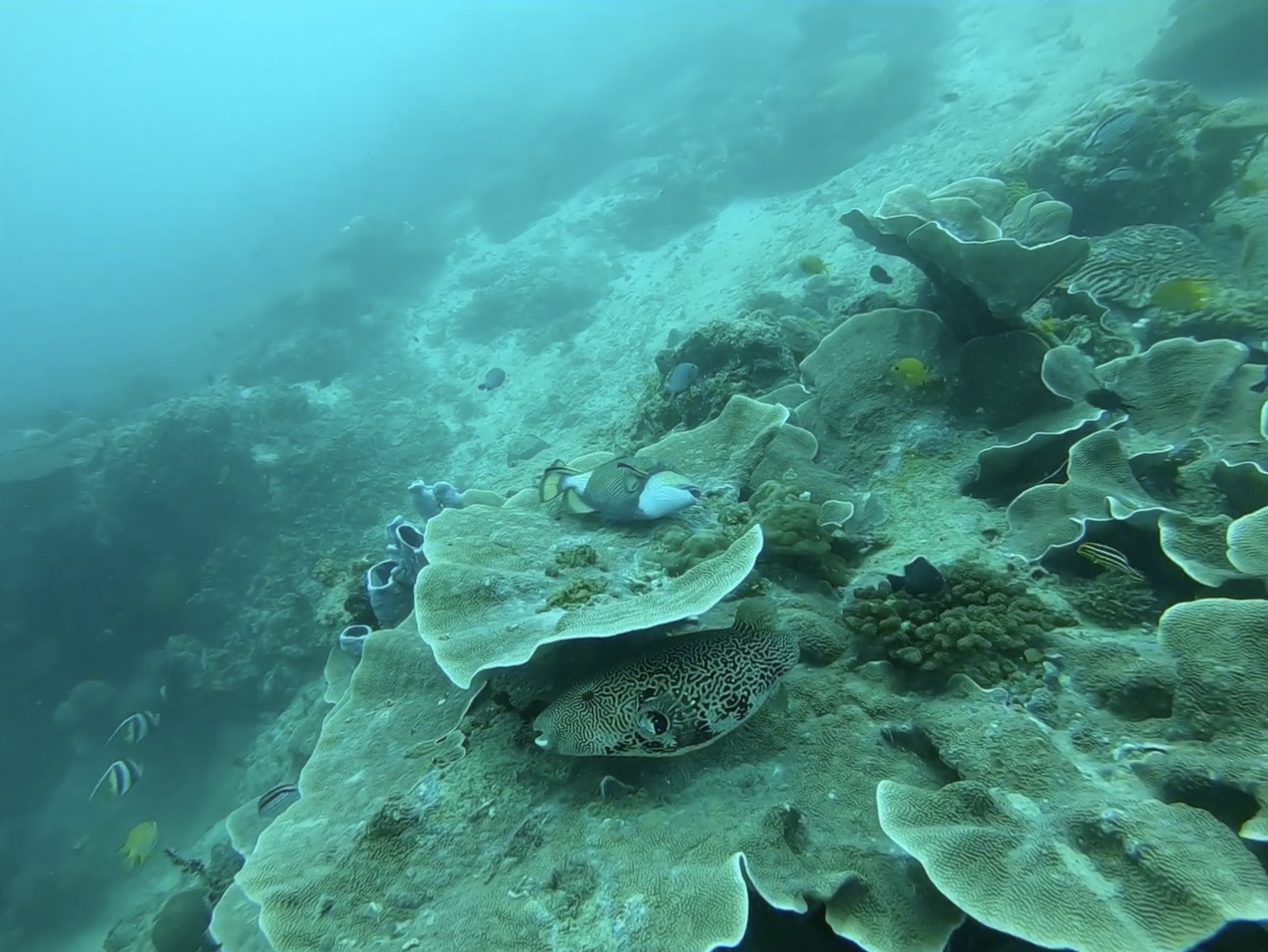
-
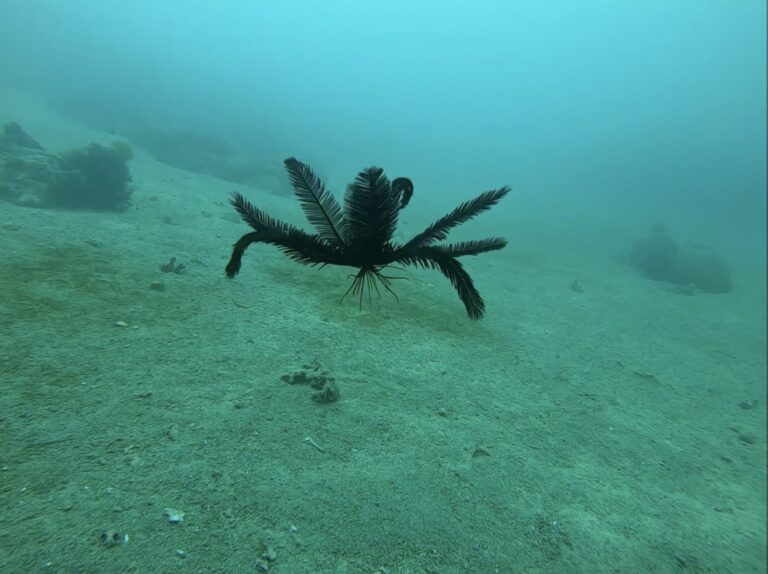
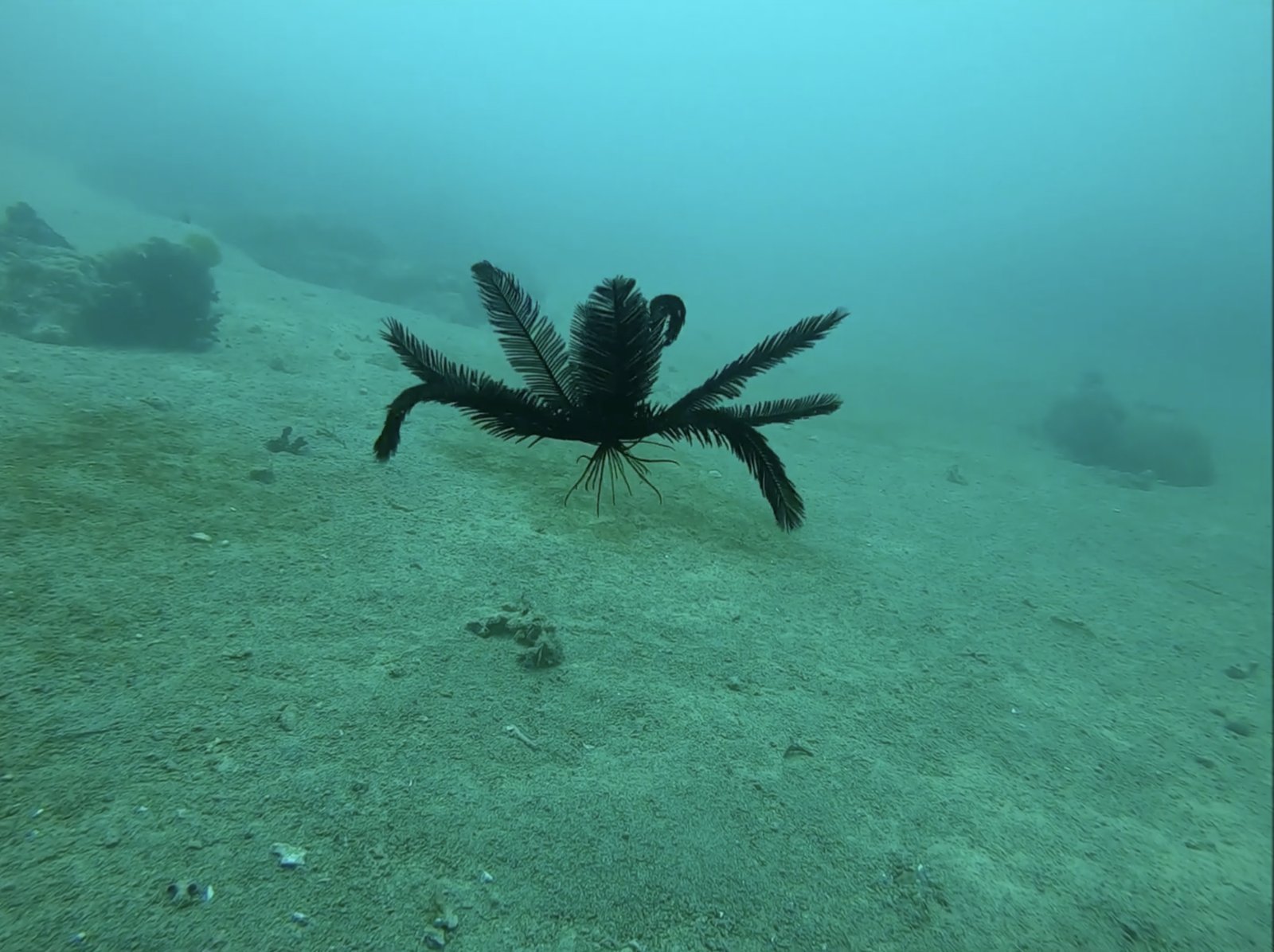
- Feather star
Walk Up to the Apo Island Lighthouse
After snorkelling, we decided to climb the hill to the lighthouse.
There are approximately 360 steps, along with some steep sections and unpaved paths. It’s not particularly difficult if you’re reasonably fit, although the tropical heat certainly makes it a bit more challenging.
The reward is some fantastic views across the surrounding ocean and coastline. It’s not something you absolutely have to do, but if you enjoy a little adventure and great views, I’d recommend making the climb.
Explore the Beaches and Rocky Coves
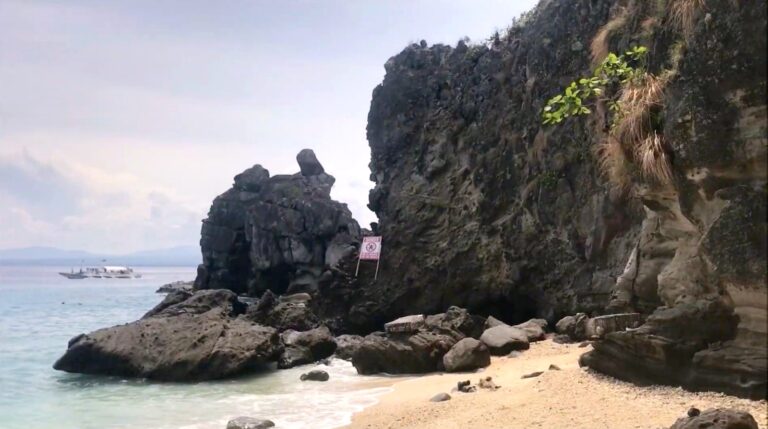
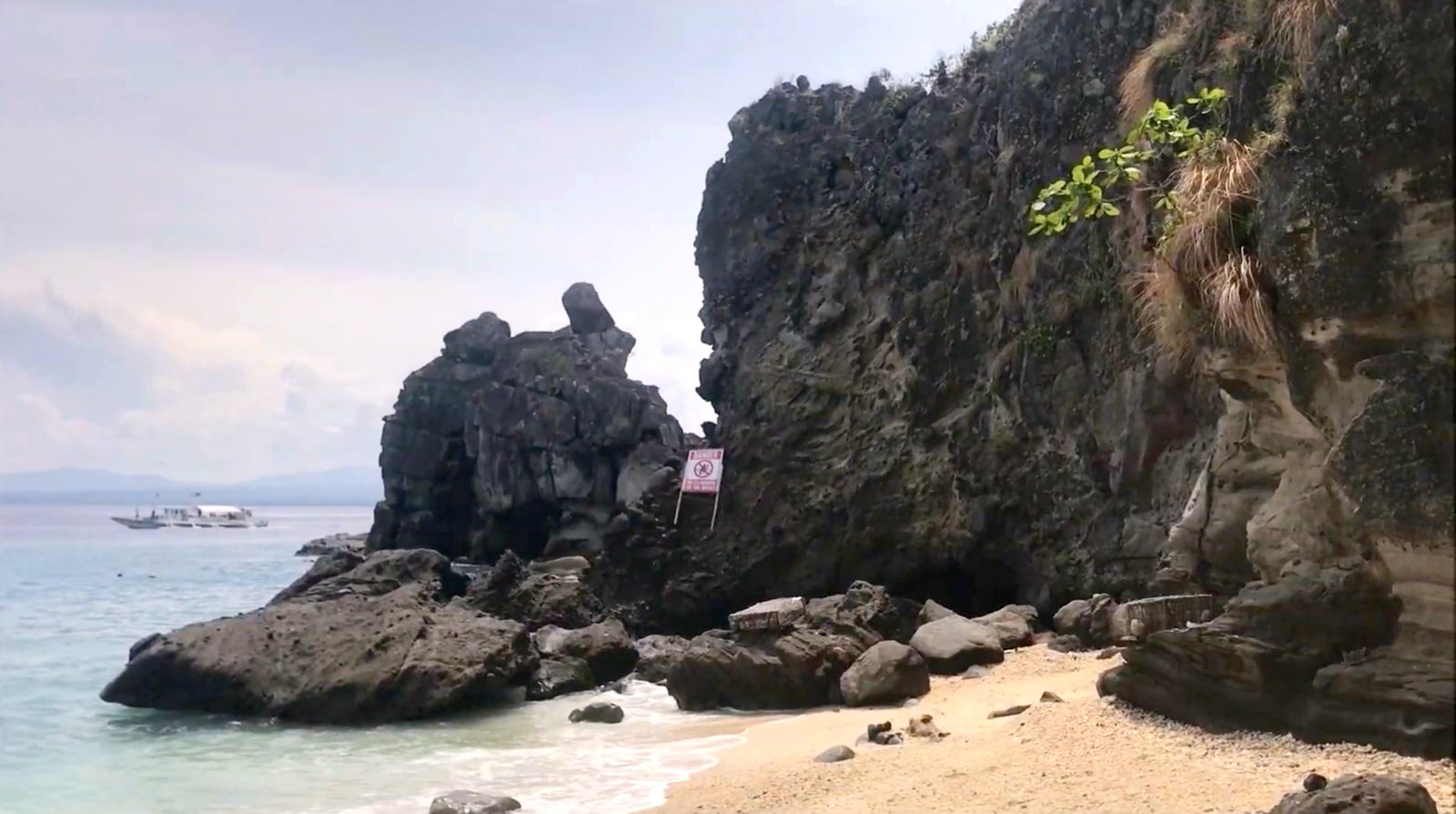
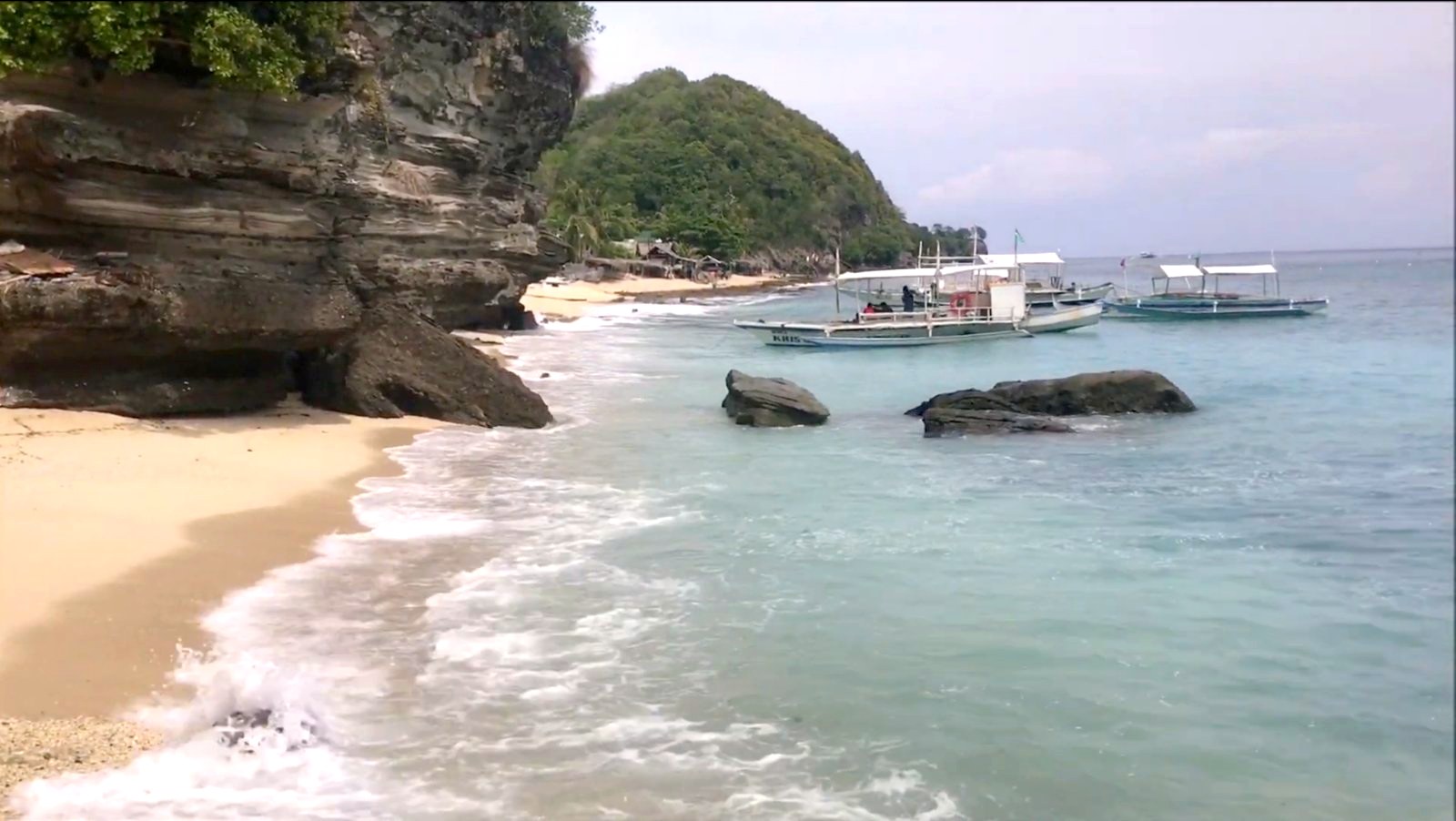
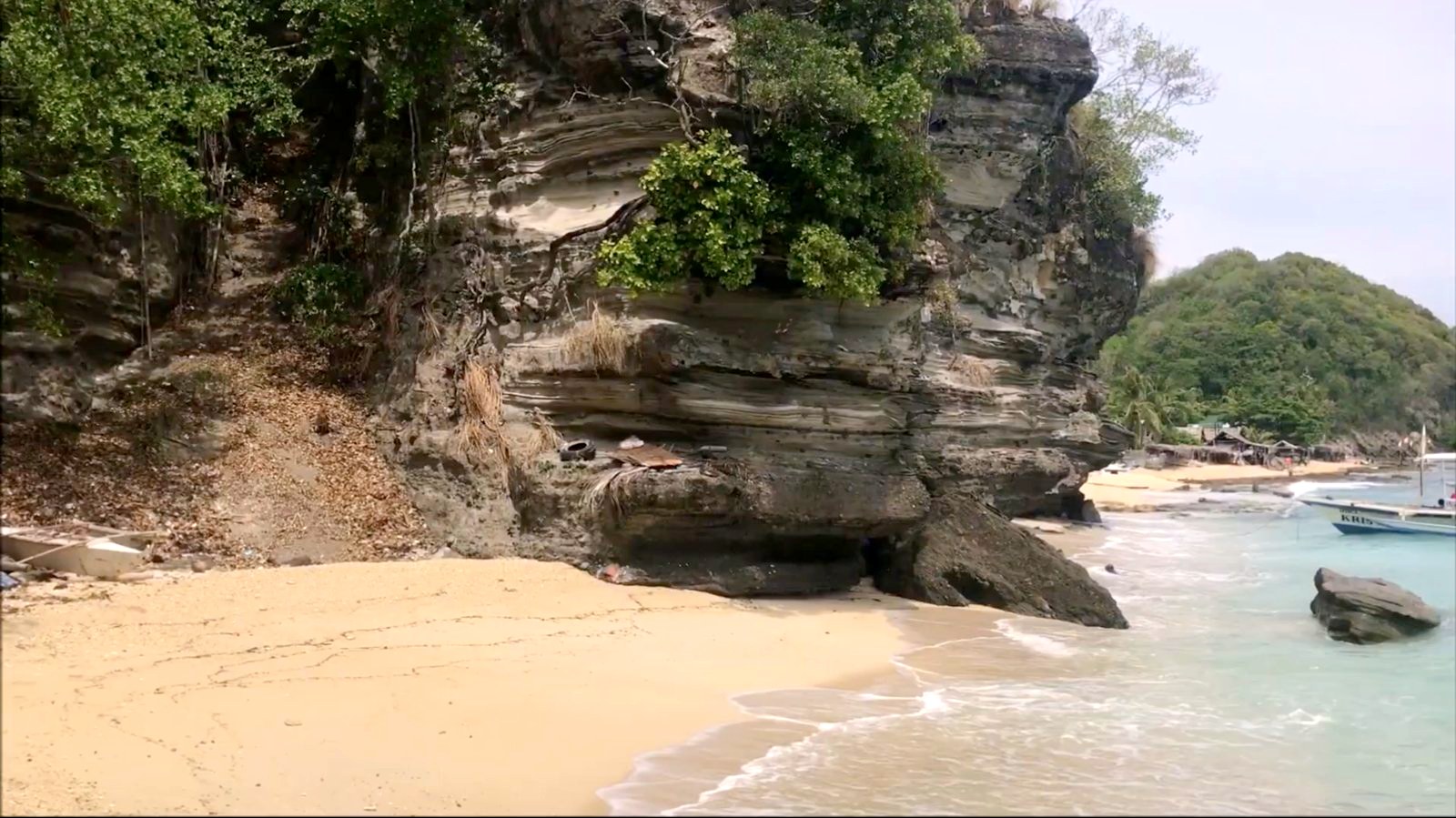
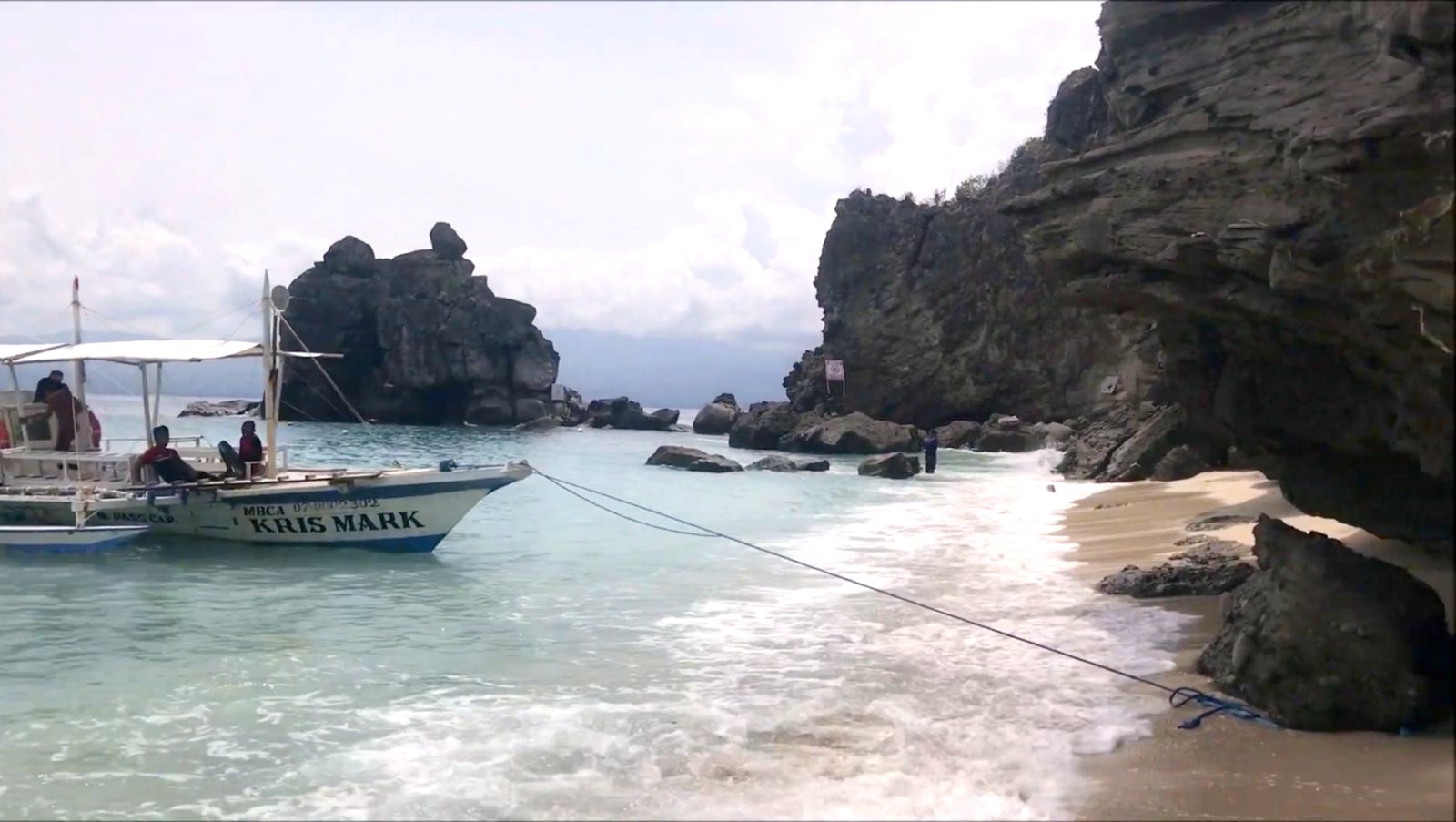
Another highlight was a beautiful little cove further along the coastline from the main beach.
When we first arrived, the tide was too high to access it easily. As the water receded, we could walk around the rocks and explore the area.
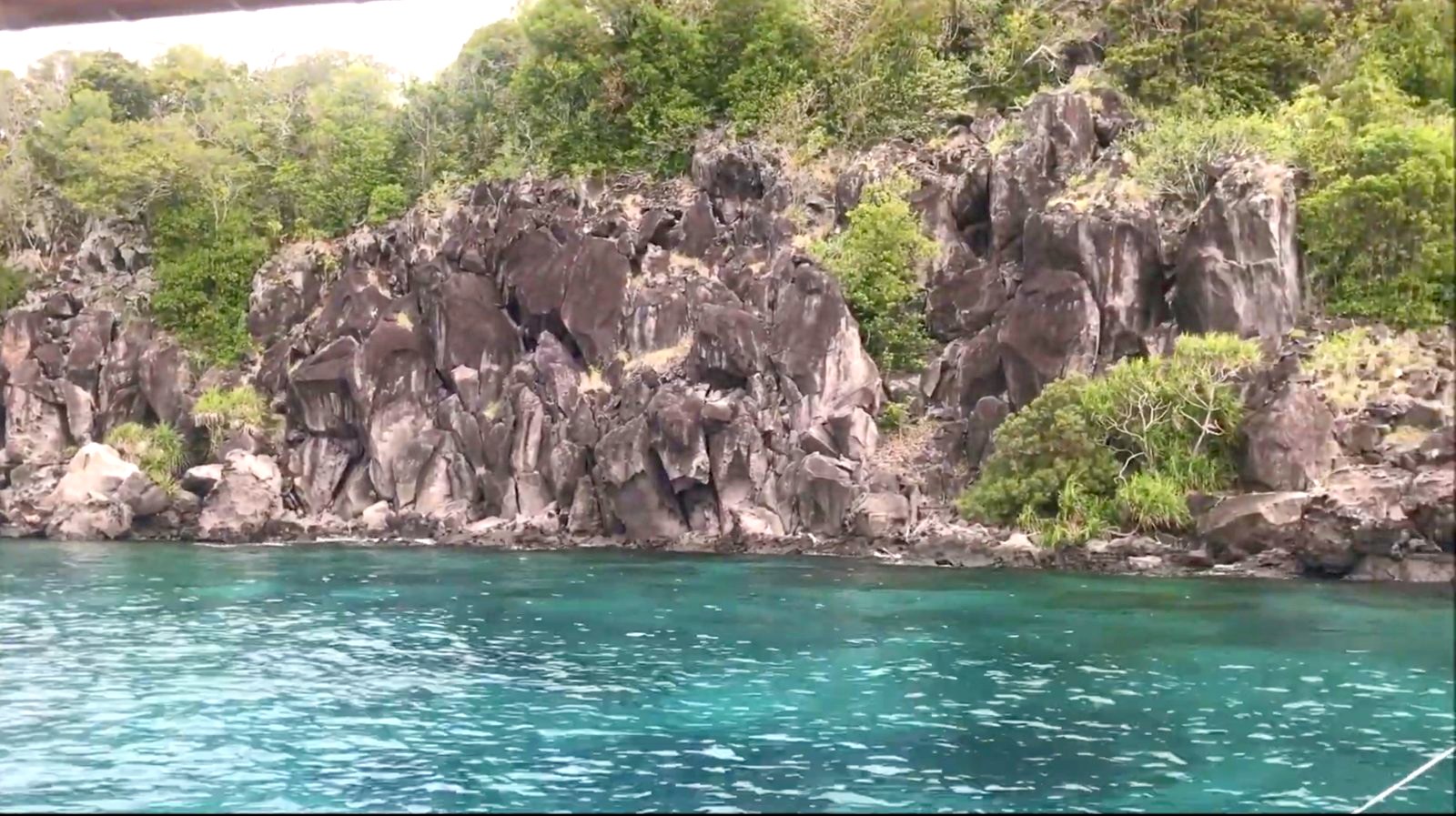
The rock formations, clear blue water and little sandy beach were absolutely beautiful.
It’s worth having a wander around the island if you’ve got time, although be mindful of the tides and avoid crossing slippery or exposed rocks when conditions aren’t safe.
-
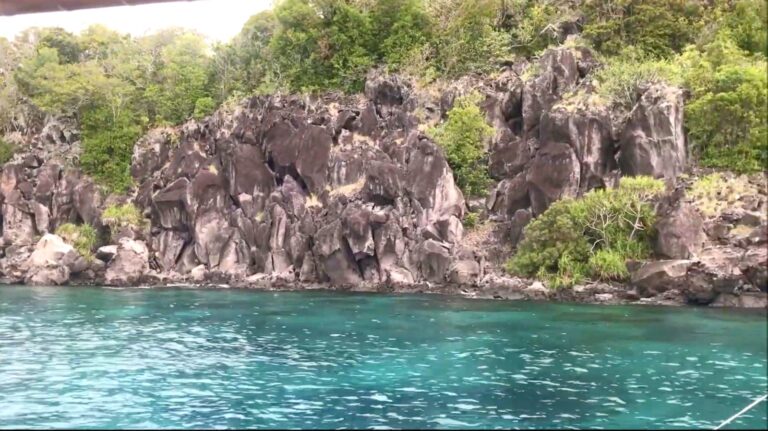
- Rocky coast
-
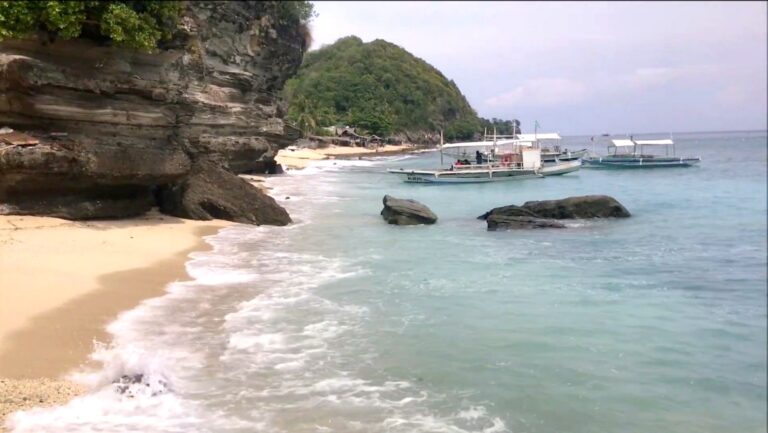
- Beach and boats
-
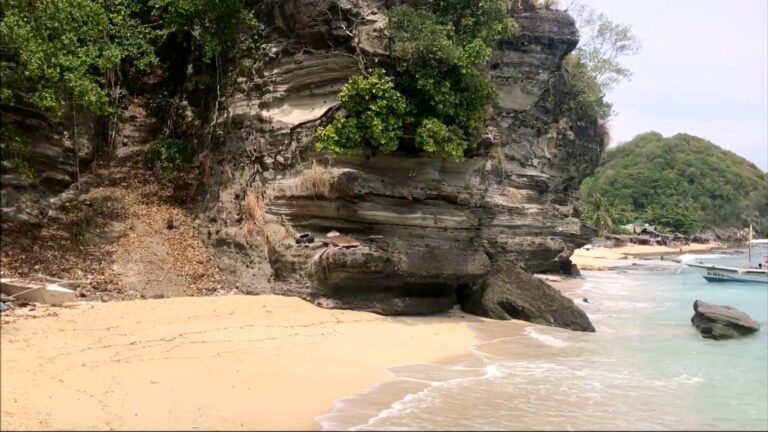
- Layered cliff
-
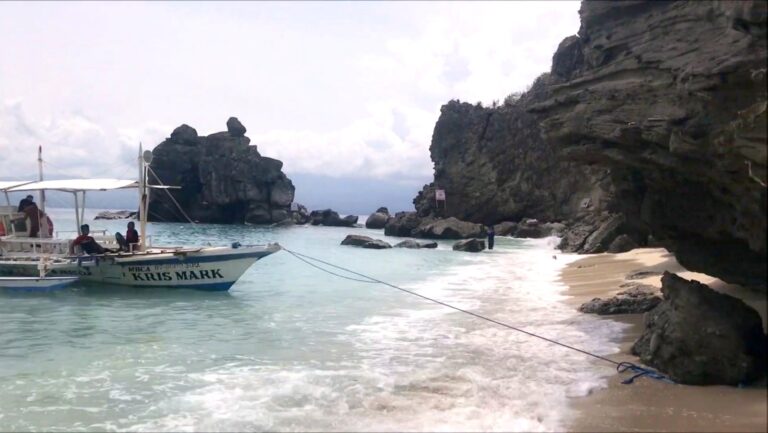
- Rocky cove
How Many Days Do You Need?
For most visitors, a half-day on Apo Island is enough to enjoy the main attractions.
We spent approximately three to four hours there, which gave us time to snorkel, climb to the lighthouse and explore the coastline.
We did lose some time waiting for the tide to recede, although I never felt particularly rushed or disappointed.
If you’re planning several dives or simply want to relax and explore at a slower pace, you could easily spend longer.
Where to Stay
Most visitors use Dumaguete or Dauin as their base for visiting Apo Island.
- Dumaguete City: Ideal if you want restaurants, accommodation choices and easy access to other attractions around Negros Oriental.
- Dauin: Particularly suitable for scuba divers, with dive resorts along the coast and operators offering trips to Apo Island.
- Apo Island: Small guesthouses and homestays are available if you’d prefer to stay overnight, although facilities are more limited.
I was staying with my friend Greg near Dumaguete, so we visited Apo Island as a day trip.
How to Get to Apo Island
Apo Island is reached by boat, with Malatapay in Zamboanguita being the usual departure point for independent travellers.
From Dumaguete City
Travel approximately 25 to 30 kilometres south to Malatapay, which generally takes 40 to 60 minutes by road.
You can take a southbound bus towards Siaton or Bayawan and get off near Malatapay Market, then walk or take a short local ride to the boat departure area.
Alternatively, hire a private car or van with a driver, particularly if you’re travelling as a group.
From Malatapay, the boat crossing usually takes around 30 to 45 minutes, depending on sea conditions. Our crossing took less than 30 minutes.
From Manila or Cebu
From Manila, you can fly to Dumaguete-Sibulan Airport, then continue by road to Malatapay.
From Cebu, you can travel to Dumaguete by ferry or use a suitable connecting land-and-sea route before heading south to Malatapay. Check the latest transport schedules before travelling.
Booking a Boat or Joining a Tour
When Greg and I visited, we hadn’t booked anything in advance. We simply turned up at Malatapay and arranged a boat.
There were six other travellers looking to make the crossing, so we joined them and shared the cost.
The boat cost ₱4,000 return for eight passengers, working out at ₱500 each. Those were our July 2019 prices, not current rates.
One thing worth understanding is that private boat hire is generally charged per boat rather than per passenger. Sharing with other travellers can therefore make a significant difference to the cost.
You can still arrange boat transport at Malatapay, while organised snorkelling and diving tours are also available from Dumaguete and Dauin. Some include transport, equipment and guides.
Apo Island Entrance Fees and Other Costs
There are several separate charges to be aware of when visiting Apo Island:
- Return boat transfers from Malatapay.
- Island entrance or environmental fees.
- Snorkelling and marine sanctuary fees.
- Local snorkelling guides, which I highly recommend.
- Equipment hire, including masks, fins and life jackets.
- Optional table hire, diving and other activities.
We paid these separately during our visit, so don’t assume everything is included in your boat fare.
Fees can change, and organised tours may include some of these charges. Bring sufficient cash and confirm what’s included before setting off.
Good to Know Before You Go
- Go early: Morning crossings generally offer better conditions, but always check the weather.
- Watch the tides: Snorkelling conditions and access to certain beaches can change considerably.
- Share a boat: Independent travellers can sometimes join others to reduce transport costs.
- Bring cash: Expect separate fees for transport, admission, snorkelling and equipment.
- Respect marine life: Keep your distance from turtles and avoid touching the coral.
Dezza’s Tip
If you’re visiting Dumaguete, put Apo Island right near the top of your list.
If you have the afternoon free, the hills above Dauin are worth the drive too. I visited Baslay Hot Springs after Apo Island, a steaming forest stream with hot pools and a waterfall. Heading north instead, Manjuyod Sandbar offers dolphin watching and a sandbar that appears at low tide.
For me, it was one of the best snorkelling experiences I’ve had in the Philippines, particularly because of how close we got to the sea turtles.
Don’t be discouraged if you’re visiting during the wetter months. I went in July, the water was a little rough and we had to land on the other side of the island, yet we still had an absolutely fantastic time.
And if you’re travelling on your own or as a couple, see whether you can share a boat with other visitors at Malatapay. It can save you a fair bit of money.
You Might Also Like
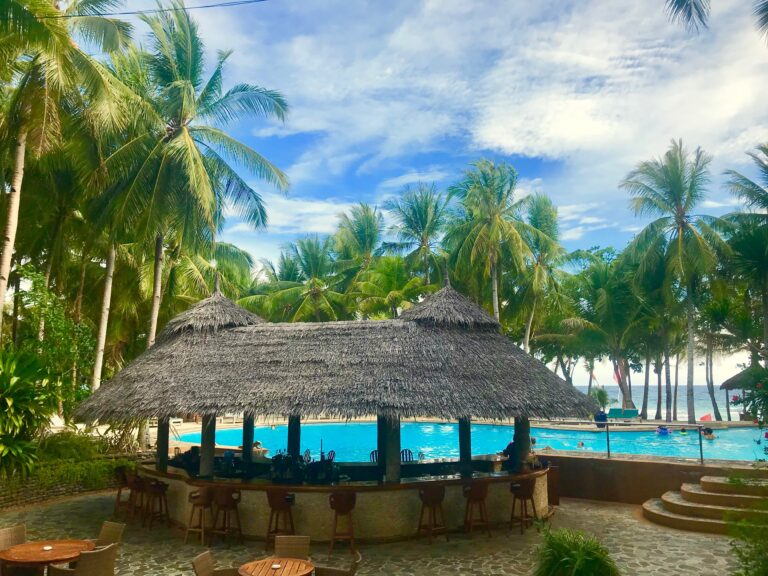 SiquijorA relaxed island of beaches and waterfalls, a short ferry ride from Dumaguete
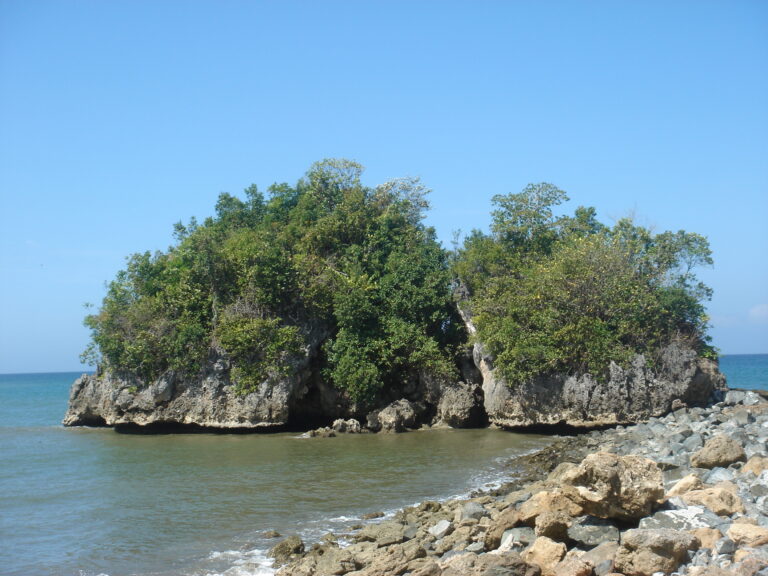 SipalayQuiet beaches and island views on the southwest coast of Negros
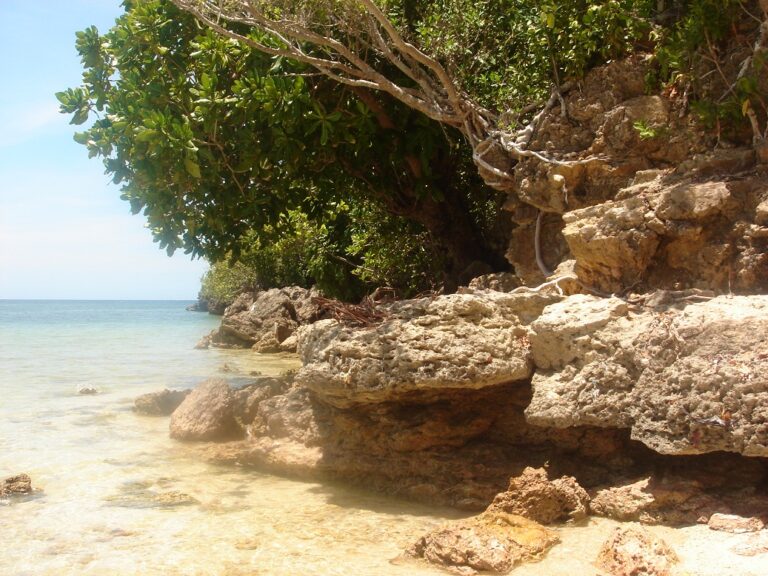 Punta BalloA sandy beach and sunset spot near Sipalay
 Casaroro FallsA tall waterfall tucked into a gorge in Negros Oriental