


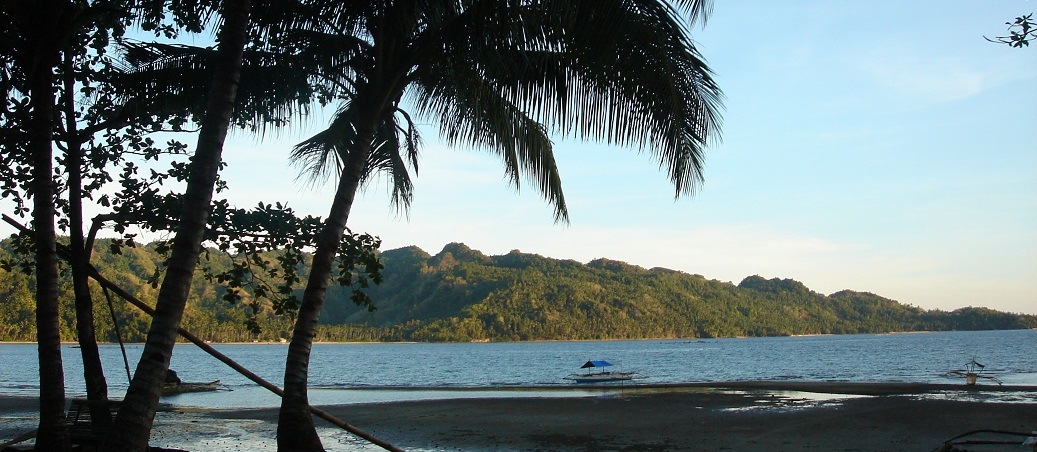
Campomanes Bay
Campomanes Bay: Glass-Like Water and Massive Cliffs
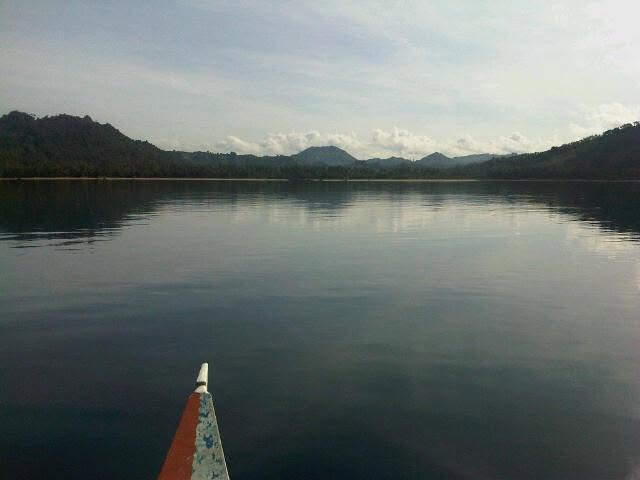
Campomanes Bay is one of the most impressive places I visited around Sipalay. Surrounded by huge cliffs and protected from the open sea, the bay can become incredibly calm. On the days I visited, parts of the water looked almost like glass.
The beach itself was not as beautiful as Punta Ballo, and the old ecoport looked abandoned at the time. Even so, the towering cliffs, still water and isolated setting made Campomanes Bay absolutely unforgettable.
Campomanes Bay is in Sipalay City, on the southwest coast of Negros Occidental in the Visayas. Most people fly from Manila to Bacolod, then take a road trip of around three and a half to four hours south.


Entering Campomanes Bay
Campomanes Bay sits south of Punta Ballo and can be reached by boat or road. I visited a few times while exploring the Sipalay coastline. Entering by boat was easily the best way to appreciate the scale of the place.
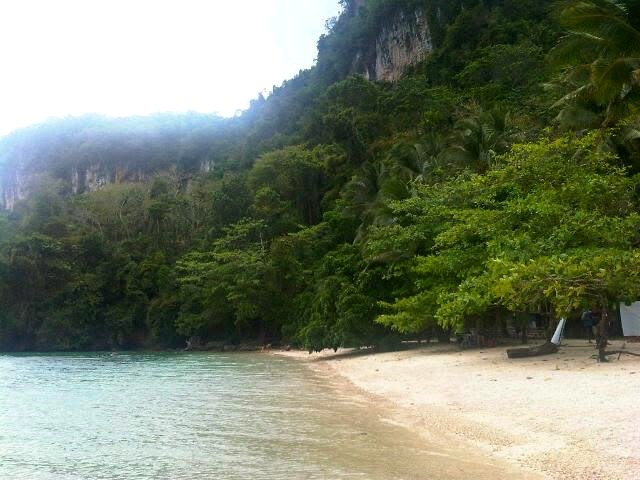
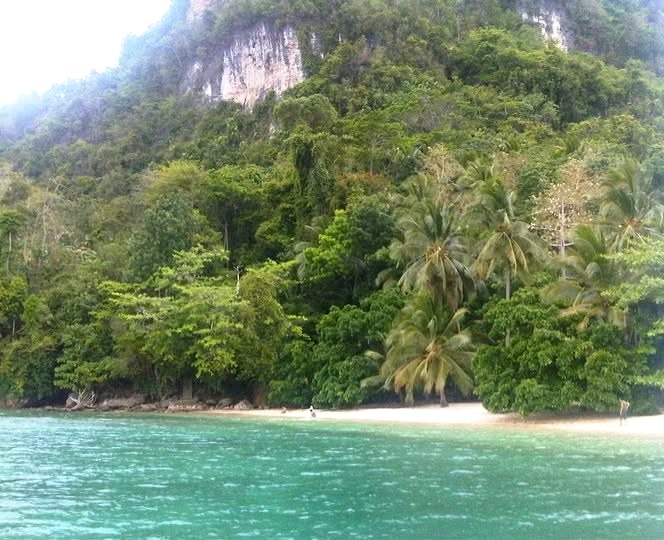
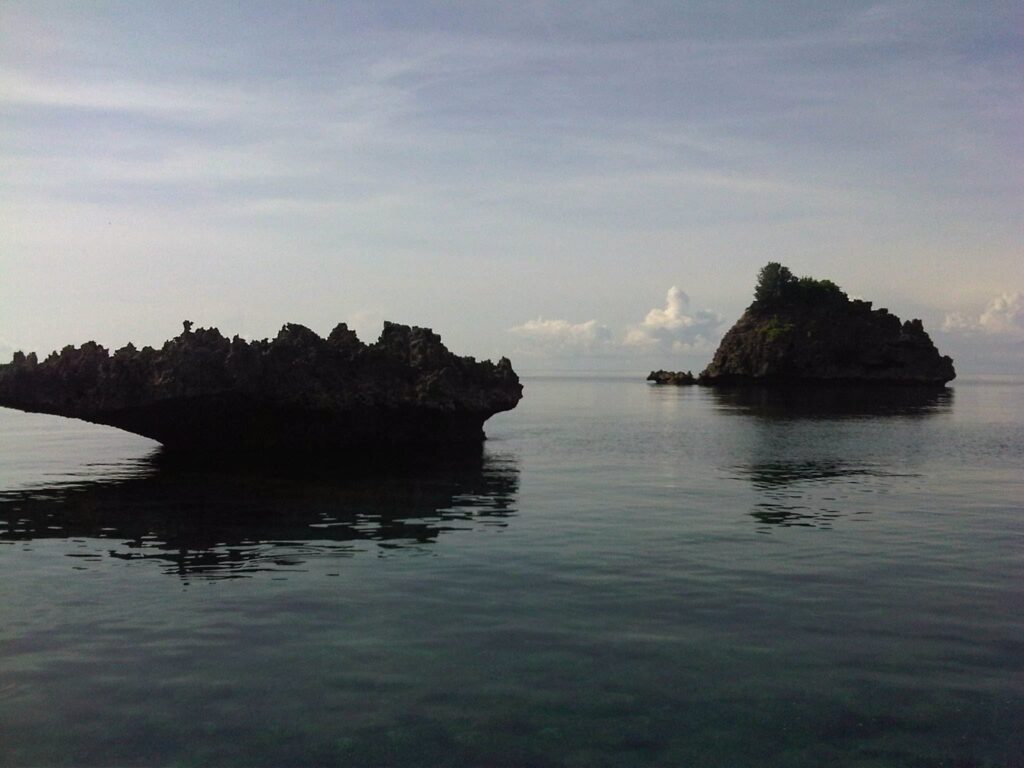
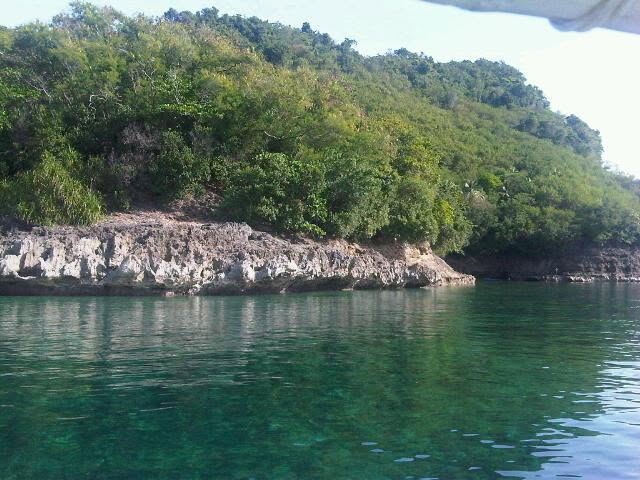
The bay is surrounded by massive cliffs that rise almost vertically from the water. Combined with the calm surface, it felt more like entering a lake surrounded by mountains than a coastal bay.
Campomanes was also something of a local hub. There were fishermen, small houses and boats using the protected water, although nobody hassled us or tried aggressively selling anything. Everything felt very relaxed.
Cliffs That Were Once Coral
One of the geologists travelling with me explained that the cliffs had once been underwater coral formations. He mentioned it casually, as though it were simply another everyday geological observation. For me, it was mind-blowing.
Looking more closely at the rock, you could imagine how the formations might once have existed beneath the sea before eventually being pushed upwards over an enormous period.
That conversation completely changed how I looked at not only the cliffs around Campomanes Bay, but every other coastal rock formation, particularly Palawan and Caramoan.
Campomanes Bay Beach
The beach inside Campomanes Bay was clean and peaceful, with only a few local fishermen around during my visits.
It was not a Boracay-style beach and could not compete with the powdery sand at Punta Ballo. The real attraction was the setting rather than the beach itself.
I did not swim or snorkel in Campomanes Bay. We mainly passed through by boat or road, stopped briefly and used the area as a departure point for exploring farther along the coast.

Campomanes Bay Marine Sanctuary
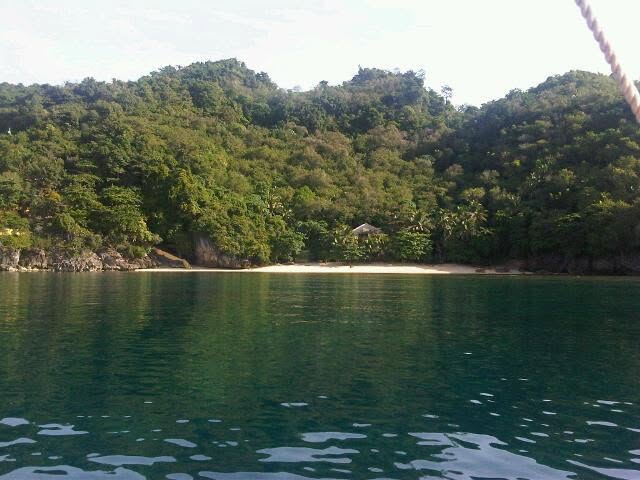
Campomanes Bay forms part of Sipalay’s protected marine environment and is known for coral reefs, marine life and several wreck-diving sites.
The surrounding Sipalay area has more than 40 recognised dive sites, with wrecks, reefs and marine reserves suitable for different experience levels, according to PADI’s Sipalay diving guide.
I only learnt about the shipwrecks later and did not personally dive them, so I cannot review the underwater experience firsthand.

SS Panay
The SS Panay is a Second World War wreck resting at a depth of approximately 33 to 41 metres. Its depth makes it a dive for appropriately trained and experienced divers rather than beginners.
MS Jojo and Coca-Cola Wreck
Other wrecks associated with the Campomanes Bay diving area include the MS Jojo and the so-called Coca-Cola Wreck, a freighter reportedly discovered with old soft-drink bottles among its cargo.
Anyone interested in diving should arrange the trip through an established Sipalay dive operator.
Campomanes Ecoport
The old port or wharf area was the only disappointing part of Campomanes Bay during my visits. It looked abandoned, with sections appearing as though they were deteriorating or collapsing. Against such an incredible natural background, it stood out for the wrong reasons.
The site is still identified as Campomanes Bay Ecoport. Its present condition may be different from what I saw back in 2010.
My Experience at Campomanes Bay
I visited Campomanes Bay a few times. I didn’t arrive with a detailed itinerary or even fully understand what the area was at the time. It was simply one of the places we explored while travelling around Sipalay. What stayed with me was the calmness of the water and the sheer size of the cliffs.
Sipalay had already impressed me with its beaches and rounded islands, but Campomanes Bay added something completely different. It had the dramatic cliffs of El Nido, yet hardly anybody seemed to know it existed.
Aside from the deteriorating wharf, I found very little to criticise. Campomanes Bay was absolutely incredible.
How Long Do You Need at Campomanes Bay?
Allow half a day if Campomanes Bay is part of a longer boat trip. That provides enough time to:
- Cruise through the bay and appreciate the cliffs
- Stop near the beach and ecoport
- Swim or snorkel if included in your boat arrangement
- Continue south towards Balanban Point
Divers will need longer and should follow the arrangements made by their chosen dive operator. I would not plan an entire holiday around Campomanes Bay alone. It works best as part of a wider Sipalay stay.
Where to Stay
Punta Ballo is the most practical base for visiting Campomanes Bay by boat. It has beachfront resorts, diving operators and relatively easy road access from Sipalay city centre.
There is also accommodation around Campomanes Bay itself, although I did not personally stay there and cannot recommend a particular property from firsthand experience.
Best Time to Visit Campomanes Bay
The best time to visit Campomanes Bay is from December to May, when the weather is generally drier and boat conditions are more reliable. For boating and diving, I would personally aim for February or March.
How to Get to Campomanes Bay
Campomanes Bay is in Barangay Maricalum, south of Sipalay city centre.
From Punta Ballo
Hiring a local boat from Punta Ballo is the best option. The journey is short and allows you to appreciate the cliffs and coastline properly as you enter the bay.
By Road
Campomanes Bay can also be reached by road from Sipalay. A tricycle, hired vehicle or resort-arranged transfer may be required for the final section.
From Bacolod or Dumaguete
Travel first to Sipalay by bus, van or private vehicle. Allow approximately three and a half to four hours from Bacolod or three to three and a half hours from Dumaguete by private vehicle. Public transport generally takes longer.
Good to Know Before You Go
- Visit by boat to properly appreciate the cliffs and protected bay.
- Arrange wreck diving through an established, properly equipped dive operator.
- The beach is peaceful but less pristine than nearby Punta Ballo.
- Bring water, food and sun protection for a longer coastal trip.
- Current port access and environmental fees should be confirmed locally.
You Might Also Like
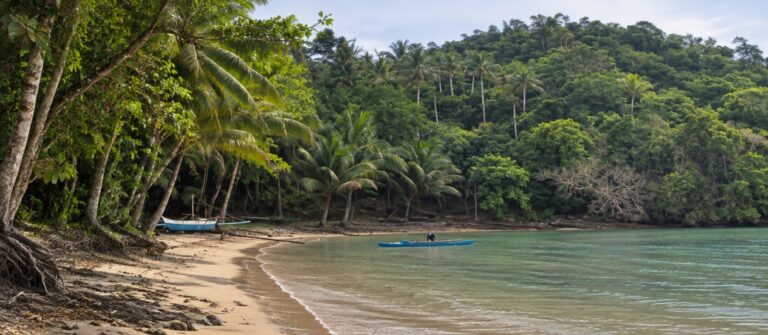
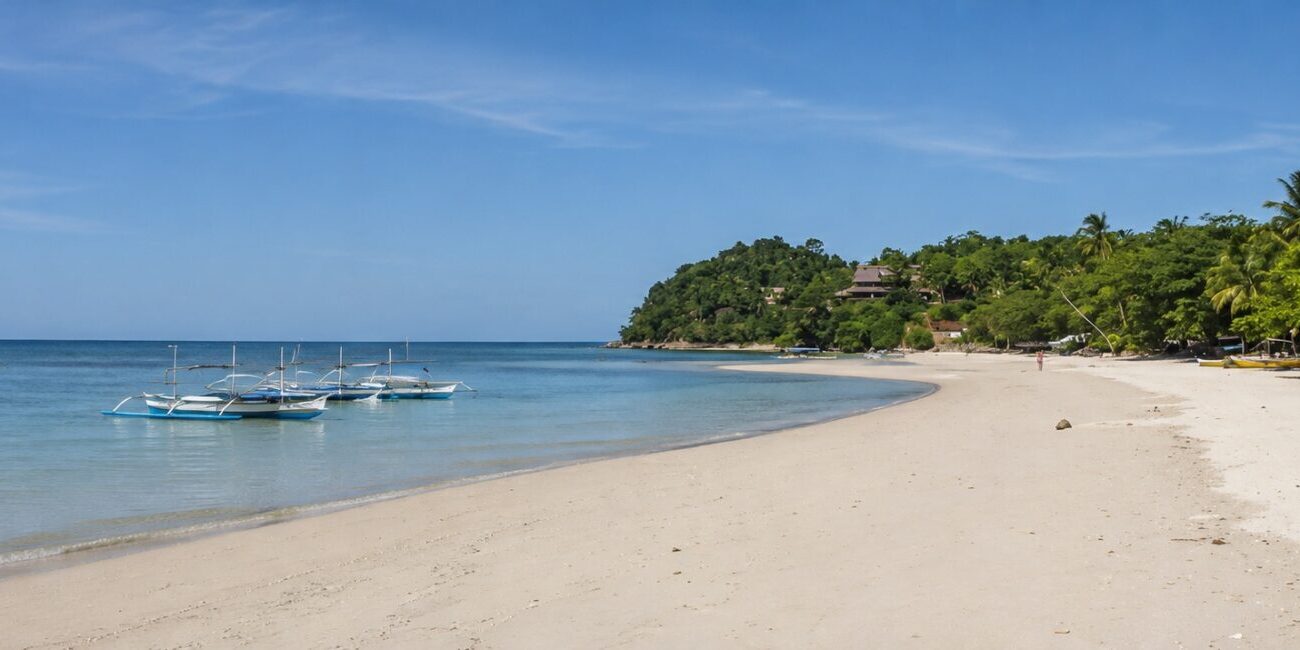 Punta BalloSunset beach near Sipalay
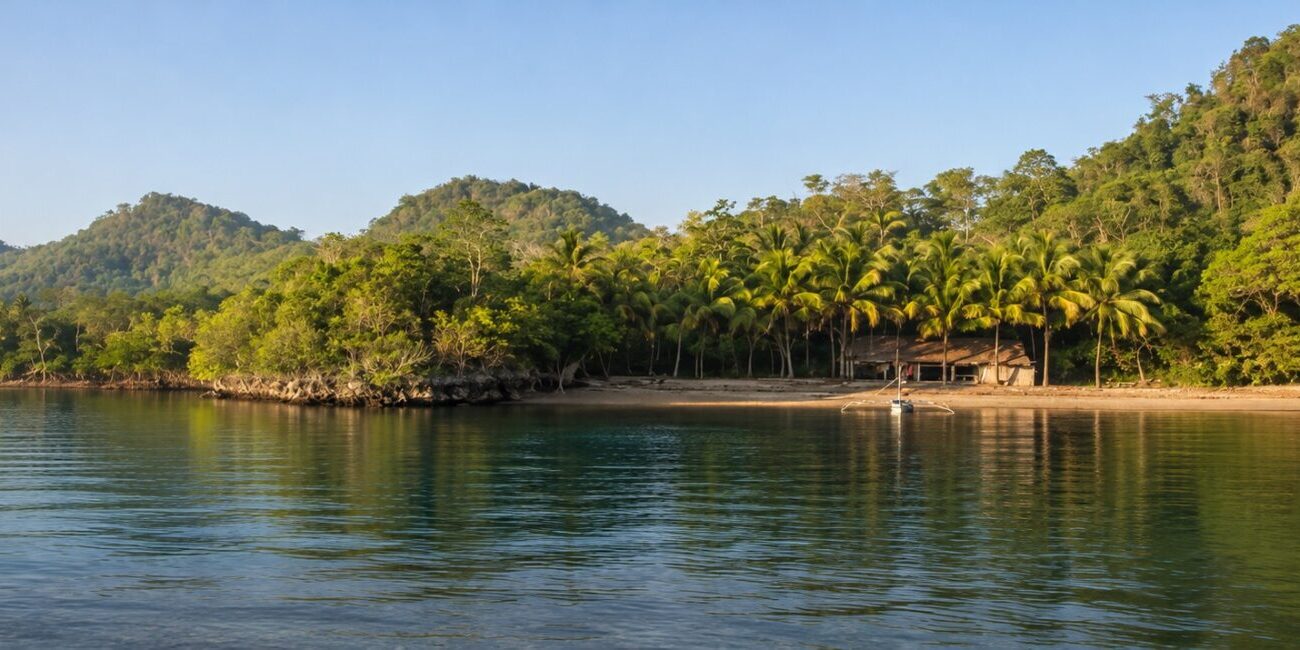
 Balanban PointA secluded beach in Negros
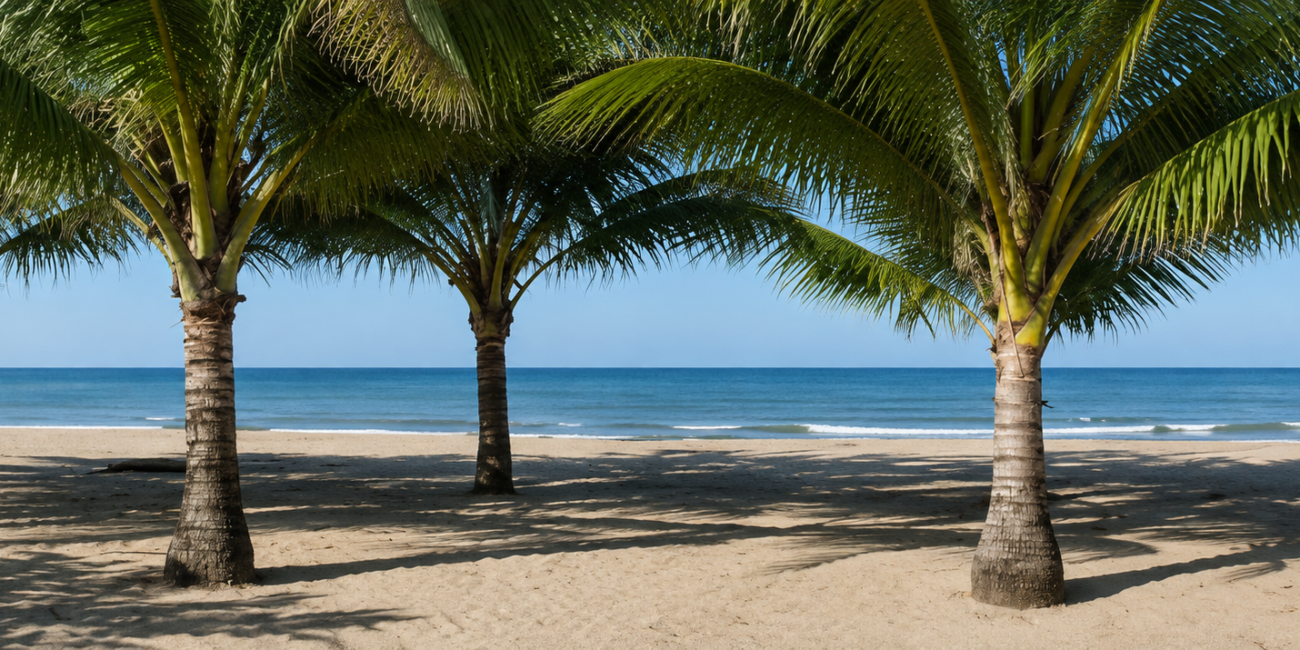
 SipalayBeaches and caves in Negros Occidental
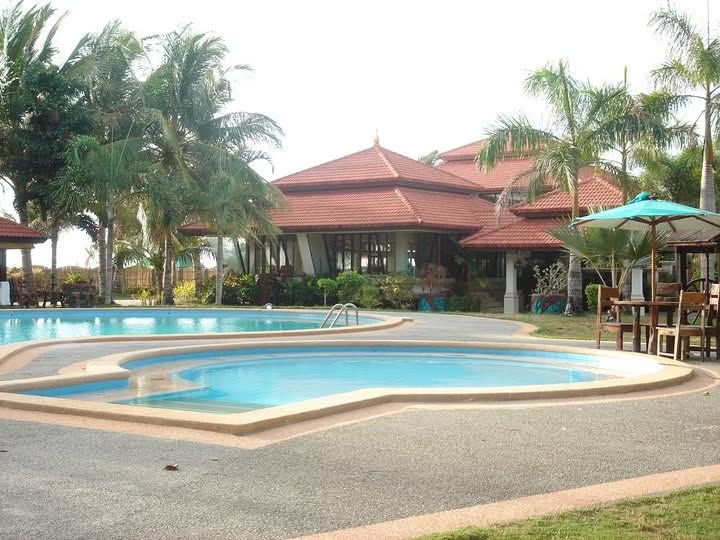
 Hinoba-anA coastal town in Negros Occidental
 HinigaranA quiet resort stop on the southern highway
Dezza’s Tip
I wouldn’t visit Campomanes Bay as a one-off stop. I would suggest hiring a boat from Punta Ballo, exploring the islets around Sipalay, entering Campomanes Bay and then continuing south to Balanban Point.
Campomanes is impressive from the shore, but approaching across that glass-like water is what makes the experience genuinely memorable.
Where Is Campomanes Bay?

Unsubscribe anytime.