


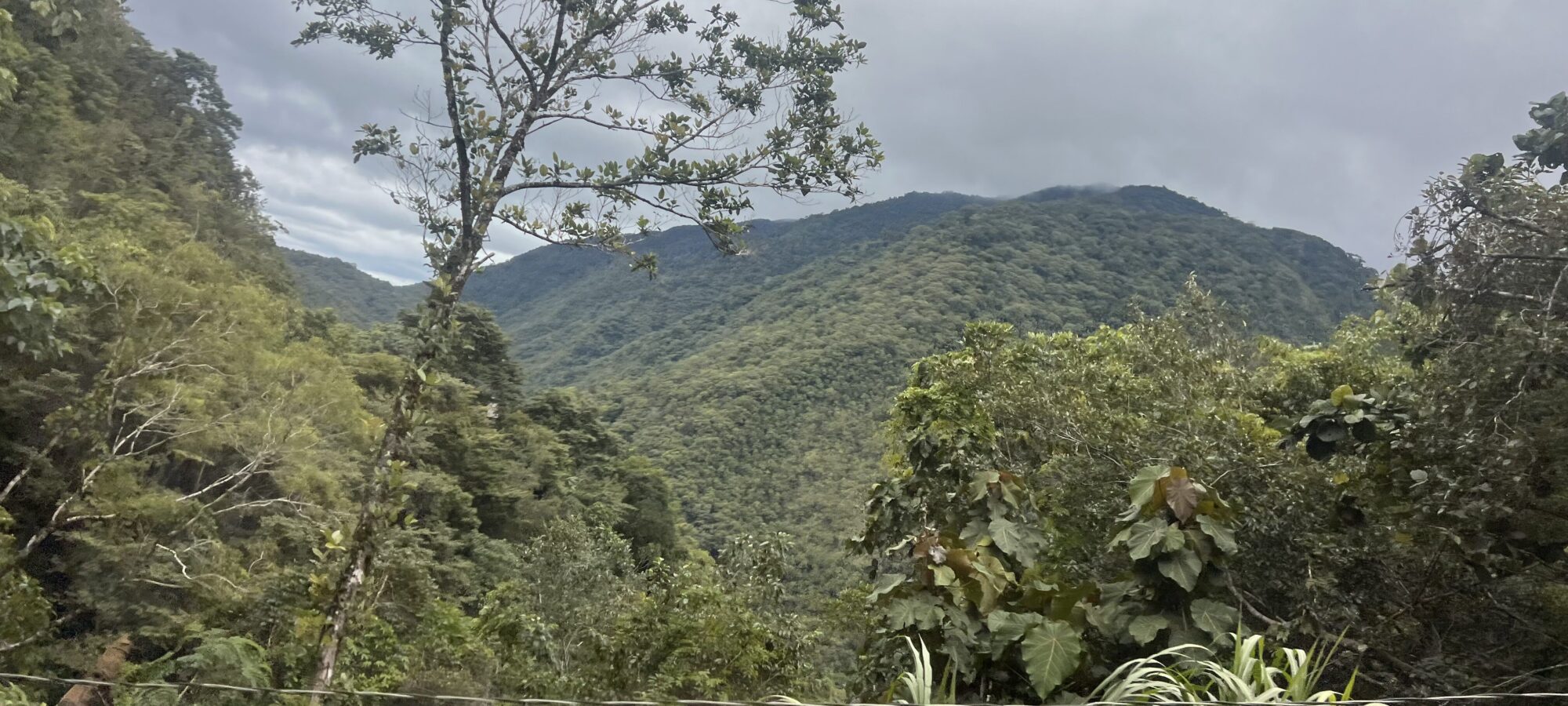
Nueva Vizcaya
Mountain Roads And A Journey To Didipio
Nueva Vizcaya is a mountainous, landlocked province in the Cagayan Valley region of northern Luzon, known for its rugged landscapes, agricultural communities and winding mountain roads. It sits roughly six to eight hours by road from Manila, or about an hour by air to Cauayan in neighbouring Isabela, followed by a road transfer.
I visited Nueva Vizcaya in 2024, travelling from Manila to the Didipio Gold-Copper Mine in Kasibu, where I was delivering cultural and communications training to one of the contractors there.
Although my visit was work-related, the journey itself was a great opportunity to experience another part of the Philippines, particularly the mountain scenery and small communities scattered throughout the countryside.
One thing I’ve always found fascinating about travelling through the mountainous parts of Luzon is how the landscape almost looks like it’s been carved out with a giant chisel. Massive ridges, deep valleys and roads winding their way around mountainsides make for some pretty spectacular driving.
I didn’t get the opportunity to explore Nueva Vizcaya as a tourist, so this guide combines my personal impressions with some other places worth checking out if you’re planning a visit.
-
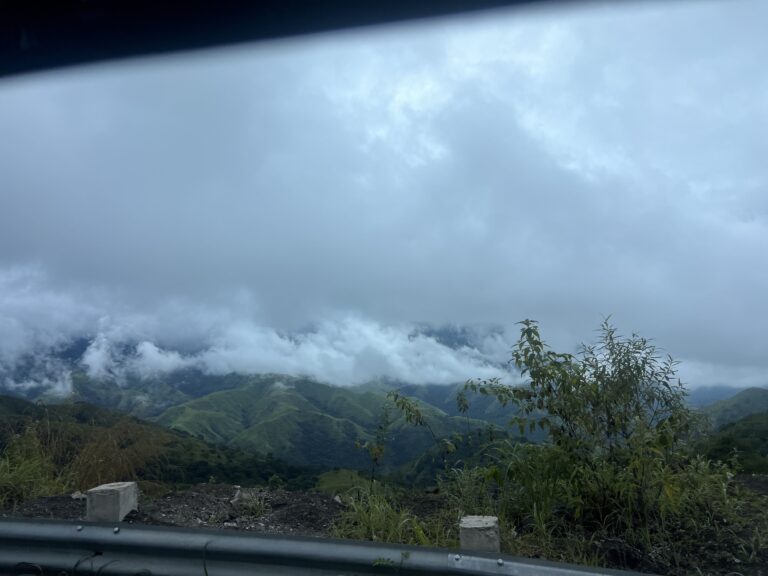
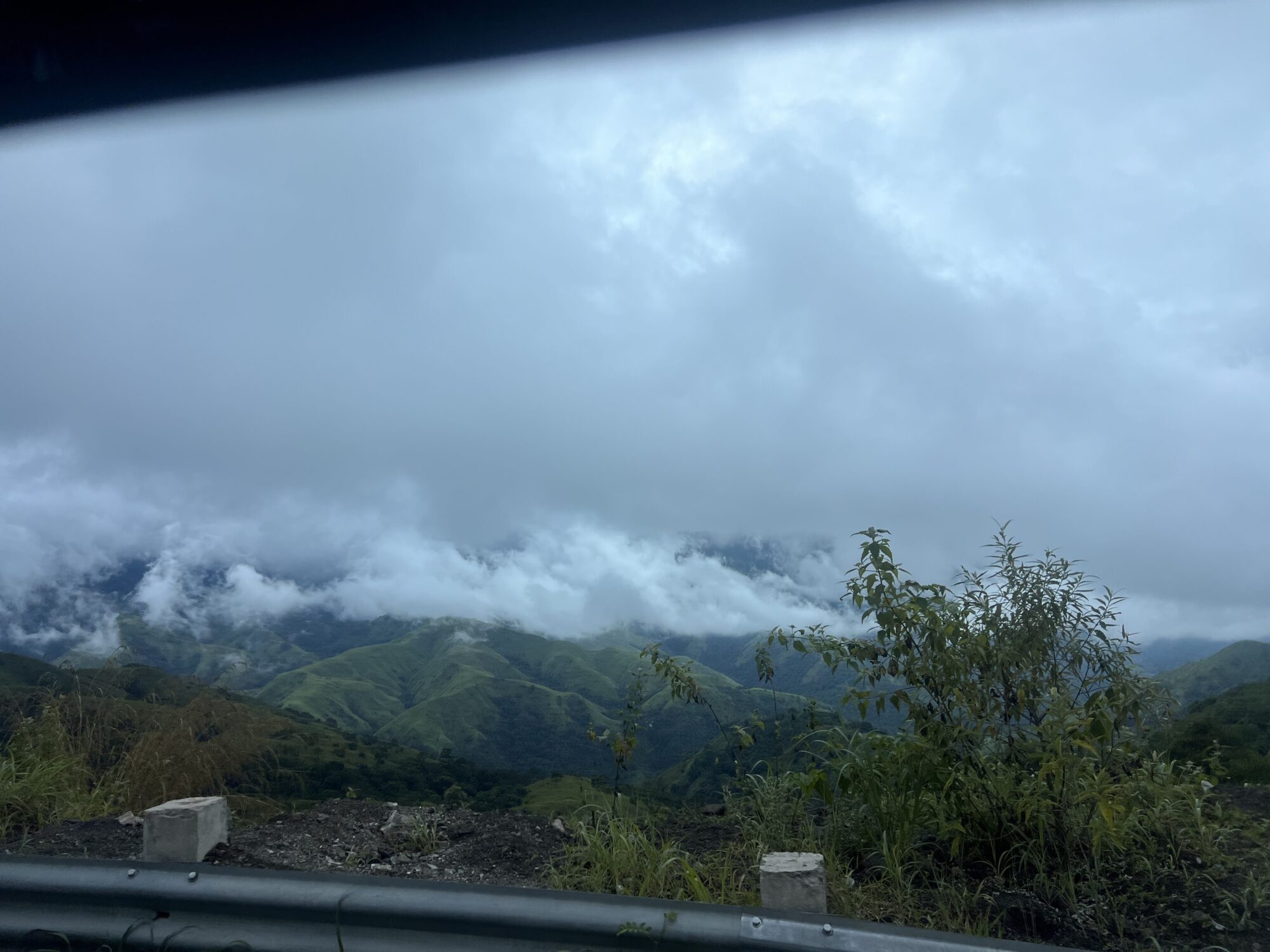
- Approaching the border of Cagayan Valley
-

- Food stop at Bambang

Best Time To Visit Nueva Vizcaya
The best time to visit Nueva Vizcaya is generally December to April, when conditions are more favourable for exploring the countryside, driving through the mountains and visiting outdoor attractions.
- December to February: Cooler temperatures and generally pleasant conditions for sightseeing and hiking.
- March to April: Warmer weather, with good opportunities for road trips and outdoor activities.
- May to November: Wetter conditions, with heavier rainfall potentially affecting mountain roads, hiking trails and river crossings.
Nueva Vizcaya has varied rainfall patterns, so even during the generally drier months, some mountainous areas can experience significant rain.
Heavy rainfall can also trigger landslides, particularly along steep mountain roads. Check the weather and local road conditions before travelling, especially during typhoon season.
Things To See And Do In Nueva Vizcaya
Nueva Vizcaya has several interesting attractions worth exploring, particularly if you enjoy nature, hiking, history and getting off the beaten track. While I’ve personally visited Dalton Pass, the other attractions listed below are places you might want to consider when planning your trip.
Dalton Pass (Balete Pass)
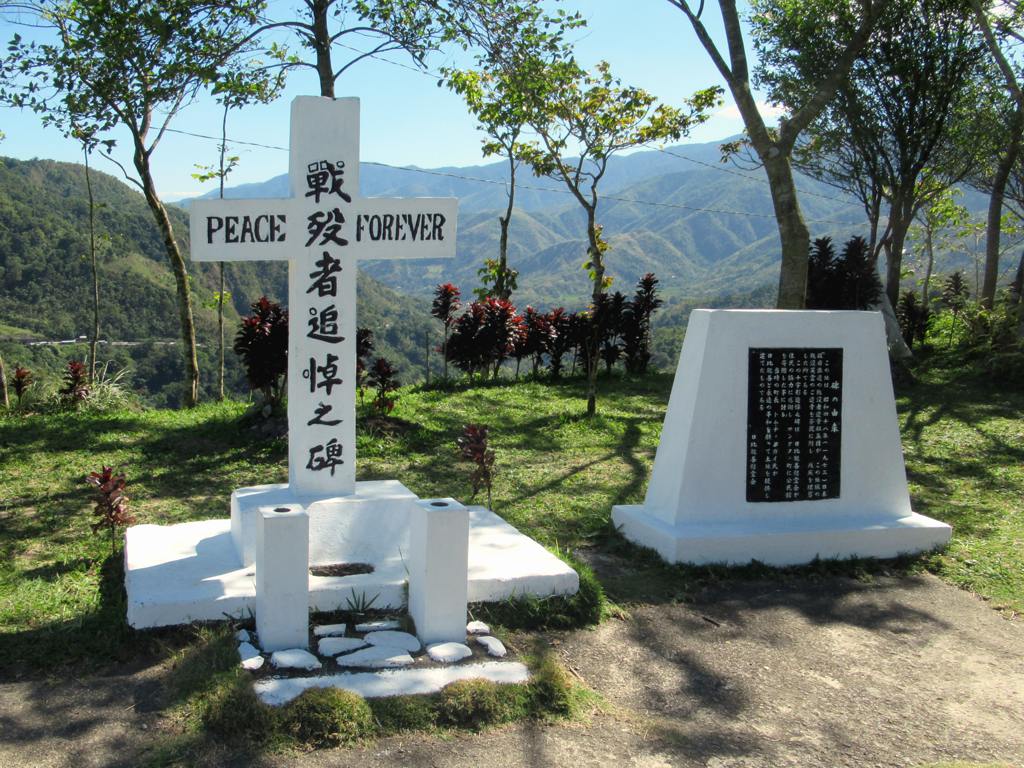
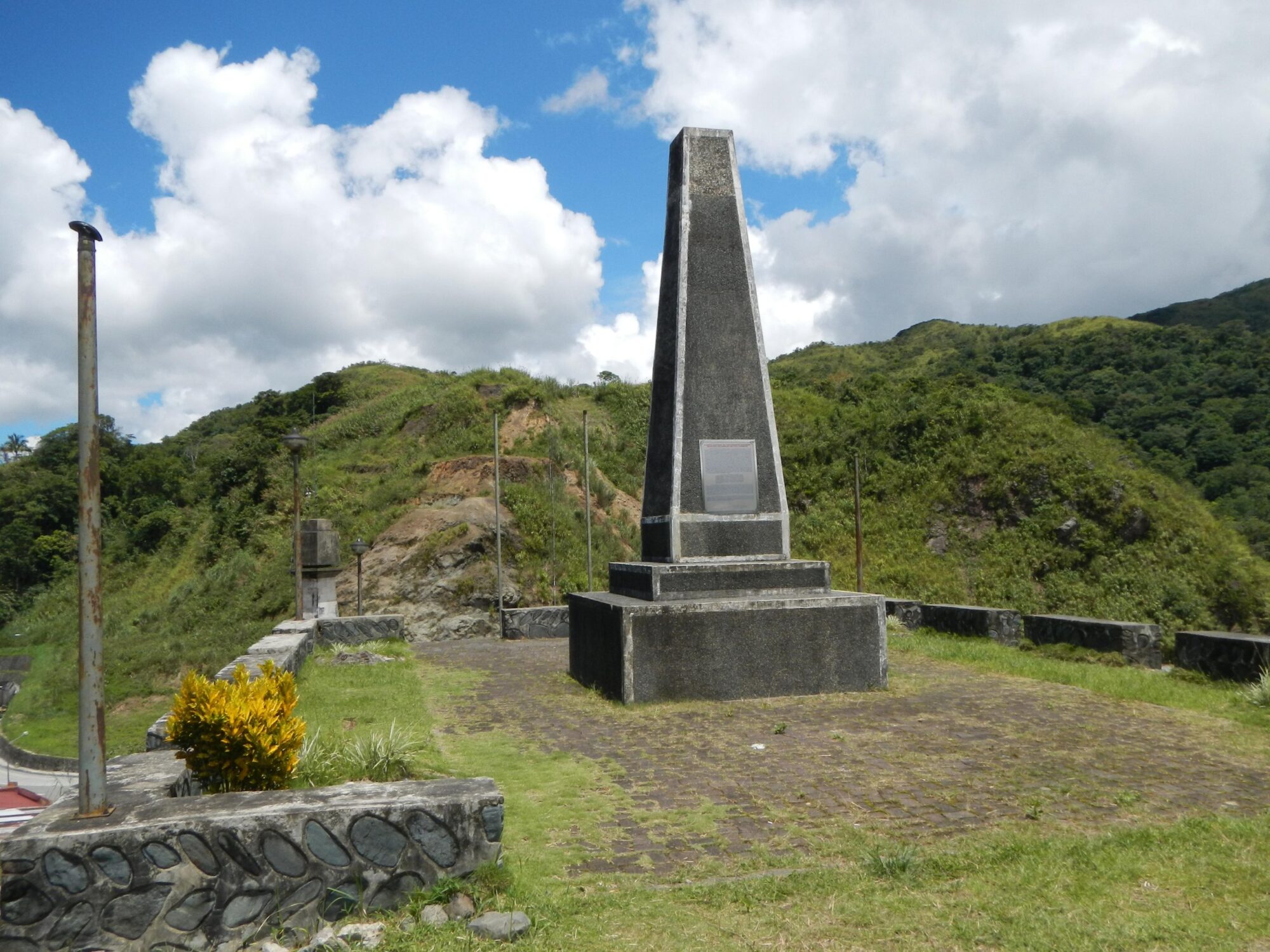
Also known as Balete Pass, Dalton Pass is a historic mountain crossing between Nueva Ecija and Nueva Vizcaya, best known for the fierce fighting that took place here during World War II.
I’ve actually visited Dalton Pass on a previous trip through northern Luzon. I remember walking up the pathway to the memorial, which commemorates the soldiers who fought and died in the area.
It’s an interesting little stop, particularly if you’re driving through the mountains. You can stretch your legs, enjoy the surrounding scenery and learn a little about the area’s wartime history.
-
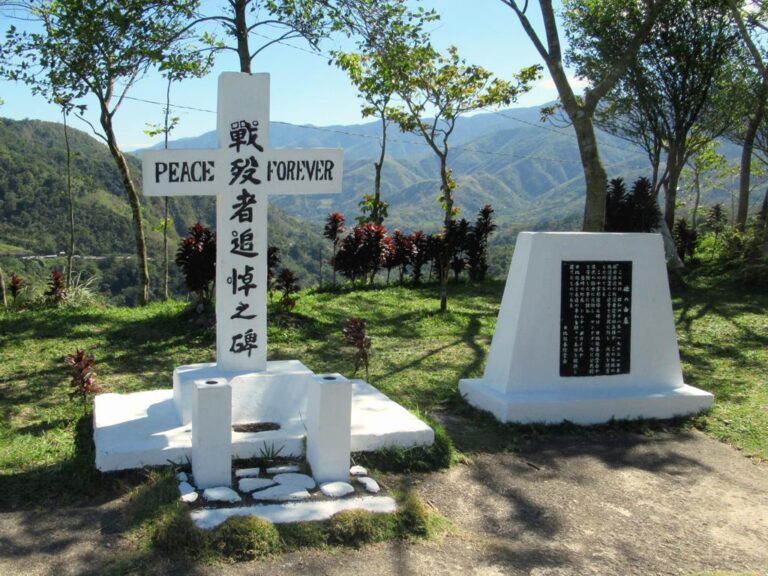
- Dalton Pass memorial cross
-
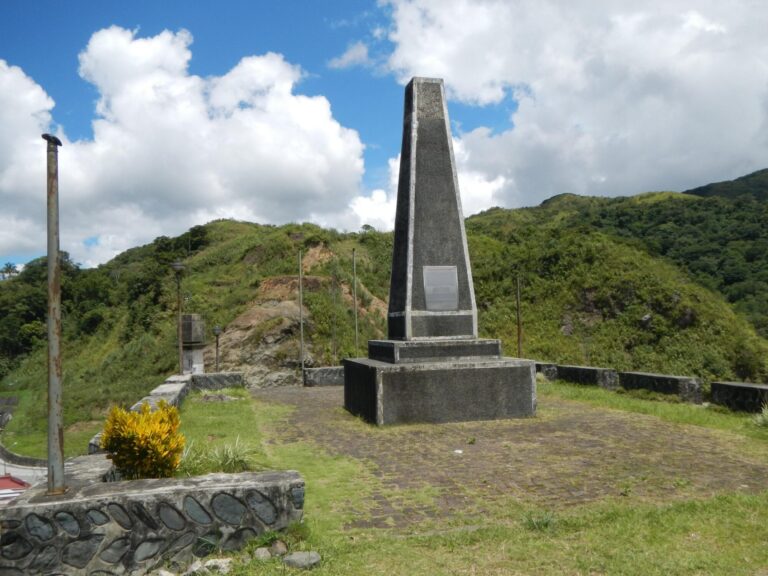
- Dalton Pass monument
Photos: memorial cross by David Stanley (CC BY 2.0) and monument by Patrick Roque (CC BY 4.0), via Wikimedia Commons.
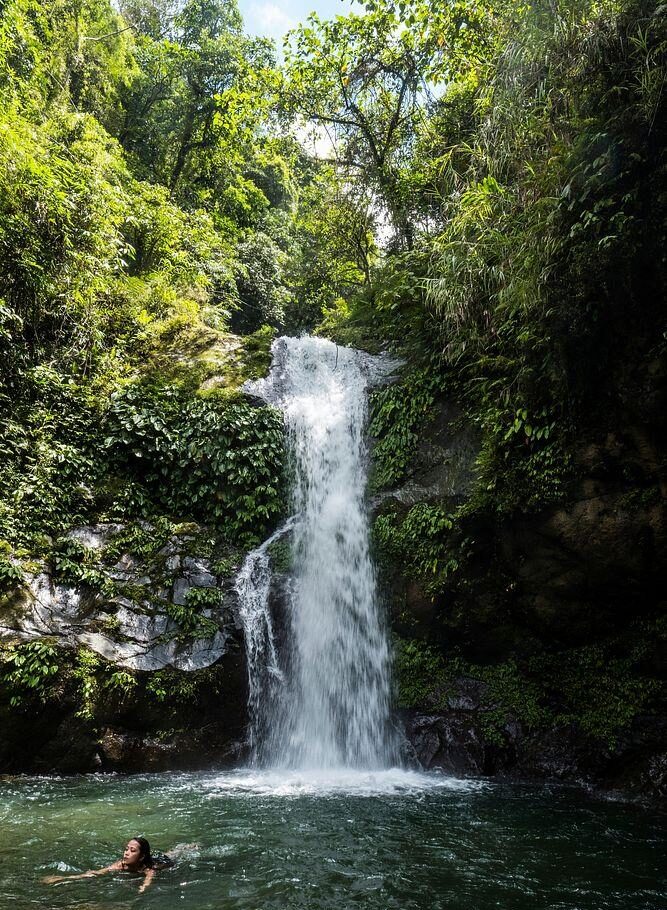
Imugan Falls
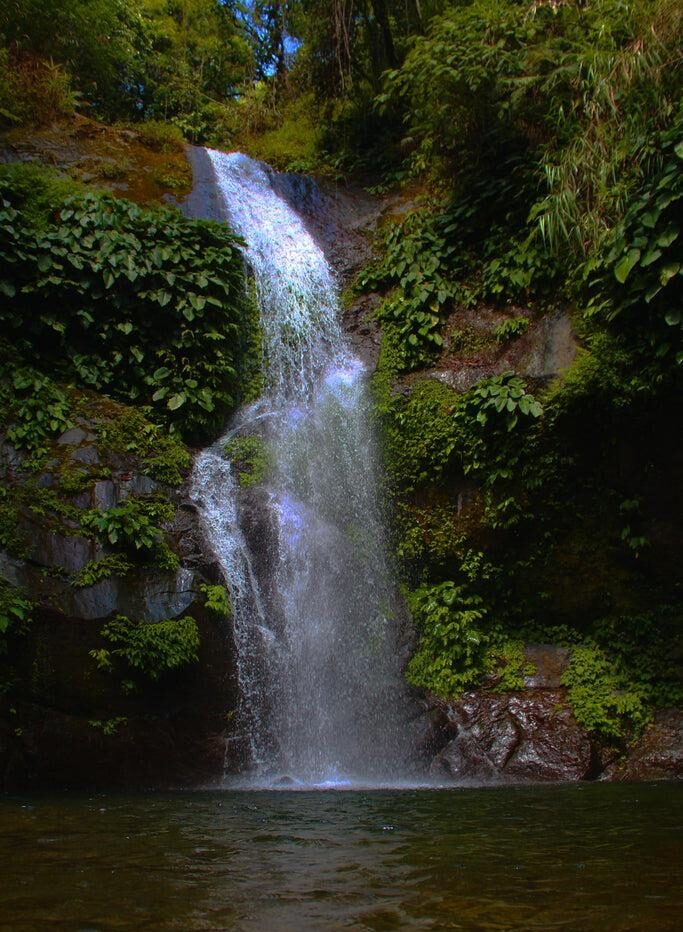
A scenic waterfall surrounded by forest in Santa Fe. Worth considering if you enjoy short hikes and natural swimming spots, although conditions depend on recent rainfall.
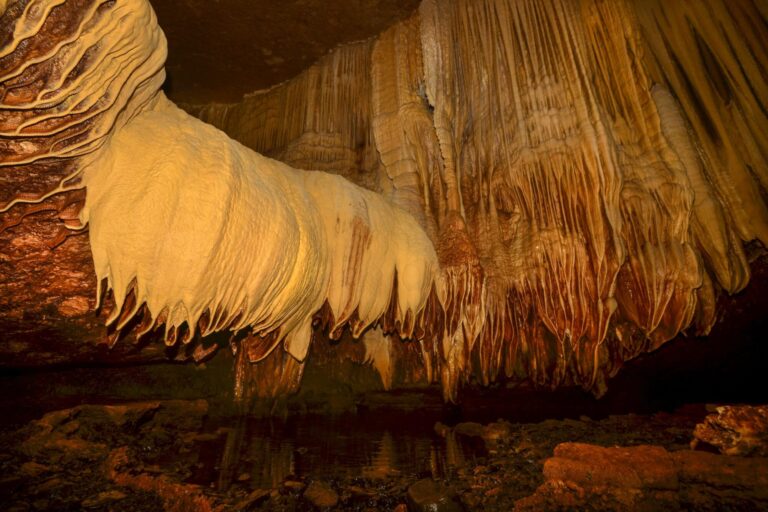
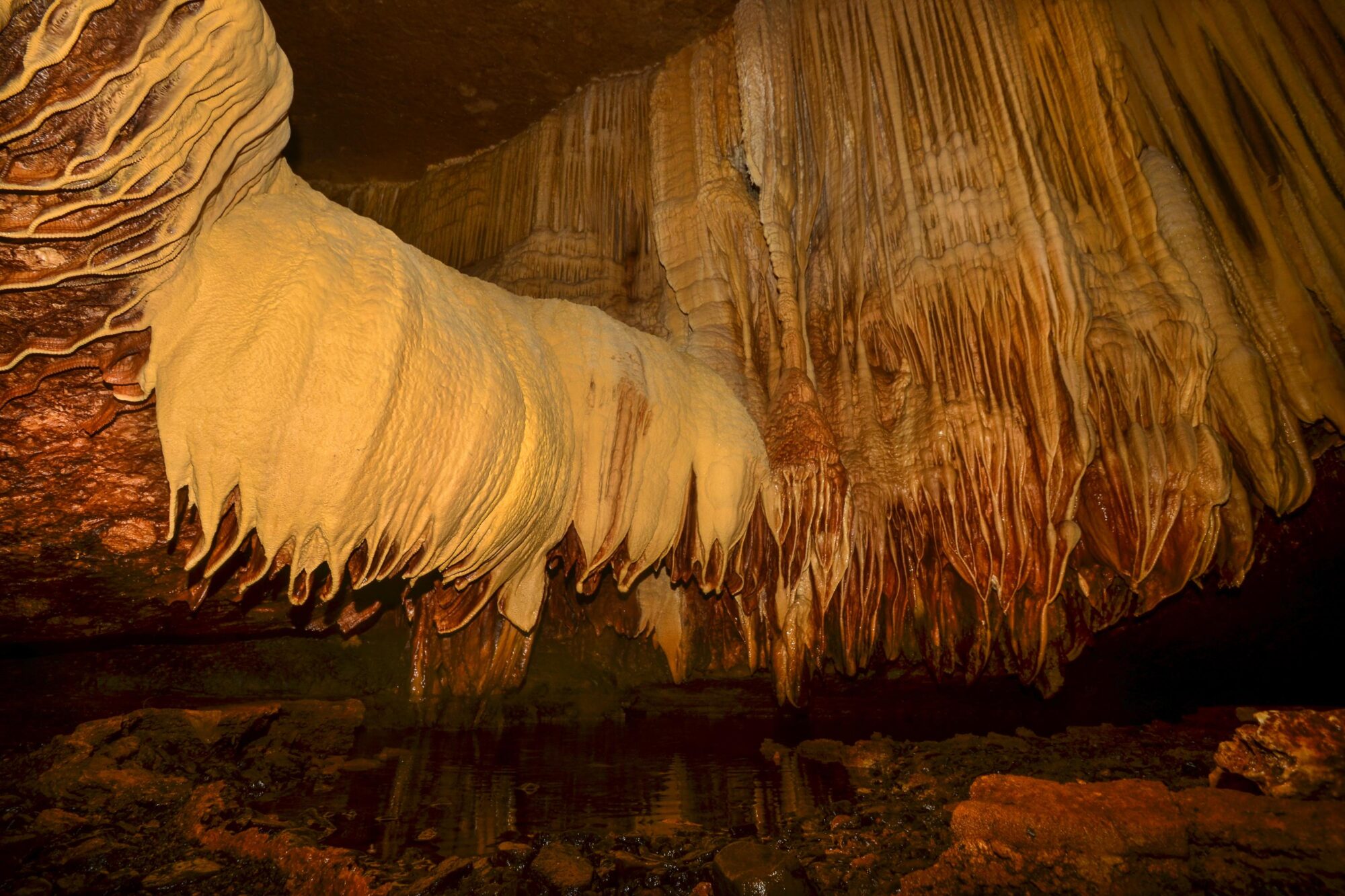
Capisaan Cave System
Located in Kasibu, this extensive cave system features impressive limestone formations and underground chambers. A good option for adventurous travellers interested in guided caving experiences.
-
- Capisaan Cave
-
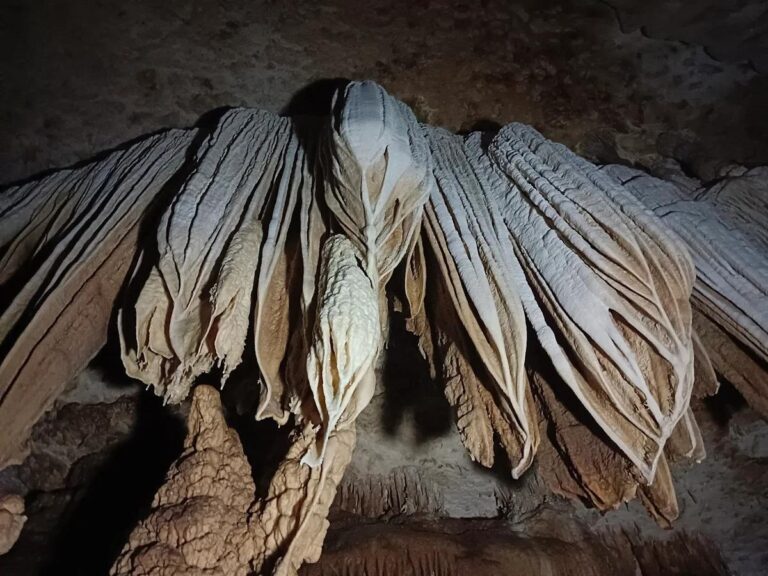
- Jagged Curtain formation
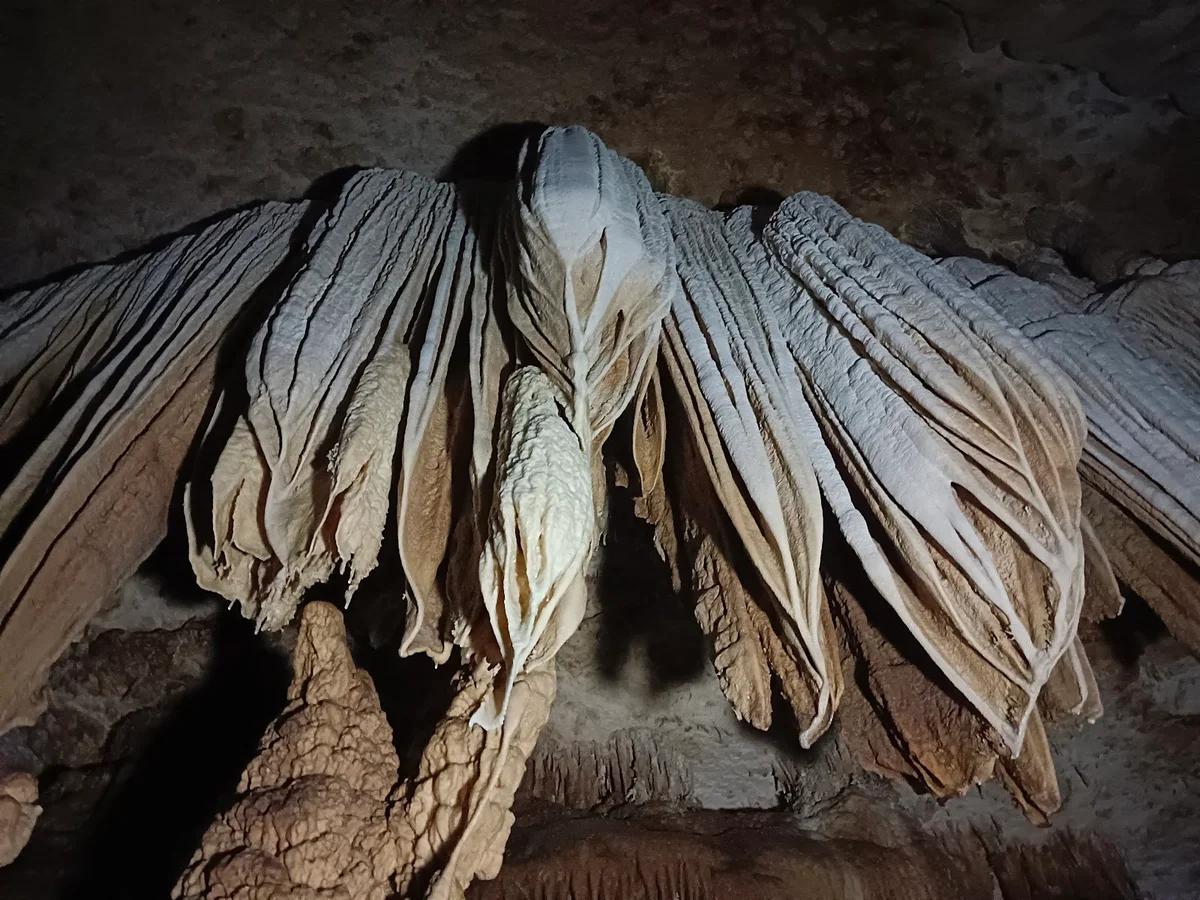
Photos: cave formation by Jsinglador (CC BY-SA 4.0) via Wikimedia Commons, and “Jagged Curtain” by Rawen Balmaña (CC BY-SA 2.0).
Saint Catherine Of Siena Church
A historic Spanish-colonial church in Dupax del Sur. An interesting stop for travellers who enjoy old churches, architecture and Philippine history.
My Experience Travelling Through Nueva Vizcaya
My journey began in Manila, where I joined three workers returning to the Didipio mining project after their rostered time off. We travelled by car, heading north from Manila through Luzon before reaching Bambang, Nueva Vizcaya, where we stopped for the night.
The following morning, we continued towards the Didipio mine site in Kasibu, winding our way through the mountainous countryside. It was a great opportunity to take in the scenery, with steep mountain ridges, deep valleys and small communities scattered along the way.
The landscape reminded me of other mountainous parts of northern Luzon, particularly the Cordillera region and areas around Ifugao and Banaue. Mountains, valleys, forests and small communities scattered along the roadsides.
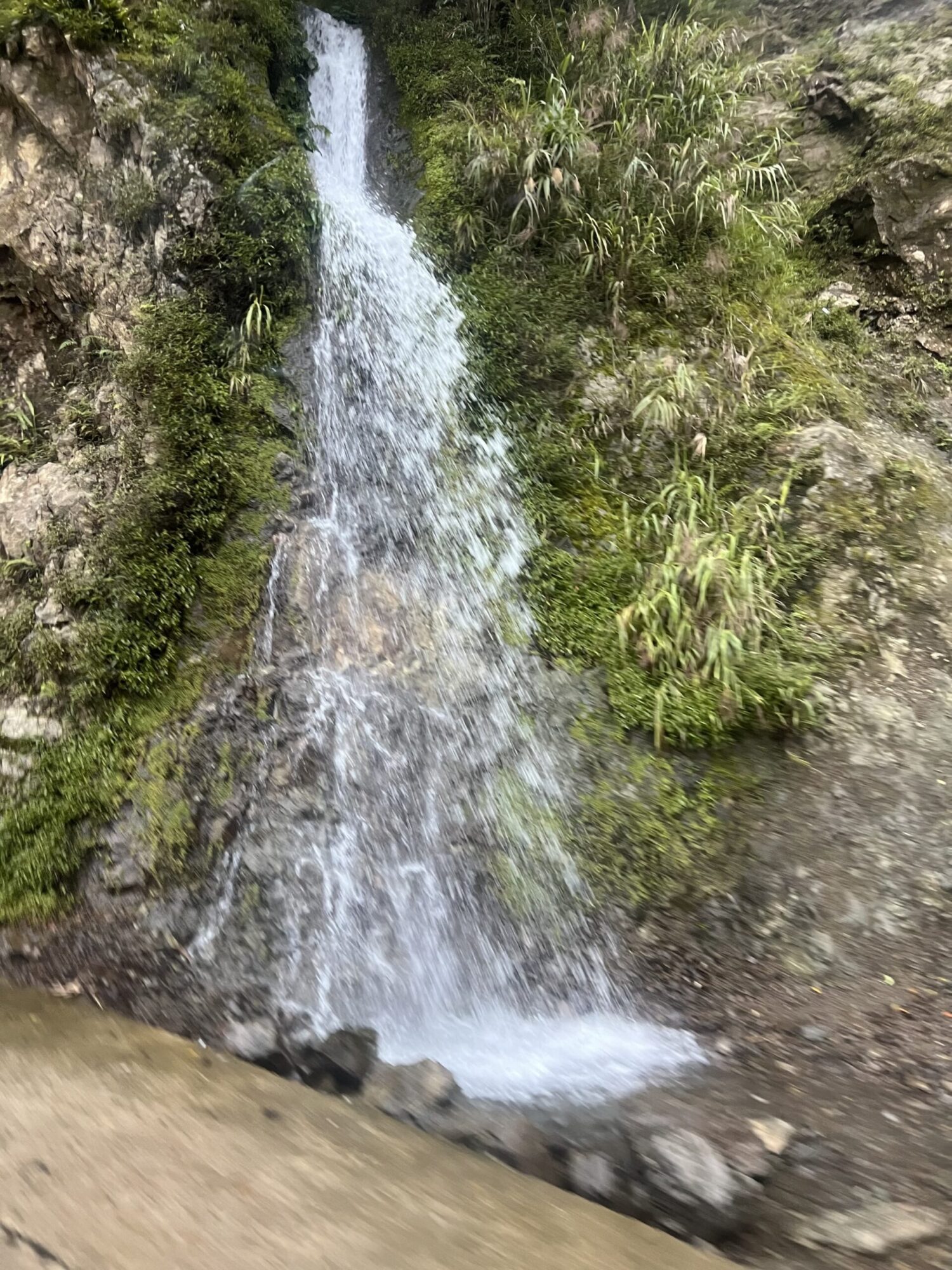
One thing I particularly enjoy about these mountain drives is seeing water trickling down the rock faces beside the road. They’re not exactly spectacular waterfalls, but they add something to the scenery, especially when you’re winding your way around the mountains.
As we headed towards Didipio, the roads became more remote. Some sections were unpaved and required a little extra care, although generally the journey wasn’t too bad.
What struck me was how people manage to live and work in these relatively isolated communities. You drive through places where the terrain makes even the simplest things, such as transporting goods or building infrastructure, a genuine challenge.
It’s something you don’t necessarily appreciate until you’ve spent a few hours travelling through these areas.
A Visit To The Didipio Gold-Copper Mine
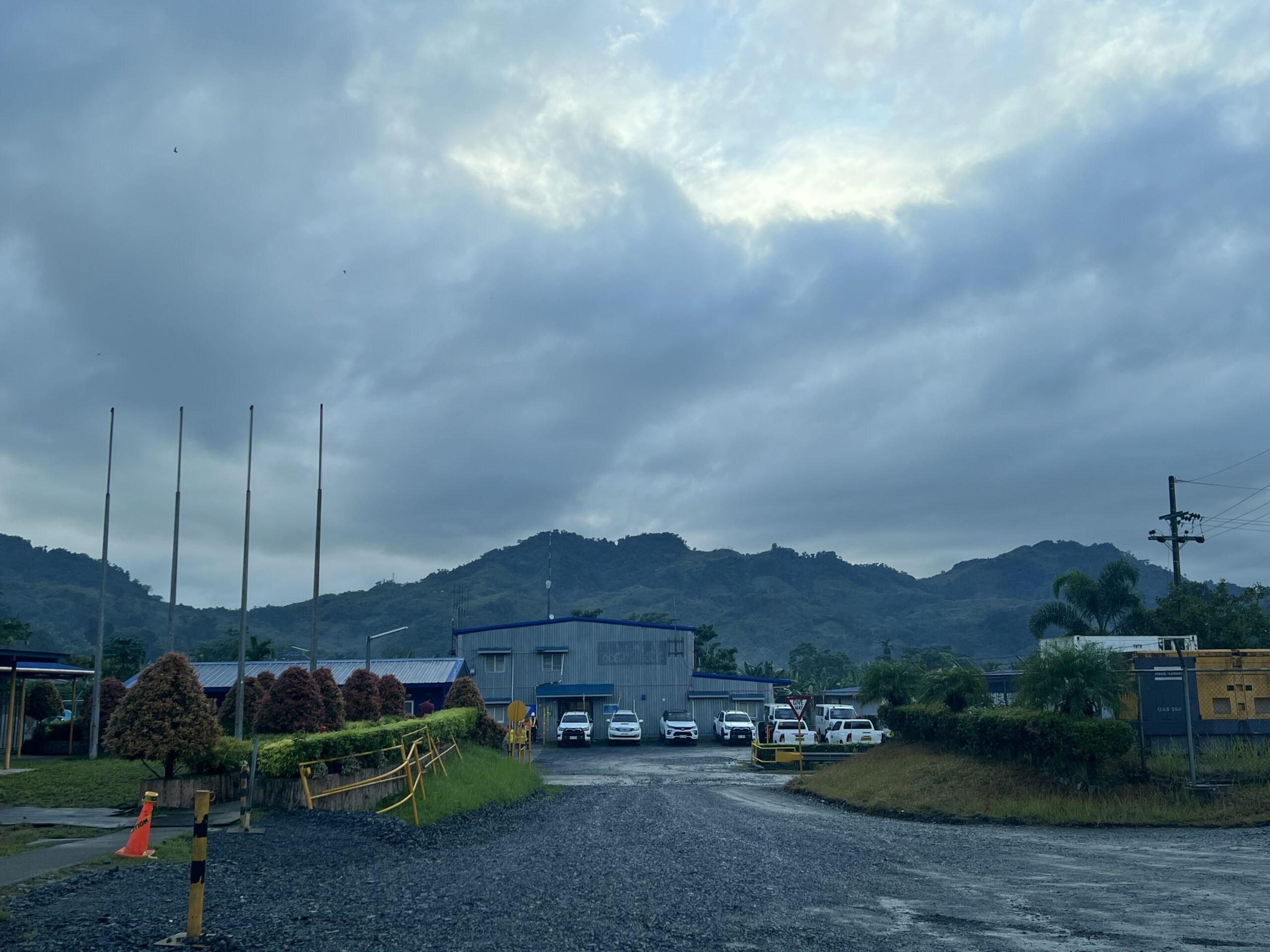
The main purpose of my trip was to deliver cultural and communications training for a contractor working at the Didipio Gold-Copper Mine, operated by OceanaGold.
Didipio is one of the Philippines’ major gold and copper operations, and seeing the scale of the facility in such a remote mountainous location was pretty mind-blowing.
I’ve worked in the mining and exploration industry before, so I have some appreciation for the logistical challenges involved.
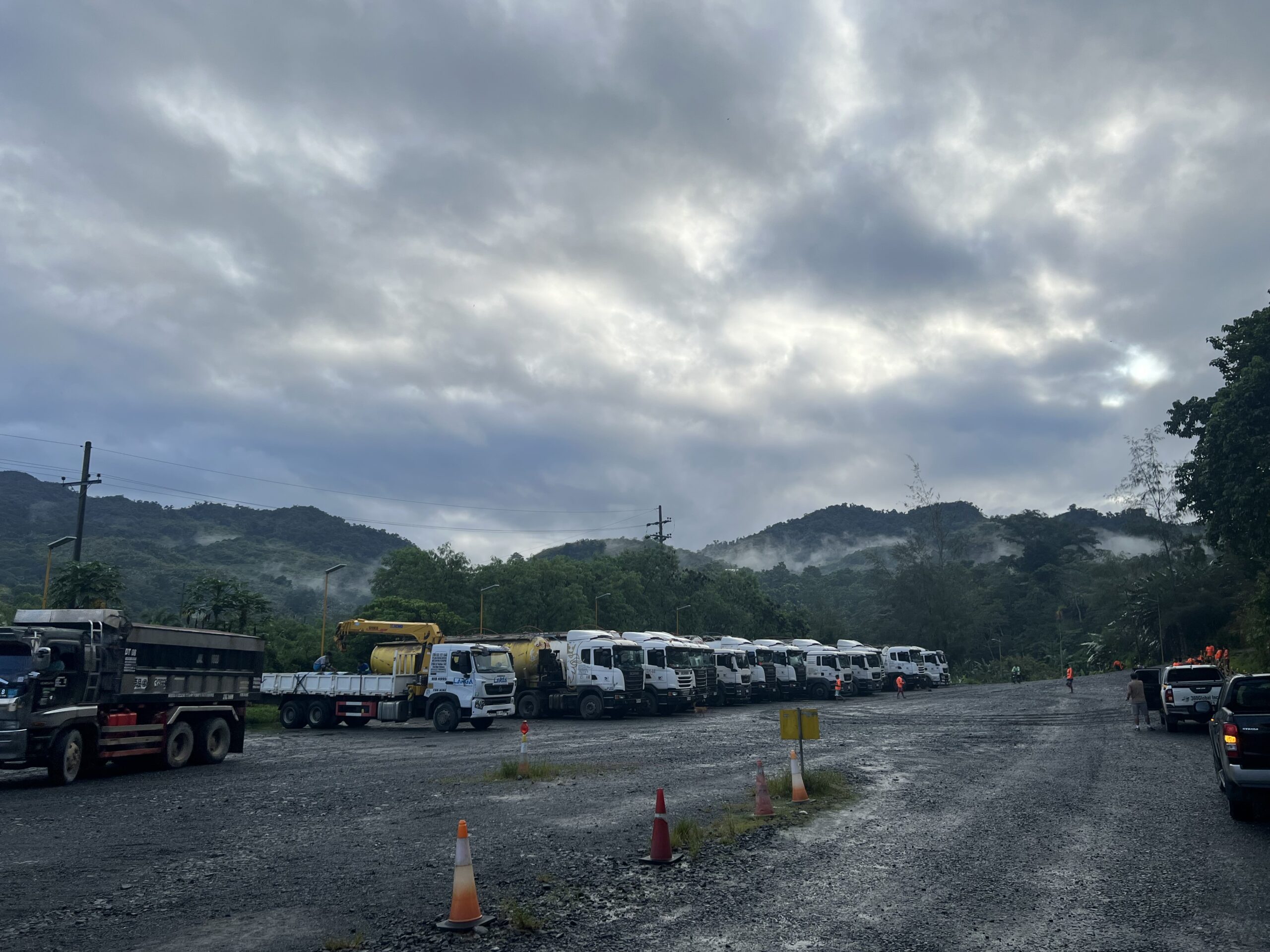
Getting large machinery and equipment into remote locations isn’t as simple as loading everything onto a truck. You’ve got narrow mountain roads, steep gradients, river crossings, overhead power lines, trees and all sorts of other obstacles to deal with.
Sometimes even the roads themselves need to be constructed or modified.
When you see an operation of this scale surrounded by the massive mountains, you really start to appreciate the amount of planning and effort involved.
-
- Didipio mine offices
-
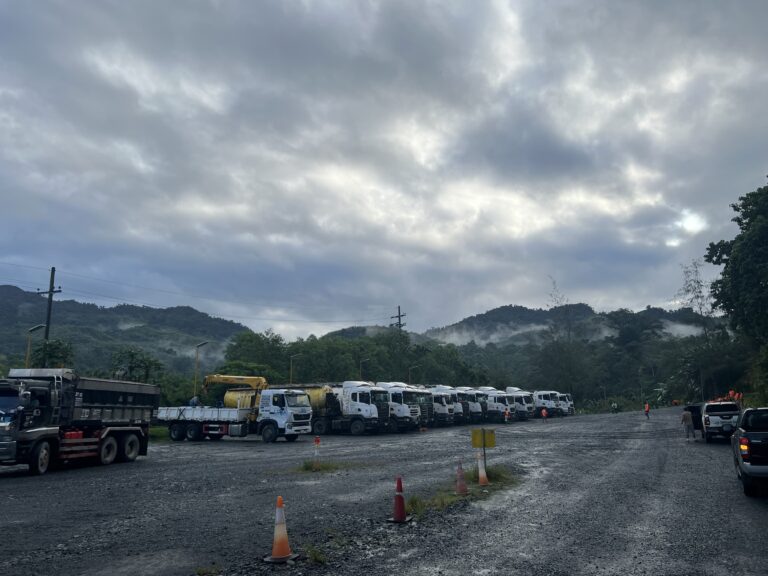
- Trucks at the Didipio site
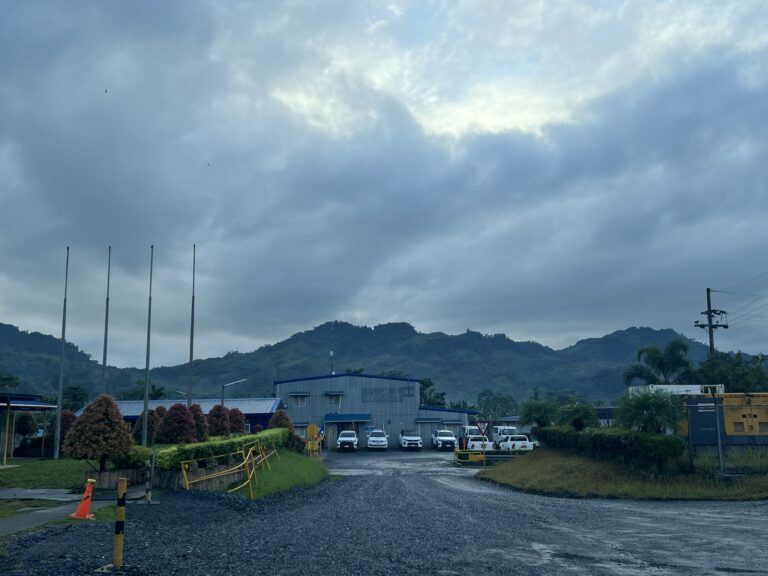
I spent most of my time in offices and meeting rooms rather than touring the mining facilities, but I still had the opportunity to look around and get a feel for the operation.
After completing my assignment, I was driven to Cauayan Airport in neighbouring Isabela province for my flight back to Manila.
Although I didn’t have time for the usual sightseeing, the journey gave me another opportunity to experience the mountainous countryside and remote communities of northern Luzon.
Didipio is an operating mine, so it doesn’t offer public access or casual tours.
How Many Days Do You Need In Nueva Vizcaya?
For travellers planning to explore the province rather than simply pass through, I’d suggest two to three days.
That should provide enough time to visit several attractions, enjoy the mountain scenery and explore some of the smaller towns without rushing.
If you’re interested in more adventurous activities, particularly caving or hiking, consider allowing additional time.
Where To Stay In Nueva Vizcaya
For most first-time visitors, I’d suggest looking for accommodation around Solano or Bayombong.
Solano is one of the province’s main commercial centres, while Bayombong is the provincial capital. Both provide practical bases for exploring nearby attractions and arranging onward transport.
Travellers heading into more remote areas, such as Kasibu, should investigate accommodation and transport arrangements before setting off.
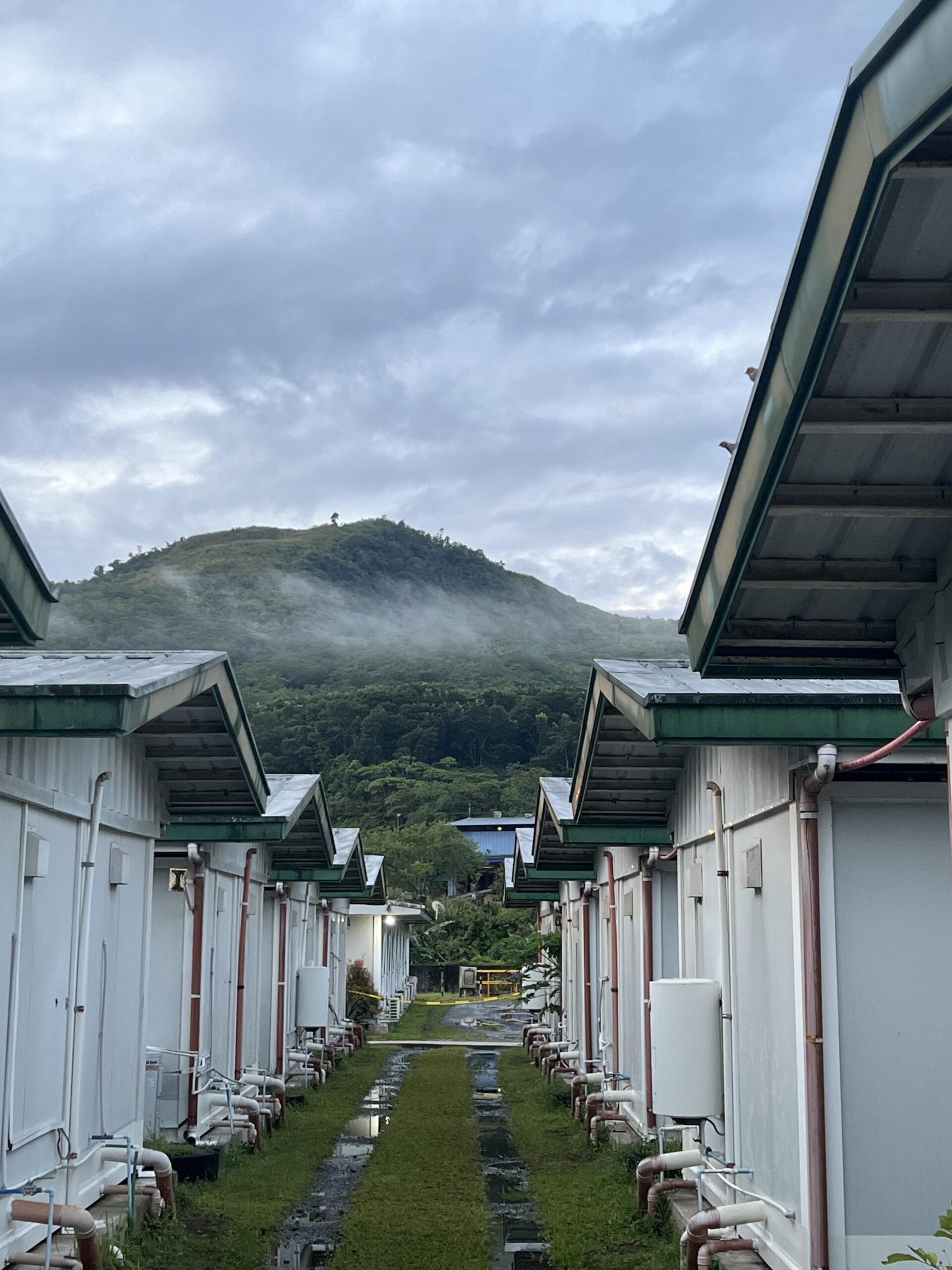
We spent our first night in Bambang before continuing to Didipio the following morning. At the mine, I stayed in what we Aussies call a donga, basically a small, self-contained accommodation unit with a bed and bathroom.
Nothing particularly fancy, although I had my own room, which was a bonus!
How To Get To Nueva Vizcaya
Nueva Vizcaya is a landlocked province in northern Luzon, accessible primarily by road. There are several ways to get there, depending on where you’re travelling from.
From Manila By Car Or Private Van
The journey to Solano or Bayombong generally takes around six to eight hours, depending on traffic, weather and stops.
A common route follows NLEX, SCTEX and TPLEX before continuing through Nueva Ecija, crossing Dalton Pass at Santa Fe and heading north along Maharlika Highway.
For groups, hiring a private van with a driver is worth considering. Confirm whether fuel, tolls, driver expenses and sightseeing stops are included.
From Manila By Bus
Air-conditioned buses operated by companies such as Victory Liner and Florida pass through Nueva Vizcaya on their way to destinations farther north.
Look for services passing through Solano, Bayombong or Bambang, and confirm the boarding terminal and drop-off point before travelling.
From Clark
Travellers arriving at Clark International Airport can arrange a private car or van via SCTEX and TPLEX, continuing through Nueva Ecija into Nueva Vizcaya. Allow approximately five to seven hours, depending on your destination and road conditions.
From Manila By Air
You can also fly from Manila to Cauayan Airport in neighbouring Isabela province, a flight of roughly one hour. Check current airlines and schedules before you book.
From Cauayan, you’ll need onward road transport into Nueva Vizcaya. Allow roughly three hours to reach the central part of the province, depending on your destination.
This is how I returned to Manila after my visit to Didipio.
Jeepneys, tricycles and some van services connect the province’s towns, although reaching remote attractions can require additional arrangements.
For exploring several destinations, a private vehicle or hired van will generally provide the most flexibility.
Good To Know Before You Go
- Mountain roads: Expect winding roads, steep sections and occasional rough surfaces in remote areas.
- Weather: Heavy rainfall can cause landslides and disrupt travel, particularly during typhoon season.
- Transport: Arrange private transport in advance when visiting remote attractions or smaller communities.
- Accommodation: Solano and Bayombong make practical bases for exploring different parts of the province.
- Attractions: Check local access arrangements, guide requirements and weather conditions before heading out.
Dezza’s Tip
If you’re travelling through Nueva Vizcaya, don’t underestimate how much the journey itself can be part of the experience.
The mountain scenery is absolutely awesome, and driving through these remote communities gives you a different perspective on life in the Philippines.
I wouldn’t pretend to be an expert on Nueva Vizcaya’s tourist attractions because I simply haven’t explored enough of them. However, if you enjoy mountain scenery, provincial road trips and getting away from the usual tourist destinations, it’s certainly worth having a look at what the province has to offer.
You Might Also Like
 BenguetHighland scenery, mountain roads and Cordillera views.
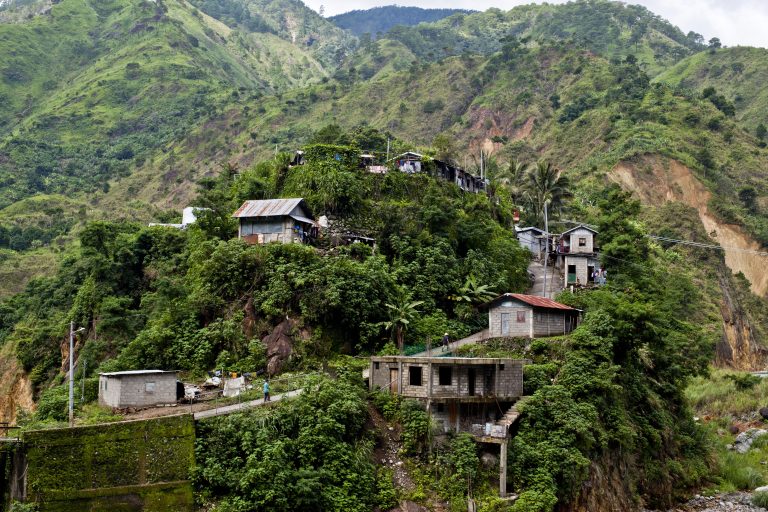 Baguio CityPine trees, cool air and the Summer Capital of the Philippines.
Where Is Nueva Vizcaya?

Unsubscribe anytime.