



Cebu City
Cebu City: A Historic City and Gateway to the Visayas
Cebu City is one of the Philippines’ major cities and is often referred to as the Queen City of the South. It’s also one of the country’s most historically significant cities, having been the site of the first permanent Spanish settlement in the Philippines in 1565.
Cebu City is in the Central Visayas, about a one-hour flight from Manila, and most people arrive through Mactan-Cebu International Airport.
I’ve visited Cebu City several times since around 2006, mostly for business or other specific purposes rather than holidays.
My overall impression? It’s a busy, crowded city with plenty of traffic and some very noticeable poverty. There are modern shopping centres, hotels and business districts, but there are also areas where life is clearly much tougher.
What I find most interesting about Cebu City is its history. There’s plenty of Spanish colonial heritage to explore, although I wouldn’t necessarily recommend spending several days there.
For me, Cebu City’s biggest advantage is its location. It’s a major transport hub and a convenient starting point for exploring Cebu Island and the wider Visayas.
Things to Do in Cebu City
Cebu City has quite a few historical attractions, along with modern shopping centres, restaurants and nightlife.
I’ve visited some of these places over the years, although there are others I haven’t yet had the chance to explore.
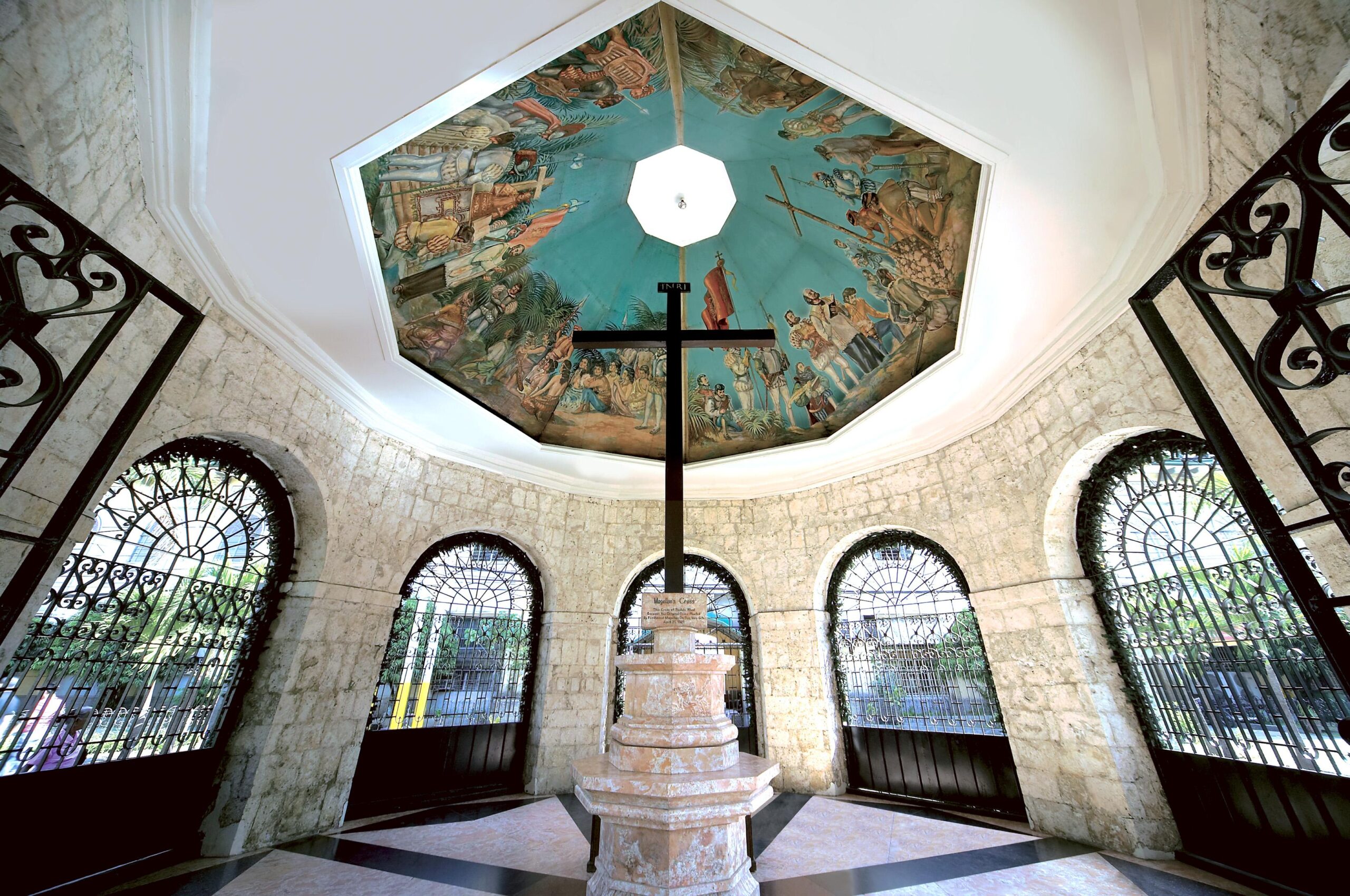
Magellan’s Cross
Magellan’s Cross is one of Cebu City’s most famous historical landmarks.
It commemorates the arrival of Christianity in Cebu in 1521, when Ferdinand Magellan’s expedition became involved in the baptism of Rajah Humabon, Queen Juana and hundreds of their followers.
I’ve visited Magellan’s Cross, and while it’s certainly worth checking out if you’re interested in Philippine history, it’s not somewhere I’d go out of my way to visit again.
It’s one of those places you visit, appreciate the historical significance, take a few photos and move on.
Fort San Pedro
Fort San Pedro is one of the oldest Spanish fortifications in the Philippines, dating back to 1565. Originally built to defend the Spanish settlement, the fort was later reconstructed in stone and completed in the 18th century.
I’ve visited Fort San Pedro, and it reminds me very much of Fort Santiago in Intramuros, Manila, although it’s quite a bit smaller. It’s an interesting place to check out if you’re into Philippine history, and you don’t need to allow too much time to explore it.
Today, the fort houses historical exhibits and artefacts that offer a glimpse into Cebu’s Spanish colonial past.
-
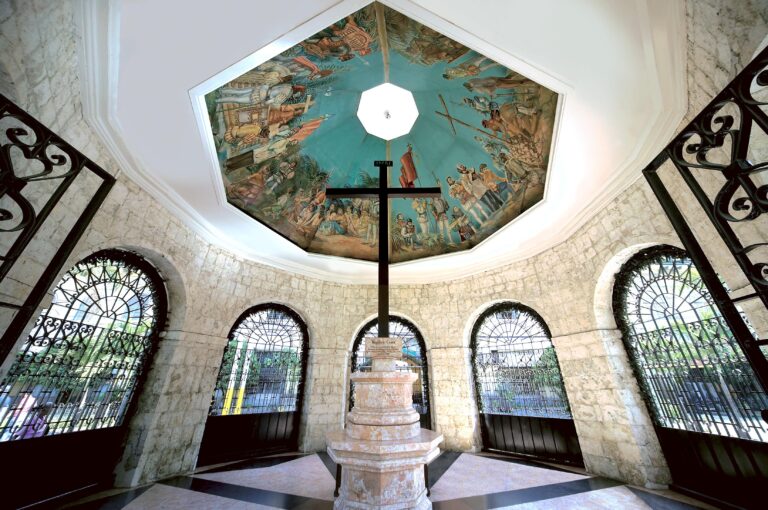
- Magellan’s Cross
-

- Fort San Pedro
Cebu Taoist Temple
The Cebu Taoist Temple is located in the Beverly Hills subdivision, overlooking Cebu City.
Built in 1972, the temple is one of the city’s more distinctive attractions, with traditional Chinese architecture and views across the surrounding area.
I’ve driven past the temple but haven’t actually been inside. It’s somewhere I’d be interested in visiting if I returned to Cebu City, particularly given my growing interest in Taoism.
Ayala Center Cebu
Ayala Center is one of Cebu City’s major shopping and entertainment destinations.
I’ve been here a few times over the years, including visiting restaurants and enjoying some of the entertainment.
It’s a pretty good place to spend a few hours, with plenty of shops, restaurants, cafes and places to relax. It reminds me a little of the Greenbelt area in Makati, although each has its own atmosphere.
For visitors looking for somewhere to eat, shop or enjoy a few drinks, Ayala Center is worth checking out.
-

- Cebu Taoist Temple
-
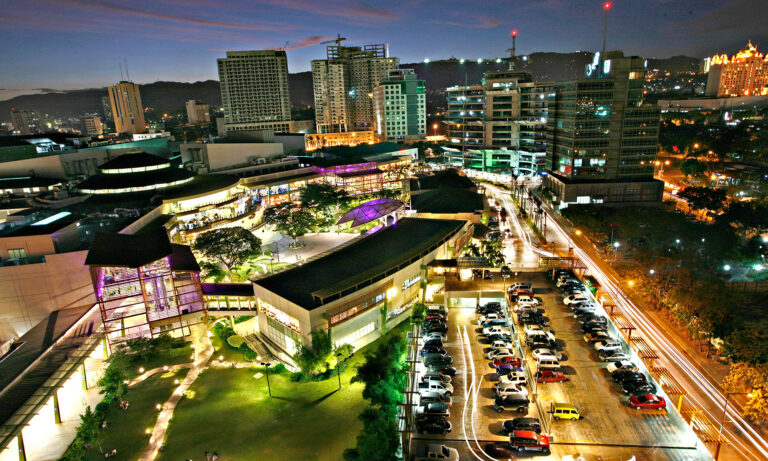
- Ayala Center Cebu

Crown Regency Sky Experience
One of Cebu City’s more unusual attractions has been the Sky Experience Adventure at the Crown Regency Hotel.
Its best-known attraction was the Edge Coaster, a ride around the outside of the building, more than 100 metres above the ground.
I’ve never tried it myself, and I’m not sure I’d be too keen on being tilted over the edge of a high-rise building!
If this interests you, check whether the attraction is operating before making plans.
Other Historical Attractions
Two other places worth considering are the Basilica Minore del Santo Niño, one of the Philippines’ most important Catholic churches, and Colon Street, recognised as the country’s oldest street.
I haven’t explored these attractions in any great detail, but they add to Cebu City’s historical appeal.
Cebu City’s Restaurants and Nightlife
I’ve experienced a fair bit of Cebu City’s nightlife over the years, although it’s been quite some time since my last visit.
The city has plenty of bars, restaurants and entertainment venues, particularly around areas such as Mango Avenue and the major shopping and business districts.
I’ve spent evenings in different bars, watching sport, playing pool and enjoying a few drinks.
Nothing particularly remarkable stands out in terms of restaurants, although I’ve certainly had some enjoyable evenings there.
Like Manila, Cebu City has changed considerably over the years, so I’d recommend checking what’s currently open rather than relying on older recommendations.
How Many Days Do You Need in Cebu City?
Personally, I reckon one full day is enough to see most of Cebu City’s main attractions, particularly if you’re primarily interested in its history.
You could spend two days if you wanted to take things a little easier, explore more of the historical sites or enjoy some shopping and nightlife.
I’ve always found Cebu City more useful as a base for travelling elsewhere rather than somewhere I’d choose for an extended holiday.
There are so many other places around Cebu Province that I’d be more interested in exploring.
Where to Stay in Cebu City
Cebu City has accommodation to suit just about every budget, from inexpensive hotels to more upmarket international properties.
For most visitors, I’d suggest looking around Cebu Business Park, particularly near Ayala Center, or Cebu IT Park.
Both areas have plenty of restaurants, shopping and entertainment nearby.
Where I Stayed in Cebu City
I’m pretty sure I’ve stayed at Diamond Suites and Residences, located near Ayala Center Cebu.
It’s been quite a few years, but I remember the hotel having a swimming pool and a nice restaurant where we enjoyed some good food and cocktails.
From memory, it was a pretty decent place to stay, particularly given its convenient location. I can’t comment on what it’s like these days, but I certainly don’t remember having any complaints.
Best Time to Visit Cebu City
I’d recommend February to April as a good time to visit Cebu City, particularly if you’re planning to do some sightseeing.
These months generally offer better weather, with less rainfall than the wetter months from around June to December. March and April can get pretty hot, so keep that in mind if you’re planning to spend much time walking around.
Sinulog festival takes place in January, with colourful street parades, dancing and celebrations honouring the Santo Niño. Just be aware that Cebu City gets absolutely packed during Sinulog. Accommodation can be harder to find, traffic becomes a nightmare and major roads may be closed.
If you’re specifically going for the festival, fantastic. If you’re simply passing through Cebu City on your way somewhere else, I’d probably avoid the main festival period.
How to Get to Cebu City
One of Cebu City’s biggest advantages is how easy it is to reach from other parts of the Philippines and overseas.
By Air
The main gateway is Mactan-Cebu International Airport, located on neighbouring Mactan Island in Lapu-Lapu City.
There are regular flights from Manila, with a flying time of around an hour. Direct services also connect Cebu with other Philippine destinations, including Clark, Davao, Iloilo and various cities throughout the Visayas and Mindanao.
International travellers can also fly directly to Cebu from destinations including Singapore and Hong Kong, making it possible to avoid travelling through Manila altogether.
From the airport, Cebu City is approximately 30 to 60 minutes away by road, depending on traffic and your final destination. Allow longer during busy periods.
Taxis, Grab and private transfers are available.
By Ferry
Cebu City is also a major passenger ferry hub, with connections to various destinations throughout the Visayas and beyond.
Depending on current schedules, travellers can reach Cebu by sea from places such as Bohol, Leyte and other neighbouring islands.
Check ferry operators for current routes, schedules and departure terminals.
Getting Around Cebu City
I’ve generally travelled around Cebu City using organised transport or taxis. Traffic can be pretty heavy, particularly around the main business districts and during peak hours.
Grab is another option these days, although it wasn’t something I used during my earlier visits. If you’re planning to explore several attractions, allow plenty of time to get between them.
Exploring Beyond Cebu City
This is where I reckon Cebu becomes much more interesting.
Cebu City might be the main transport hub, but Cebu Province has plenty of other destinations worth exploring. For more ideas, see my guide to the best places to visit in Cebu.
Some places I’d particularly like to visit include:
- Malapascua Island: Off northern Cebu, famous for scuba diving, particularly its thresher sharks.
- Moalboal: On Cebu’s southwestern coast, known for its sardine run, snorkelling and diving. Here’s my Moalboal travel guide.
- Oslob: In southern Cebu, famous for whale shark encounters, although the feeding practices associated with these tours raise animal welfare concerns.
Then there’s Mactan Island, which I’ve visited and featured separately on Deztreks. It’s particularly well known for its beach resorts and proximity to the international airport.
I’d also like to spend more time exploring Cebu’s mountainous interior, rather than concentrating entirely on the city.
Good to Know Before You Go
- Cebu City and Cebu Province are different, so check where attractions are actually located.
- Allow extra travel time, particularly when crossing between Mactan Island and Cebu City.
- Avoid Sinulog Festival dates if you don’t want large crowds and road closures.
- Cebu City is a useful base, but many of Cebu’s best attractions are elsewhere.
- Check current opening hours before visiting historical sites or older entertainment attractions.
Dezza’s Tip
If you’re visiting Cebu for the first time, I’d recommend spending a day checking out Cebu City’s main historical attractions, perhaps staying overnight, and then heading off to explore other parts of the island.
Cebu City is interesting enough, especially if you’re into Philippine history, but I wouldn’t be in a rush to spend several days there.
For me, the real attraction is what lies beyond the city.
Cebu City FAQs
How many days do you need in Cebu City?
In my view one full day is enough to see most of Cebu City’s main attractions, particularly if you are mainly interested in history. You could stretch it to two days if you want to take things easier, explore more historical sites or enjoy some shopping and nightlife. I have always found Cebu City more useful as a base for travelling elsewhere than as somewhere for an extended holiday, because many of Cebu’s best attractions are outside the city.
What are the main things to see in Cebu City?
Cebu City is rich in Spanish colonial history. The best known sights are Magellan’s Cross, which commemorates the arrival of Christianity in 1521, and Fort San Pedro, one of the oldest Spanish fortifications in the country, dating back to 1565. The Basilica Minore del Santo Niño and Colon Street, recognised as the country’s oldest street, are also worth considering. Ayala Center Cebu is a good place to eat, shop and relax for a few hours.
How do you get to Cebu City from Manila?
The main gateway is Mactan-Cebu International Airport, on neighbouring Mactan Island, and there are regular flights from Manila with a flying time of around an hour. From the airport, Cebu City is approximately 30 to 60 minutes away by road depending on traffic, and taxis, Grab and private transfers are available. Cebu is also a major ferry hub with connections to places such as Bohol and Leyte, so check operators for current schedules.
When is the best time to visit Cebu City and where should you stay?
February to April is a good time for sightseeing because rainfall is lower than in the wetter months from around June to December, although March and April can get hot. The Sinulog festival in January is colourful but the city gets absolutely packed, so avoid it if you are only passing through. For accommodation, look around Cebu Business Park near Ayala Center, or Cebu IT Park, which have plenty of restaurants and shopping nearby.
You Might Also Like
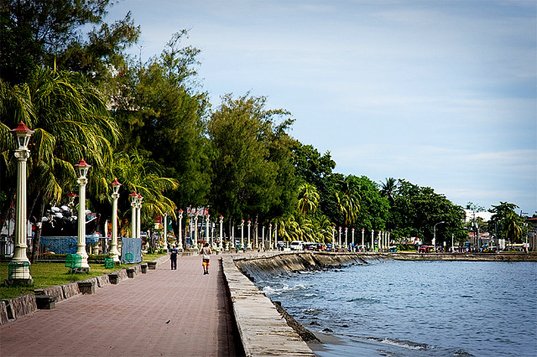 DumagueteA relaxed seaside city and base for Apo Island
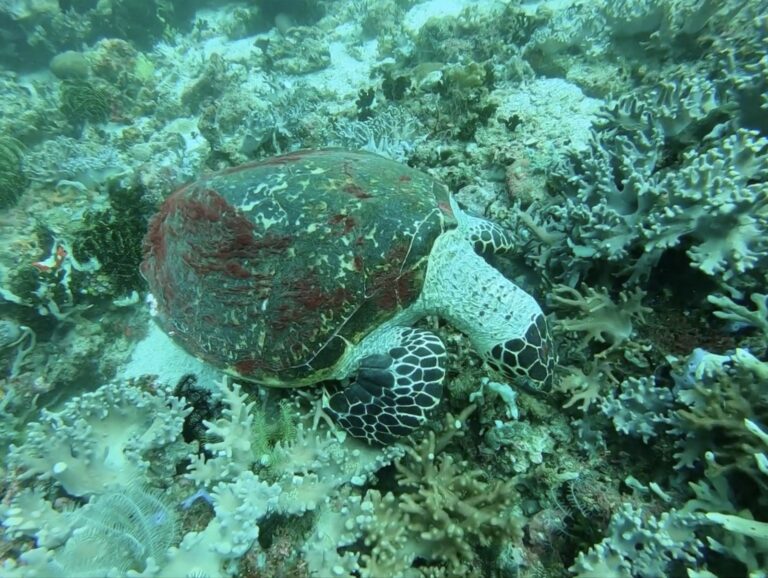 Apo IslandSnorkel with sea turtles just off the coast
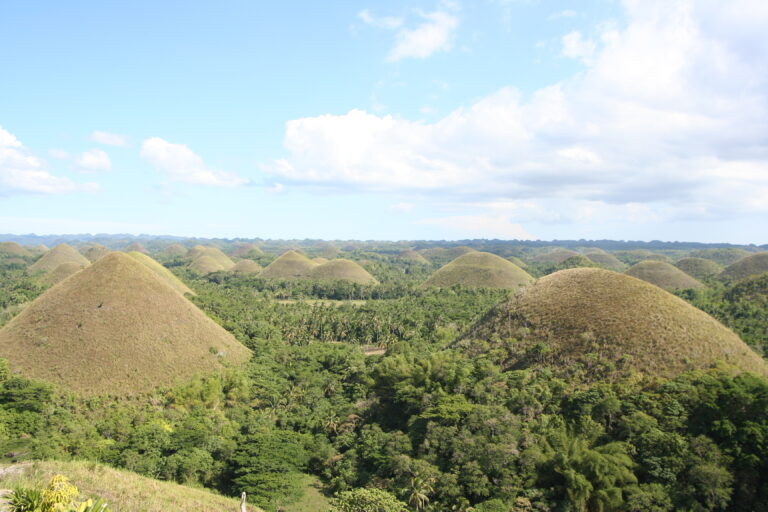 BoholChocolate Hills, tarsiers and island scenery
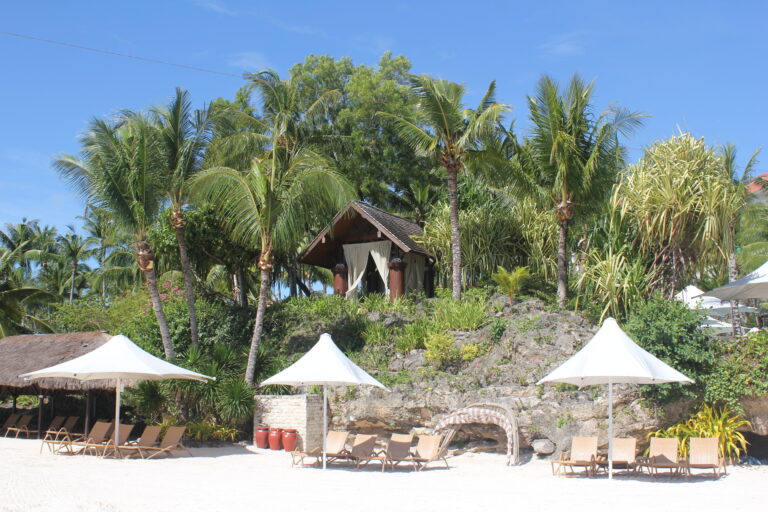 Mactan IslandBeach resorts right beside the airport
Where Is Cebu City?

Unsubscribe anytime.