



One Hundred Islands
One Hundred Islands, Pangasinan: Chocolate Hills in the Water
One Hundred Islands National Park is one of the most distinctive landscapes in the Philippines. Scattered across Lingayen Gulf near Alaminos City, the park contains 123 islands and islets at high tide and 124 at low tide.
Alaminos City is in Pangasinan, in the Ilocos Region, about five hours by road from Manila.
The best way I can describe it is like the Chocolate Hills in the water.
You have all these rounded, mushroom-shaped limestone mounds rising out of the sea. Some are large enough to explore, some have little beaches or caves around their edges, while others are simply small green mounds surrounded by water.
I first visited One Hundred Islands in April 2007, when I was still relatively new to living in the Philippines. I had previously visited places such as Bohol, Boracay, Davao, Puerto Galera and parts of Batangas, but I hadn’t seen anything quite like this.
Even after travelling much more extensively around the country, Hundred Islands remains a very unique destination. I’d love to return and explore it properly with the knowledge and experience I have now.
-
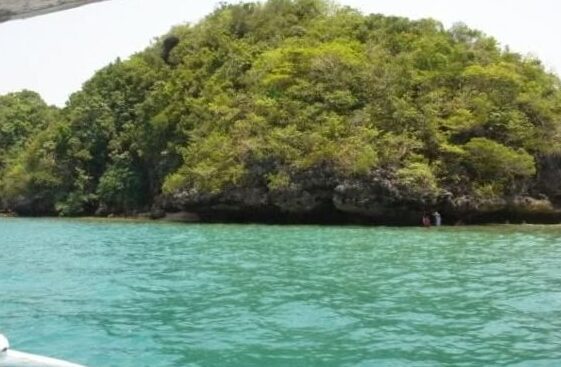
- From the boat
-
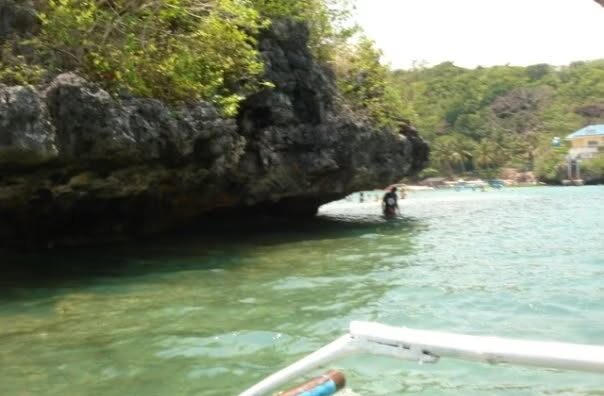
- Island hopping
Island Hopping Around One Hundred Islands
Island hopping is the main reason to visit Hundred Islands. Our group consisted of three or four families, probably around 12 to 15 people altogether. We had been invited by an Australian friend who owned a large holiday house or farm property somewhere in the area.
My mate knew the region fairly well, so he and his wife helped organise the boat. I can’t remember the exact arrangements or what it cost, but we had a local boatman rather than a separate tour guide.
Lucap Wharf in Alaminos is the main departure point for Hundred Islands, so this was most likely where we boarded. However, after nearly 20 years, I can’t say that with absolute certainty.
From there, we spent the day cruising between the islands in a traditional outrigger boat. I don’t remember following a formal itinerary or visiting the major developed attractions that are promoted today.
For us, it was mostly about enjoying the boat ride, taking in the scenery and stopping at a couple of small islands with patches of sand where we could swim and relax. That simplicity was a big part of what made the day so enjoyable.
A Picnic on Our Own Little Island
One of the best stops was a small islet with enough sand for our group to get off the boat and settle in for a while.
There were only a couple of other groups around, so we virtually had the place to ourselves. We brought an ice box filled with food and beer, found a spot on the sand and stayed there for a few hours.
The kids swam in the calm water while the adults relaxed, had something to eat and enjoyed a few beers. I went for a swim as well, but there was no great schedule and no rush to move on.
It was simply a beautiful place to stop for a picnic.
With so many islands scattered around the park, there are probably plenty of similar little beaches. The exact stops will depend on your boat route, the tide and current access arrangements.
-

- Beers on the beach
-

- Beach time with the kids
-
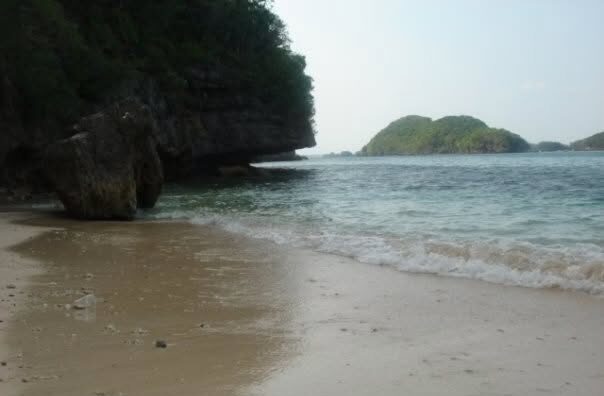
- Our island beach
-
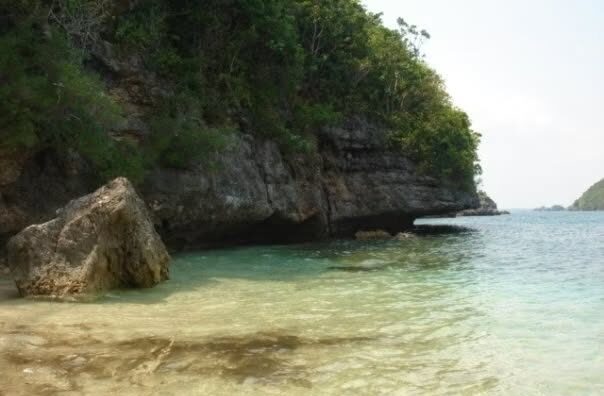
- Clear shallow water
Chocolate Hills in the Water
What stood out most was the landscape itself. Everywhere you looked, there were these small limestone mounds rising out of the water. Some were larger and covered in vegetation, while others were little more than rocks or islets. A few had sandy edges and others appeared to have caves worn into them.
I’d never seen anything like it.
When I later visited the Chocolate Hills in Bohol, it gave me an easy way to describe Hundred Islands. The Chocolate Hills are rounded mounds spread across the land; Hundred Islands looks like someone scattered similar mounds across the sea.
The comparison isn’t scientifically exact, of course, but visually this gives you a good idea of what to expect.
The islands are formed from ancient coralline limestone that has been shaped by changes in sea level and natural erosion. The result is a fascinating marine landscape unlike anywhere else I had visited at the time.
-
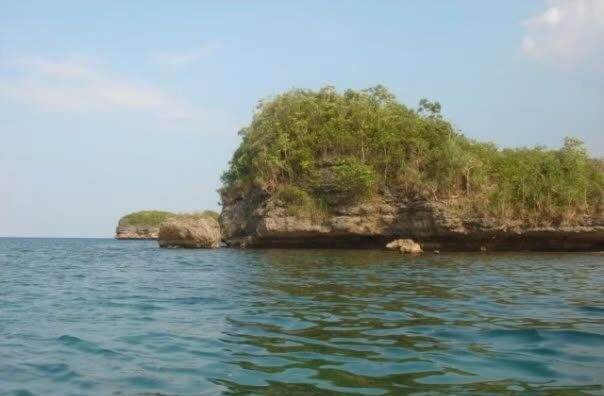
- Limestone island
-
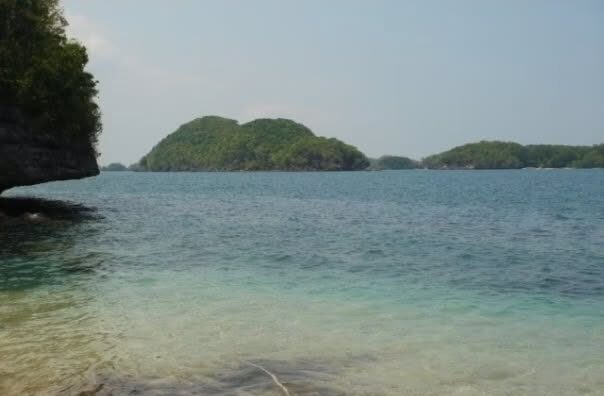
- Islands in Lingayen Gulf
Islands and Activities You Can Visit Today
The experience appears to be considerably more developed today than it was when I visited in 2007. Some of the best-known stops now include:
Governor’s Island
Governor’s Island is known for its elevated viewing deck overlooking the surrounding islands. Reaching the top involves climbing around 180 steps, but the reward is one of the best panoramic views across the national park.
Quezon Island
Quezon Island is one of the most developed islands in the park, with picnic areas and facilities for visitors. Activities promoted here include swimming, snorkelling, kayaking and ziplining.
Children’s Island
Children’s Island has relatively shallow water and is considered one of the more suitable stops for families with younger children.
Marcos Island and Imelda Cave
Marcos Island is known for Imelda Cave, where more adventurous visitors can enter the cave and jump into the water below. Check the current access and safety conditions before attempting any cliff or cave jump.
Cathedral and Cuenco Caves
Several of the islands contain caves and unusual limestone formations. Cathedral Cave and Cuenco Cave are among the better-known examples, although boat access and tour routes may depend on sea conditions.
We were more intent on finding somewhere a little more private and avoiding the crowds, which is why we ended up where we did.
How Many Days Do You Need?
One full day is enough for an island-hopping tour of Hundred Islands. I’d recommend arriving in Alaminos the day before your tour if you’re travelling from Metro Manila. That allows you to register and start reasonably early without doing a long drive immediately before your boat trip. We made a weekend of it and stayed for two nights at our friend’s property.
If you also want to explore other parts of western Pangasinan, including Bolinao, Agno or Tambobong, allow several more days rather than trying to squeeze everything into one rushed trip.
Where to Stay
The most convenient place to stay is around Lucap Wharf or elsewhere in Alaminos City. Staying near the wharf makes it easier to register and get an early start for your island-hopping tour.
There are hotels, guesthouses and smaller local accommodation options around Alaminos. Some visitors also choose to camp or stay overnight within the national park, subject to current fees, designated areas and availability.
Accommodation and camping arrangements can change, so confirm the latest information with the Alaminos City Tourism Office before travelling.
Where I Stayed
I didn’t stay in a hotel during my visit. My mate had invited a few families to stay at his holiday property somewhere in Pangasinan. It was a fairly expansive place outside the main city area, more like a small farm than an urban house.
We stayed there for a couple of nights and drove out for our activities during the weekend. Having somebody with local knowledge made organising the boat and getting around considerably easier.
We also spent time at Leisure Coast Resort in Dagupan City as part of the same trip. It was a pleasant place for the families to relax, although my visit was in 2007 and I can’t comment on its current accommodation, facilities or condition.
-
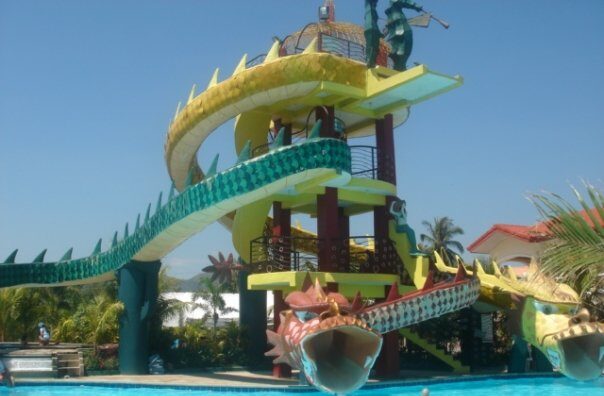
- Leisure Coast Resort
-
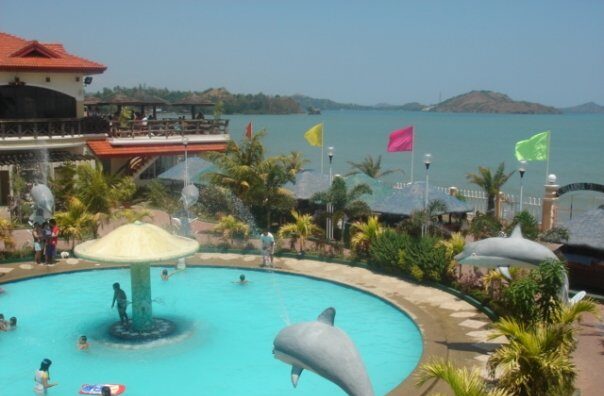
- Resort pool
Best Time to Visit One Hundred Islands
The best time to visit is generally during the dry season, from around December to April, when there is less chance of rain disrupting your island-hopping trip.
We visited in April, which is the hottest month of the year in Alaminos. The weather was hot and sunny, which was ideal for swimming and spending the day on the water, although it certainly pays to bring plenty of drinking water and sun protection.
The wetter season normally runs from May through to November. Boat trips can be affected by heavy rain, strong winds and rough water, particularly when tropical weather systems are moving through northern Luzon.
Always check the local weather forecast before travelling, as conditions on the water can change quickly.
How to Get to One Hundred Islands
By private car
Alaminos City is approximately five hours by road from Metro Manila, although the actual journey can vary considerably with traffic and your starting point.
Our drive from Manila felt very long. From memory, it took somewhere around five to six hours, which is another reason I’d recommend staying overnight instead of attempting the entire trip as a rushed day tour.
Once you reach Alaminos, continue to Lucap Wharf, officially known as Don Gonzalo Montemayor Wharf. This is the main registration and departure area for trips into Hundred Islands National Park.
By public transport
Buses travel from Metro Manila to Alaminos City. From the Alaminos bus terminal or city centre, you can take a tricycle to Lucap Wharf.
Visitors are required to register through the City Tourism Office at the wharf before boarding an authorised tourist boat.
Boat charges normally depend on the size of the vessel and the number of passengers. Registration, environmental and other visitor fees also apply. As these rates can change, check the latest schedule directly with the tourism office rather than relying on old prices online.
Good to Know Before You Go
- Start early so you have plenty of time on the water.
- Register and arrange your boat through the official tourism facilities at Lucap Wharf.
- Bring drinking water, sun protection, swimwear and a towel.
- Pack food and drinks if you want to enjoy a picnic during the tour.
- Use a waterproof bag for phones, cameras and valuables.
- Wear a life jacket while travelling between the islands.
- Take all rubbish back with you and follow the park’s waste rules.
- Carry some cash for registration, boat charges, activities and island facilities.
- Ask which islands and activities are currently accessible before agreeing on your route.
- Boat trips may be changed or cancelled during rough weather.
Dezza’s Tip
Don’t treat Hundred Islands as a checklist where you have to rush between every named attraction. For me, the best part was simply being out on the boat, cruising through that incredible landscape and finding a quiet patch of sand where we could swim, have a picnic and enjoy a few beers.
I’d certainly visit some of the viewpoints and caves if I returned, but I’d still make time for one of those simple island stops. Bring some food, take an ice box and allow yourself a couple of hours to relax.
It remains one of the most unusual island-hopping destinations I’ve experienced in the Philippines. It may not have the dramatic cliffs of El Nido or long open beaches like Bolinao, but those hundreds of green limestone mounds rising from the water give it a character of its own.
One Hundred Islands FAQs
How do you get to One Hundred Islands from Manila?
Alaminos City is in Pangasinan, in the Ilocos Region, approximately five hours by road from Metro Manila, although traffic can stretch that to six. Buses run from Manila to Alaminos, and from the terminal you can take a tricycle to Lucap Wharf, the main registration and departure point. You must register through the City Tourism Office at the wharf before boarding an authorised tourist boat. I would stay overnight rather than rush the whole trip in a day.
How many days do you need at One Hundred Islands?
One full day is enough for an island-hopping tour. If you are travelling from Metro Manila, I recommend arriving in Alaminos the day before so you can register and start early without a long drive first. We made a weekend of it with two nights. If you also want to explore other parts of western Pangasinan, including Bolinao, Agno or Tambobong, allow several more days instead of squeezing it all in.
What can you do at One Hundred Islands?
Island hopping is the main reason to visit, cruising between limestone mounds in an outrigger boat and stopping on small islands for a swim or picnic. Well-known stops include Governor’s Island, with a viewing deck reached by around 180 steps, Quezon Island with its facilities, shallow Children’s Island for families, and Marcos Island with Imelda Cave. Check current access and safety conditions, and ask which islands and activities are open before agreeing on a route.
When is the best time to visit One Hundred Islands?
The best time is generally the dry season from around December to April, when rain is less likely to disrupt your trip. We went in April, the hottest month, which was ideal for swimming, but bring plenty of drinking water and sun protection. The wetter season normally runs from May through November, and boat trips can be changed or cancelled because of heavy rain, strong winds and rough water, so check the forecast before you go.
You Might Also Like
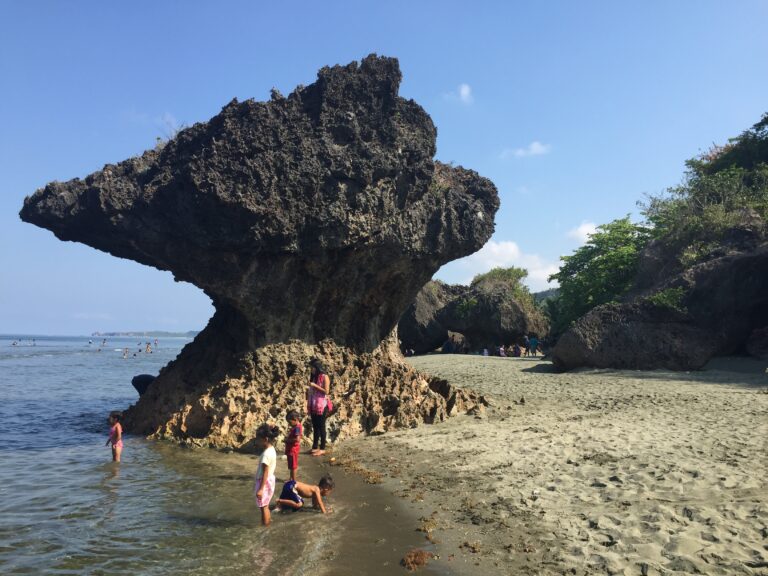 AgnoQuiet beaches on the Pangasinan coast
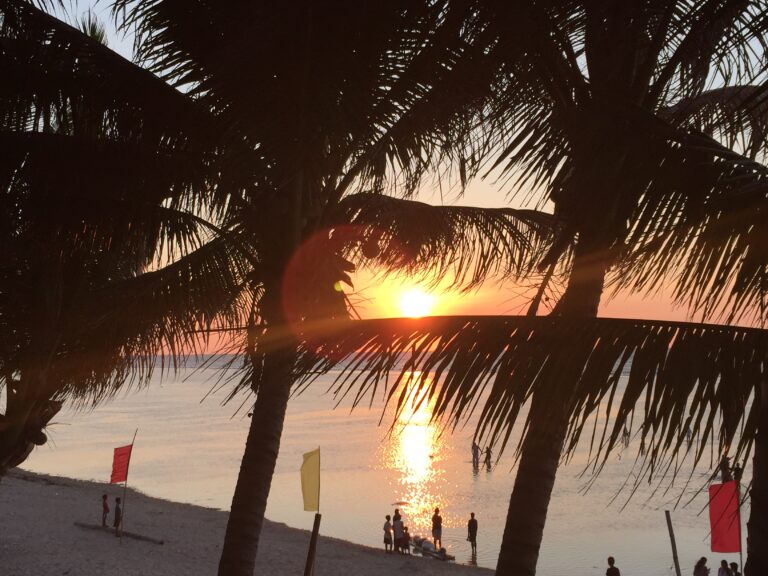 BolinaoBeaches, caves and falls in Pangasinan
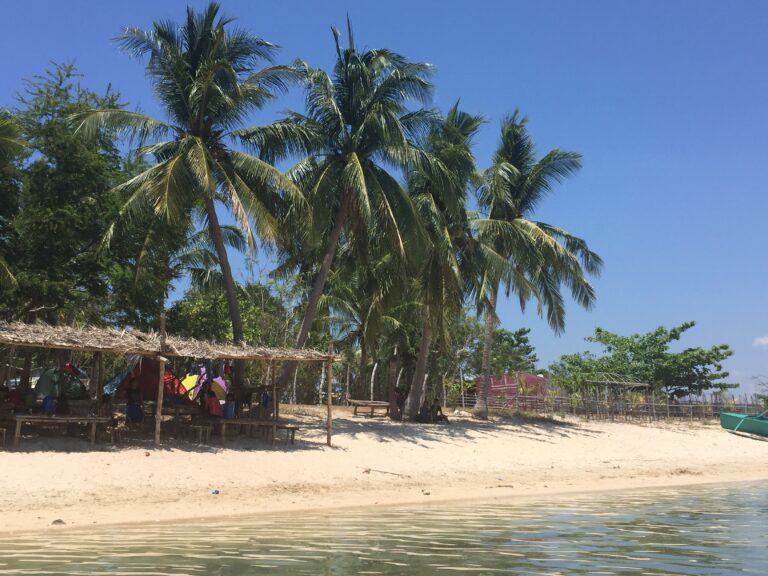 TambobongA beach near Snake Island
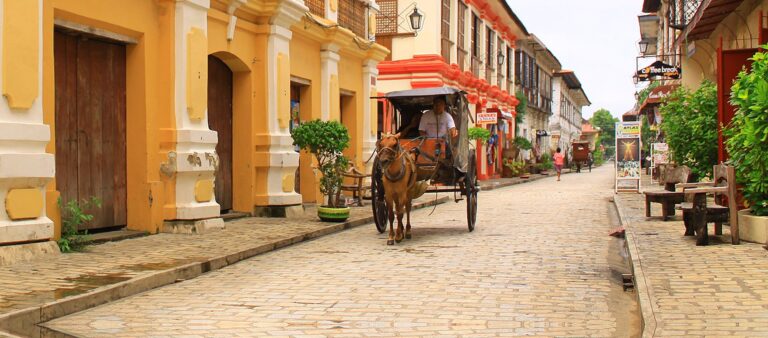 ViganA preserved Spanish colonial town
Where Is One Hundred Islands?

Unsubscribe anytime.