


Baslay Hot Springs, Dauin, Negros Oriental
If you’re looking for somewhere a bit different around Dumaguete, Baslay Hot Springs is definitely worth checking out.
Baslay Hot Springs is in the hills above Dauin in Negros Oriental, about a one-hour flight from Manila to Dumaguete, then roughly 25 kilometres by road.
I visited in 2019 with my mate Greg, who lives around Dumaguete. We’d spent the morning snorkelling at Apo Island and, after a bit of lunch, Greg suggested checking out some hot springs in the mountains near Dauin.
I’d never heard of the place. As it turned out, I was in for a real surprise.
Imagine walking through lush tropical forest, coming across a stream with steam rising off the water, then discovering natural thermal outlets, hot bathing pools and a beautiful little waterfall.
I’d travelled extensively around the Philippines by then, but I’d never experienced anything quite like it. And the best part? There was hardly anyone there.
Visitor Update | October 2026
I visited Baslay Hot Springs in July 2019, when four constructed thermal bathing pools were still operating. Since then, further typhoon damage and landslides have reportedly affected the pools and surrounding facilities. My experience, photos and video reflect the conditions in 2019, so check locally before visiting.
Best Time to Visit Baslay Hot Springs
I’d recommend visiting between January and May, when there’s generally a better chance of settled weather around Dauin.
The hot springs themselves are naturally heated, so you don’t need to worry about seasonal temperatures affecting the thermal water.
What you do need to consider is rainfall.
- January to May: Generally better conditions for exploring the trails and enjoying the hot springs.
- June to October: Rainfall can make the steps and stream crossings slippery, although the surrounding forest is particularly lush.
- November to December: Conditions can be unpredictable, with heavy rain and tropical storms still possible.
Unlike an ordinary waterfall, you don’t necessarily need recent rainfall to enjoy Baslay. The geothermal activity is the main attraction.
My recommendation would be to visit on a dry day, preferably after a few days without heavy rain. You need to remember that you’re walking through a steep, forested area with natural waterways, so safety is more important than getting the perfect waterfall photograph.
Finding Baslay Hot Springs
One of the things I remember most clearly about Baslay was how easy it would have been to miss the place altogether.
Greg had visited before, which was lucky for me because there was virtually no signage.
We drove along a paved road until we reached a small roadside coffee shop called Highland Brew Coffee. That was our starting point.
There wasn’t a big tourist entrance, ticket booth or anything like that. We simply parked the car and headed down the trail. And there was no entrance fee!
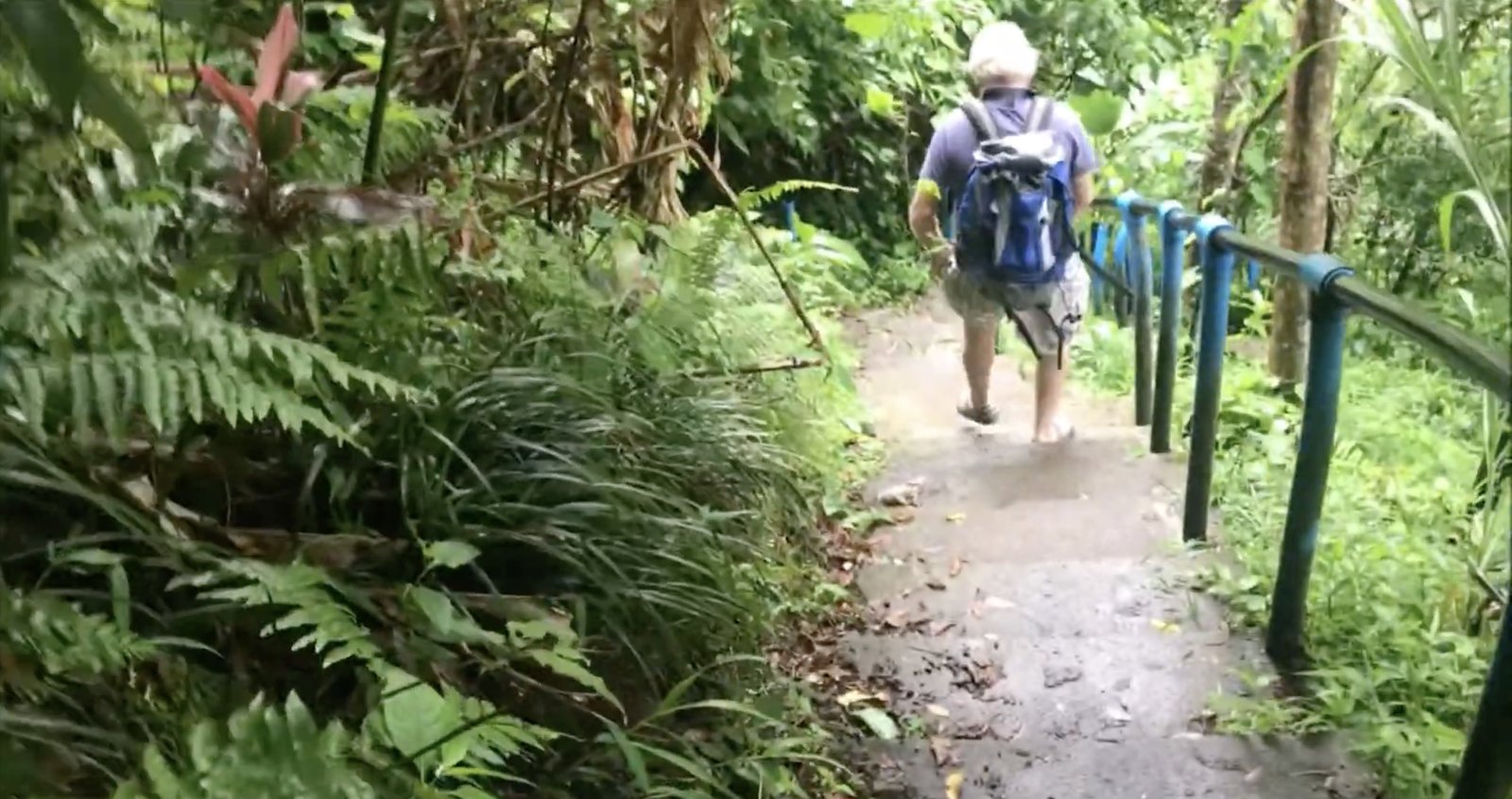
From memory, the trail down to the stream took around 10 to 15 minutes. The trail had concrete steps and paved sections, including a small bridge crossing a stream. Some parts were fairly steep, particularly the descent towards the water.
It wasn’t an especially difficult walk, although the climb back up certainly got the heart pumping a little.
I’d allow a bit more time if you’re not particularly fit, and I’d be cautious about bringing young children. Personally, I’d be more comfortable recommending it for teenagers and adults.
A word of warning: The access road and walking trail may have changed since my visit following the typhoon damage. Confirm the current starting point and trail conditions before heading out.
-
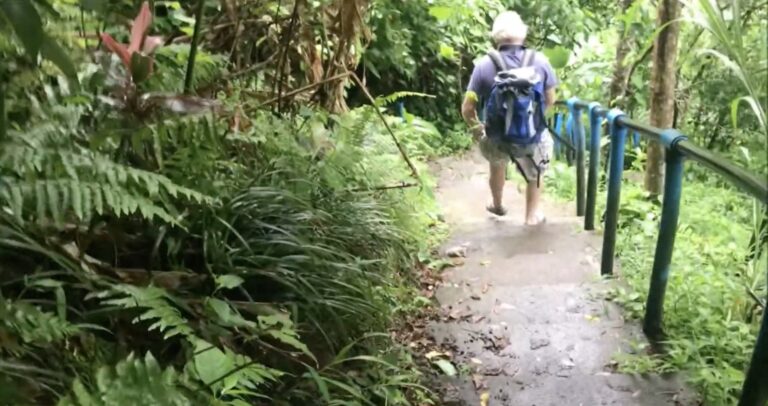
- The trail down
-
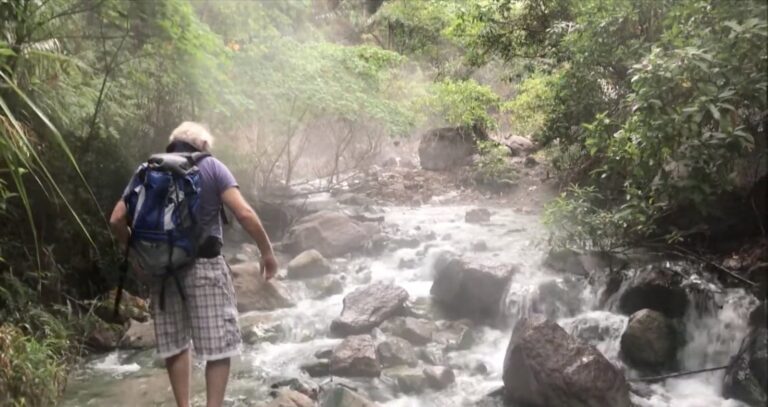
- Along the stream
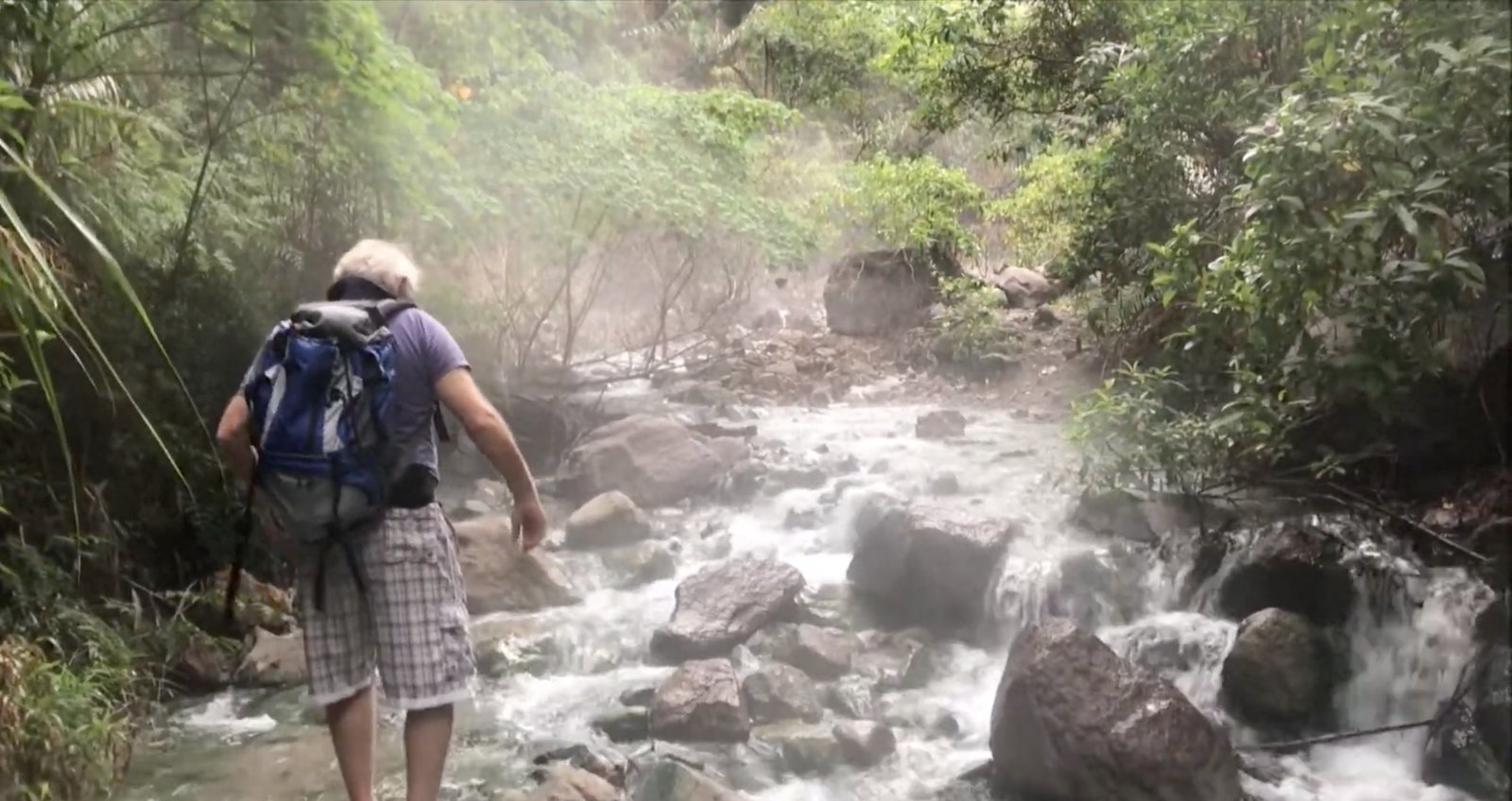
Exploring the Hot Springs
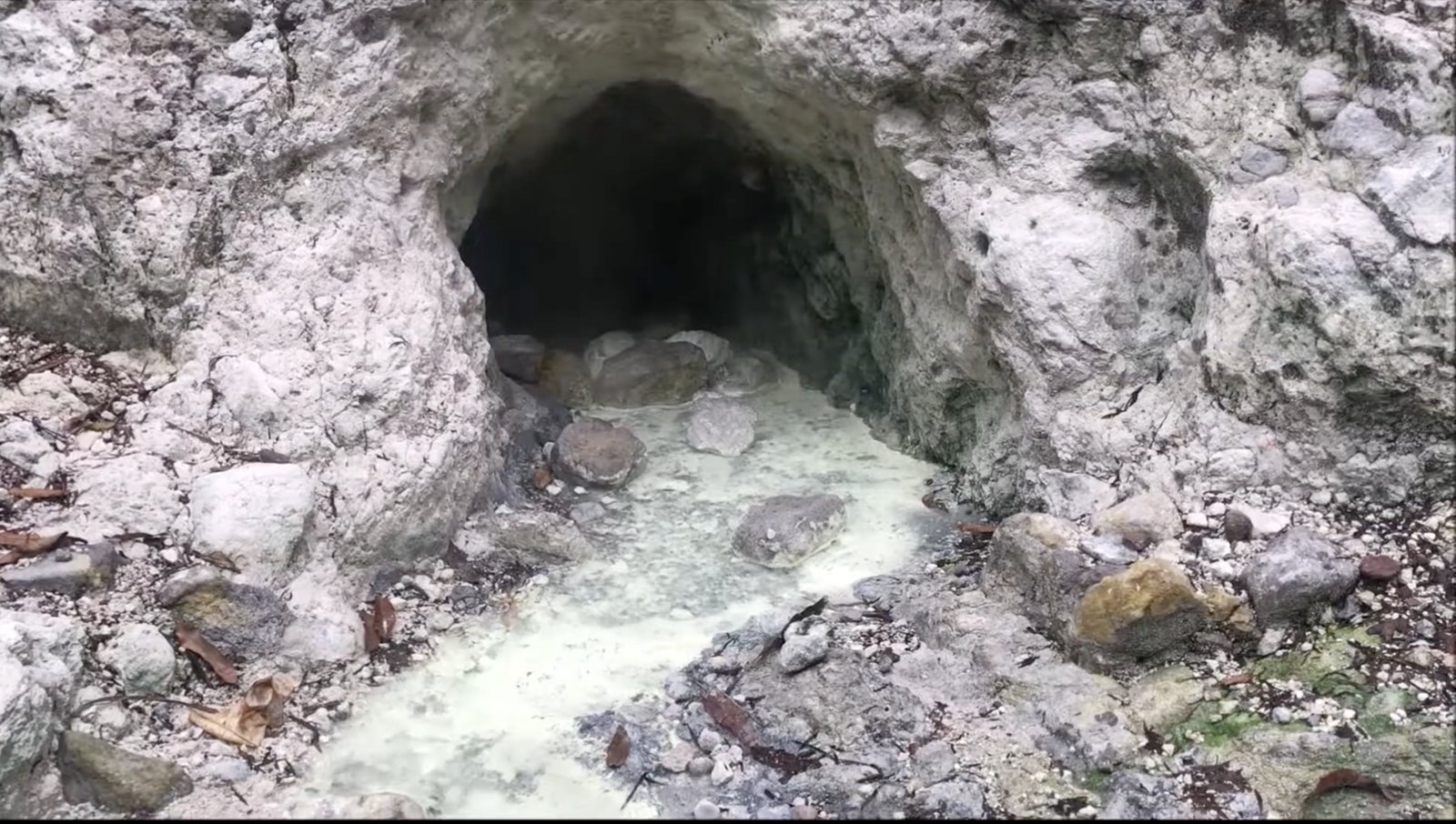
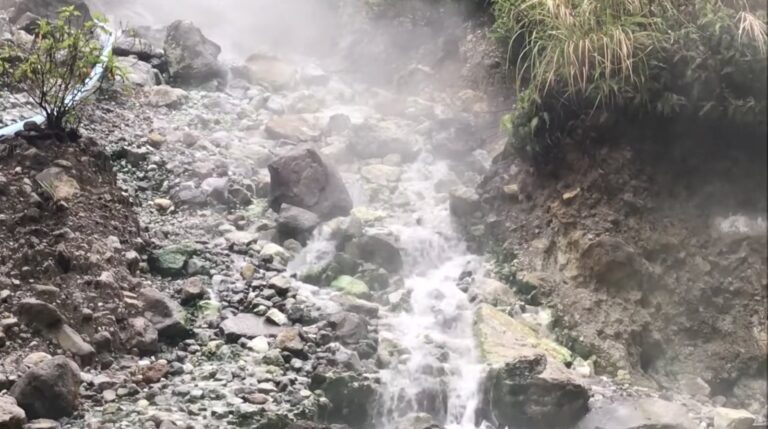
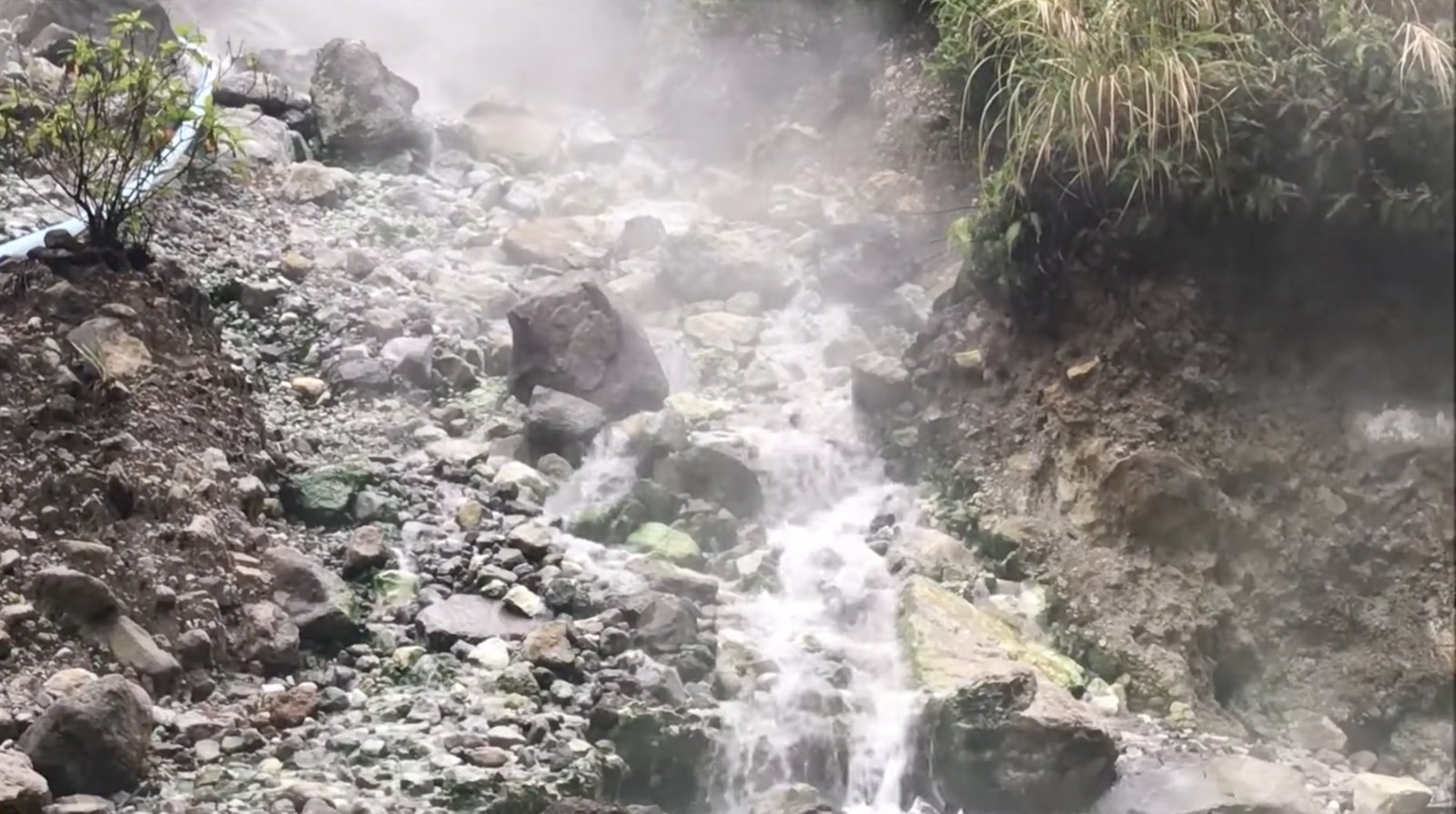
This was where things got really interesting. As we made our way along the stream, I could actually see steam rising off the water. And when I say the water was hot, I don’t mean pleasantly warm. I mean bloody hot!
You could feel the heat coming off the stream, and there were little pockets of thermal water flowing directly out of the rocks. It was already humid in the tropical forest, so walking alongside all that hot water was almost like being in a sauna.
There was also that distinctive rotten-egg smell you get around sulphur-rich geothermal areas. Not exactly the most pleasant smell, but it certainly added to the experience.
What fascinated me was the combination of the natural surroundings and the geothermal activity. There were mineral-stained rocks, steaming water, tropical vegetation and little cascades everywhere.
I’d never seen anything quite like it in the Philippines.
-
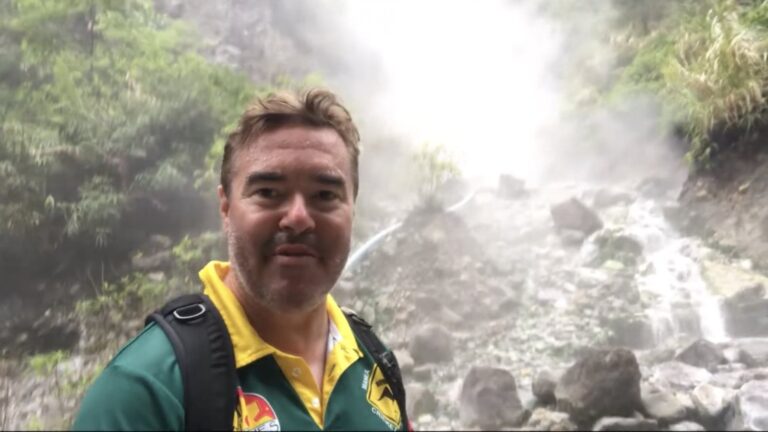
- Steam and sulphur
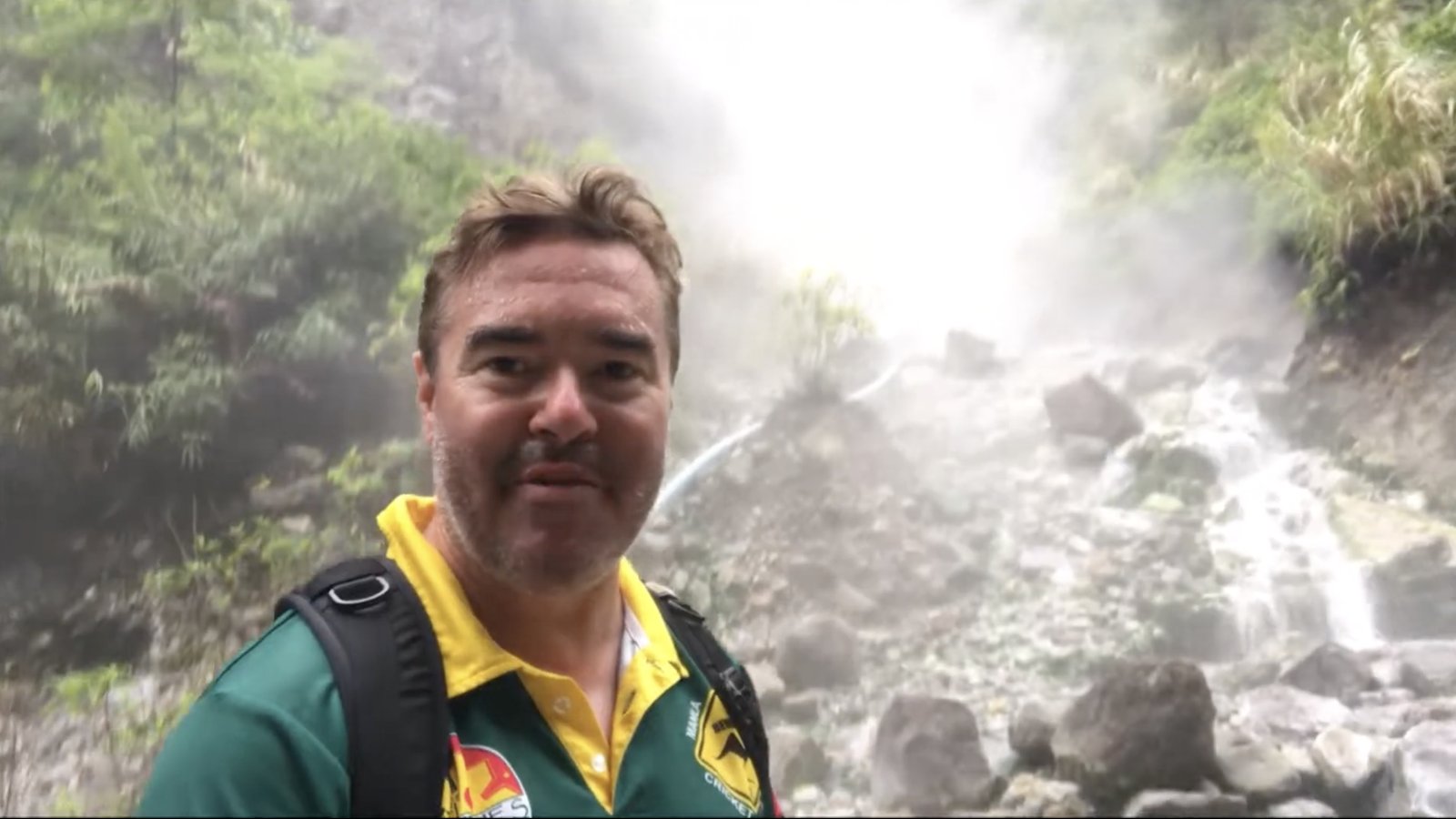
-
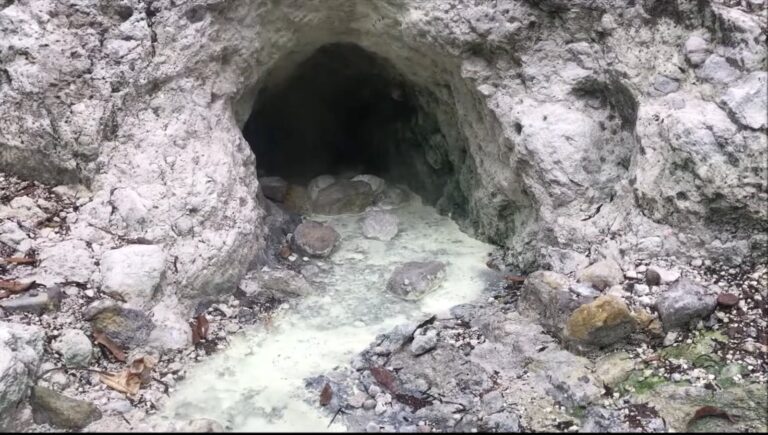
- Thermal outlet
The Four Thermal Pools
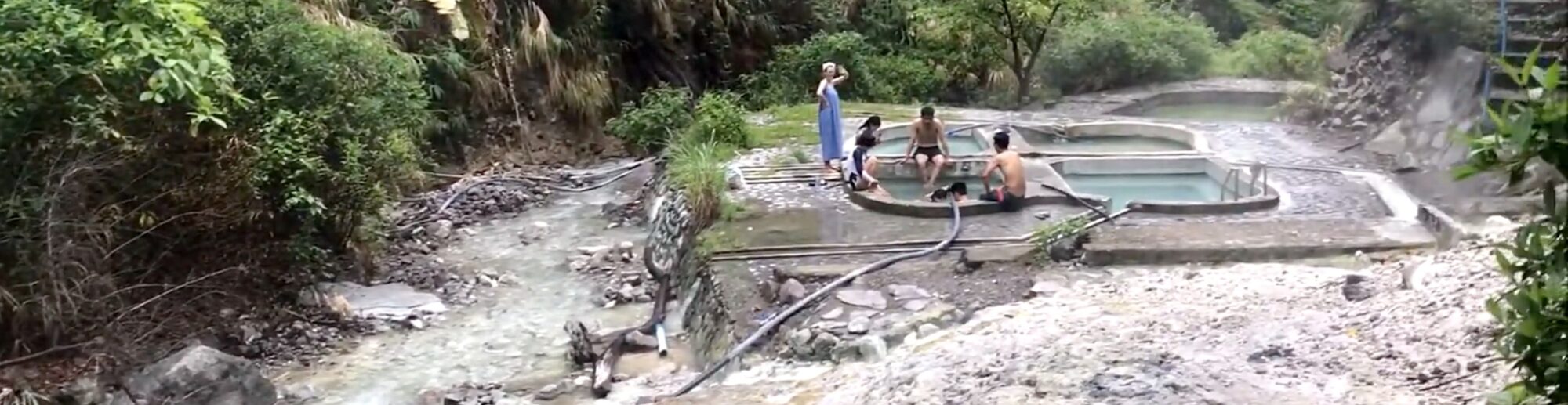
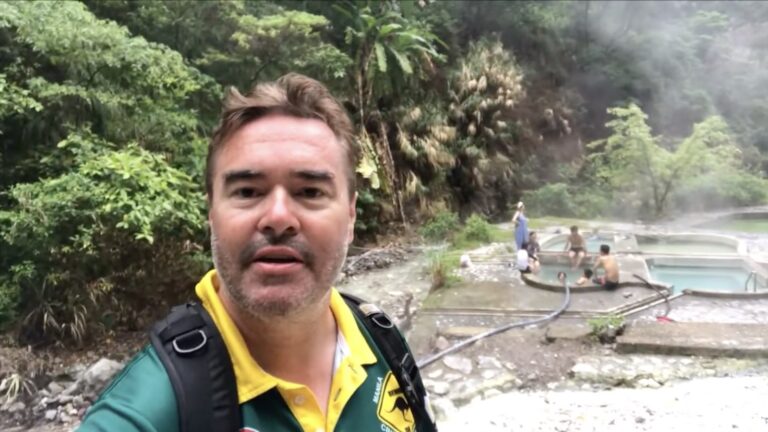
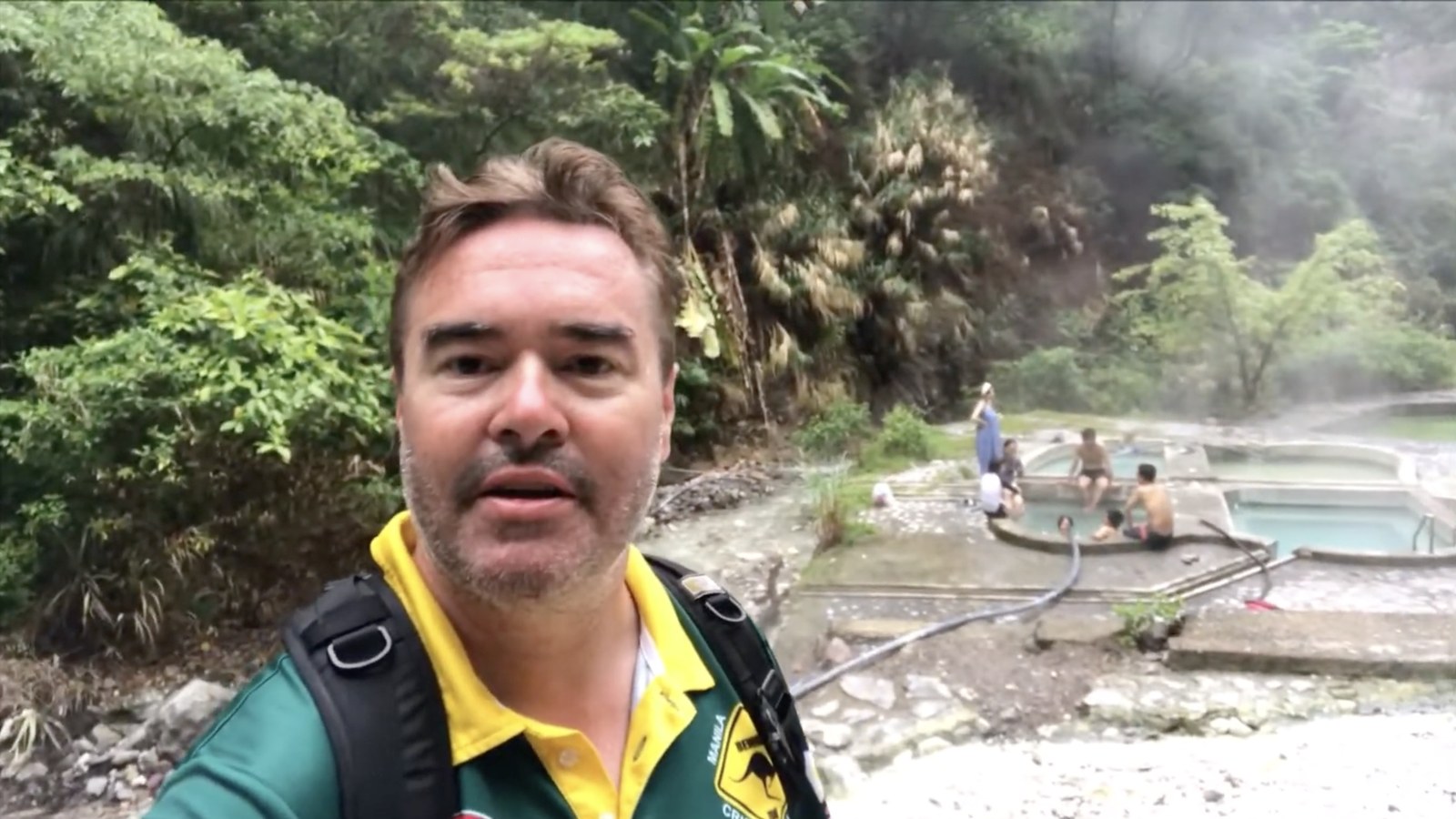
When I visited, there were four constructed bathing pools fed by hot thermal water. They weren’t natural rock pools. Someone had obviously put a fair bit of effort into developing the place at some stage.
The pools had ledges where you could sit, and I remember black pipes carrying thermal water into them. Interestingly, each pool seemed to have a different temperature.
One was hot enough to sit in once you got used to it. The others were considerably hotter, and one was so hot I could barely dip my foot into it.
Greg and I spent about ten minutes soaking in one of the more manageable pools.
It was an unusual experience, sitting in steaming hot water surrounded by tropical forest, with hardly another soul around.
Just be extremely careful with the temperature. Some of that water was far too hot for bathing, and you should never assume a thermal pool is safe simply because somebody has constructed it.
-
- Hot cascade
-
- At the pools
The Waterfall
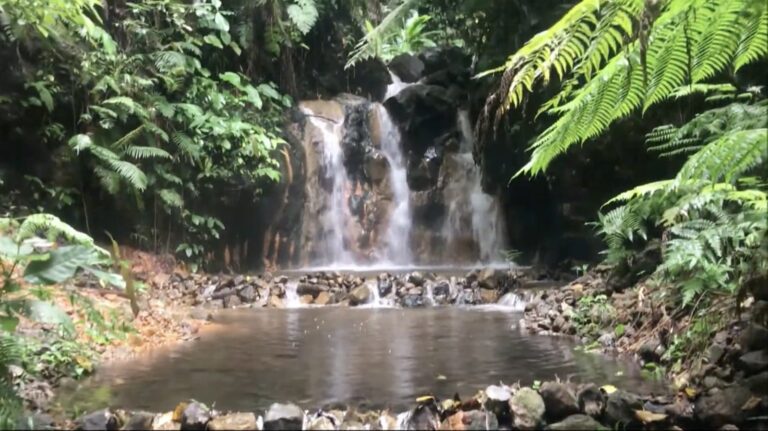
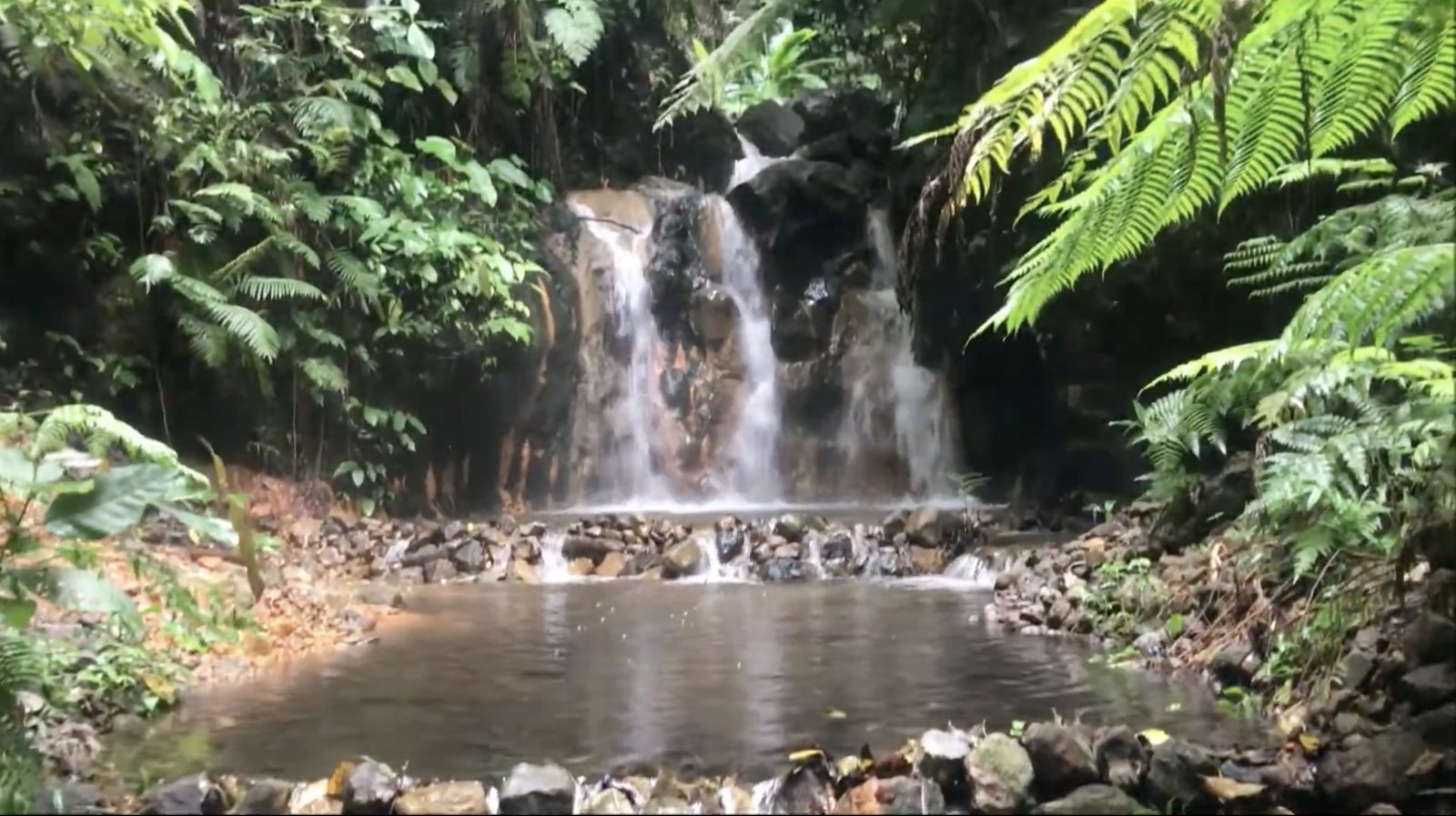
Further upstream, we came across a beautiful little waterfall. This was only about another 50 or so metres upstream.
It wasn’t particularly tall, perhaps two or three metres, but it had several small cascades, a decent flow of water and lovely tropical foliage surrounding it. I even got amongst the waterfall to cool off.
What made it particularly interesting was the contrast in water temperatures. The waterfall itself was cold, fresh water, while nearby thermal outlets were releasing hot water directly from the surrounding rocks.
You could see the mineral staining where the thermal water was flowing. So within a relatively small area, you had steaming hot springs, natural thermal outlets and a refreshing cold waterfall.
Absolutely magic.
-
- Baslay waterfall
What Happened to Baslay Hot Springs?
Here’s something interesting that helps explain why the place looked partly developed when I visited.
Baslay Hot Springs wasn’t always quite as undeveloped as it appeared in 2019. Back in 2009, funding had reportedly been allocated for improvements including access roads, concrete steps, bathing pools and cottages.
However, what was there got damaged by Typhoon Sendong in December 2011.
There were also plans to develop the area further. In 2014, a feasibility study examined a proposed development called KameRon Highland Resort, while in 2016 the Dauin municipal government announced plans to restore facilities and improve tourism access.
Whether the proposed resort was ever built is another question. I haven’t found reliable confirmation that it went ahead. When I visited in 2019, it was somewhat obvious that somebody had invested money in the place. The constructed pools, paved areas and pathways were all there, but there wasn’t much else.
No changing rooms, no proper visitor facilities and no staff looking after the attraction. At the time, I wondered whether somebody had started developing a resort and simply run out of money.
As it turns out, the history is a little more complicated. Unfortunately, it seems like the final blow came in December 2021 when Typhoon Odette wreaked havoc across Dumaguete. Visitor reports from 2025 describe damaged bathing pools and facilities, although the natural geothermal activity remains.
It’s a real shame because Baslay has enormous potential. Then again, part of what I loved about the place was how undeveloped it felt. Sometimes that’s exactly what makes these little places so special.
How Long Do You Need?
I’d allow around two hours to explore Baslay Hot Springs comfortably. That gives you enough time to walk down, explore the thermal streams and waterfall, spend some time around the bathing area and make your way back up.
You could probably do it quicker, but there’s no particular reason to rush. I combined Baslay with a morning trip to Apo Island, followed by lunch near Malatapay. It made for a pretty full day, but it was a fantastic combination.
If you’re planning to do something similar, I’d recommend visiting Apo Island first and leaving Baslay for the afternoon, provided the weather and access conditions are suitable.
How to Get to Baslay Hot Springs
Baslay Hot Springs is located in the mountainous area of Baslay, within the municipality of Dauin, Negros Oriental.
It’s approximately 25 kilometres from Dumaguete city centre, making it a relatively easy drive if you’re staying around Dumaguete or Dauin.
From Dumaguete
Head south towards Dauin along the main coastal highway, then take the inland road towards Baslay.
The easiest option is a private car or motorbike, although I’d recommend checking the condition of the mountain road before travelling. When I visited, we were able to drive there in an ordinary car.
The important landmark was the Highland Brew Coffee sign, which marked the turn-off point for the walking trail. From there, allow approximately 10 to 15 minutes to walk down to the hot springs.
From Manila or Cebu
If you’re coming from Manila, the most straightforward option is to fly to Dumaguete-Sibulan Airport, subject to current flight schedules.
From Cebu, you can travel to Dumaguete using available ferry and road connections, including routes via southern Cebu and Negros Oriental.
Once you’re in Dumaguete, arrange local transport to Baslay.
I’d recommend a local driver who knows the area rather than relying entirely on roadside signage.
Without Greg, there is absolutely no way I would have found the place!
Good to Know Before You Go
- Entrance fee: There was no entrance fee when I visited in July 2019.
- Starting point: Look for the Highland Brew Coffee sign, subject to current access arrangements.
- Water temperature: Some thermal outlets are dangerously hot, so test the water carefully before entering.
- Facilities: Bring swimming gear, a towel and drinking water. Don’t assume changing rooms are available.
- Trail conditions: Expect steep steps, slippery rocks and stream crossings, particularly after heavy rain.
Dezza’s Tip
If you’re staying around Dumaguete or Dauin, I’d seriously consider combining Baslay Hot Springs with a trip to Apo Island. That’s exactly what Greg and I did, and it worked out beautifully.
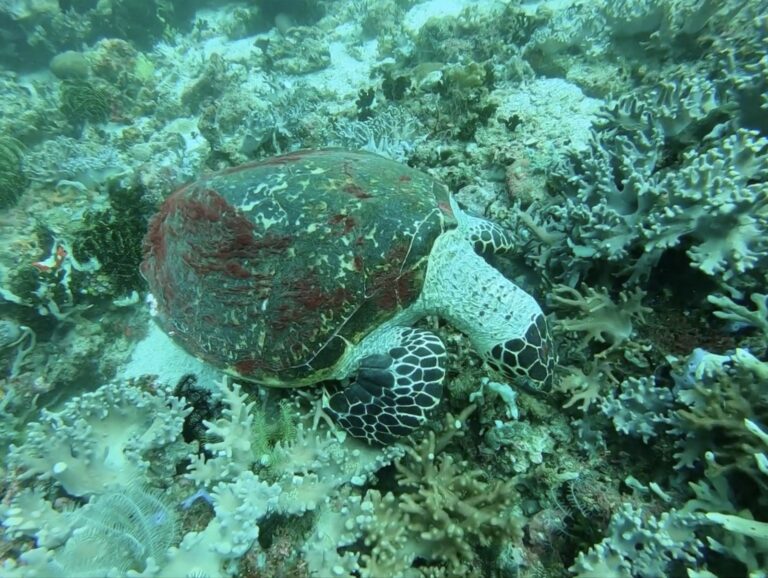
We spent the morning snorkelling with sea turtles, had lunch near Malatapay, then headed up into the mountains to explore the hot springs. Two completely different experiences in one day. With more days to spare, Manjuyod Sandbar is another good day trip from Dumaguete.
Just make sure you check the current conditions at Baslay before making the trip, particularly if you’re expecting to soak in the same pools I did back in 2019.
Even with the changes over the years, it’s somewhere I’d love to revisit. There aren’t too many places where you can experience steaming thermal streams and a cold tropical waterfall practically side by side.
You Might Also Like
 Apo IslandSnorkel with sea turtles just off the beach
 Casaroro FallsA tall waterfall tucked into a gorge in Negros Oriental
 SiquijorA relaxed island of beaches and waterfalls, a short ferry ride from Dumaguete
 SipalayQuiet beaches and island views on the southwest coast of Negros