


Bohol: The Most Unique Island in the Philippines
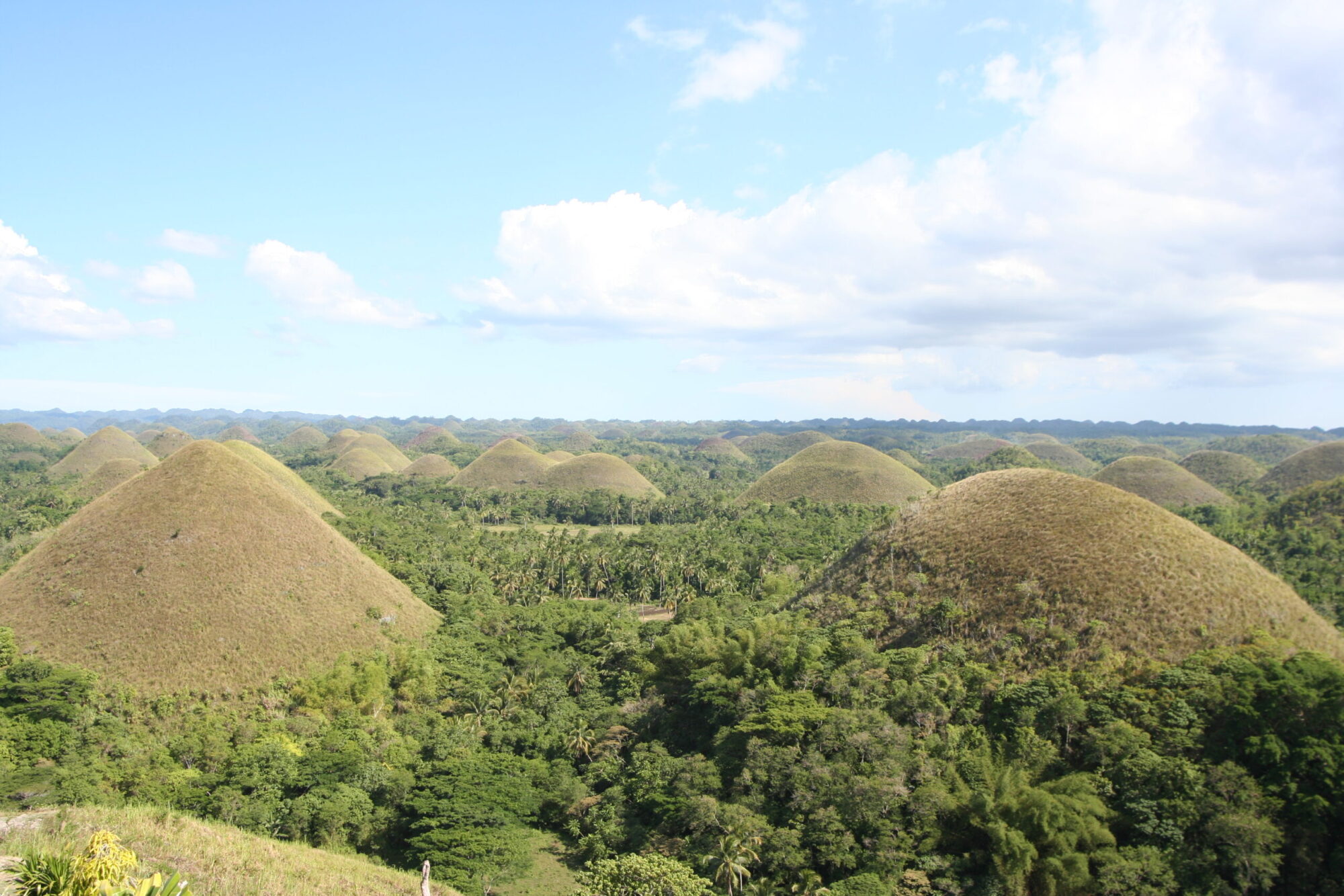
Bohol is one of my favourite destinations in the Philippines, and it’s somewhere I recommend to just about everyone. Beautiful white sand beaches, the famous Chocolate Hills, tiny tarsiers, waterfalls, rice terraces, caves, historic churches, island hopping and the Loboc River Cruise. It’s got a bit of everything!
Along with Banaue and El Nido, Bohol is one of the three places I regularly recommend to anyone wanting to experience the Philippines at its absolute best.
I first visited Bohol in 2007 and returned in April 2026, almost 20 years later. A lot has changed, particularly the roads, infrastructure and the new international airport on Panglao Island.
Bohol is an island province in the Central Visayas. Most people fly into Bohol-Panglao International Airport, about an hour and a half from Manila.
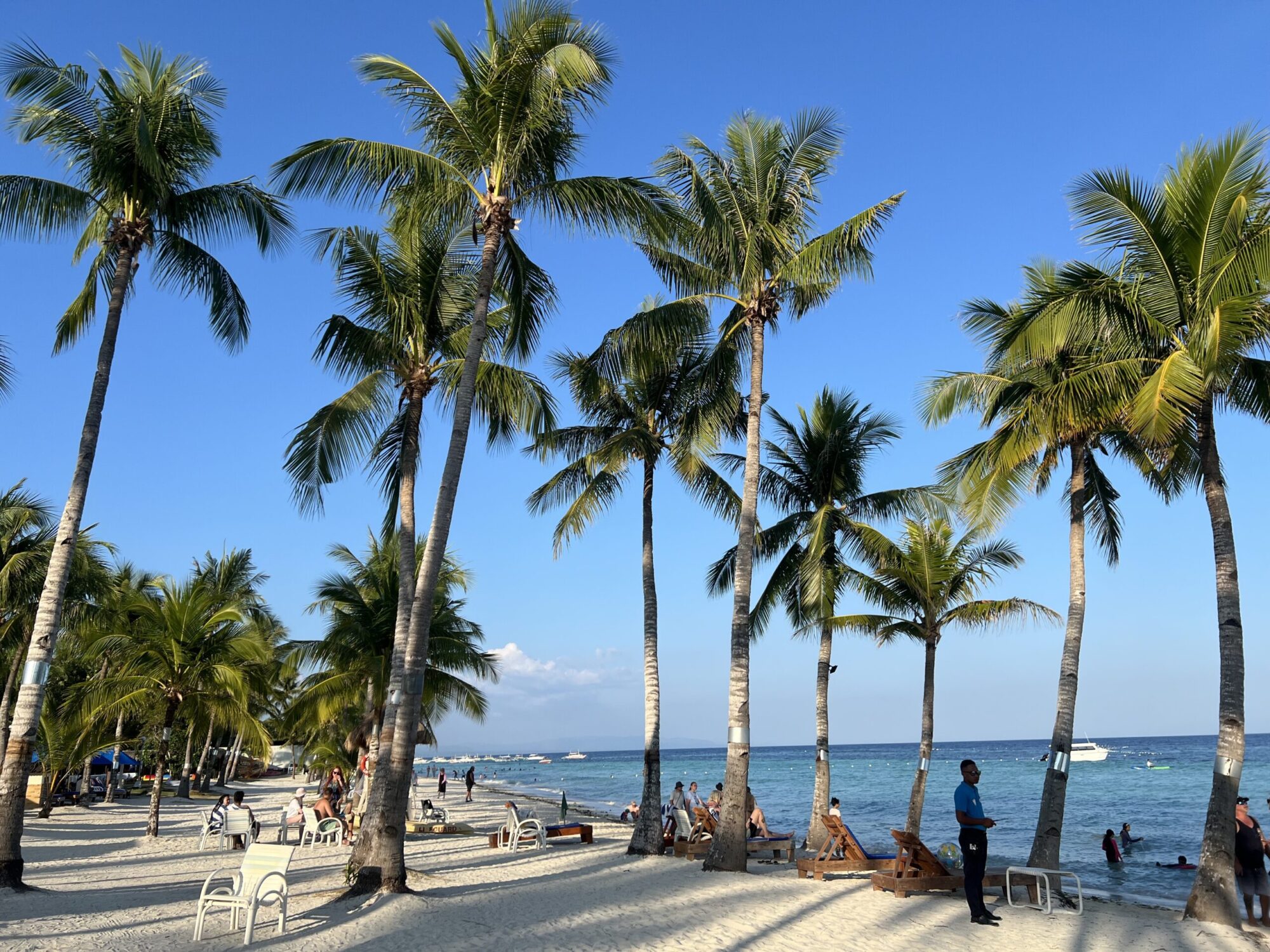
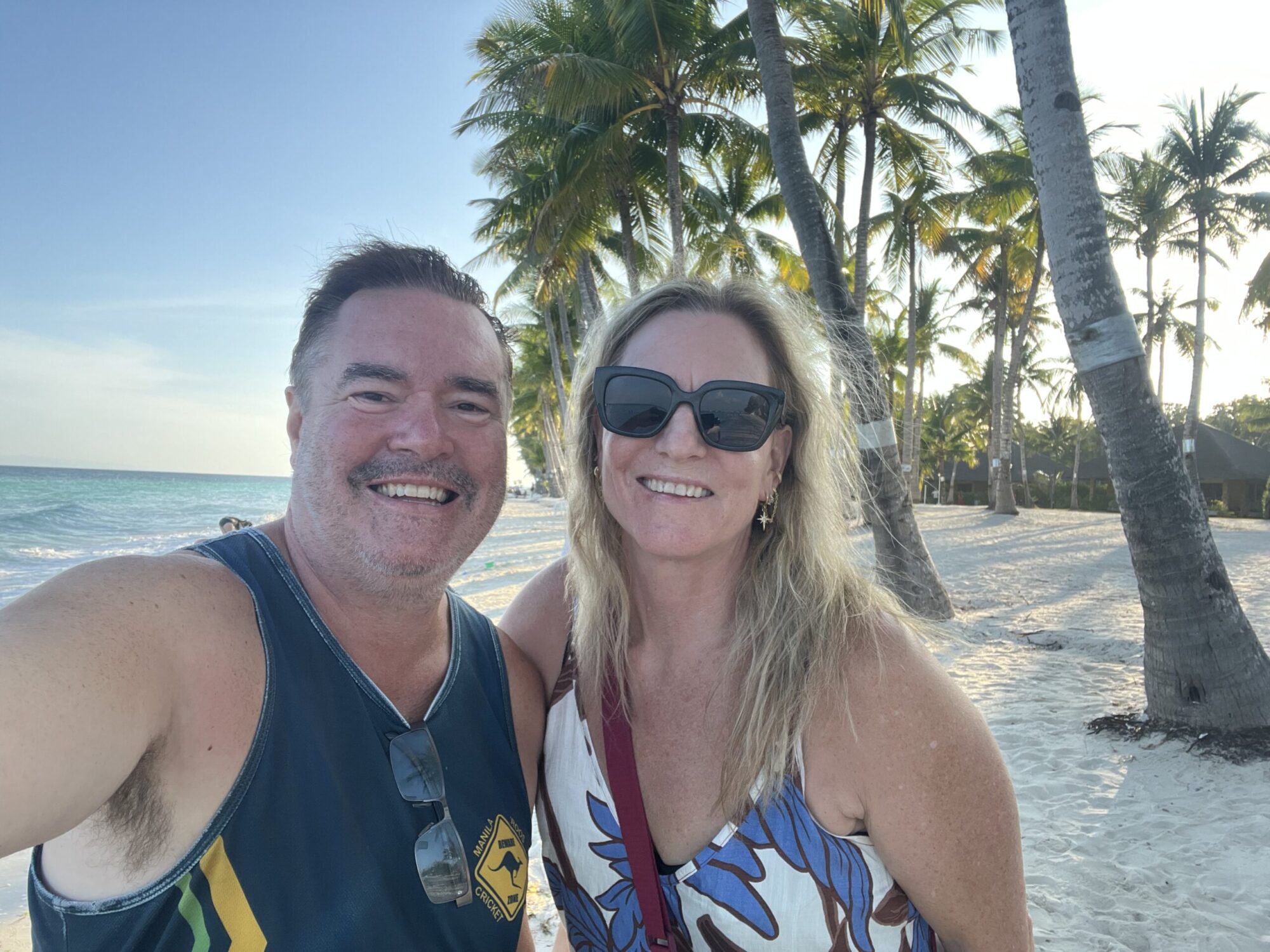
One thing that hasn’t changed is the beaches. Alona Beach still has that beautiful, fine white sand I remember from my first visit. I’ve always said it’s comparable with Boracay, and I still think that today.
Bohol is more developed now, particularly around Panglao, but the island hasn’t lost what makes it special. After exploring more of the east coast on my latest trip, I’ve got even more reasons to recommend it.
-
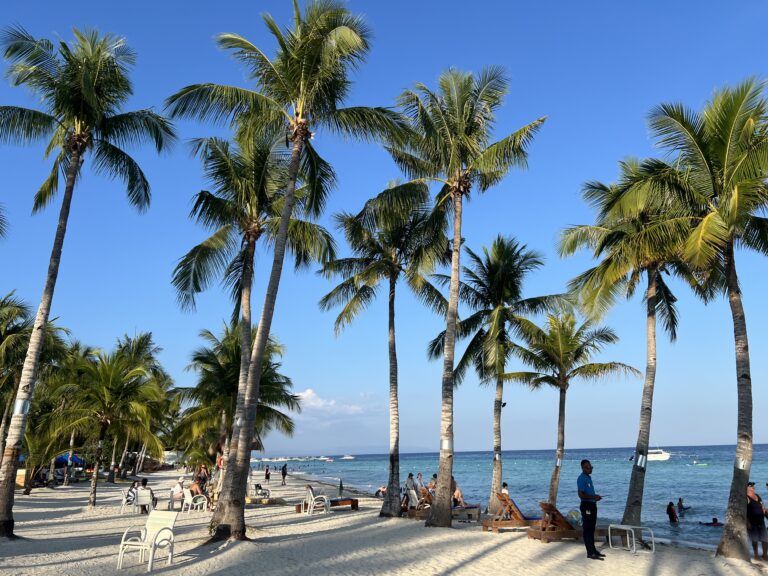
- Alona Beach, Panglao
-
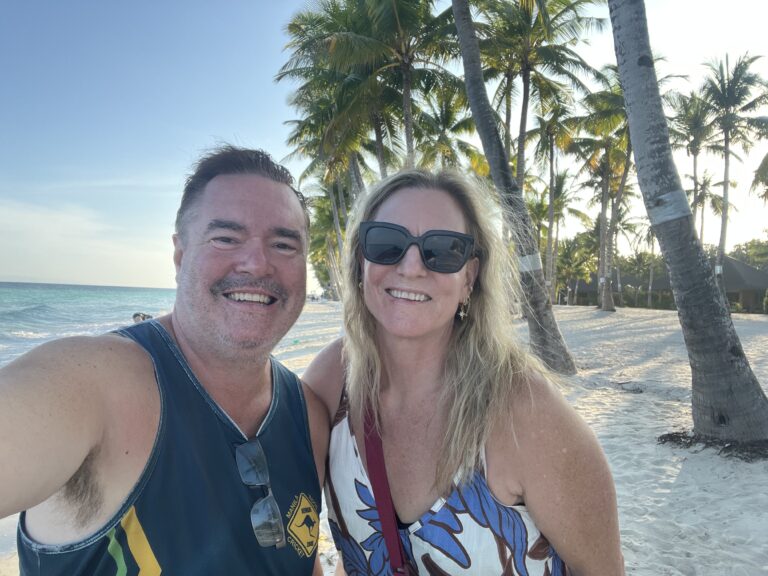
- Alona Beach, Panglao
Best Time to Visit Bohol
March and April are my favourite months to visit Bohol. They’re generally among the driest and sunniest months, making them ideal for sightseeing, island hopping and spending time on the beach.
I visited in the last week of April 2026, just after Easter, and the weather was absolutely sensational. Blue skies every day, beautiful sunshine and calm enough conditions for our boat trip to Balicasag Island.
December to May is generally the more favourable period, although December and January can still bring rain and stronger winds, particularly during the northeast monsoon.
June to November tends to be wetter, with a greater chance of unsettled weather and rough seas. Bohol doesn’t experience exactly the same weather patterns as every other part of the Philippines, so rain isn’t guaranteed throughout this period.
If you’re travelling from Australia during July or August to escape winter, just remember that it’s the wet season in much of the Philippines. You could have fantastic weather, but there’s also a greater chance of rain disrupting your plans.
My recommendation: Aim for March or April if you’ve got the flexibility. Otherwise, don’t rule Bohol out. Just check the weather and allow some flexibility for island hopping.
Things to Do in Bohol
Bohol has an incredible variety of attractions, and you can experience completely different parts of the island over just a few days.
Some of the highlights include:
- Chocolate Hills: More than a thousand distinctive rounded hills around Carmen, one of the Philippines’ most unusual landscapes.
- Philippine Tarsier Sanctuary: See these tiny, wide-eyed primates in their natural forest habitat at Corella. Bohol is one of several Philippine islands where tarsiers are found.
- Loboc River Cruise: Enjoy a buffet lunch while cruising through beautiful tropical scenery.
- Alona Beach: One of my favourite white sand beaches in the Philippines, with plenty of restaurants and cafes.
- Balicasag Island: Excellent snorkelling, with sea turtles, coral reefs and plenty of marine life.
- Cadapdapan Rice Terraces: Beautiful agricultural terraces in Candijay, well away from the main tourist areas.
- Can-umantad Falls: Widely regarded as Bohol’s tallest waterfall.
- Quinale Beach: A beautiful, quieter beach on the east coast near Anda.
- Hinagdanan Cave: An interesting limestone cave on Panglao Island with a natural underground pool.
My Three-Day Bohol Itinerary
When I returned in April 2026, I travelled with my cousin, her husband and her in-laws. We hired a car for three days and explored as much of the island as possible.
It was pretty action-packed, with early starts and some long days, but it gave us a fantastic look at what Bohol has to offer.
Day 1: Tarsiers, Loboc River and Chocolate Hills
Our first day was spent exploring some of Bohol’s best-known attractions.
We started at the Philippine Tarsier Sanctuary in Corella, where you can see these tiny, wide-eyed primates up close. They’re amazing little creatures and quite unlike anything else you’ll see in the Philippines. They’re also easily stressed, so visitors need to keep quiet and avoid flash photography.
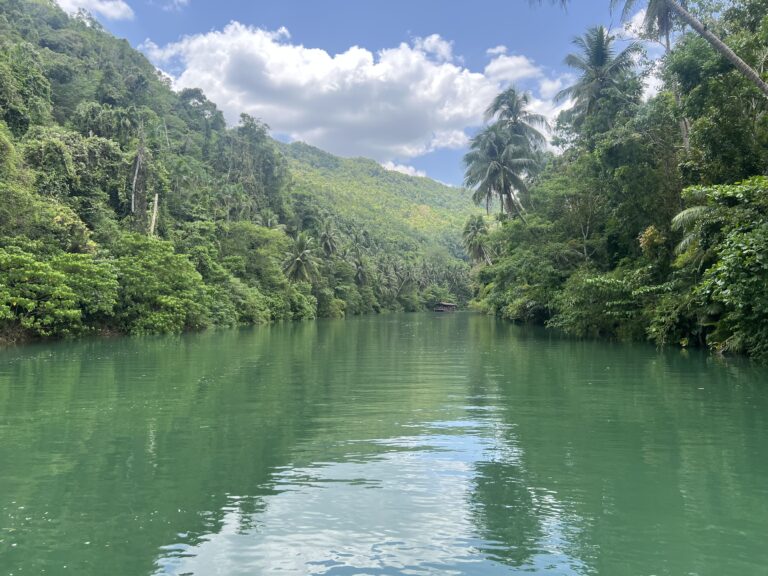
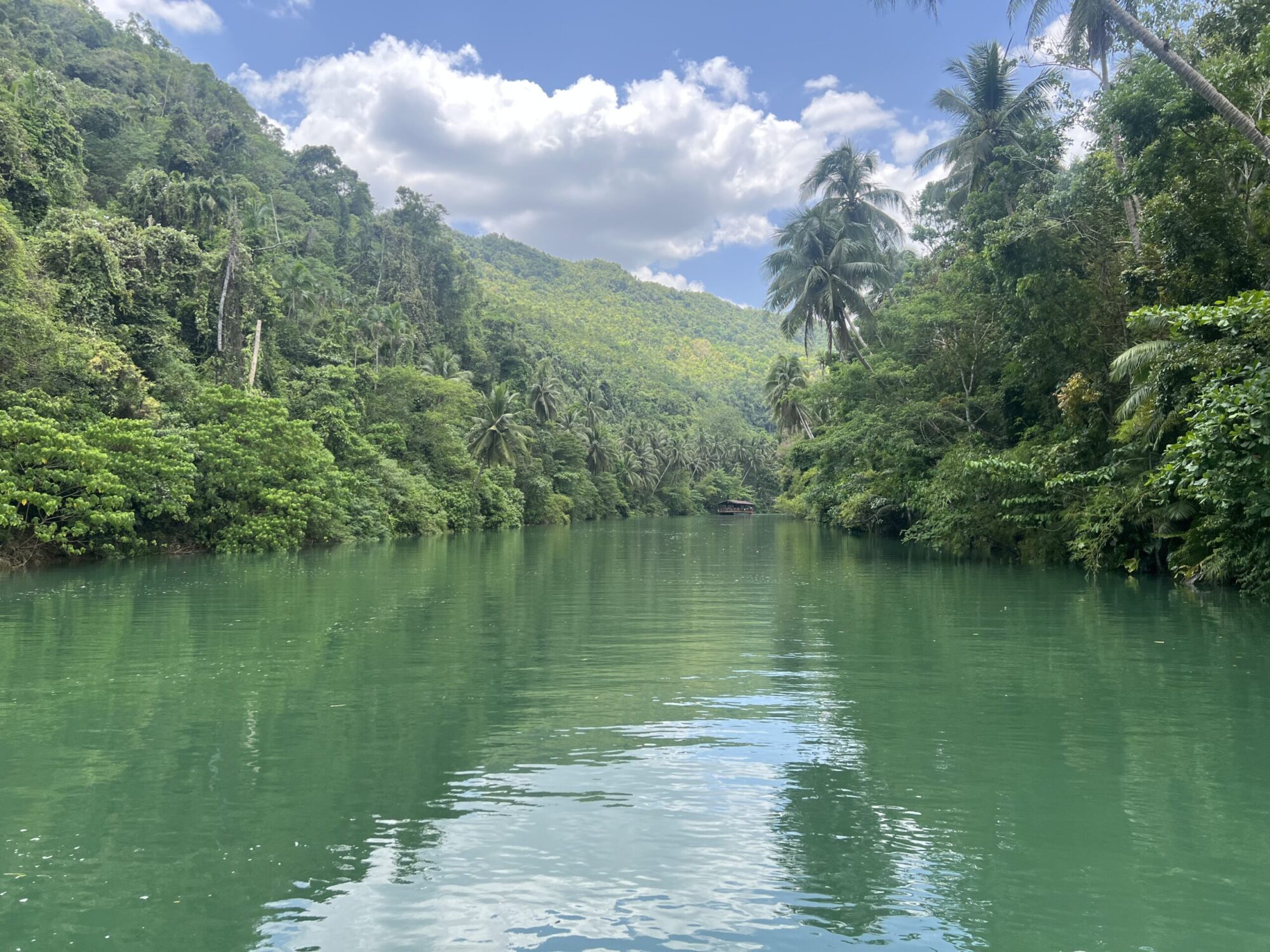
From there, we headed to the Loboc River Cruise for a buffet lunch on board one of the floating restaurants. It’s a very relaxing experience, cruising along the river surrounded by beautiful green tropical scenery, with live music along the way.
-

- Tarsier Sanctuary, Corella
-
- Loboc River Cruise
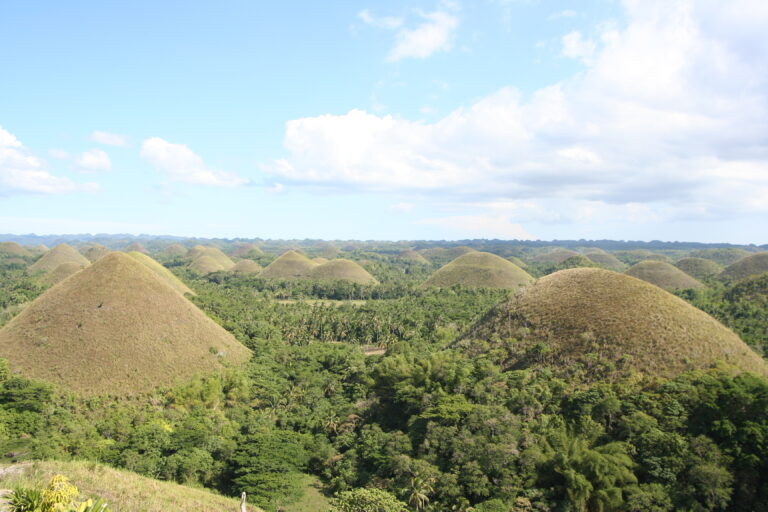
After lunch, we drove to the famous Chocolate Hills in Carmen. There are more than a thousand of these unusual, almost perfectly rounded hills stretching across the landscape. During the dry season, the grass turns brown, giving them their name.
It’s one of those places that really is unique to the Philippines, and the view from the lookout is absolutely awesome.
We finished the day with a visit to Baclayon Church, one of Bohol’s historic stone churches, before heading back to Panglao.
-
- Chocolate Hills, Carmen
-
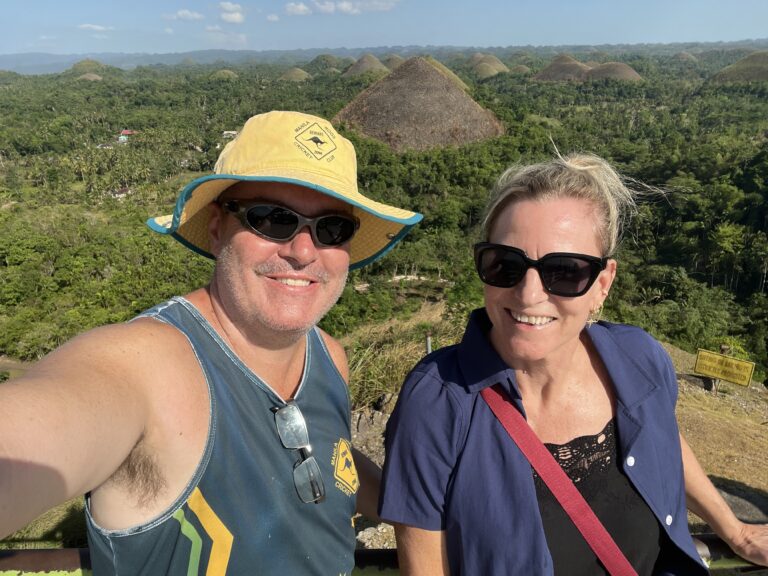
- Chocolate Hills lookout, Carmen
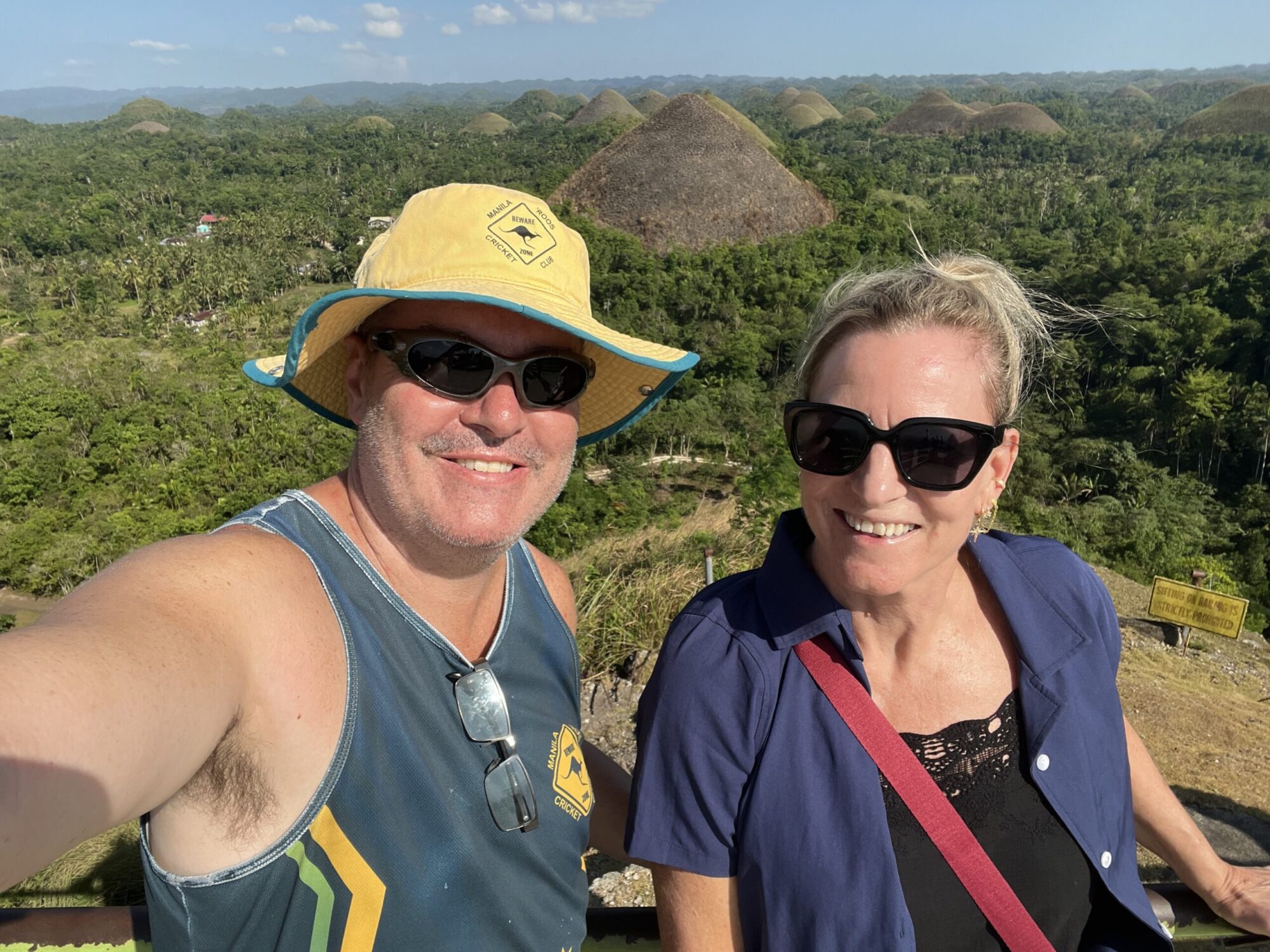
Day 2: Rice Terraces, Waterfalls and Anda
This was probably our biggest driving day, taking us across to Candijay and the east coast of Bohol.
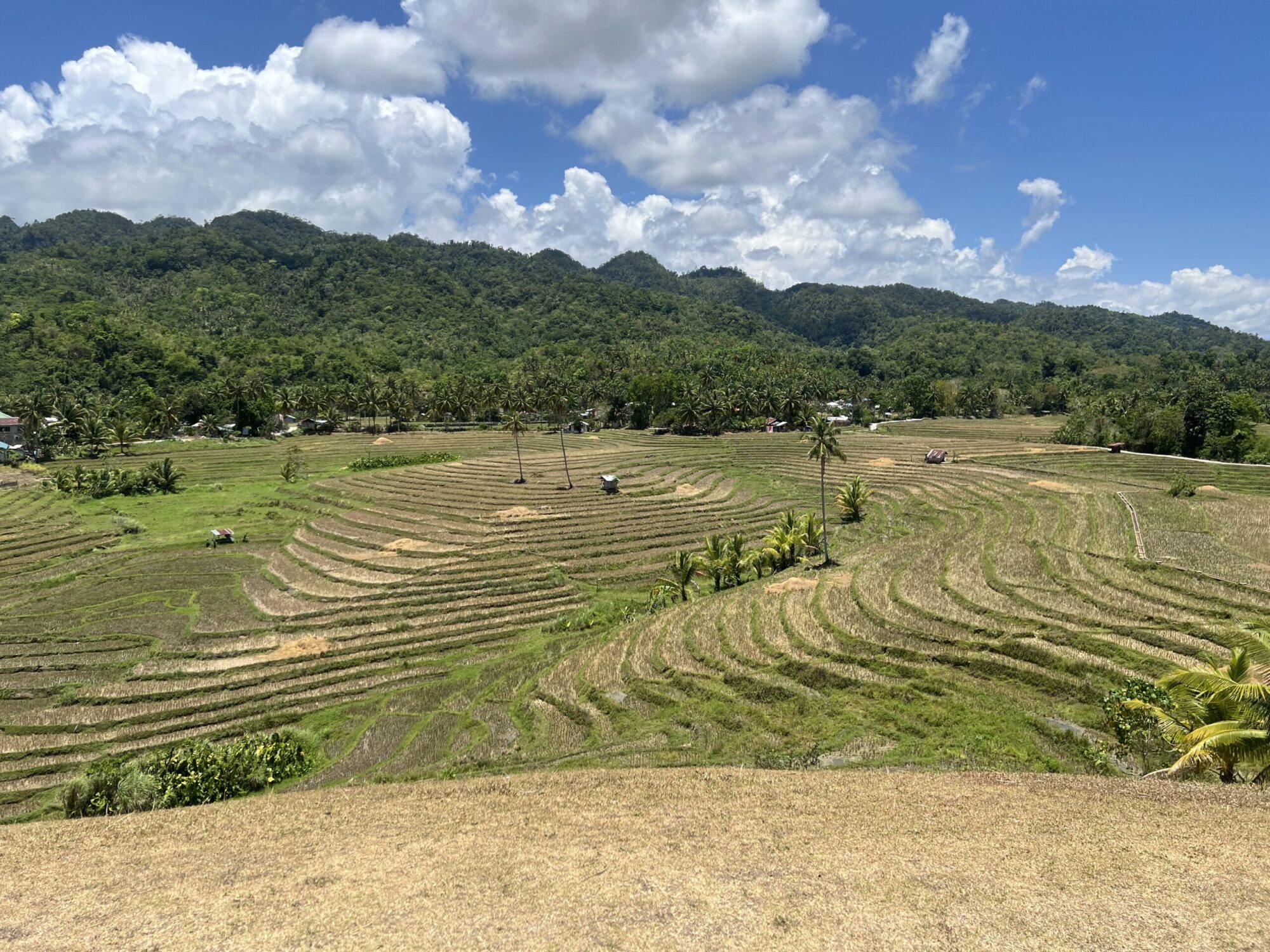
Our first stop was the Cadapdapan Rice Terraces, a beautiful area surrounded by mountains and rural communities.
Unfortunately, the rice had recently been harvested, so the terraces weren’t that lush green colour you often see in photos. Nevertheless, it was still a great experience.
What made it particularly memorable was our local guide, who explained how the community uses sustainable farming practices, including irrigation, traditional farming methods and making the most of the surrounding natural environment. It was fascinating to learn how everything works together and gave me a much greater appreciation of the local community and their way of life.
Next was Can-umantad Falls, the tallest waterfall in Bohol. We took a short habal-habal (motorbike) ride from the rice terraces to reach the falls, which was well worth the effort.
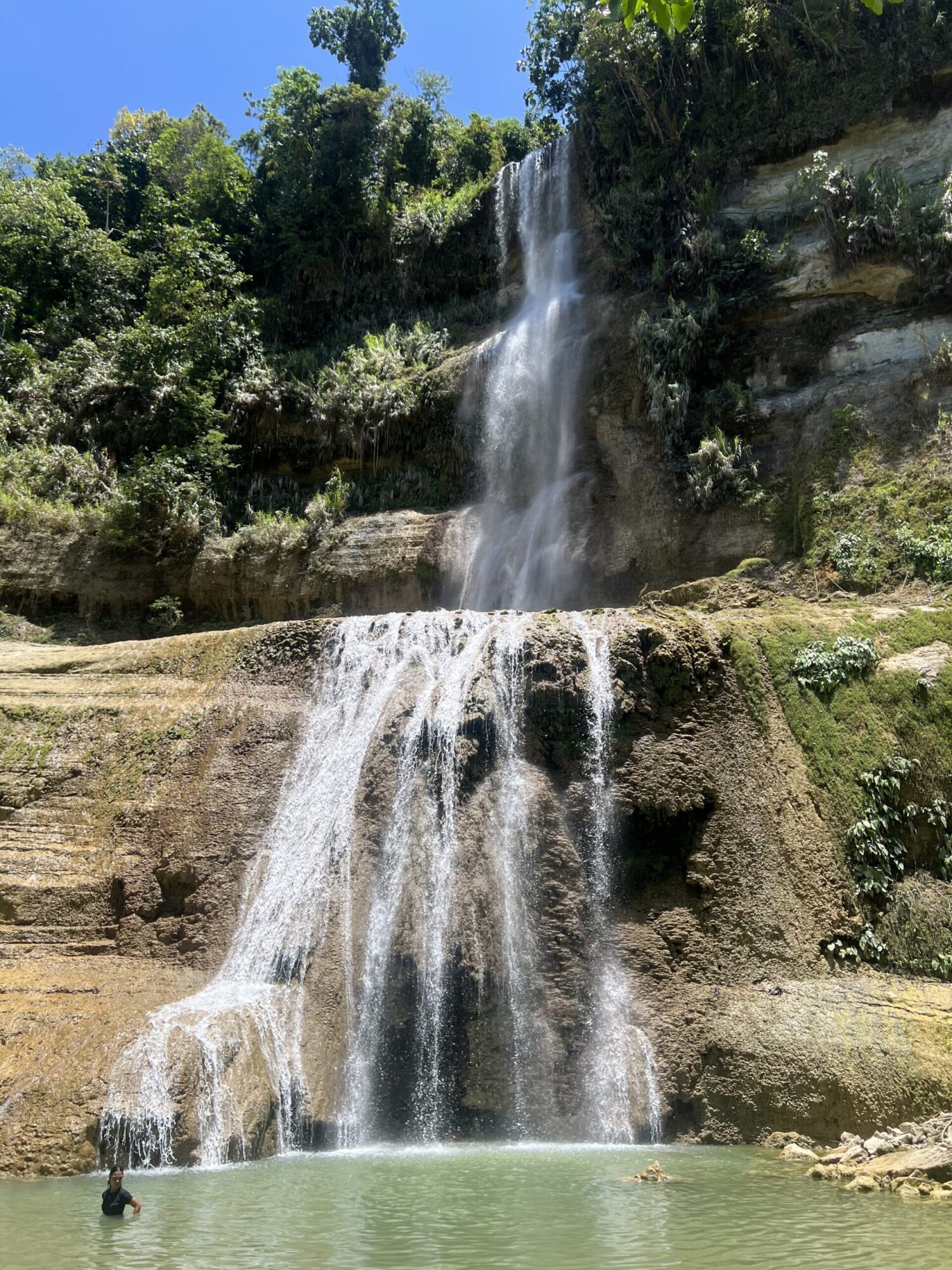
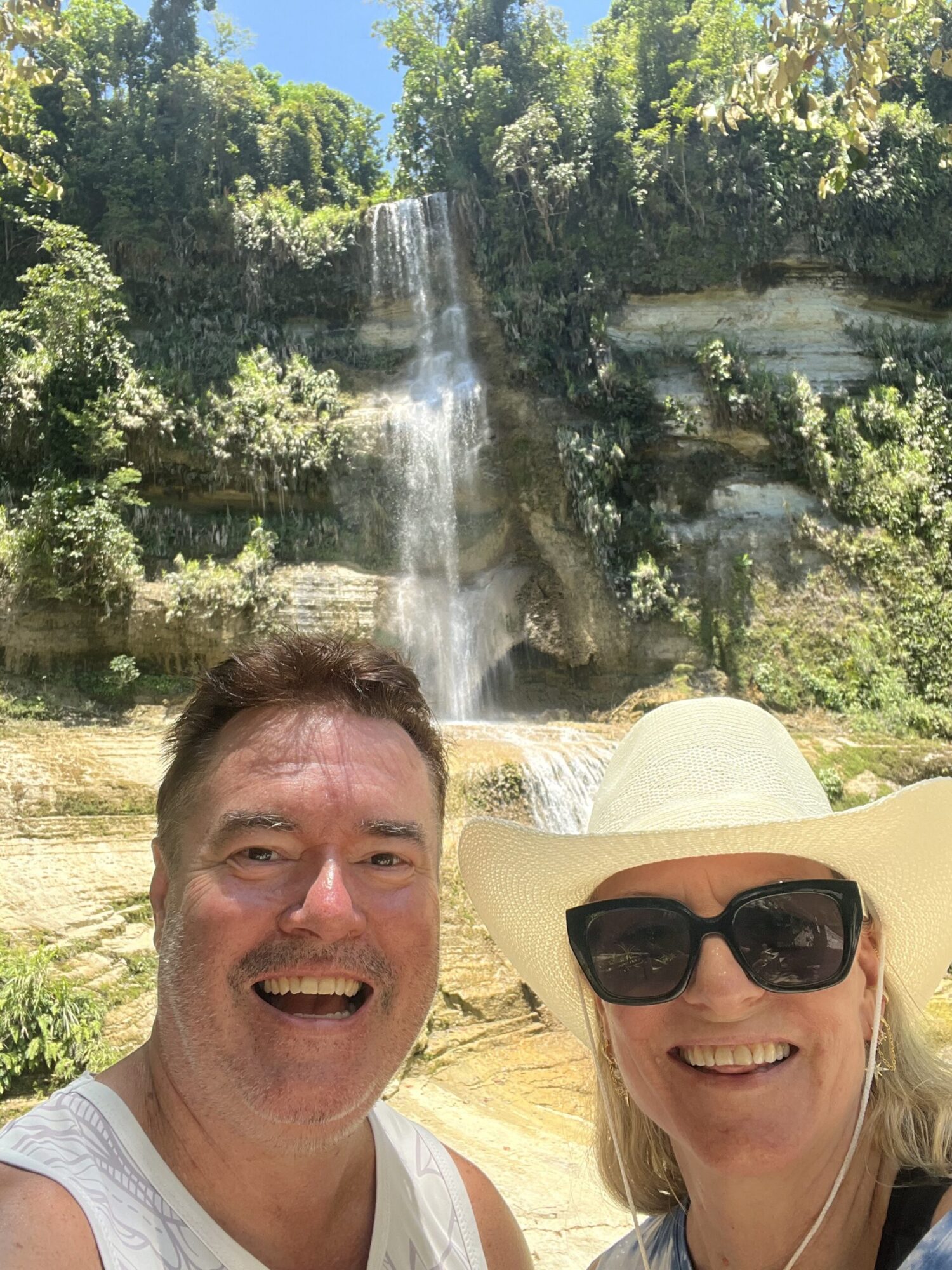
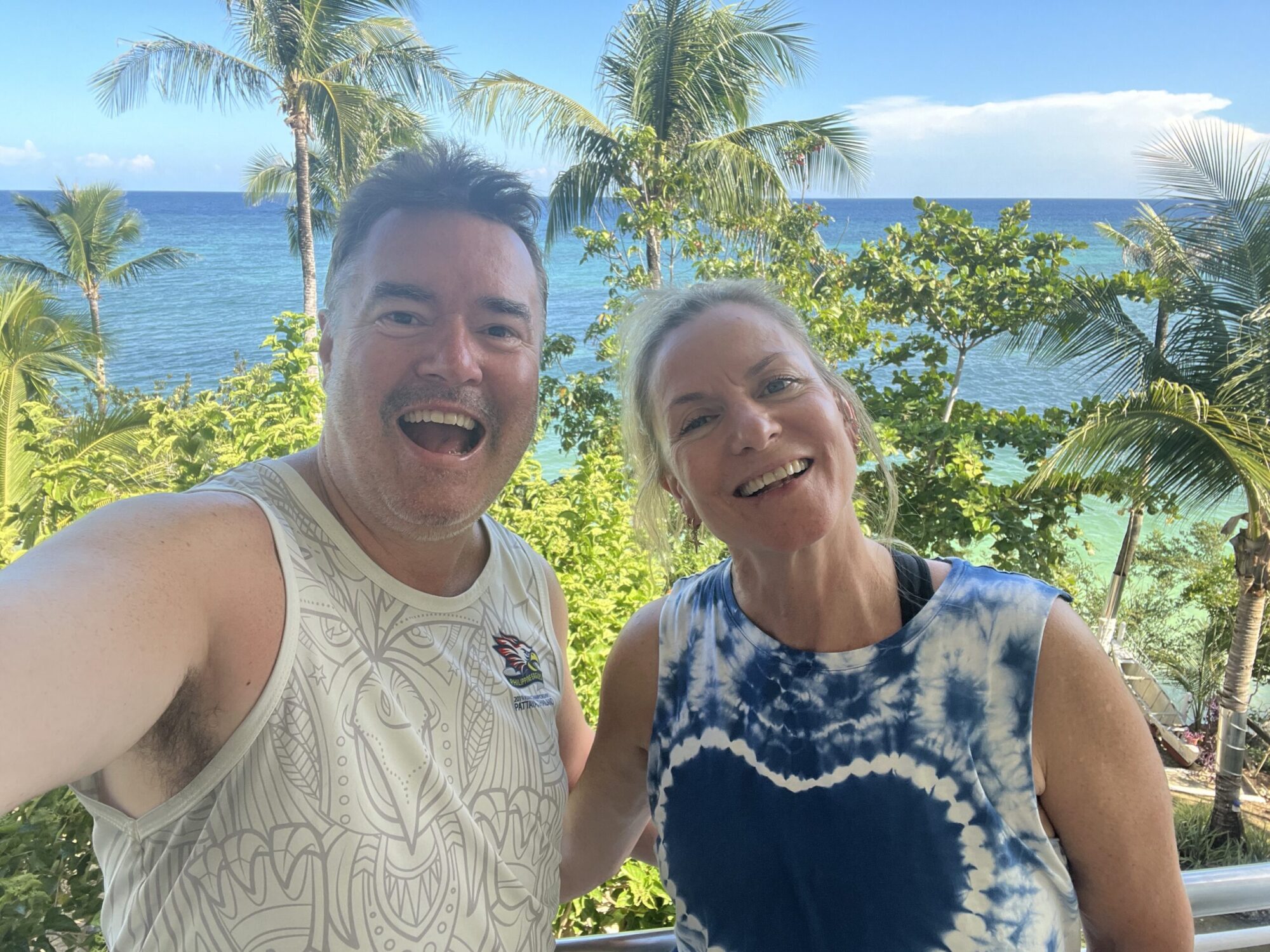
Afterwards on the way to Anda, we stopped for lunch at Blue Star Dive Resort, which has some absolutely amazing clifftop views overlooking the sea.
Our final stop was Quinale Beach in Anda, a beautiful stretch of white sand that’s much quieter and less developed than Alona Beach.
-
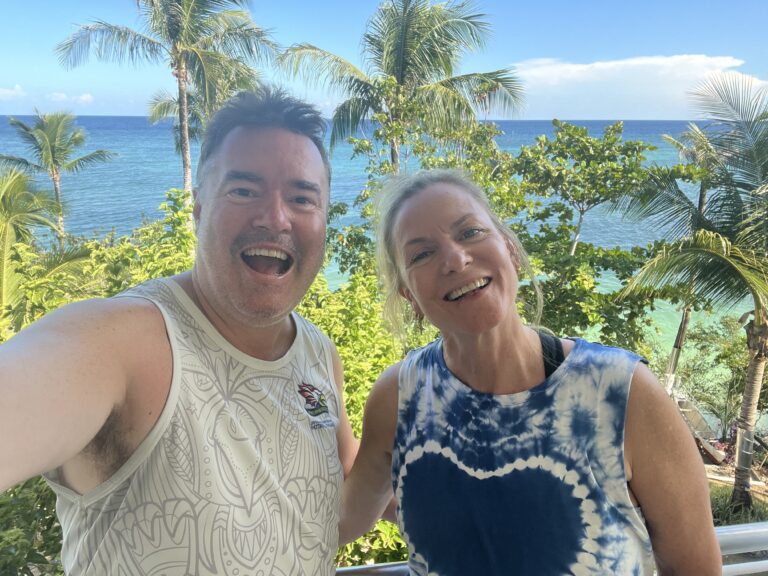
- Blue Star Dive Resort, Anda
-
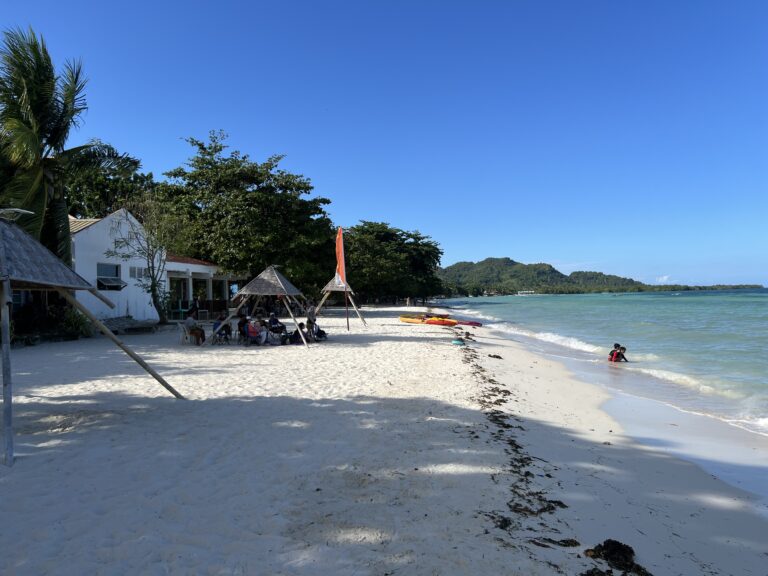
- Quinale Beach, Anda
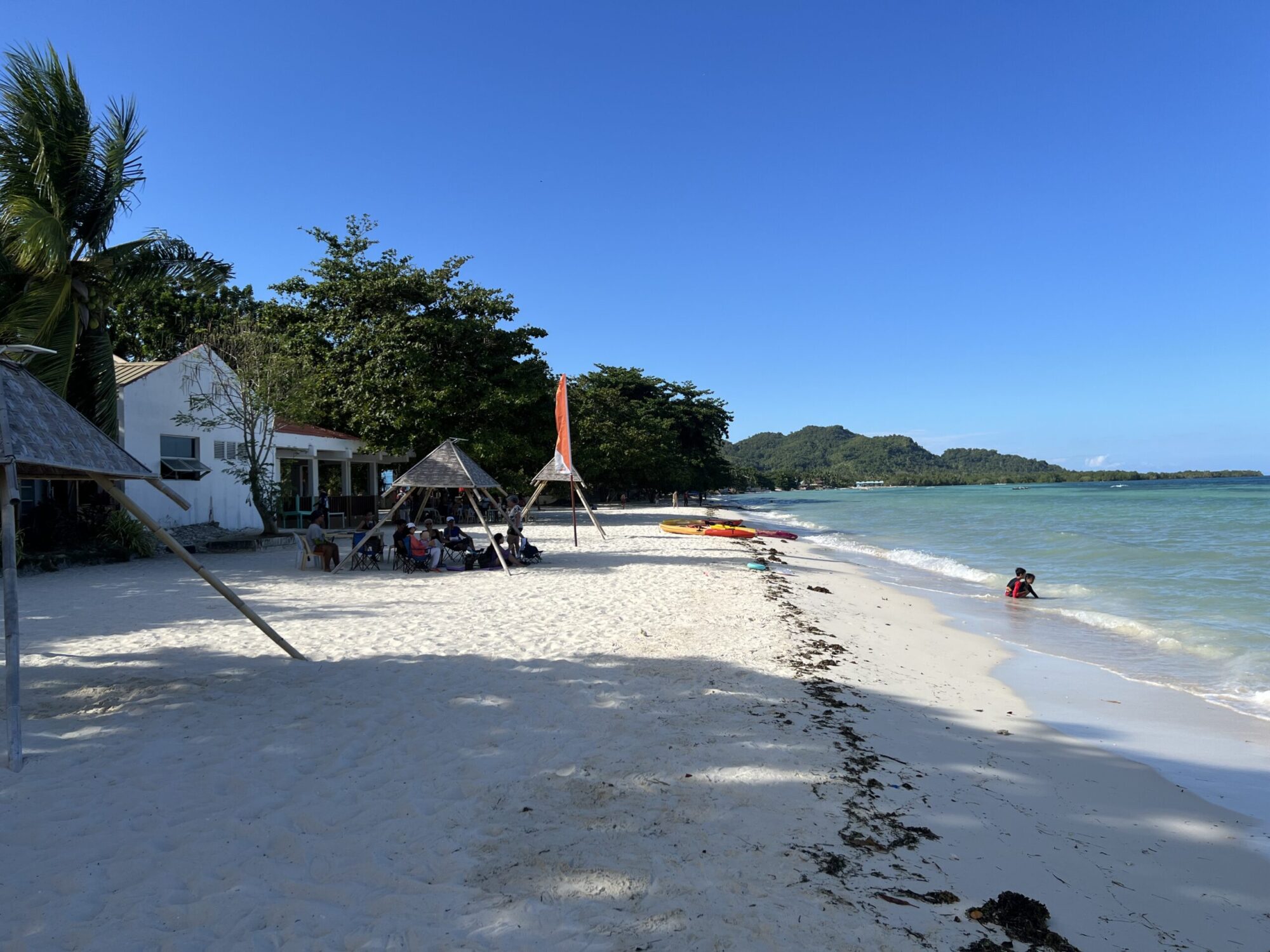
It’s a long drive from Panglao, roughly three hours each way depending on traffic and stops, and we didn’t get back until after dark.
If you’ve got the time, I’d definitely recommend exploring this part of Bohol. It’s a completely different experience from the busier tourist areas around Panglao.
Day 3: Balicasag Island, Virgin Island and Hinagdanan Cave
Our third day was spent enjoying the waters around Panglao Island.
We started early with a boat trip that included dolphin watching, followed by snorkelling around Balicasag Island.
The snorkelling was absolutely fantastic. We saw sea turtles, loads of colourful marine life and some amazing coral formations.
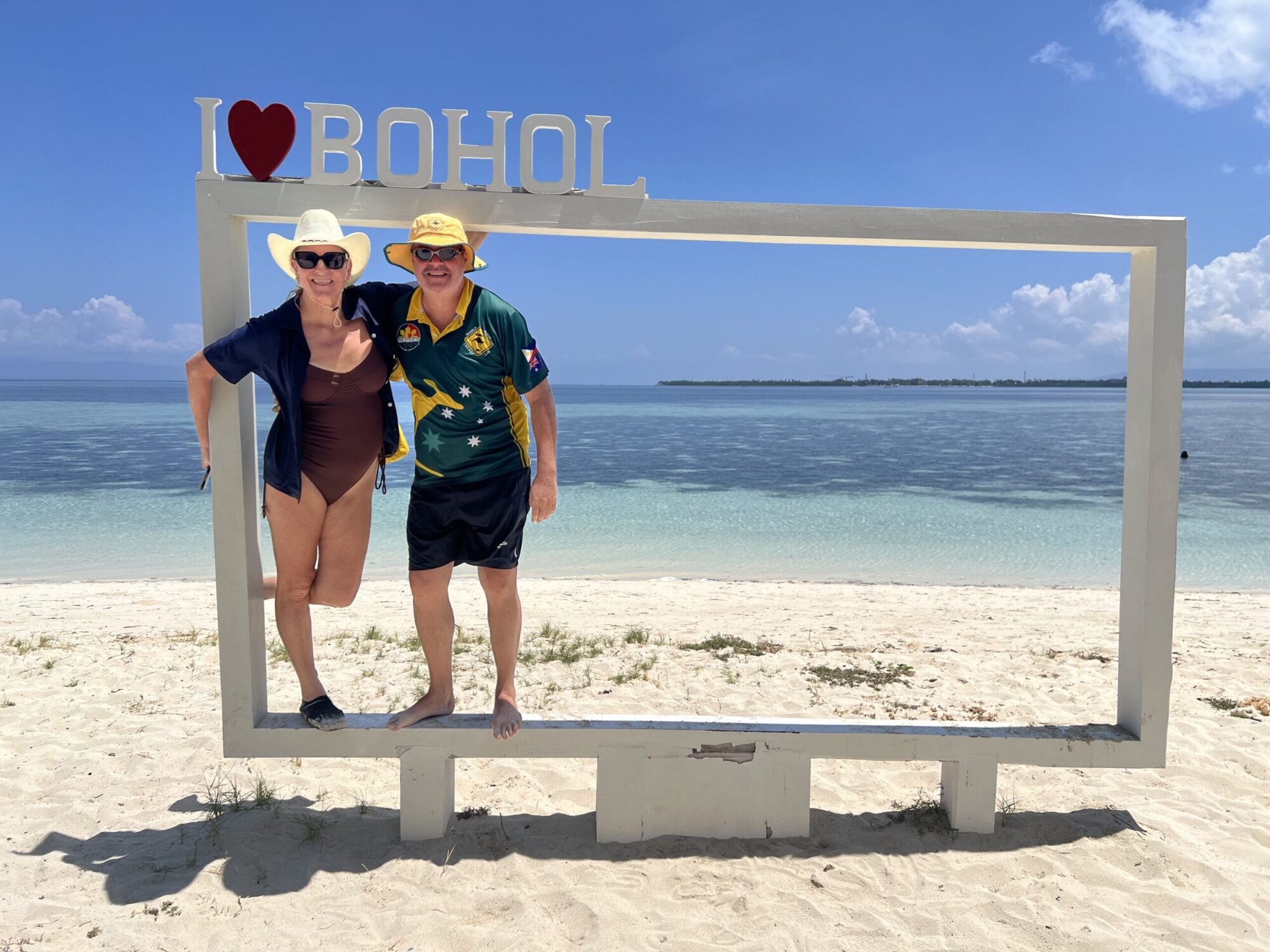
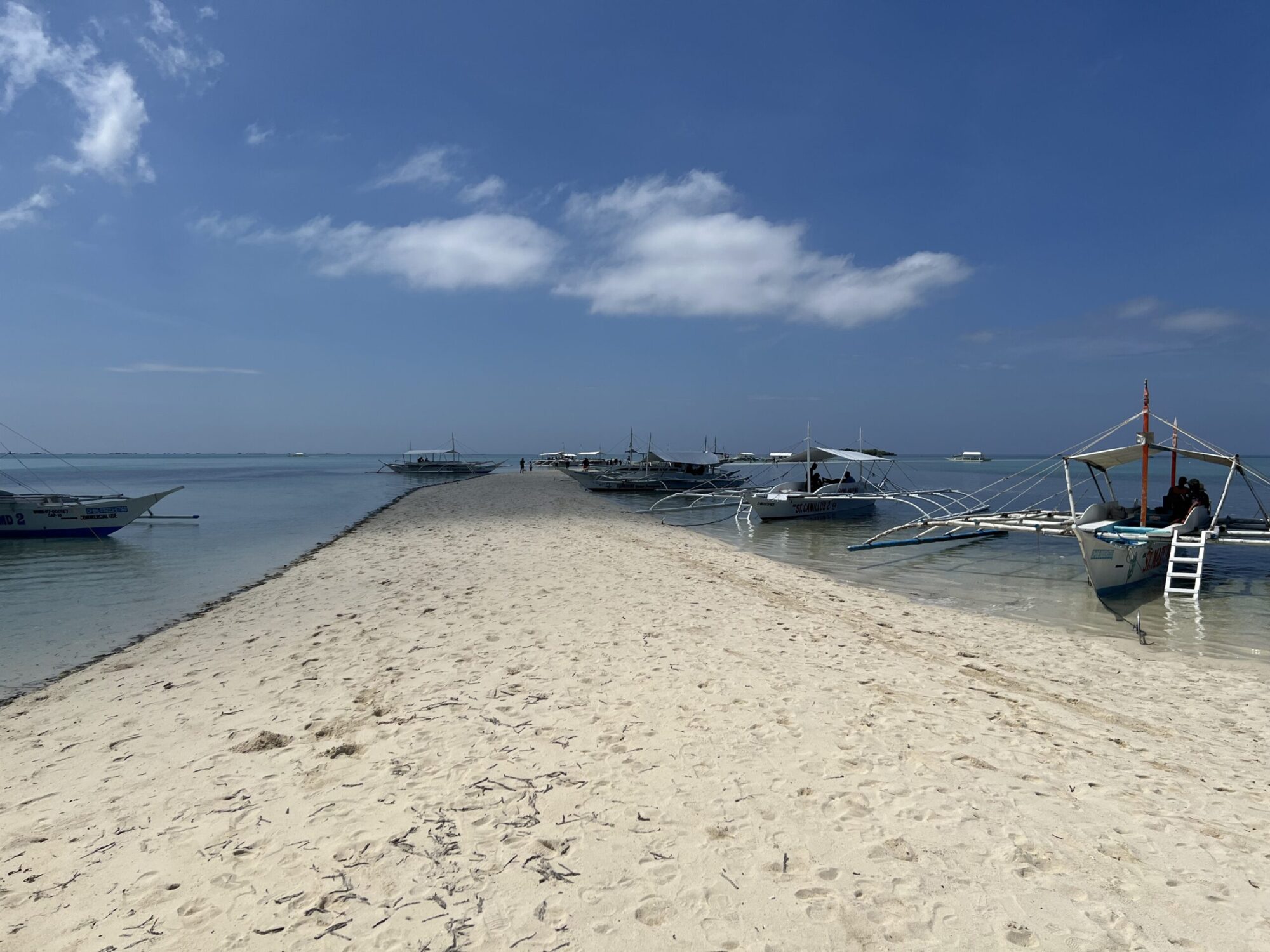
On the way back, we stopped at Virgin Island, famous for its beautiful white sandbar. The sand here is incredible, and it’s a great place to stop for photos and enjoy the scenery.
-
- Virgin Island Sandbar
-
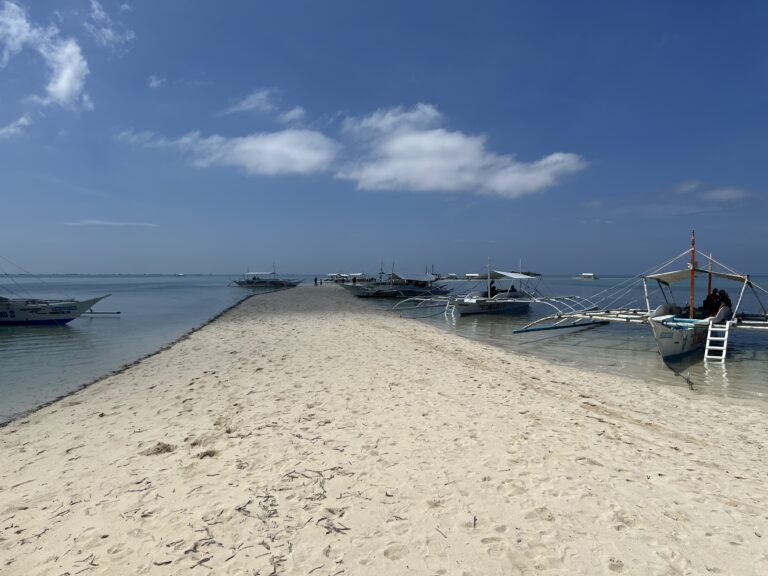
- Virgin Island Sandbar
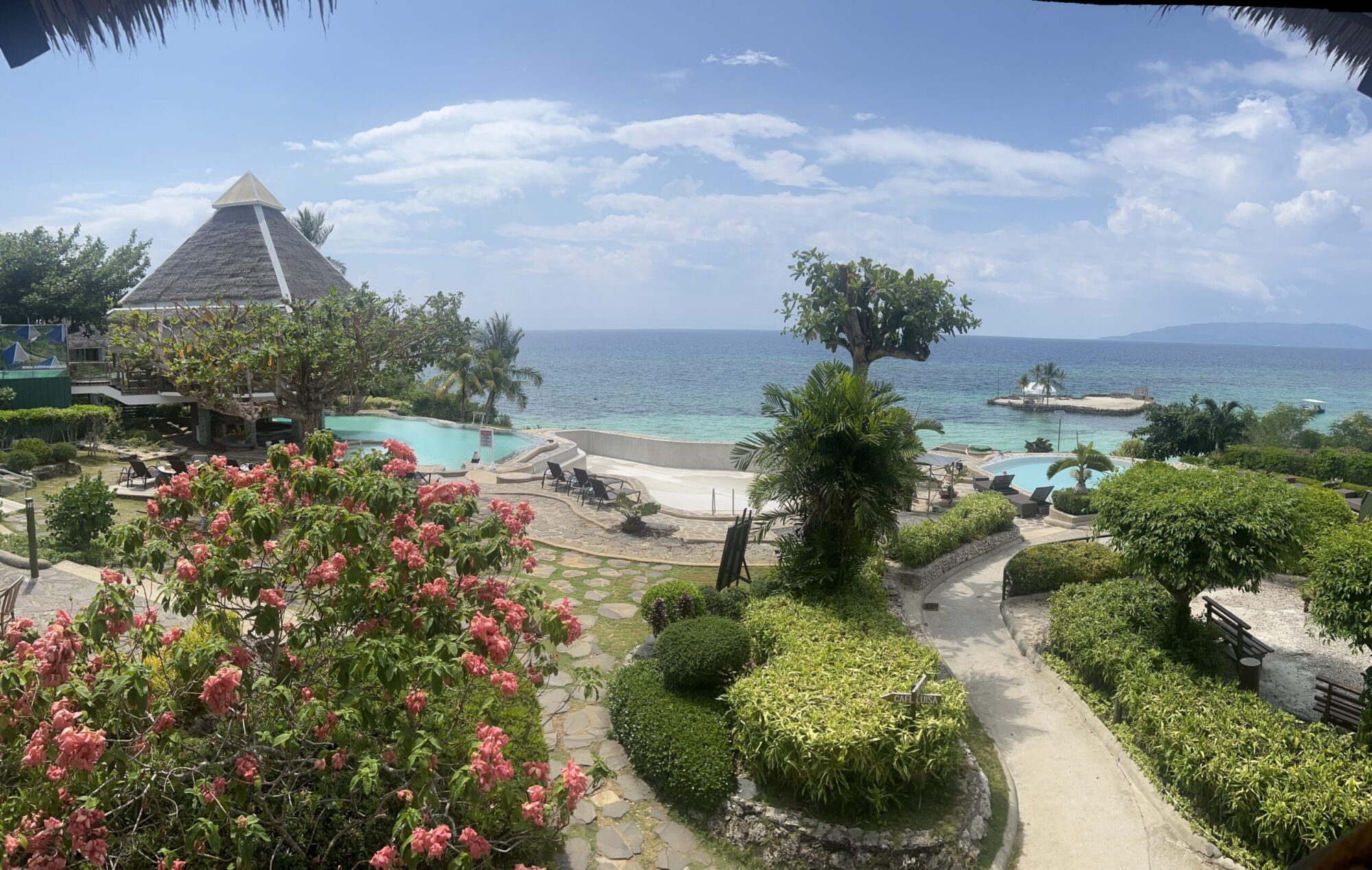
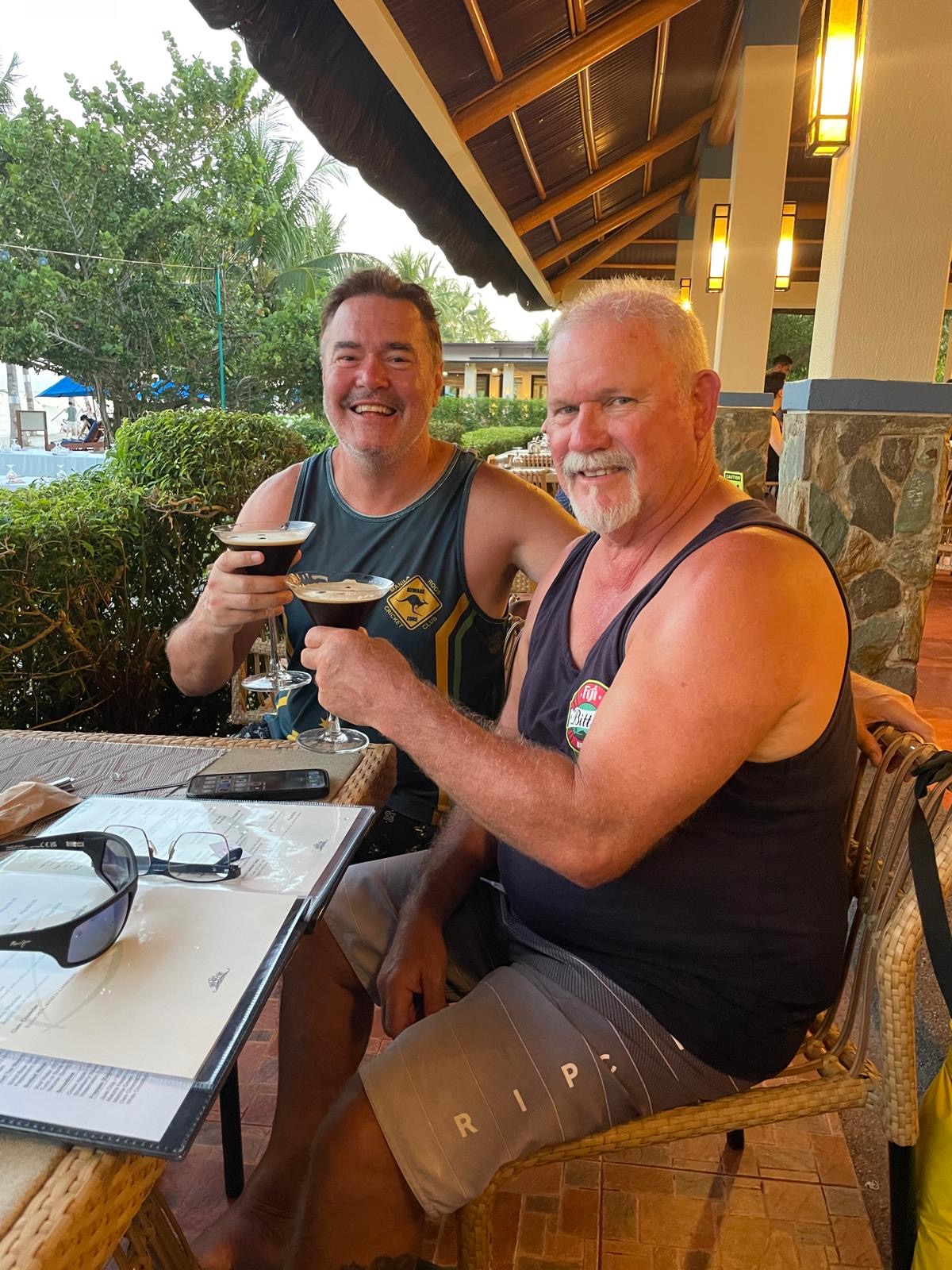
After returning to Panglao, we headed to Mithi Resort and Spa for lunch. The restaurant and bar sit on a hill overlooking Cebu Strait, with fantastic views across the water. You can even make out the southern tip of Cebu in the distance.
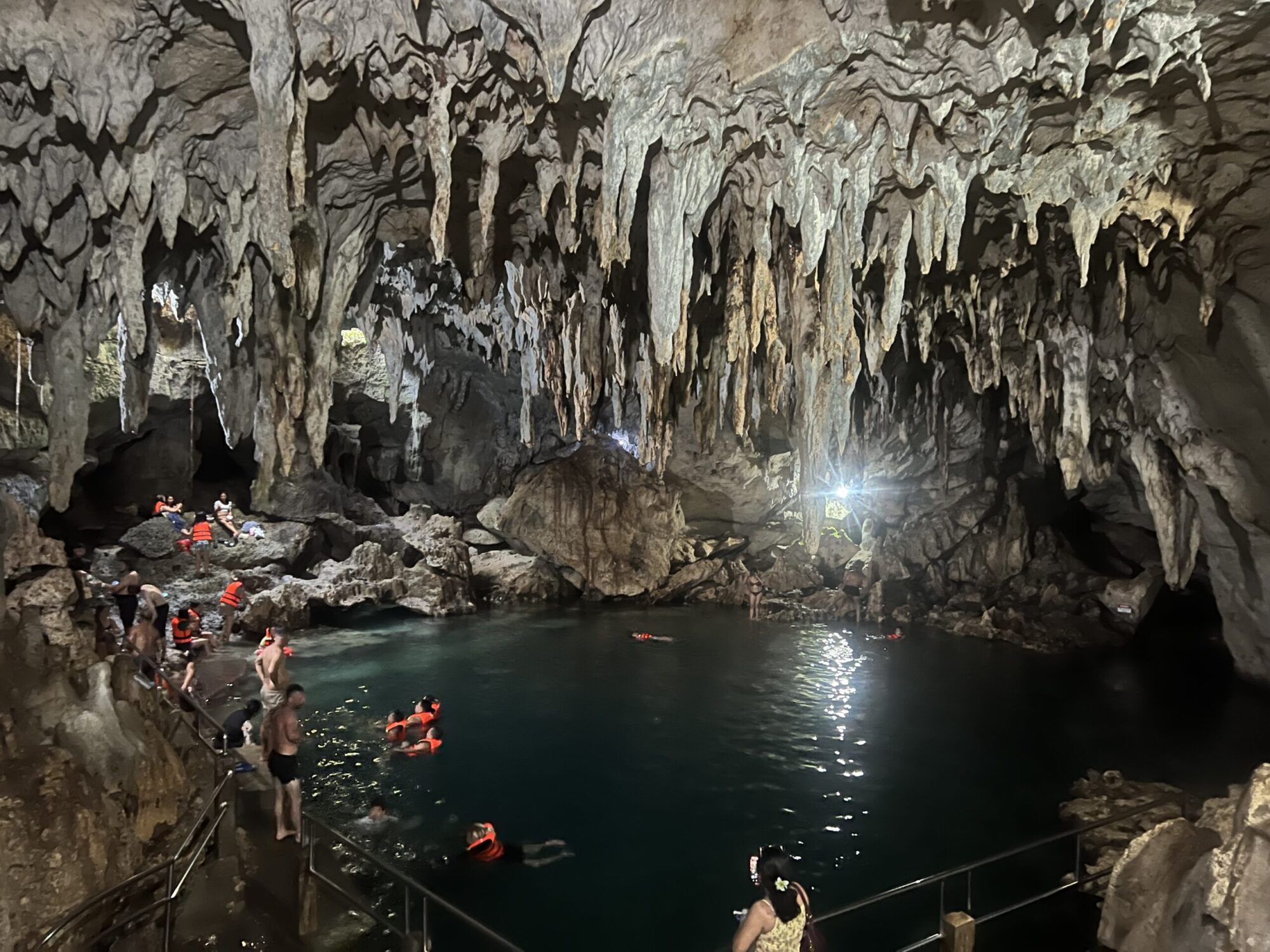
Our final stop was Hinagdanan Cave, about five minutes’ drive from Mithi.
It’s a fascinating underground limestone cave with a natural pool where swimming is permitted. The water is wonderfully refreshing, particularly after a day out in the sun.
-
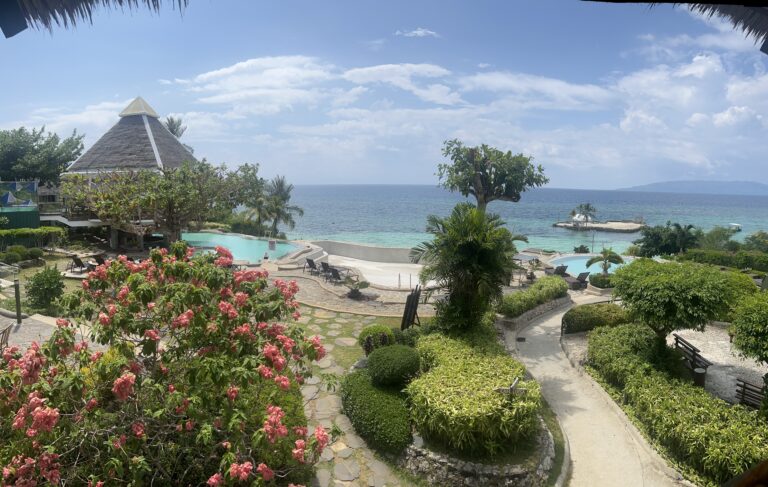
- Mithi Resort and Spa, Panglao
-
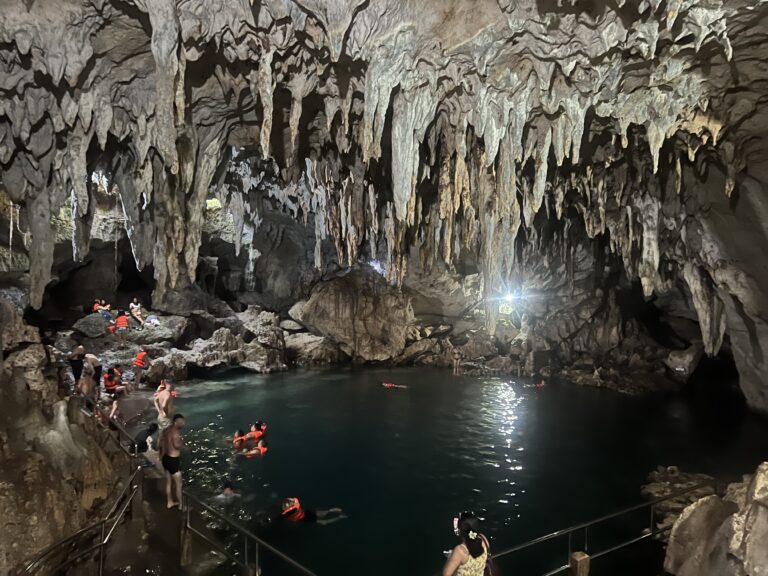
- Hinagdanan Cave, Panglao
That wrapped up three fantastic days exploring Bohol.
How Many Days Do You Need in Bohol?
I’d recommend four to five days, particularly if you want to follow a similar itinerary to ours.
I stayed for four nights, and we managed to fit in three full days of sightseeing. It was great, although the days were pretty busy.
If you’ve got an extra day, I’d definitely suggest using it to relax around Alona Beach, enjoy the restaurants, have a swim or just chill by the pool.
Combining Bohol with Cebu
Bohol also works really well as part of a longer trip through the Central Visayas.
After our trip, my cousin and her family continued to Oslob in southern Cebu for whale shark watching. From there, they travelled to Moalboal, where they spent a couple of nights snorkelling and experiencing the famous Sardine Run.
They then continued to Cebu City, spent a night there and flew back to Manila before returning to Australia.
It’s a great example of how you can combine several destinations without having to fly back to Manila between each one.
There are direct passenger boat services between Panglao and Oslob, including the Momo Beach to Quartel Beach route, with crossings taking approximately 90 minutes when operating. Check current schedules before planning your trip.
You can also travel through Cebu City, which has domestic and international flights, including services to Singapore and other destinations.
Where to Stay in Bohol
For most visitors, I’d definitely recommend Panglao Island, preferably somewhere near Alona Beach.
Alona has beautiful white sand, plenty of restaurants, cafes, bars and accommodation options, and it’s a convenient base for island hopping and exploring the rest of Bohol.
You don’t necessarily need to stay right on the beachfront. In fact, somewhere a short walk back from the beach can be quieter and more private.
There’s accommodation for just about every budget, from basic guesthouses to upmarket resorts.
One place I’d recommend checking out is Bohol Beach Club, located along the beautiful Dumaluan Beach area of Panglao Island, rather than Alona Beach itself.
It’s a lovely beachfront resort, and on my visit it was possible to walk in and enjoy a meal or drinks at the restaurant without staying there. It’s definitely worth considering for a relaxing beachfront lunch, although I’d recommend checking the current policy for non-resident visitors before heading over.
Where I Stayed: Alona Royal Palm Resort
On my April 2026 visit, we stayed at Alona Royal Palm Resort, a lovely little resort within walking distance of Alona Beach.
It’s tucked away down a side road, so it’s quiet and private, away from the busier streets.
The resort has several attractive villas, a beautiful swimming pool, a restaurant and nicely maintained grounds. The buildings have a solid, traditional Filipino feel to them.
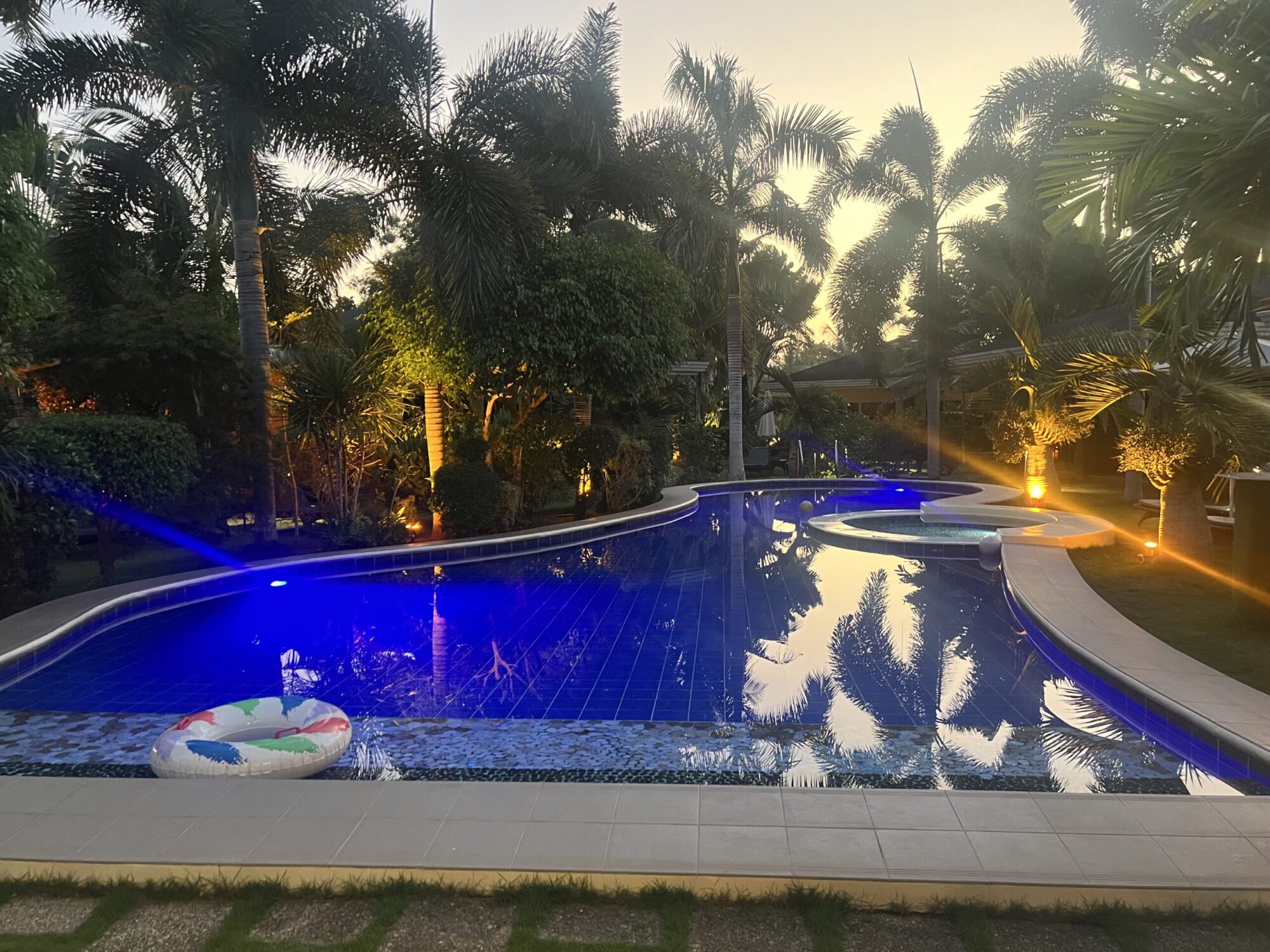
Everything worked perfectly during our stay, including the Wi-Fi, water and electricity, and the food was very good.
The proprietor, Stefan, a German married to a Filipina, was friendly and welcoming, which added to the experience.
It’s a little on the expensive side, and I originally booked there because that’s where my cousin and her family were staying. However, I was very happy with the choice.
If your budget allows for it, I’d definitely recommend it.
How to Get to Bohol
By Air
The main gateway is Bohol-Panglao International Airport, located directly on Panglao Island.
This is a big improvement from my first visit in 2007, when flights arrived at the old airport in Tagbilaran City.
Direct flights from Manila generally take around 1 hour and 30 minutes, with Philippine Airlines and Cebu Pacific among the airlines serving the route.
The airport is conveniently located for Alona Beach, with taxis and other local transfers available. Allow approximately 10 to 20 minutes to reach the Alona Beach area, depending on traffic and your accommodation.
Other domestic and international connections may be available depending on airline schedules.
By Ferry
Bohol is also accessible by ferry, particularly from Cebu City.
Fast ferries between Cebu City and Tagbilaran generally take around two hours. From Tagbilaran Port, allow approximately 30 to 45 minutes by road to reach Alona Beach.
If you’re coming from southern Cebu, passenger boat services between Oslob and Panglao provide another option.
The crossing between Quartel Beach in Oslob and Momo Beach on Panglao takes approximately 90 minutes when operating. Schedules can change, particularly during periods of rough weather, so confirm availability before travelling.
Getting Around Bohol
For our April 2026 trip, we hired a car for three full days, which cost around ₱10,000, plus insurance and a refundable deposit.
Having our own vehicle made a massive difference, particularly when visiting the east coast and places that are difficult to reach by public transport.
I did the driving because I’ve got a Philippine driver’s licence, I’m familiar with the roads and I can speak a little of the local language.
If you’re not comfortable driving in the Philippines, hiring a car with a driver or booking organised day tours would be a good alternative.
Good to Know Before You Go
- Stay near Alona Beach for convenient restaurants, accommodation and island hopping departures.
- Allow a full day to explore Anda and Bohol’s beautiful east coast.
- Hire a car or driver if you’re planning to explore beyond Panglao.
- Book island hopping trips around favourable weather and sea conditions.
- Bring cash for smaller attractions, local guides, entrance fees and transport.
Dezza’s Tip
If you’re visiting Bohol, I’d definitely recommend staying on Panglao Island, preferably somewhere within walking distance of Alona Beach.
The sand is beautiful, easily comparable with Boracay as far as I’m concerned, and there’s a great selection of restaurants and cafes.
You don’t need to be right on the beachfront. Staying a little further back can give you more privacy without sacrificing convenience.
My other recommendation is to make time for the east coast. The Cadapdapan Rice Terraces, Can-umantad Falls and Quinale Beach in Anda are well worth the long drive.
Most importantly, don’t try to squeeze everything into two days. Give yourself enough time to experience the island properly, and ideally allow an extra day just to relax.
Bohol FAQs
When is the best time to visit Bohol?
March and April are my favourite months. They’re generally the driest and sunniest, which suits sightseeing, island hopping and beach time. December to May is the more favourable period overall, while June to November tends to be wetter with rougher seas.
How do I get to Bohol from Manila?
Fly direct to Bohol-Panglao International Airport on Panglao Island. The flight takes around 1 hour and 30 minutes, and the airport is roughly 10 to 20 minutes from Alona Beach. You can also take a fast ferry from Cebu City to Tagbilaran, which takes around two hours.
Do I need to hire a car in Bohol?
It makes a massive difference if you want to see the east coast, including the Cadapdapan Rice Terraces, Can-umantad Falls and Quinale Beach. We hired a car for three days for around ₱10,000, plus insurance and a refundable deposit. If you’d rather not drive, hire a car with a driver or book organised day tours.
Is Alona Beach as good as Boracay?
In my view it’s comparable. Alona still has the same beautiful, fine white sand I remember from my first visit in 2007, with a bit more development around it now.
You Might Also Like
 Cebu CityThe gateway to the Visayas, with easy ferry links across to Bohol.
 El NidoLimestone cliffs, lagoons and island hopping in northern Palawan.
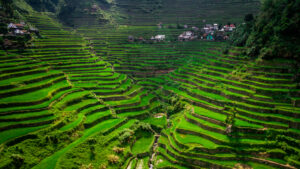 Banaue Rice TerracesThe other big rice terrace experience, high in the mountains of Luzon.
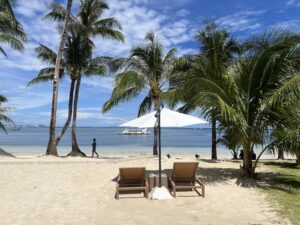 BoracayAnother famous white sand beach, with great sunsets and island hopping.
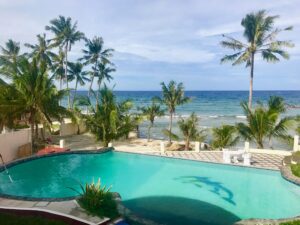 Central Visayas RegionCebu, Bohol, Siquijor and Negros Oriental, all within reach of each other.
Where Is Bohol?

Unsubscribe anytime.