


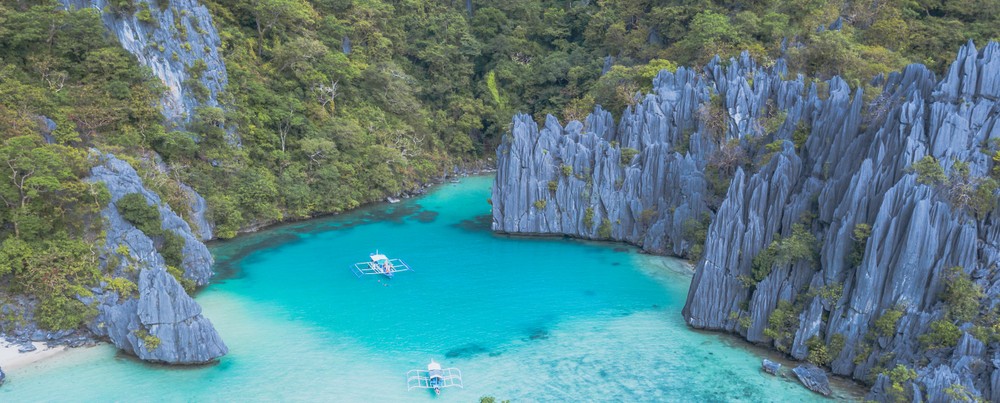
El Nido, Palawan: One of the Most Beautiful Places in the Philippines
If there’s one place in the Philippines I’d recommend visiting, particularly if you love beaches, island hopping and unbelievable scenery, it’s El Nido in Palawan.
Located at the northern end of Palawan, El Nido is famous for its massive limestone cliffs, crystal-clear waters, hidden lagoons and beautiful islands scattered throughout Bacuit Bay.
You can fly into El Nido’s own airport, or fly into Puerto Princesa and travel by road, which usually takes around five to six hours by van.
I’ve been to El Nido several times since my first visit in 2018, and it’s still one of the most beautiful places I’ve visited anywhere in the Philippines.
The scenery is absolutely mind-blowing.
Therefore, it should come as no surprise that El Nido was ranked among the world’s top beaches in Condé Nast Traveller’s 2026 Readers’ Choice Awards. Palawan itself has also received international recognition as one of Asia’s best islands.
Each time I’ve returned, El Nido has become a little more (sustainably) developed, with more restaurants, bars and accommodation options. However, it’s the unbelievable scenery around Bacuit Bay that keeps drawing me back.
-
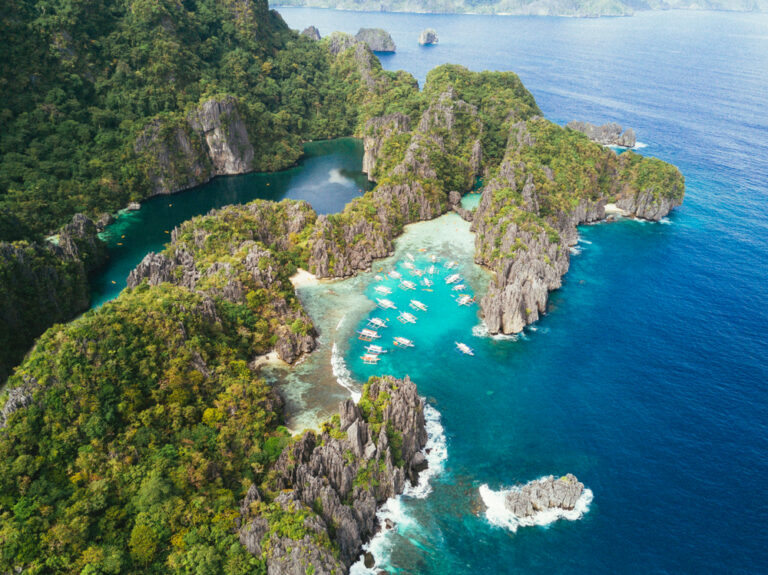
- Big Lagoon
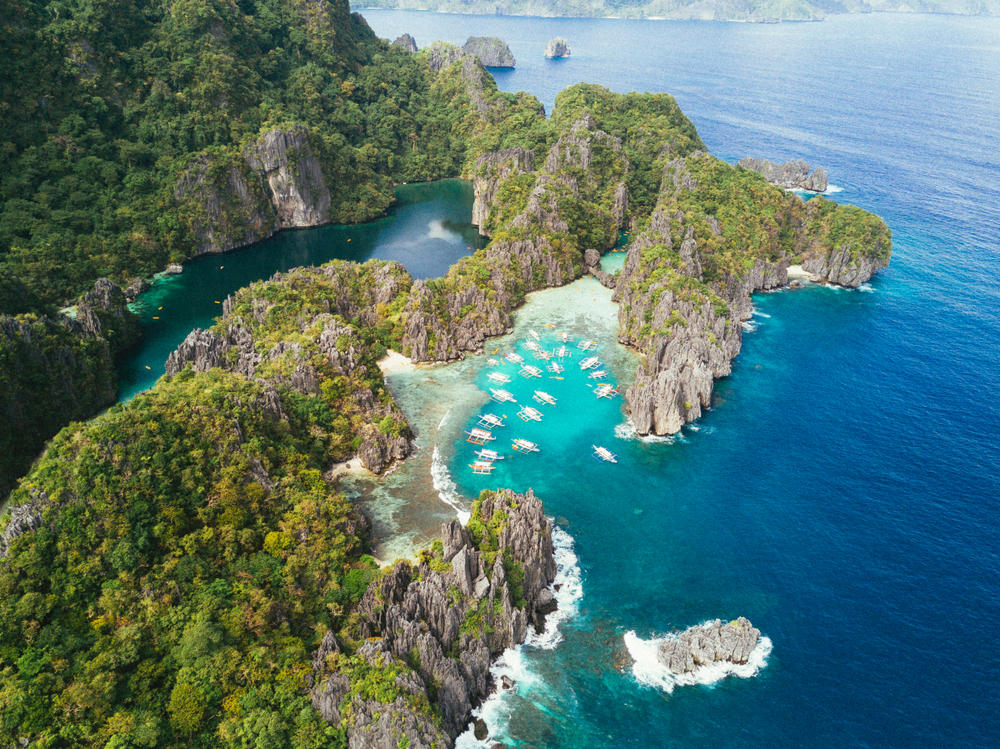
-
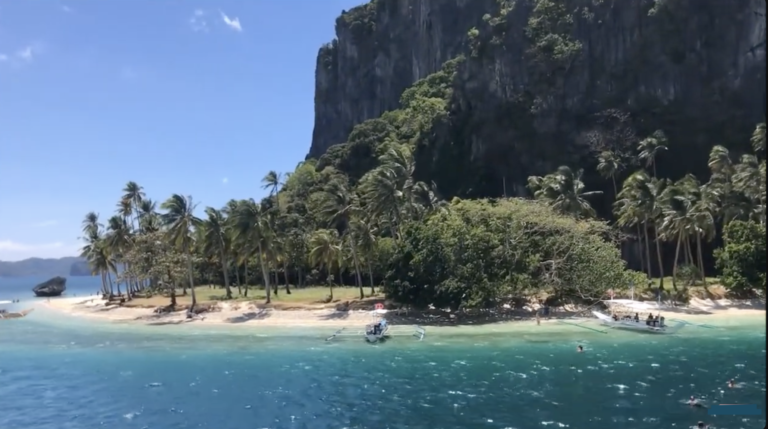
- Pinagbuyutan Island
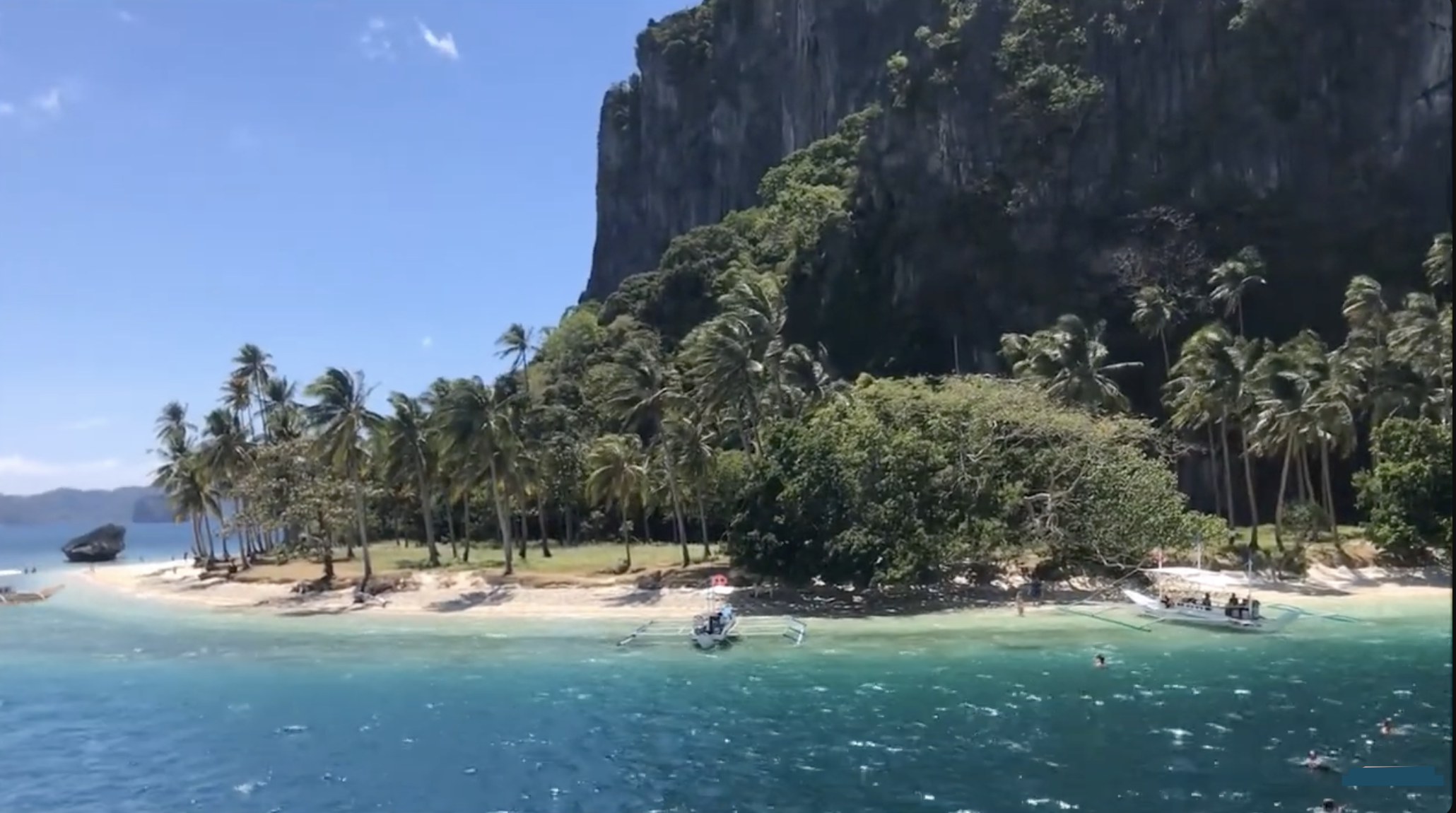
-
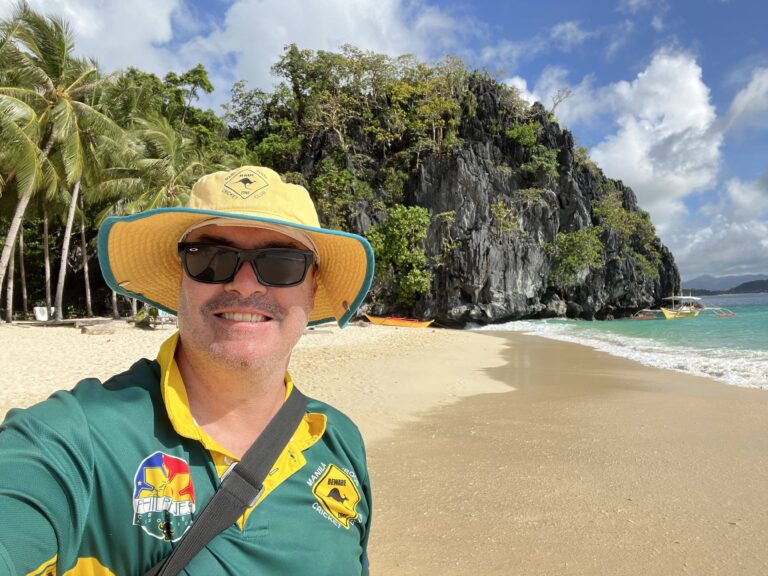
- Seven Commandos Beach
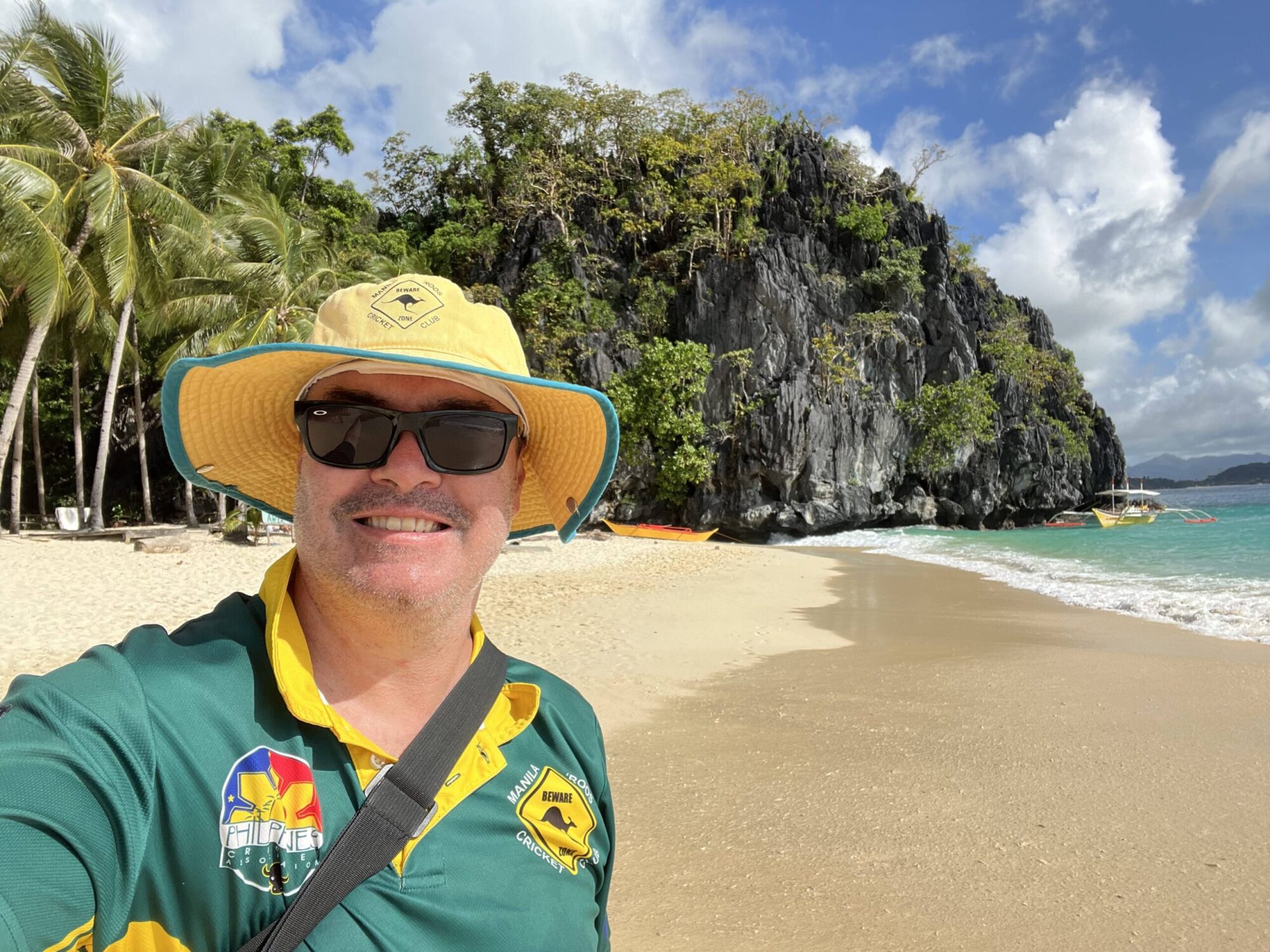
-
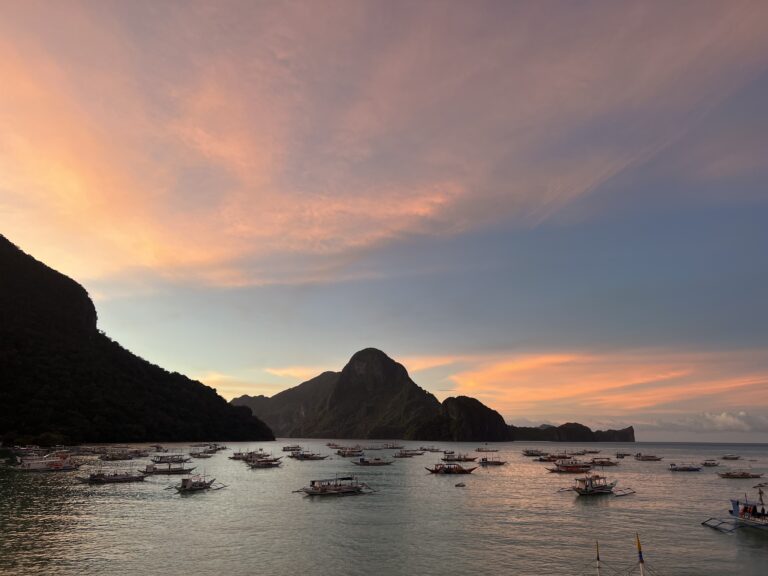
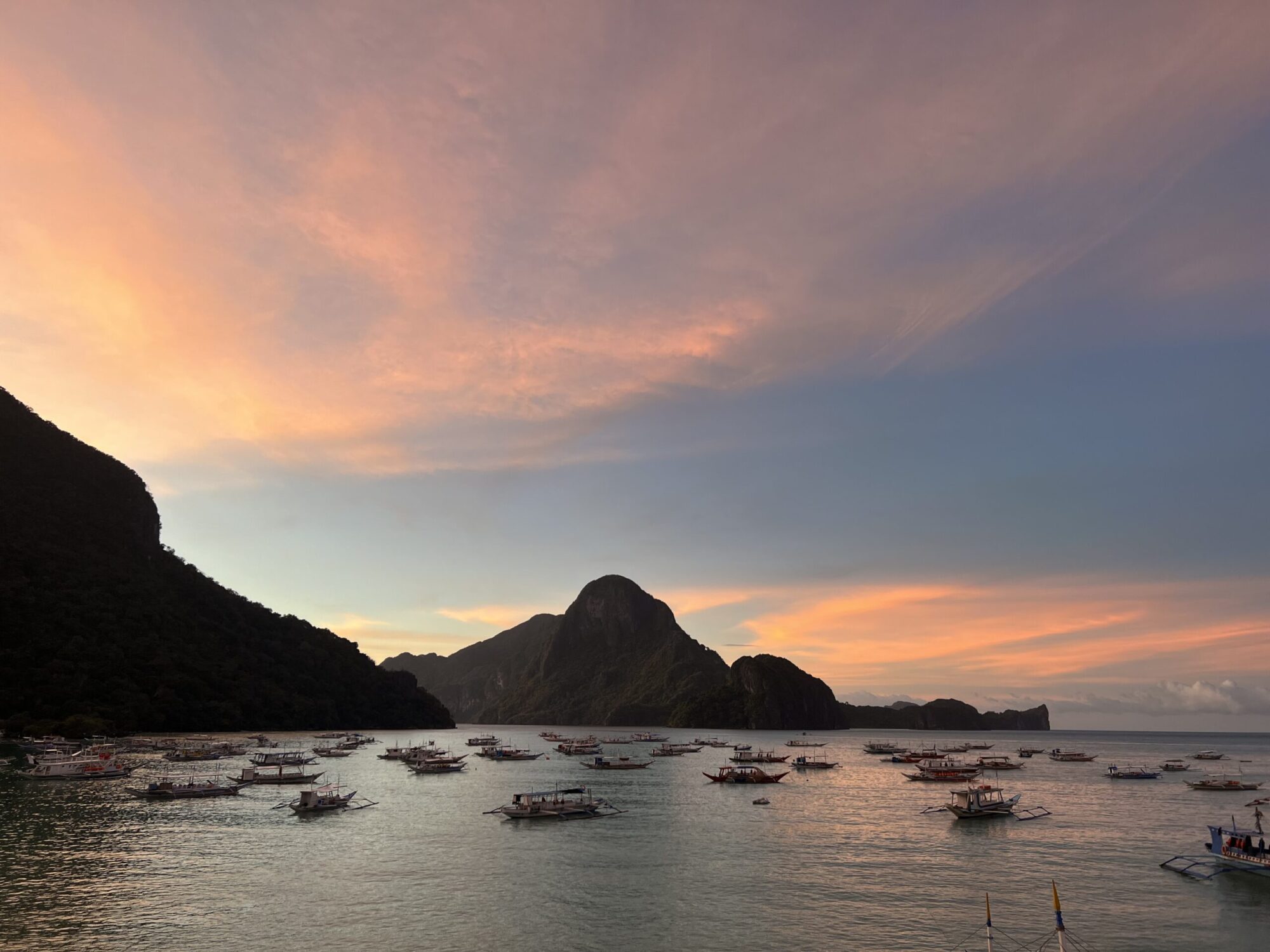
- Bacuit Bay, El Nido Town Proper
When Is the Best Time to Visit El Nido?
One of the first things I ask anyone planning a holiday in the Philippines is what time of year they’re coming. The weather can make a massive difference to where I’d recommend going.
Generally speaking, much of the Philippines has a dry season from December to May and a wet season from June to November, although this can vary depending on where you’re going.
For El Nido, I’d personally recommend March or April.
These are generally great months for sunshine, chilling out on the beach and getting out on the water.
I’d be a lot more cautious about August and September, when the southwest monsoon, known locally as the habagat, can bring some pretty heavy rain and rough seas to Palawan.
You might get lucky, but you could just as easily spend three days stuck in your hotel while it absolutely pours down outside.
And even during the dry season, boat tours can sometimes be cancelled because of rough seas, so it’s important to be flexible just in case.
How Many Days Should You Spend in El Nido?
I’d recommend four to five nights, although you could easily spend a week there if you’ve got the time.
There are four main island-hopping tours, so if you’re really keen, you could spend a few days checking out different parts of Bacuit Bay.
Personally, I’d aim to do at least two tours.
Then you’ve got places like Nacpan Beach, Duli Beach and Corong-Corong, which you can get to by road from El Nido town. You could easily spend another day or two checking out these places.
And if you just want to chill on the beach, enjoy a few drinks or do absolutely nothing, that’s fine too.
Just keep the weather in mind when planning your stay, particularly if you’re hoping to do a few boat tours.
Things to Do in El Nido
There’s plenty to see and do around El Nido, although for me, the island-hopping tours are easily the main attraction.
Here are a few things I’d recommend checking out:
- Island hopping: Check out the unbelievable limestone islands, hidden lagoons and beaches around Bacuit Bay.
- Snorkelling: Get in the water and have a look at the coral and marine life. You might even spot a sea turtle.
- Scuba diving: There are some awesome dive spots around El Nido if you’re into diving.
- Canopy Walk: A great way to get some amazing views over El Nido town and Bacuit Bay.
- Nacpan Beach: One of the nicest beaches in the area and definitely worth a visit. Have a look at my Nacpan Beach page.
- Duli Beach: A quieter beach that’s particularly popular with surfers. Have a look at my Duli Beach page.
- Corong-Corong Beach: A great place to chill out and watch the sunset.
-
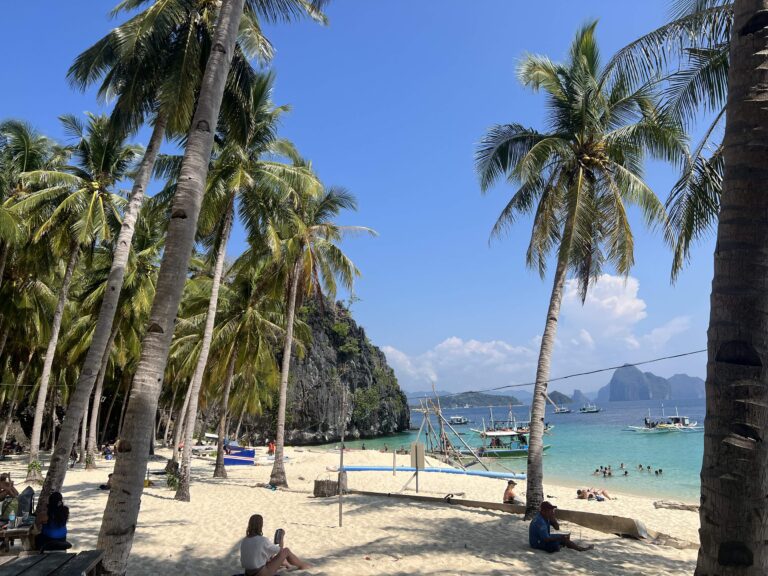
- Seven Commandos Beach
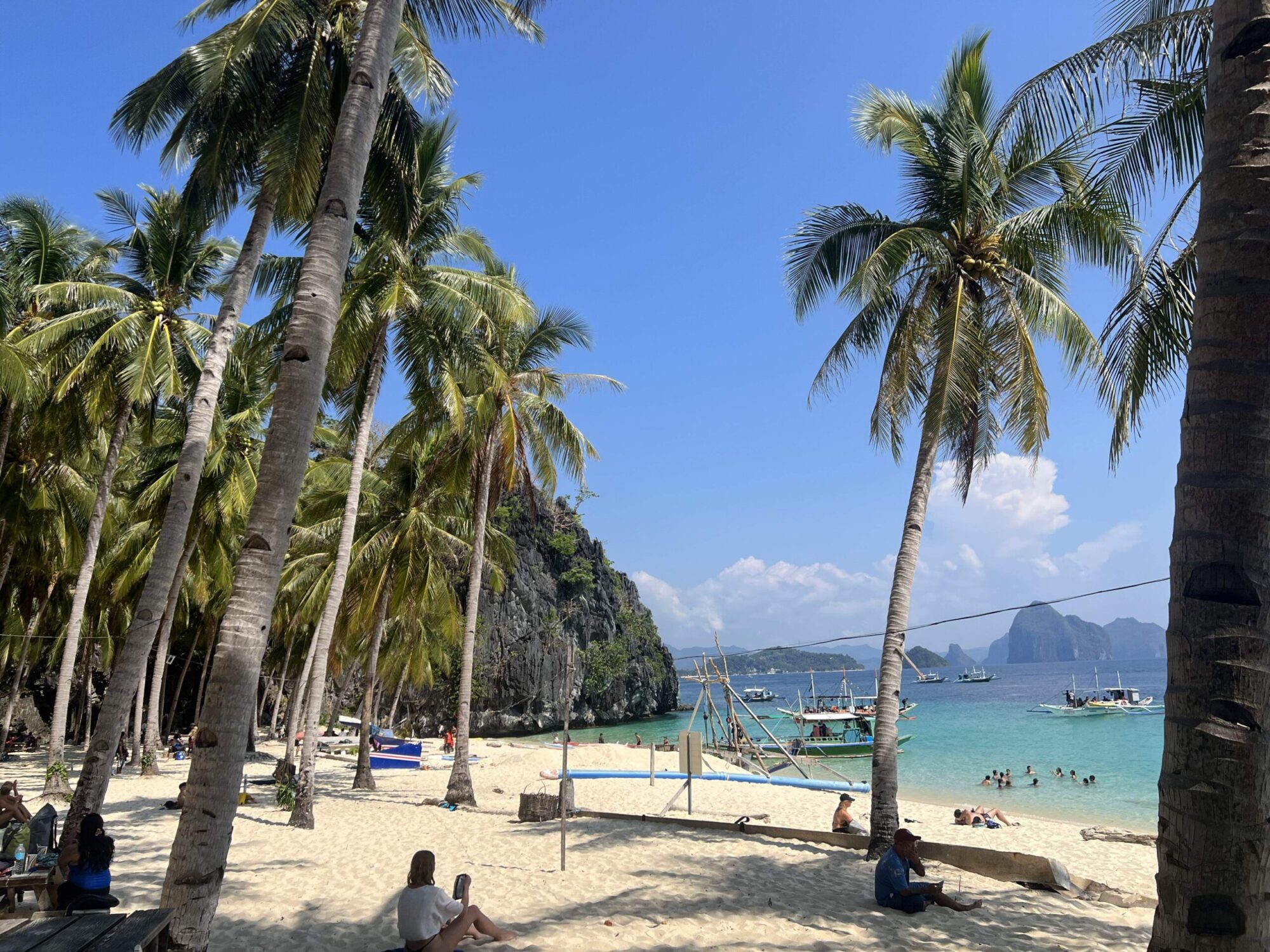
-
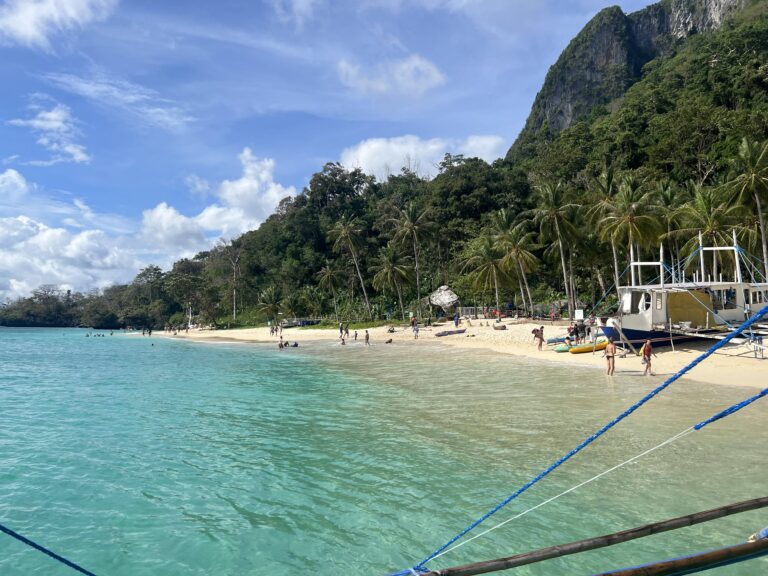
- Seven Commandos Beach
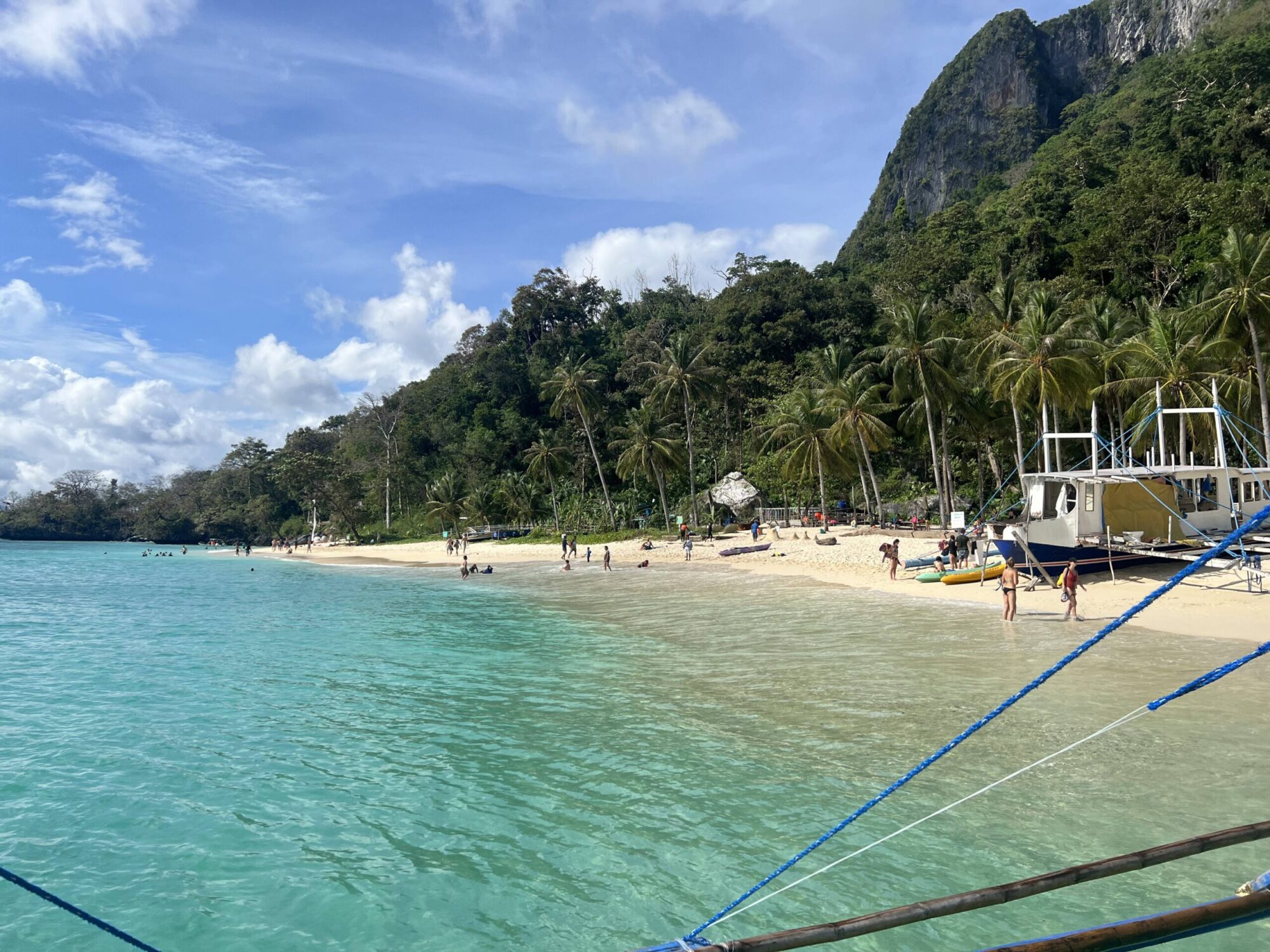
-
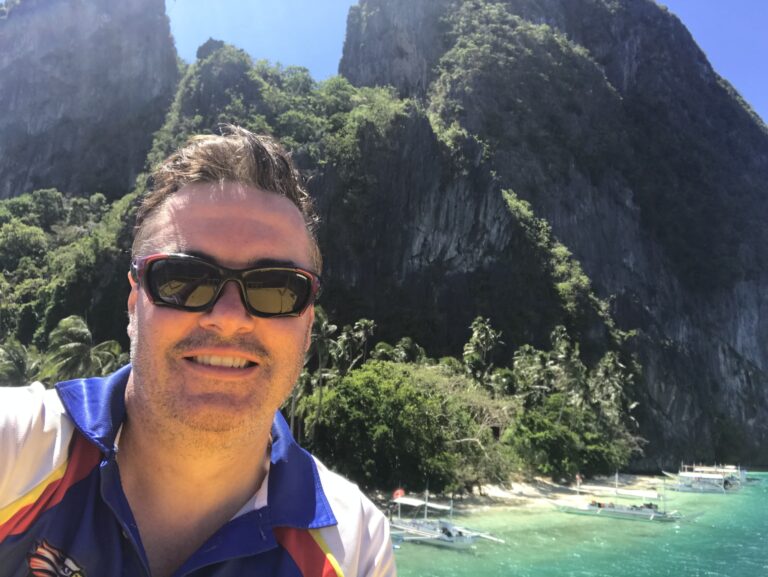
- Pinagbuyutan Island
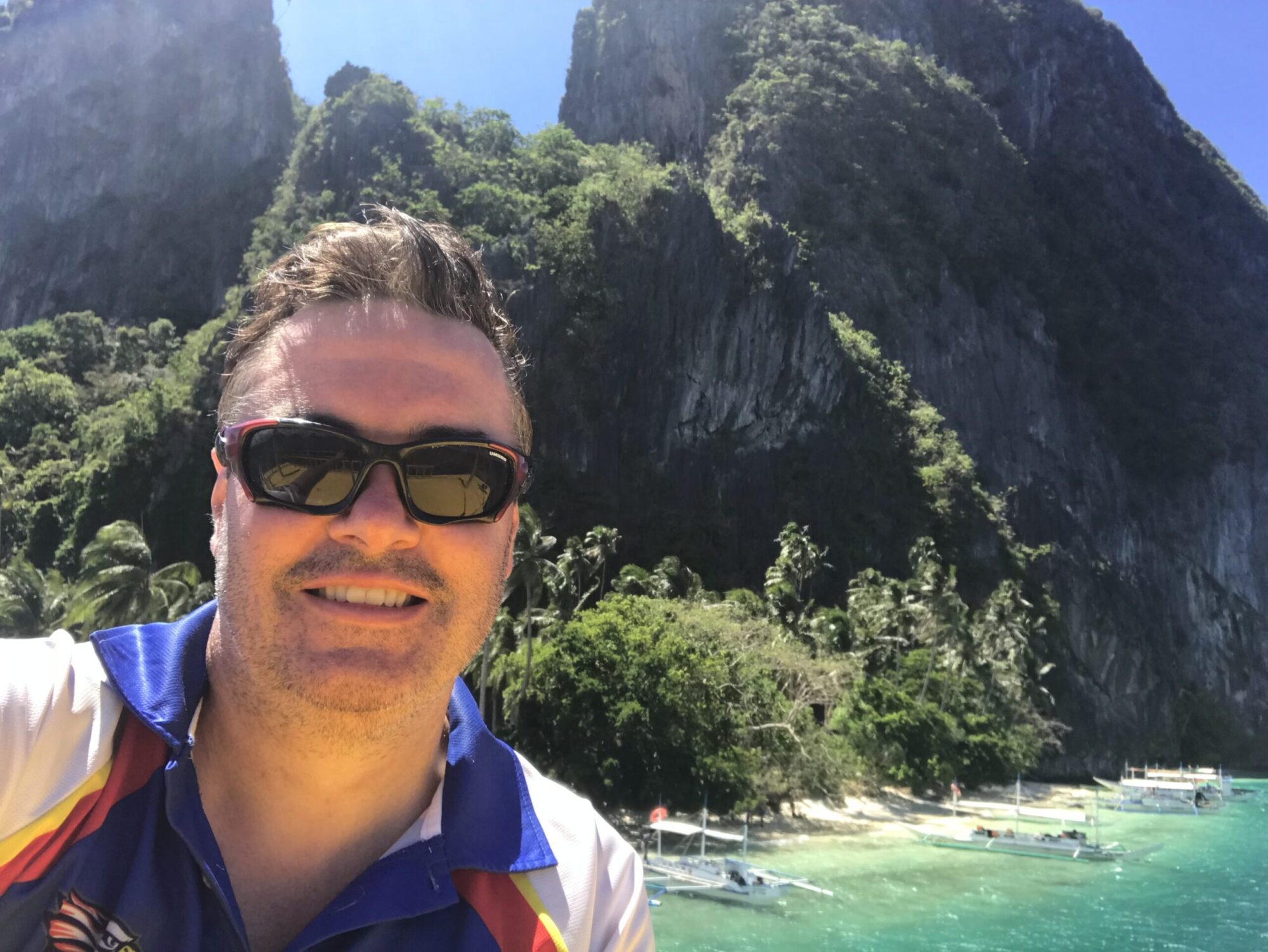
Island Hopping in Bacuit Bay
If there’s one thing you absolutely have to do in El Nido, it’s island hopping.
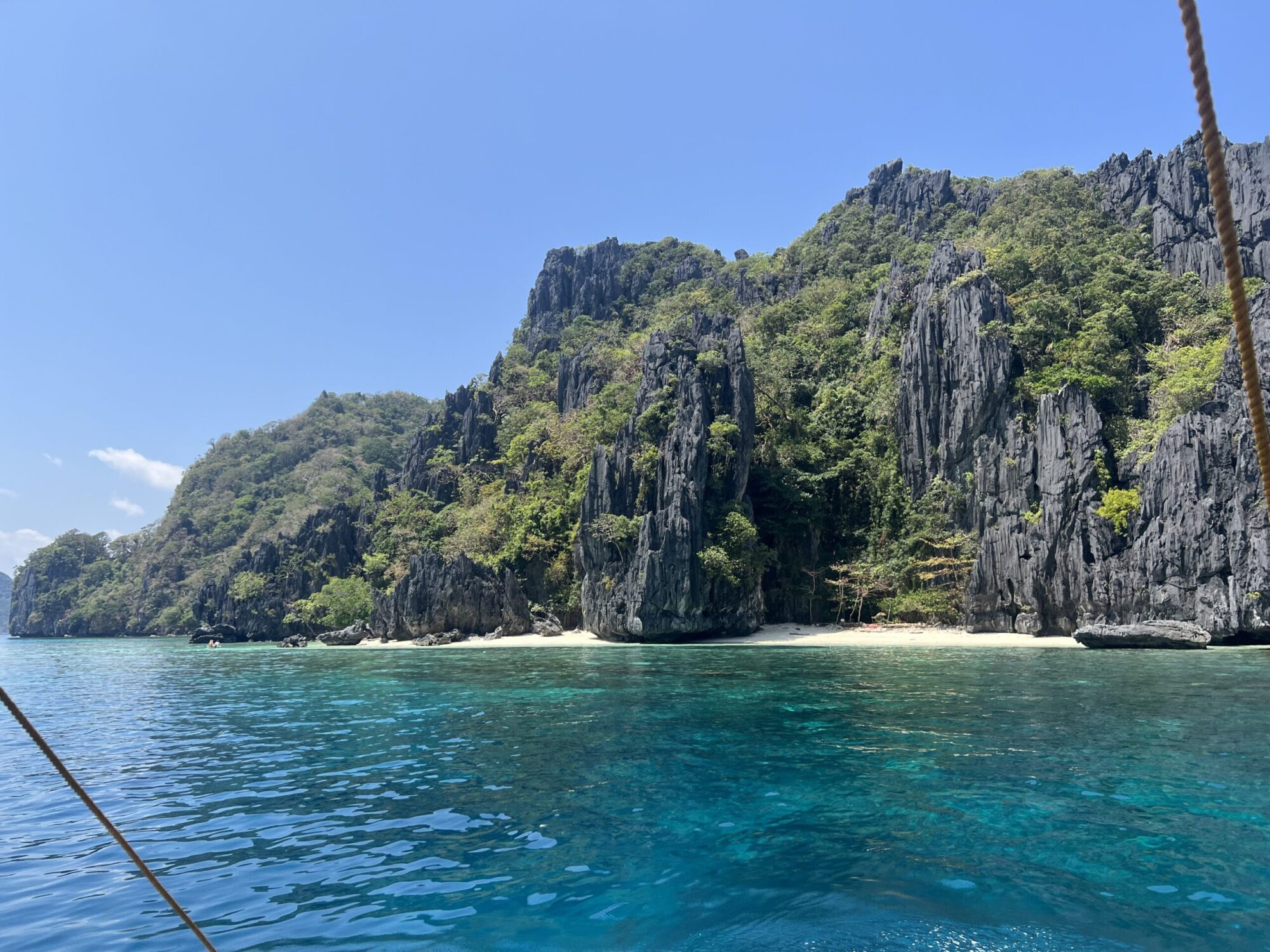
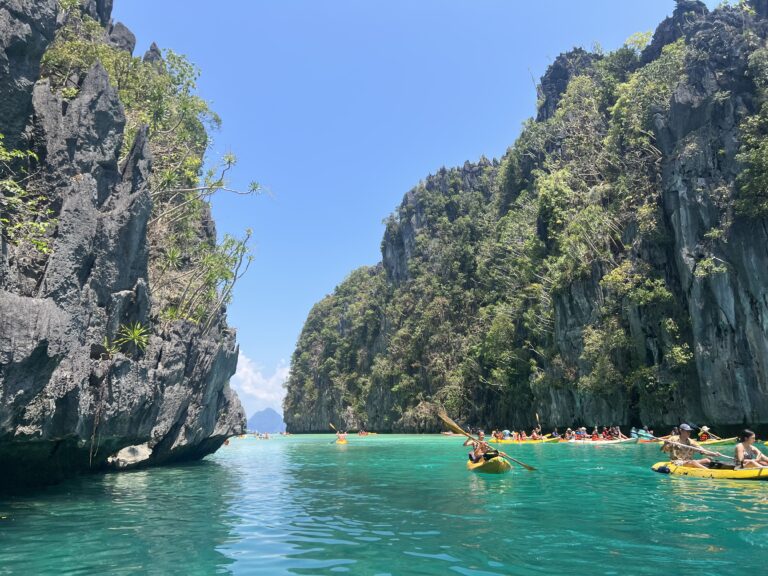
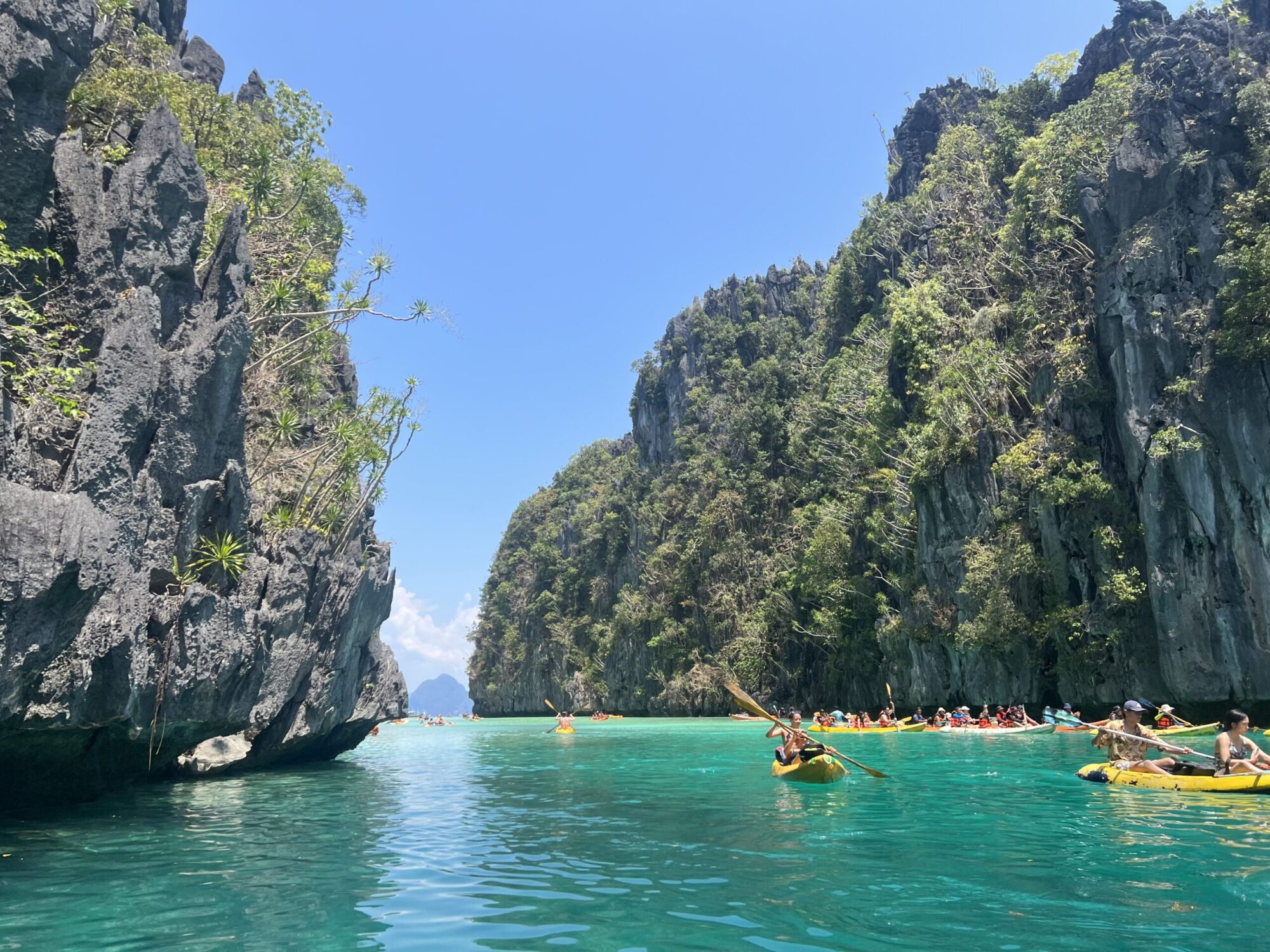
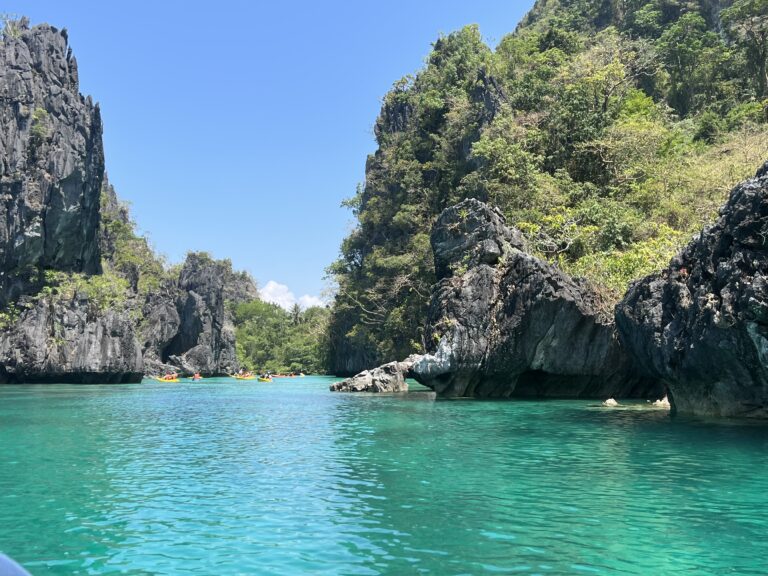
The scenery is absolutely mind-blowing. You’ve got these massive limestone cliffs rising straight out of the water, unbelievable beaches and hidden lagoons scattered throughout Bacuit Bay.
There are four main island-hopping tours, known as Tours A, B, C and D.
Each one takes you to different islands, beaches, lagoons and snorkelling spots.
I still remember my very first island-hopping tour back in 2018. I was blown away by the scenery, and it made me wonder why on earth I’d left it so long.
I’ve personally done Tours A and D, along with a separate party-boat experience called Tour Z, which doesn’t appear to operate anymore.
One of the highlights for me was snorkelling alongside sea turtles. That was an awesome experience and something I’ll never forget.
I also had a crack at scuba diving on one of my visits, on a boat run by Submariner Diving Centre, where I was staying. Unfortunately I couldn’t equalise the pressure in my ears, so that didn’t quite go according to plan! I spent plenty of time snorkelling instead, and I was lucky enough to see sea turtles, colourful coral and a huge variety of tropical fish.
If you’re visiting for the first time, I’d recommend having a look at the different tour itineraries and choosing whichever ones appeal to you most.
Just remember that the weather can affect which locations you can visit.
-
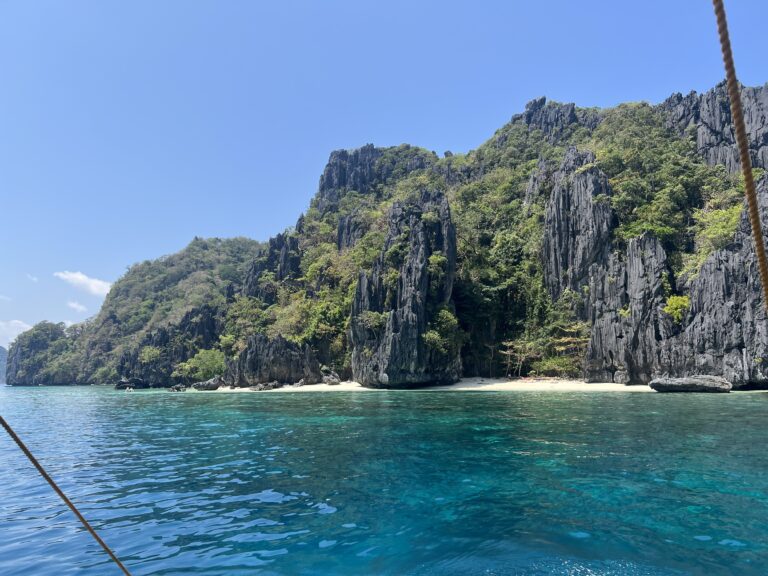
- Big Lagoon
-
- Big Lagoon
-
- Big Lagoon
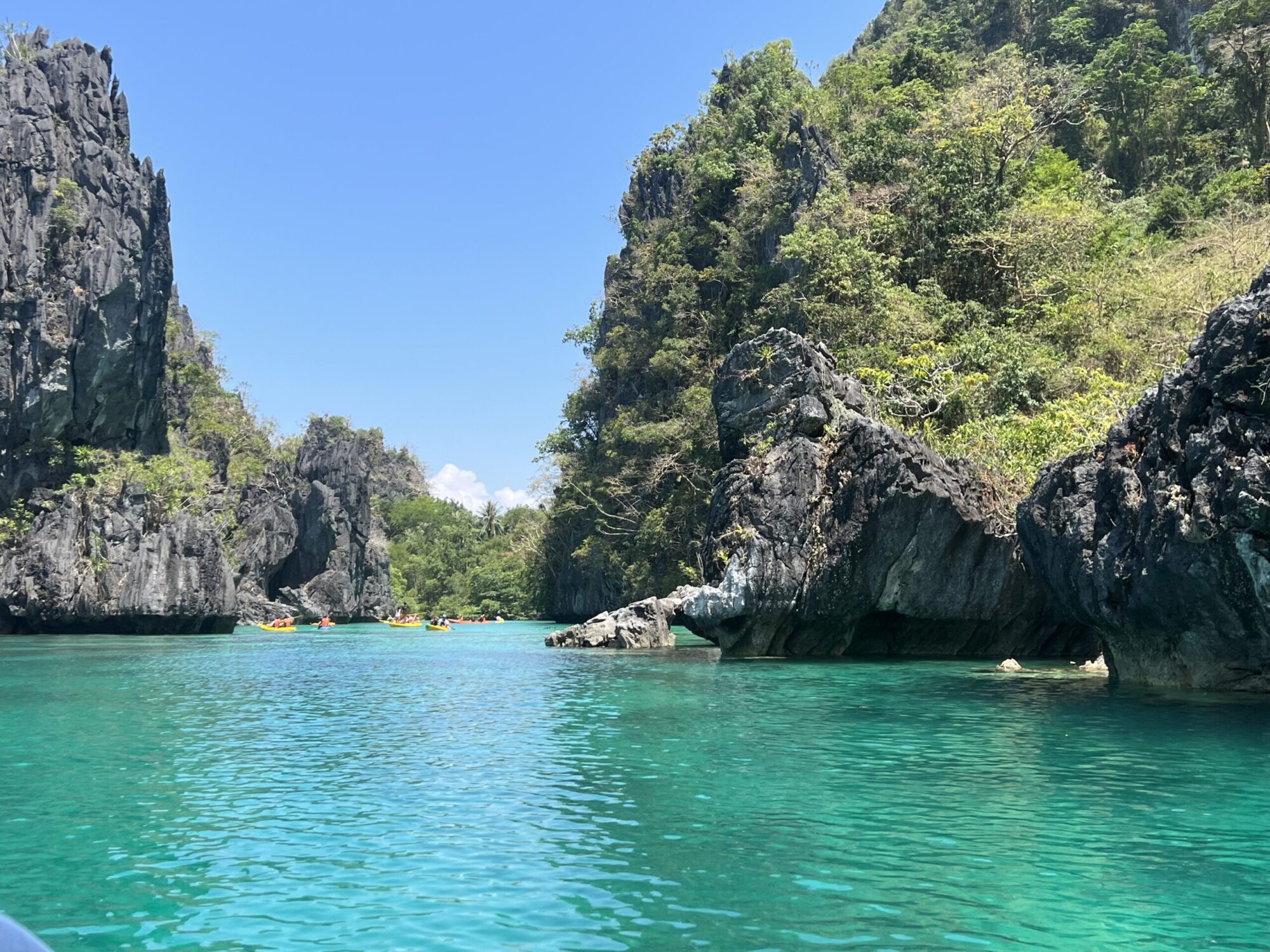
-
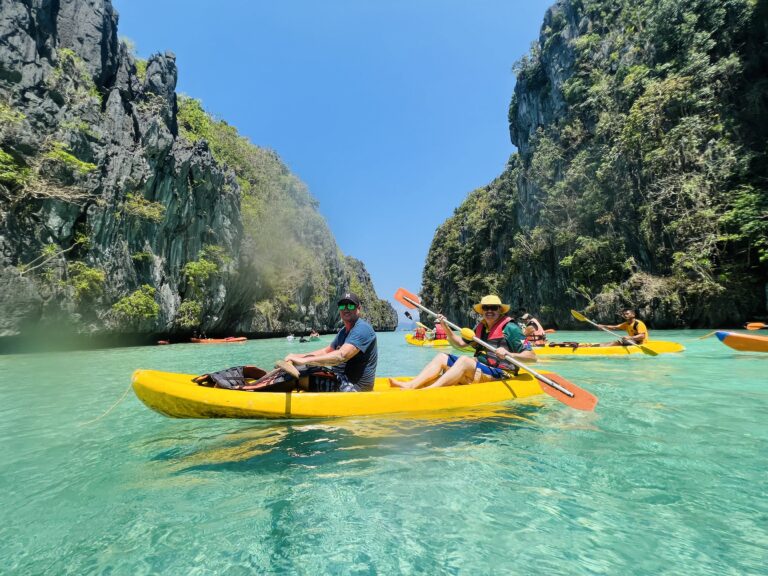
- Big Lagoon
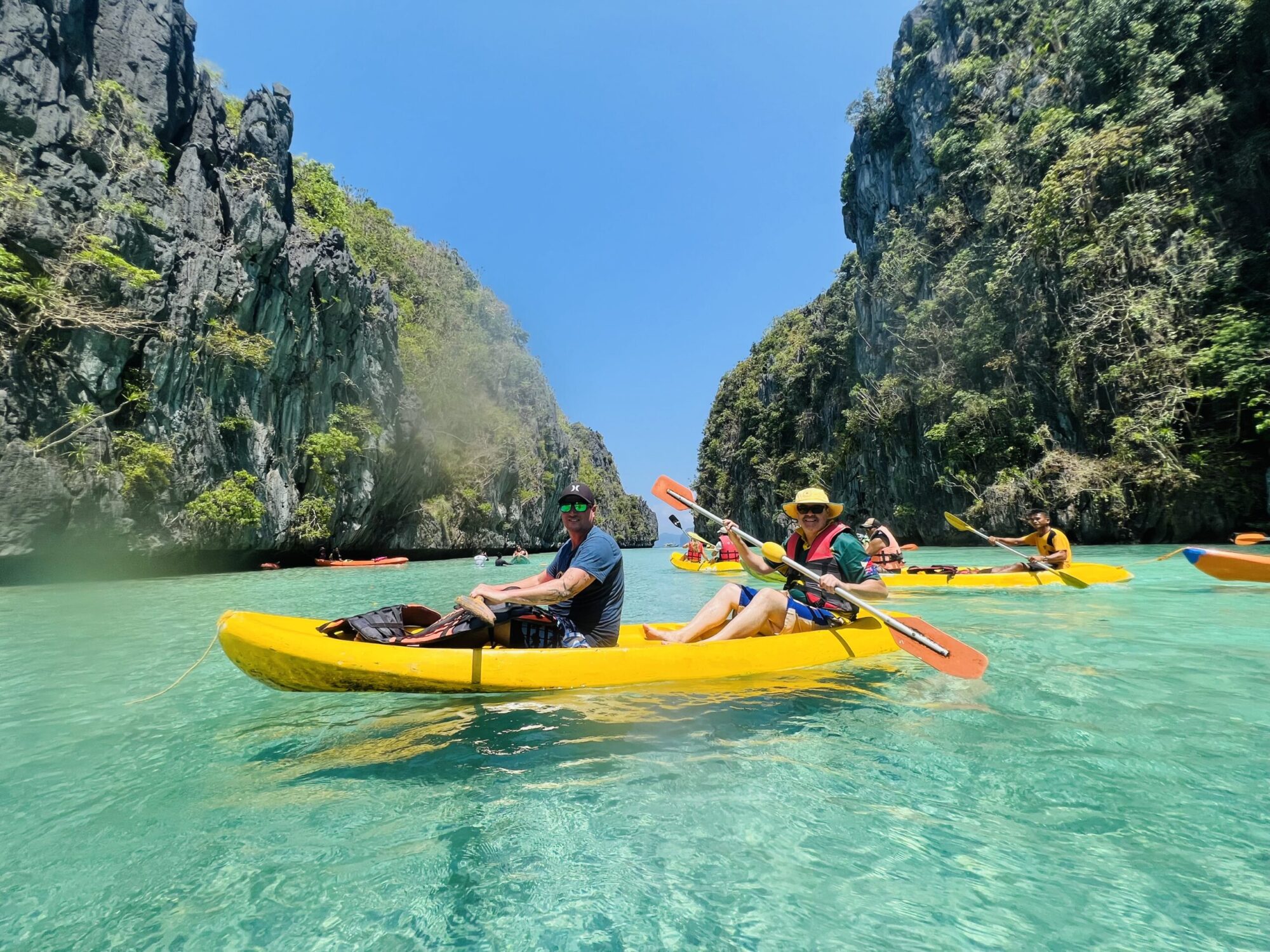
The Four Tours
Each tour runs a fixed route, so pick by what you want to see.
| Tour | Main stops | Duration | Best season |
|---|---|---|---|
| A: Lagoon Tour | Big Lagoon, Small Lagoon (kayak entry), Secret Lagoon, Shimizu Island, 7 Commando Beach | About 7-8 hours | Nov-May (dry season) |
| B: Cave & Cathedral | Cathedral Cave, Cudugnon Cave, Snake Island sandbar, Helicopter Island, Entalula / Pinagbuyutan Island | About 7-8 hours | Nov-May (dry season) |
| C: Hidden Beach & Matinloc Shrine | Hidden Beach, Secret Beach, Matinloc Shrine, Tapiutan Island, Helicopter Island | About 8-9 hours, the longest of the four | Nov-May. High weather risk Jun-Oct |
| D: Quiet Beaches | Cadlao Lagoon, Bukas Island, Paradise Beach, Pasandigan Cove | About 7-8 hours | Nov-May (dry season) |
Prices vary by operator and season, so ask what’s covered before you book. The tour price usually doesn’t include the environmental and tourism fees, lunch is usually included, and you’ll need to hire a mask, snorkel and flippers if you want to snorkel.
Environmental and Entrance Fees
On top of your tour, El Nido charges an environmental fee (officially the eco-tourism development fee) of around ₱400 a person. It was ₱200 until mid-2024. It covers you for 10 days, so hang onto your receipt, and your tour operator or resort can usually sort it out for you before your first boat trip.
That money is there to help look after the bay, with the fees going towards things like protecting the coral and marine areas, rubbish collection and keeping visitor numbers under control. Given how unbelievable the place is, I’m more than happy to pay it.
Some stops on the tours also charge their own entrance fee, usually around ₱200 (Big Lagoon and Small Lagoon, for example), so keep some cash on you.
Also nearby: Lio Beach Resort, Nacpan Beach and Duli Beach.
-
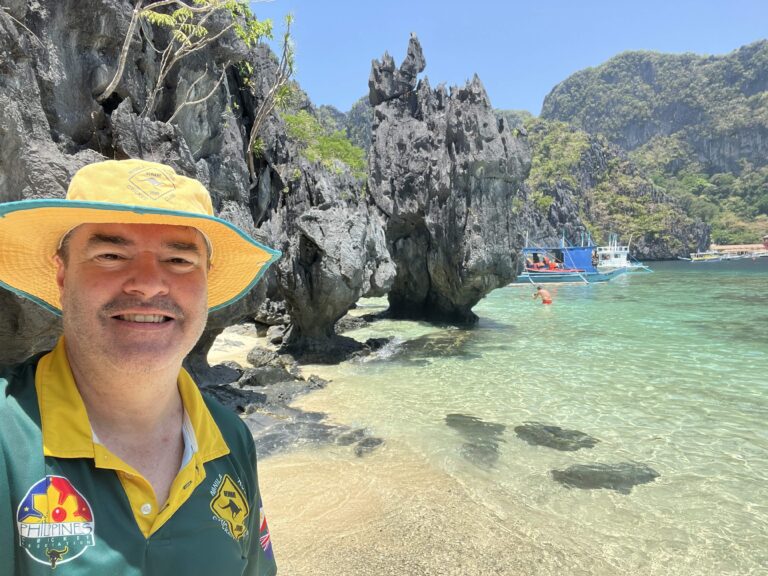
- Payong-Payong Beach
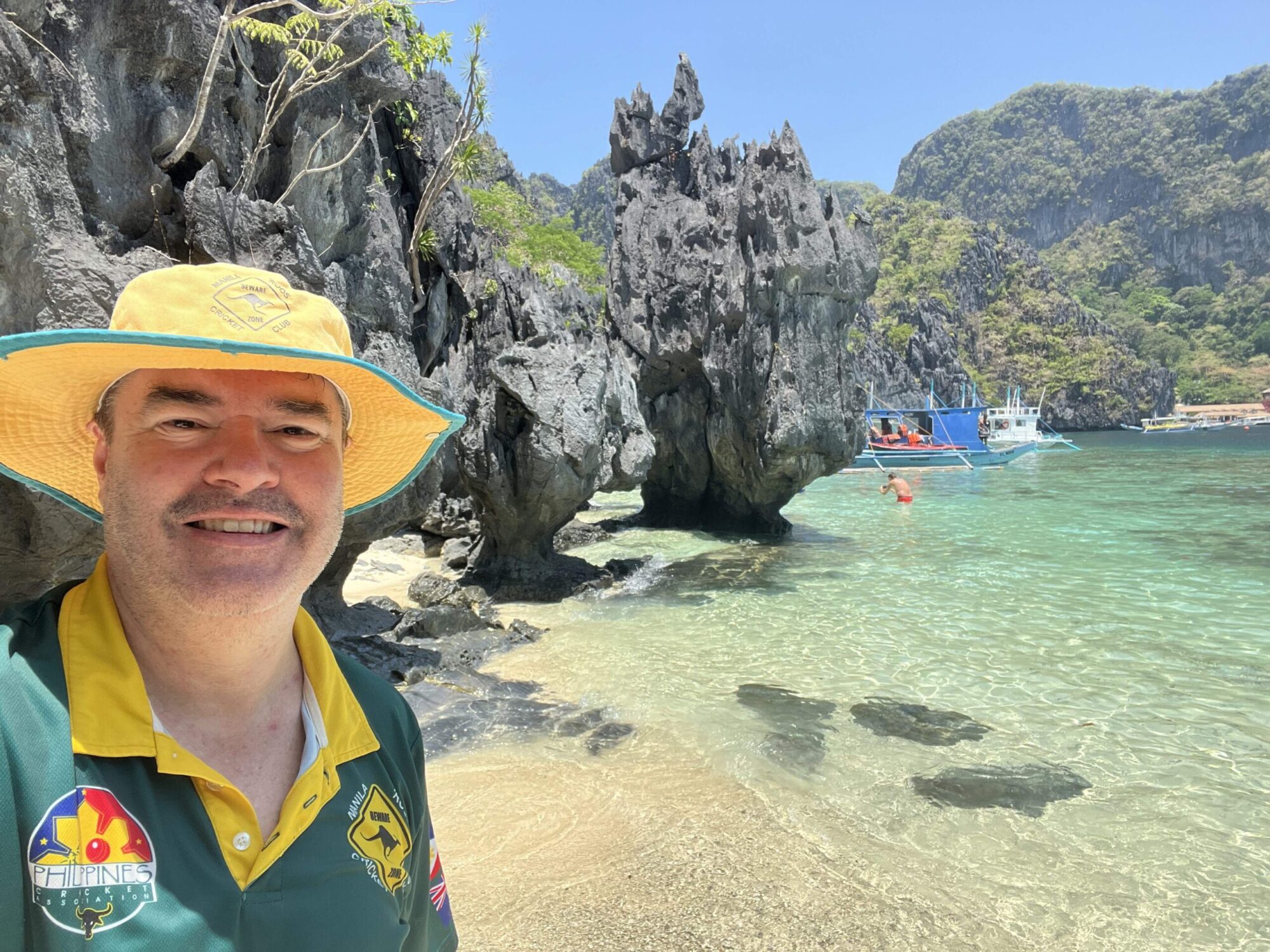
-
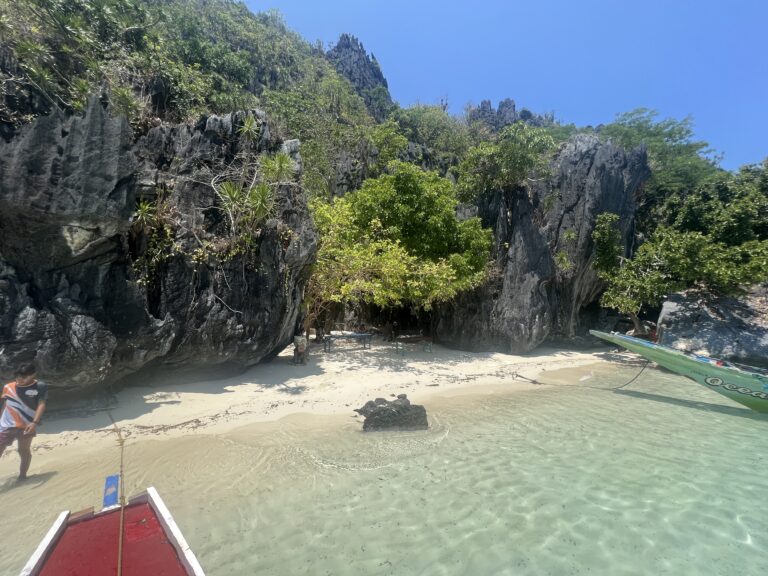
- Payong-Payong Beach
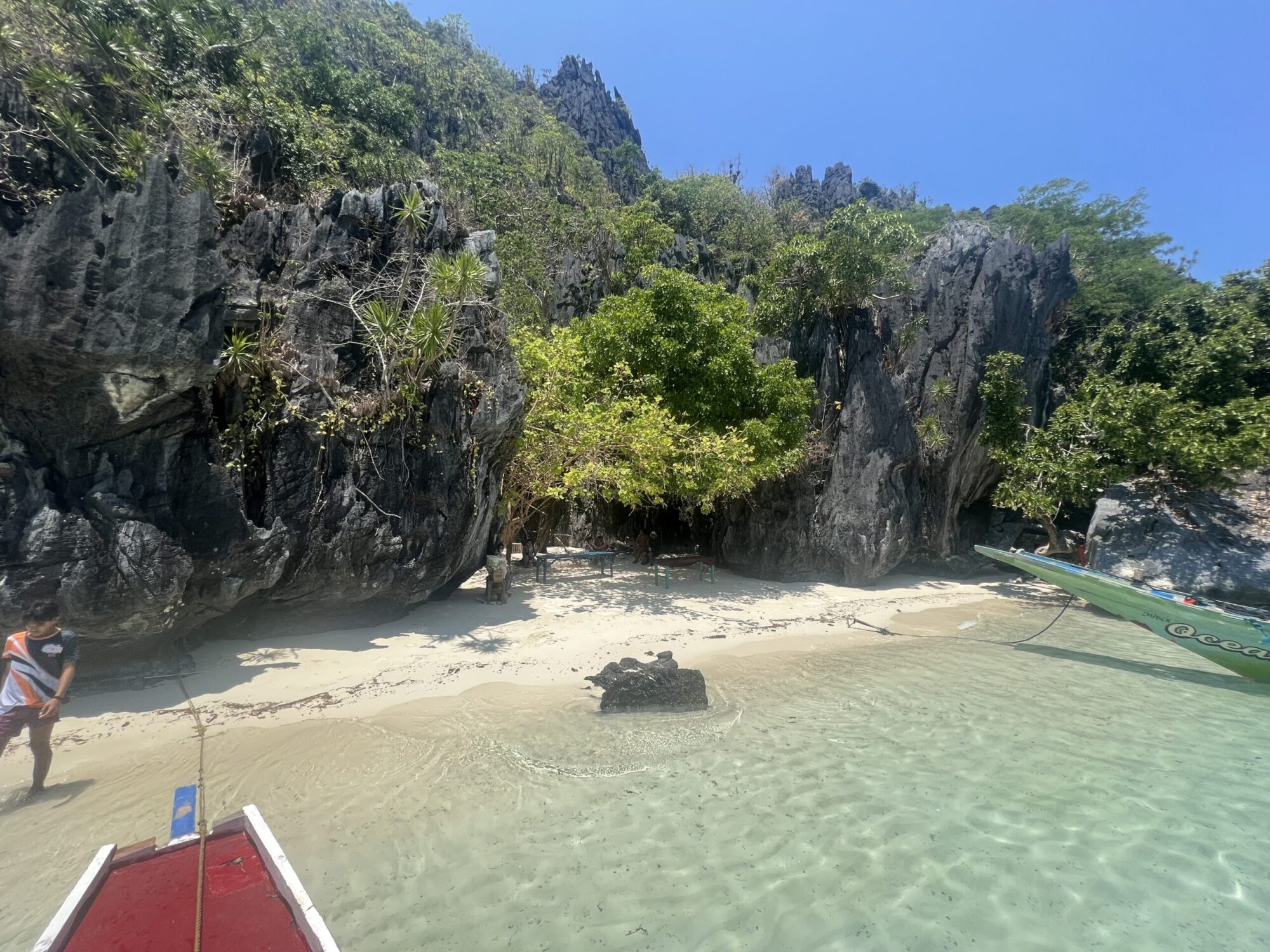
-
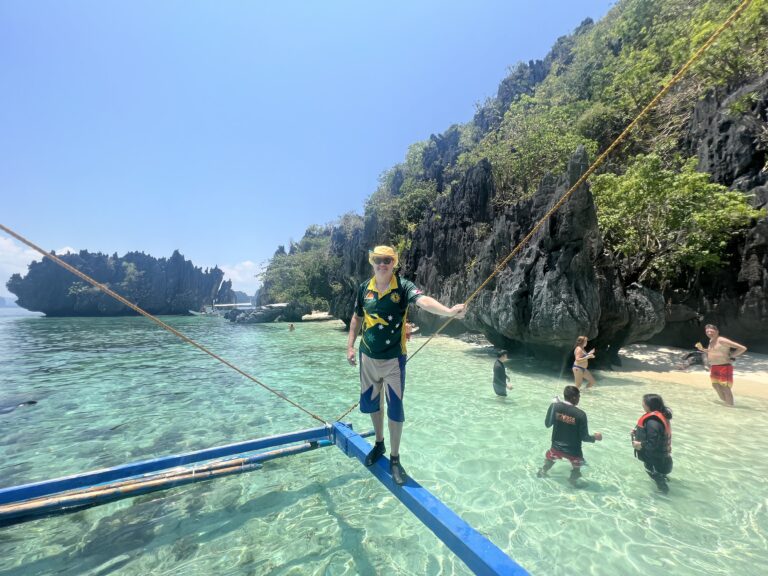
- Payong-Payong Beach
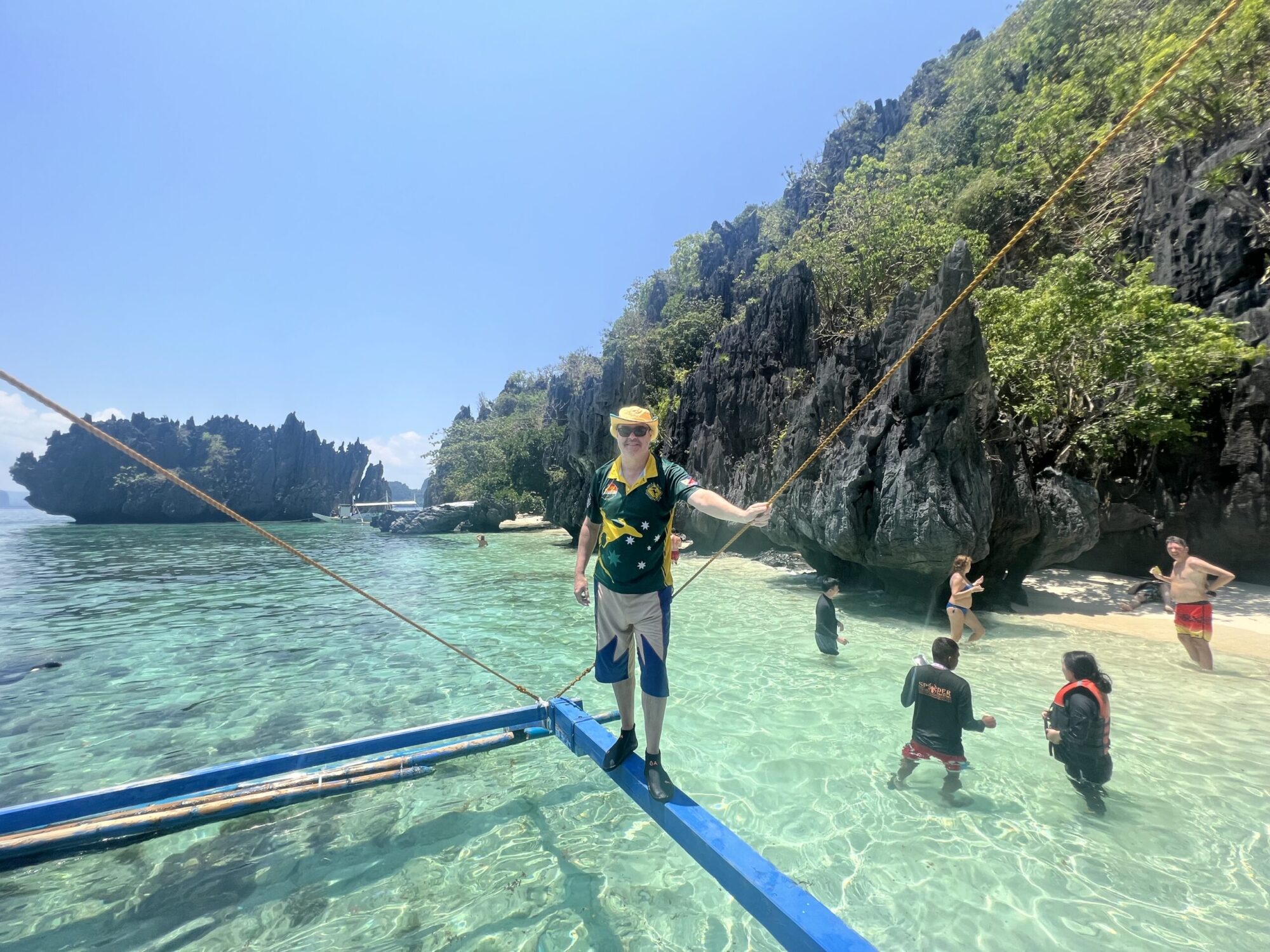
-
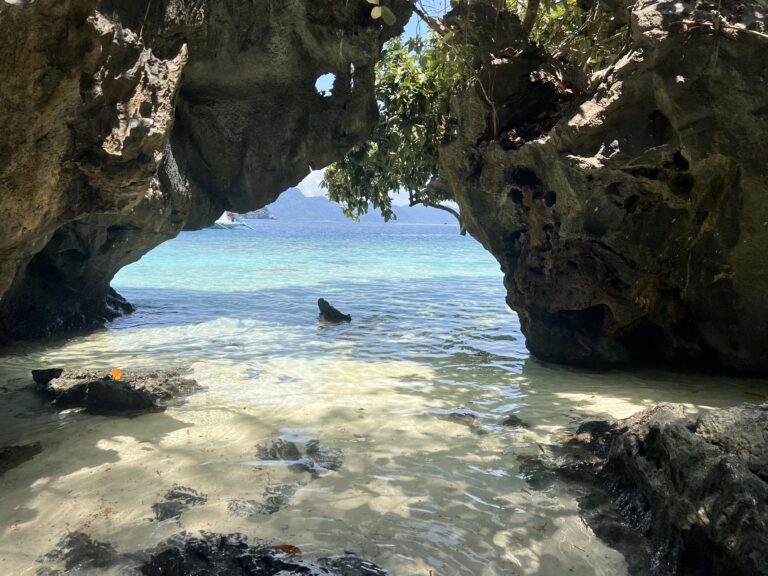
- Payong-Payong Beach
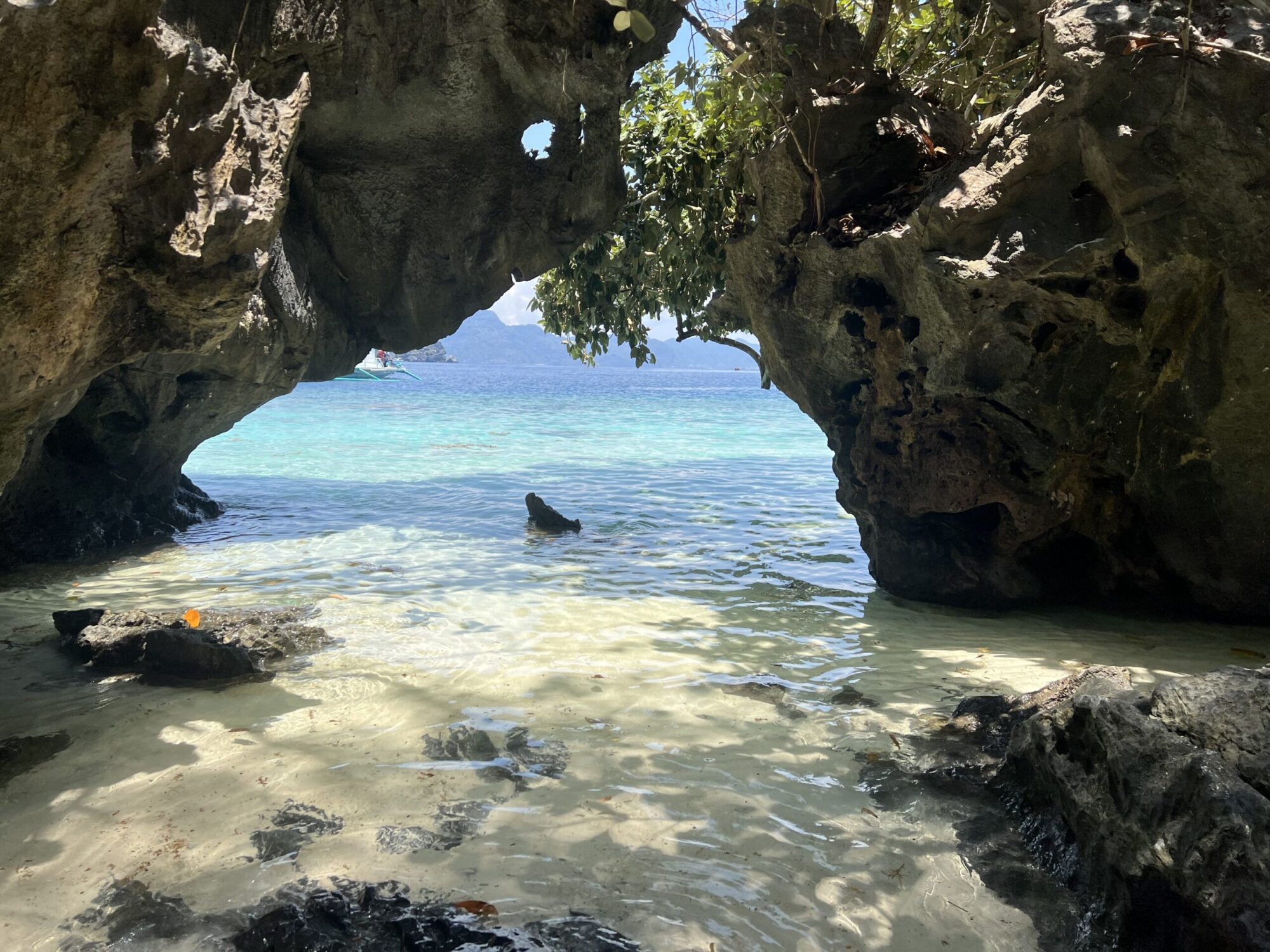
Watch The Full Video
Where to Stay in El Nido
If you’re visiting El Nido for the first time, I’d recommend staying in El Nido town proper, also known as the poblacion.
That’s where all the action is, with plenty of accommodation, restaurants, bars and nightlife within walking distance.
It’s also a great base for organising island-hopping tours and checking out the surrounding area.
If you’re looking for somewhere a bit quieter, Corong-Corong is another option. It’s only around a 10–15-minute tricycle or motorbike ride from El Nido town, depending on traffic and exactly where you’re staying.
It’s got a more relaxed atmosphere, along with some great beachfront restaurants and awesome sunset views.
Where I Stayed
Submariner Diving Centre
I’ve been lucky enough to stay at Submariner Diving Centre, which is owned by a mate of mine.
It’s located on Hama Street in El Nido town, right near the beachfront and within walking distance of pretty much everything.
Over the years, I’ve stayed in different accommodation there, including my mate’s own little cabin and, more recently, one of the renovated guest rooms.
He’s done a lot of work on the place since taking it over, and it’s always been a great base whenever I’ve visited.
And just to be upfront, I did receive a small discount because he’s a mate of mine.
How El Nido Has Changed Over the Years
One thing I’ve noticed from my visits to El Nido is just how much the town has developed.
When I first went there in 2018, it was already a popular tourist destination, but there weren’t nearly as many options as there are now.
These days, you’ve got Italian restaurants, Japanese restaurants, vegetarian-friendly cafés, sports bars, cocktail bars, nightclubs and plenty of other places to eat and drink.
There are also more options for hiring motorbikes, arranging transport and getting out to some of the beaches around El Nido.
Every time I’ve gone back, there seems to be something new.
Looking After El Nido’s Environment
One thing I really like about El Nido is how conscious the local community is about protecting the environment. And that includes the expats living there too.
There are some great local initiatives, including the El Nido Foundation, El Nido Plastic Battle and Green Nido, that have been involved over the years in everything from beach clean-ups to reducing plastic waste.
It’s awesome to see people making a genuine effort to look after the place, particularly with the amount of tourism and development happening.
I’m a massive advocate of this sort of thing. El Nido is such an unbelievably beautiful place, and while tourism and development are important, the last thing I’d want to see is its natural beauty ruined by rubbish, pollution or overdevelopment.
And while the town has certainly changed over the years, it’s encouraging to see people making an effort to protect what makes El Nido so special in the first place.
El Nido or Coron?
Having visited both El Nido and Coron, it’s almost impossible for me to choose a favourite.
Both have unbelievable limestone scenery, beautiful islands and clear water. El Nido probably has a little more variety when it comes to things to see and do, while Coron is particularly famous for its island hopping and wreck diving.
If you have enough time, I’d strongly recommend visiting both. Have a look at my Coron page for more.
How to Get to El Nido
There are a few different ways to get to El Nido, depending on where you’re coming from.
- By air: Fly directly into El Nido’s Lio Airport. Cebgo (the airline that took over AirSWIFT) has flights from Clark and Cebu, but routes change, so check before you book.
- Via Puerto Princesa: Fly to Puerto Princesa and then travel to El Nido by road, usually around five to six hours by van.
- From Coron: Catch a passenger ferry to El Nido, which usually takes around 3.5 to 5 hours, although schedules can change. Have a look at my Coron page for more.
Personally, I’ve flown to El Nido from Clark.
I’d recommend checking the latest transport options before booking, particularly if you’re connecting with another flight or ferry.
Good to Know Before You Go
A few practical tips, especially if it’s your first time visiting the Philippines:
- Environmental fee: Budget for the El Nido environmental fee and the entrance fees at some stops, and keep your receipt handy.
- Cash: Always carry some cash for smaller purchases, transport and tipping.
- Food: Stick to reputable places to eat, particularly if you’ve got a sensitive stomach.
- Drinking water: Take plenty when exploring on your own, particularly on motorbike trips in the heat.
- Plastic waste: Use a refillable water bottle where possible and dispose of rubbish responsibly.
- Aqua shoes: Definitely bring a pair. They’re great for rocky beaches and getting in and out of boats.
- Boat safety: Watch your footing on wet decks and your head under low roofs.
- Medication: Bring some basic supplies for headaches, stomach upsets and other minor problems.
Note: Drinking water is generally provided on organised island-hopping tours, but it’s worth checking what’s included when you book.
Dezza’s Tip
Try to book your first island-hopping tour for your first full day in El Nido.
That way, if the weather turns bad and tours get cancelled, you’ve still got a few days up your sleeve to rearrange things.
And don’t forget to look after your boat crew. These guys work bloody hard, helping people on and off the boats, preparing meals on the beach and making sure everyone has a great day.
Tipping isn’t compulsory, but if they’ve looked after you, I reckon it’s a nice way to show your appreciation.
El Nido FAQs
When is the best time to visit El Nido?
I’d personally recommend March or April, which are generally great months for sunshine, beach time and getting out on the water. Be more cautious about August and September, when the southwest monsoon (the habagat) can bring heavy rain and rough seas. Even in the dry season, boat tours can be cancelled because of rough seas, so stay flexible.
How many days do you need in El Nido?
I’d recommend four to five nights, although you could easily spend a week. There are four main island-hopping tours, and I’d aim to do at least two. Add a day or two for Nacpan Beach, Duli Beach and Corong-Corong, which you can reach by road from El Nido town.
How do you get to El Nido?
You can fly directly into El Nido’s Lio Airport, with flights from Clark and Cebu, although routes change so check before you book. The alternative is to fly to Puerto Princesa and take a van, which usually takes around five to six hours. If you’re coming from Coron, a passenger ferry takes around 3.5 to 5 hours, depending on the schedule.
Should I visit El Nido or Coron?
It’s almost impossible for me to choose a favourite. Both have unbelievable limestone scenery, beautiful islands and clear water. El Nido probably has a little more variety, while Coron is particularly famous for island hopping and wreck diving. If you have enough time, visit both.
You Might Also Like
 CoronFamous for island hopping, lagoons and World War II shipwreck diving.
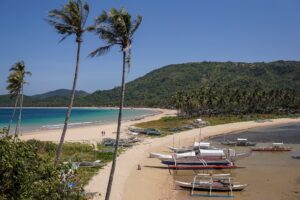 Nacpan BeachA long, palm-lined beach with a relaxed, local feel and one of the best sunsets around El Nido.
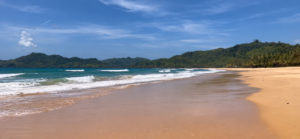 Duli BeachA quiet, open stretch of golden sand that’s well known for its surf.
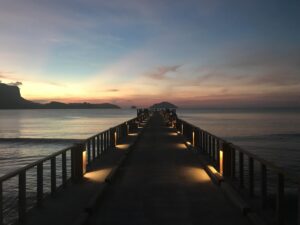 Lio BeachA planned beach estate with restaurants, cafes and a long jetty, ideal for sunset and dinner.
Watch My YouTube Shorts
Where Is El Nido?

Unsubscribe anytime.