


Destinations
Baguio City: The Summer Capital of the Philippines
If you’re looking to experience a completely different side of the Philippines, Baguio City is definitely worth checking out.
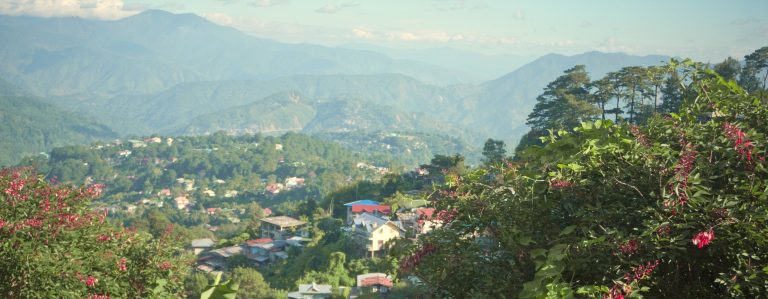
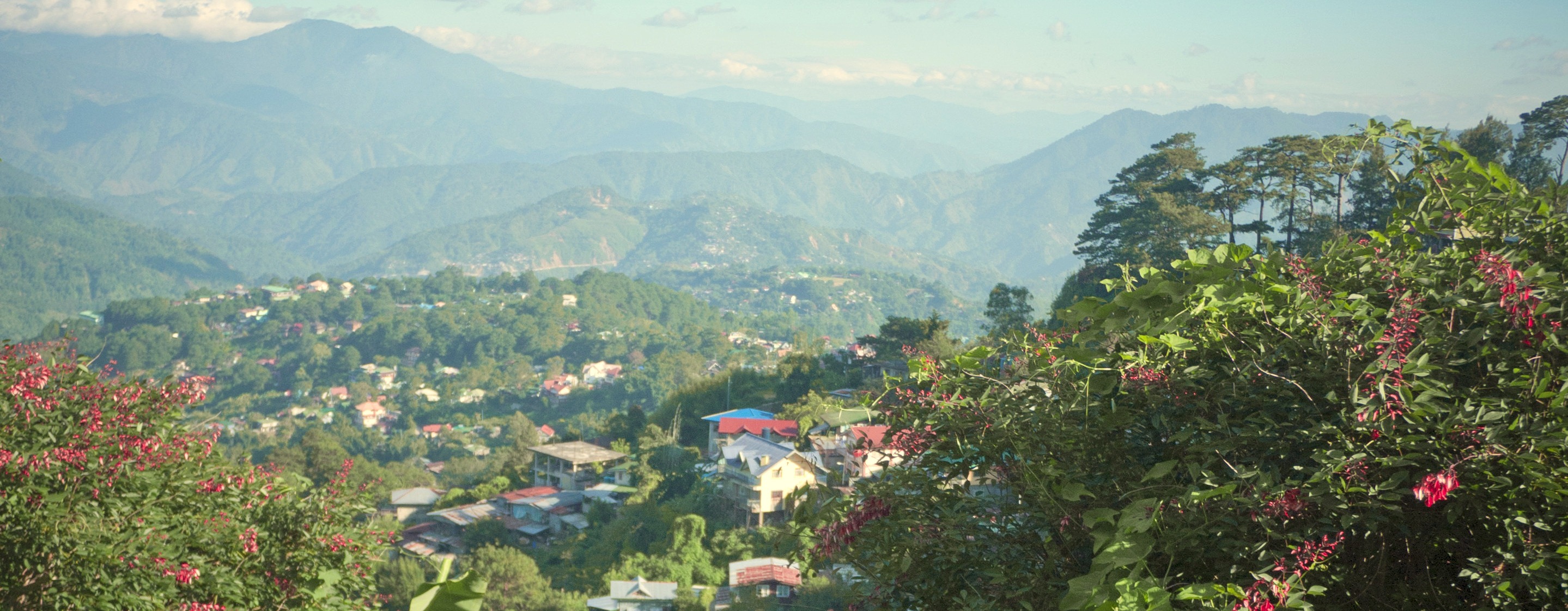
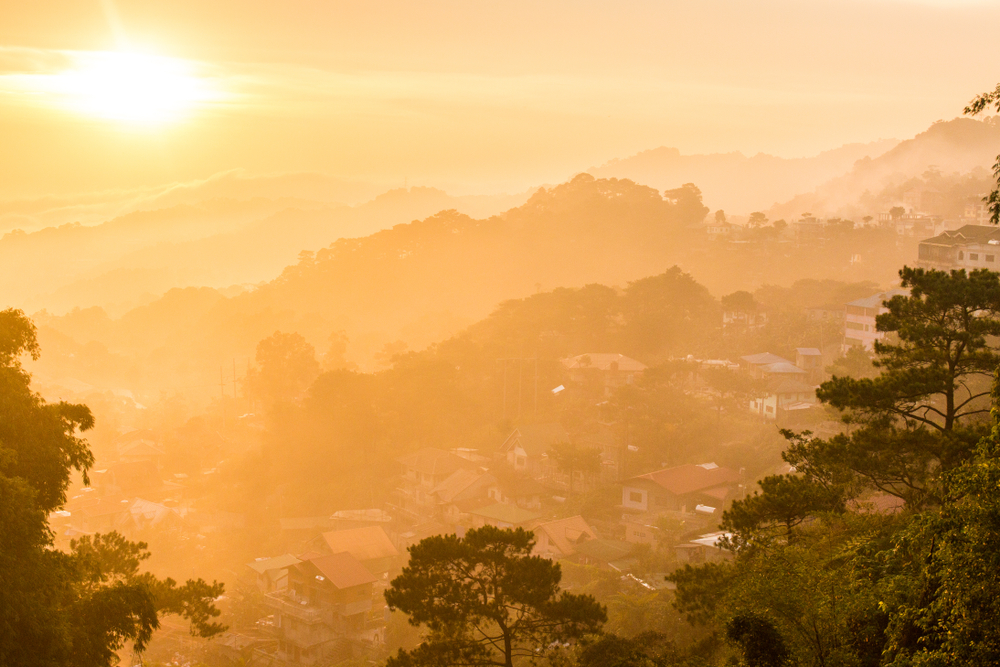
Located high in the mountains of northern Luzon, Baguio sits at an altitude of around 1,540 metres above sea level. It’s surrounded by mountains, pine trees and steep hillsides, making it feel completely different from the tropical beaches and palm trees you normally think about with the Philippines.
Baguio is in Benguet province, about 250 km north of Manila, and roughly five to seven hours by road.
In fact, parts of Baguio actually remind me of the Dandenong Ranges back in my home town of Melbourne.
The air feels fresher, the humidity is noticeably lower, and the cooler temperatures are a welcome change from the heat of the lowlands.
It’s easy to see why Baguio has earned the nickname “The Summer Capital of the Philippines.”
-
- Baguio City
-
- Baguio City at sunrise
When Is the Best Time to Visit Baguio?
Unlike beach destinations, Baguio is somewhere you can enjoy throughout the year, although the weather is still worth considering.
The Philippine summer months of March, April and May are particularly popular because people head up into the mountains to escape the heat.
However, the best time to visit really depends on what you’re looking for.
If you’re coming from somewhere with a cooler climate, you might prefer spending your Philippine holiday somewhere warm and tropical.
On the other hand, if you’re looking to escape the heat and humidity, Baguio is a great option.
Just remember that Baguio can get pretty busy during weekends, public holidays and school holidays.
If you’re visiting during the wetter months, be prepared for rain and fog, particularly around the mountain roads.
Panagbenga Flower Festival
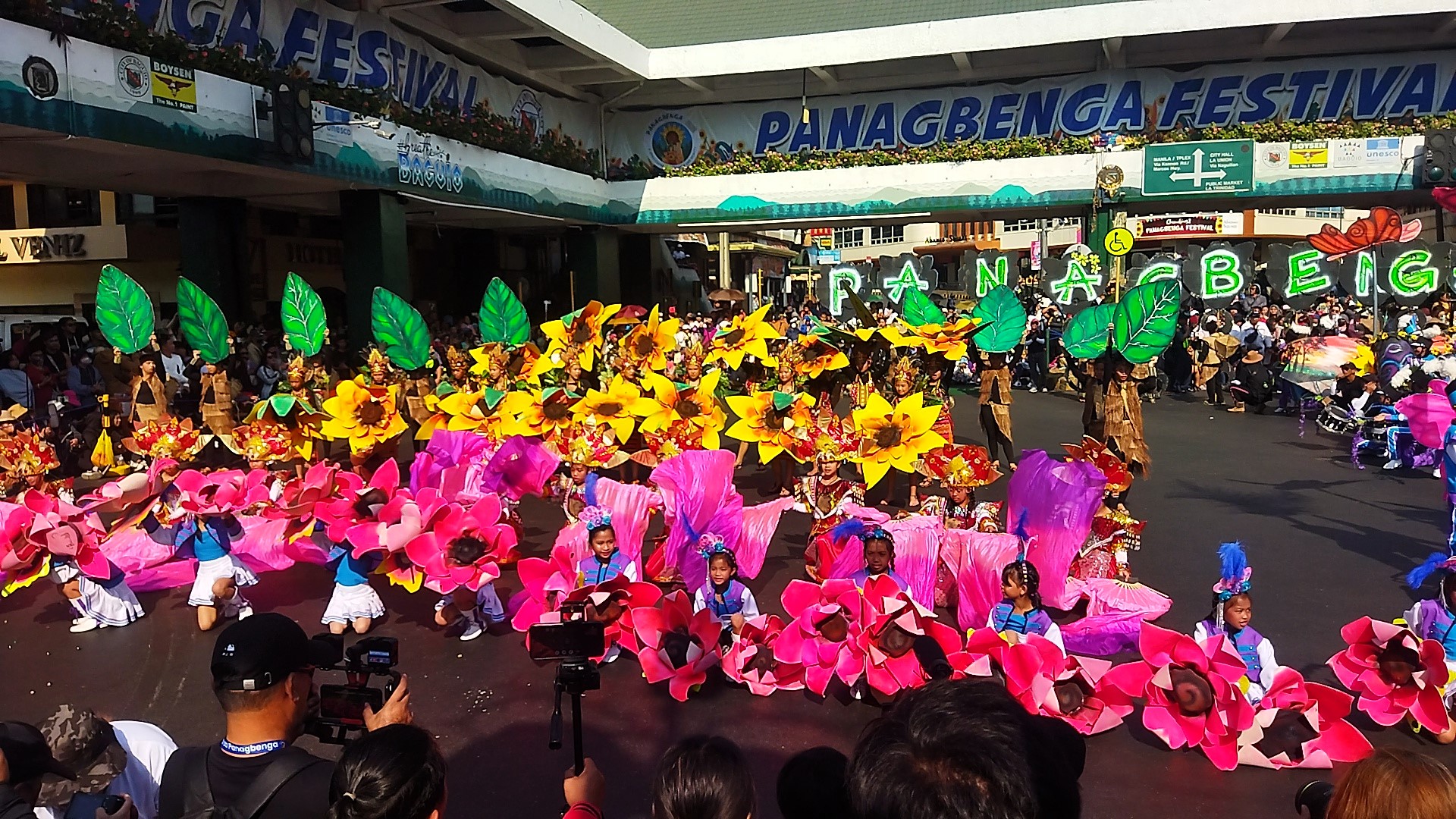
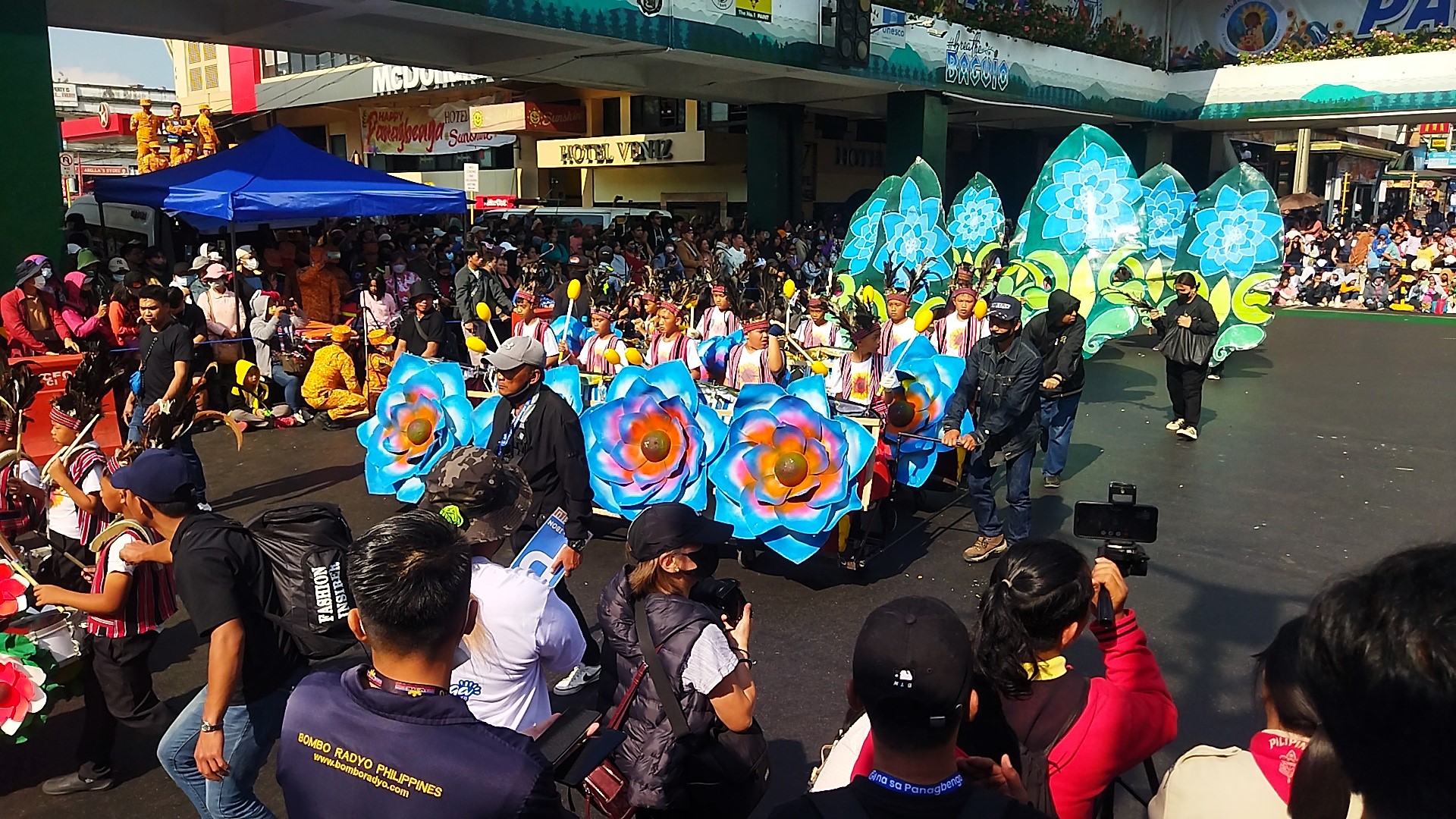
Another popular time to visit Baguio is February, when the city celebrates the annual Panagbenga Flower Festival.
It’s a month-long celebration featuring colourful flower displays, street dancing, parades and other activities.
I haven’t personally been to the festival, but it certainly looks like something worth checking out.
Just keep in mind that if you’re not a fan of crowds, February might not be the best time to visit.
-
- Panagbenga Festival
-
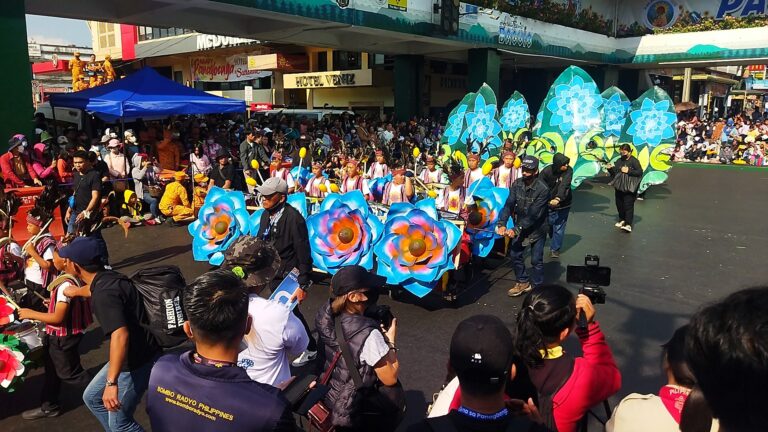
- Panagbenga Festival
How Many Days Should You Spend in Baguio?
I’d recommend two to three nights if you’re planning to spend some time exploring Baguio and the surrounding area.
That should give you enough time to check out a few attractions, enjoy the cooler weather and explore the city without rushing around.
However, if you’re travelling further north into the Cordillera region, Baguio also makes a great overnight stop.
You could easily spend a night there before continuing your journey to other mountain destinations, such as Banaue (see also our Cordillera Region guide).
Things to Do in Baguio
Baguio has quite a few interesting places to check out, both within the city and in the surrounding mountains.
Here are some of the better-known attractions:
- Camp John Hay: A beautiful mountain setting with pine trees, accommodation and an 18-hole golf course.
- Burnham Park: A popular city park featuring a man-made lake and plenty of recreational activities.
- Mines View Park: A well-known lookout offering views across the surrounding mountains.
- Baguio Cathedral: One of the city’s most recognisable landmarks.
- The Mansion: The official summer residence of the Philippine president.
- La Trinidad Strawberry Farm: A popular attraction just outside Baguio where you can check out the local strawberry farms.
I visited the strawberry-growing area in La Trinidad and also stopped at some of the mountain viewpoints around Baguio.
The views across the surrounding mountains are pretty impressive, and it’s quite an experience seeing how the houses, restaurants and other buildings are constructed on such steep hillsides.
Some of the houses almost look like they’re hanging off the side of the mountains!
-
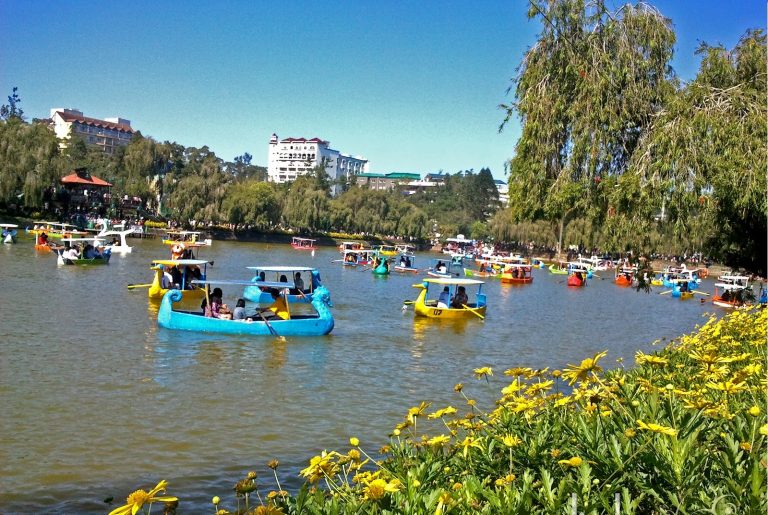
- Paddle boats on the lake at Burnham Park

-
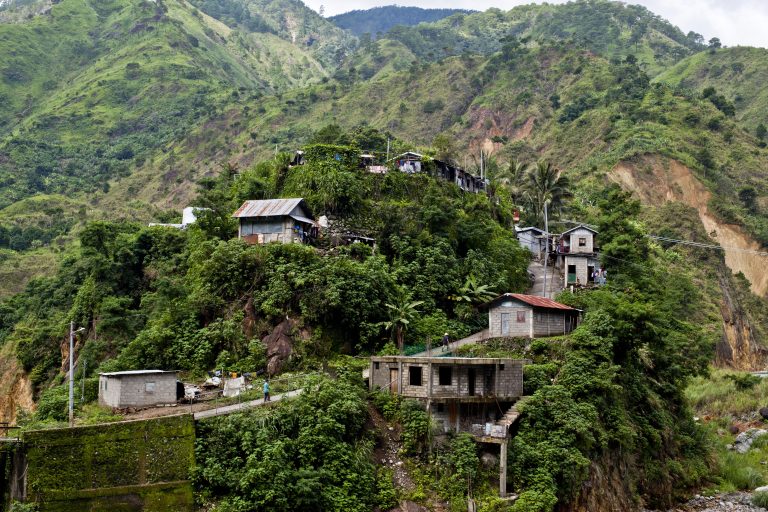
- Outskirts of Baguio City
Where to Stay in Baguio
If you’re visiting Baguio for the first time, staying around the city centre is a convenient option, particularly if you want easy access to restaurants, shops and local attractions.
If you’re looking for somewhere a little quieter, with more of that mountain-retreat atmosphere, Camp John Hay is another great option.
Where I Stayed: The Manor at Camp John Hay
One of the highlights of my visit to Baguio was staying at The Manor at Camp John Hay.
It’s a beautiful mountain resort surrounded by pine trees, with a distinctive lodge-style atmosphere that makes it feel quite different from your typical Philippine hotel.
The whole place has a bit of that mountain-retreat feel about it, which I really enjoyed.
Camp John Hay is also home to an 18-hole golf course, and from what I saw, it looked absolutely fantastic.
Unfortunately, I didn’t get the chance to play a round, which was a bit disappointing.
If you’re looking for somewhere a little special to stay in Baguio, The Manor is definitely worth checking out. These days it’s listed online as John Hay Hotels Garden Wing (formerly The Manor at Camp John Hay), so search for both names when you’re booking.
-
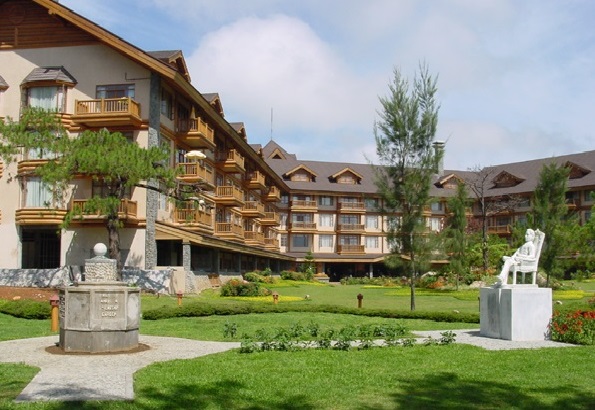
- The Manor at Camp John Hay
-
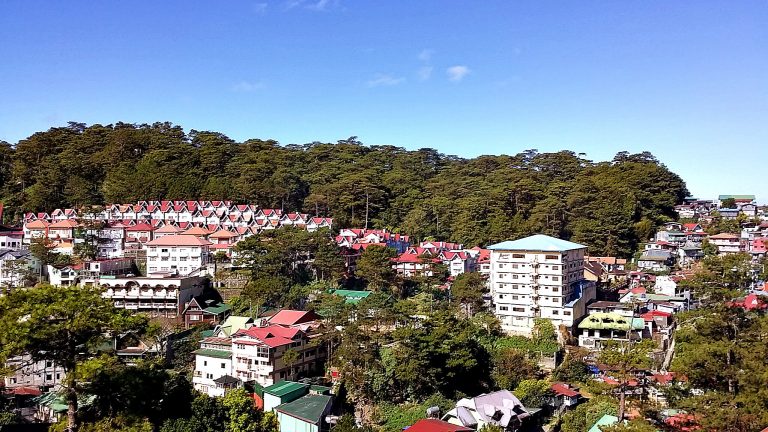
- Baguio City Centre

What Makes Baguio Different?
For me, it’s the combination of the cooler climate, mountain scenery and the overall atmosphere of the place.
You’ve got pine trees instead of palm trees, steep winding roads instead of flat coastal highways, and buildings tucked into hillsides wherever you look.
There’s also a distinct Cordilleran cultural influence that gives Baguio a different feel from many other Philippine cities.
Despite being a major city, parts of Baguio still have that mountain-town atmosphere, particularly around the greener areas.
It’s certainly a different experience from visiting places like Boracay, Palawan or the other tropical destinations the Philippines is famous for.
How to Get to Baguio
Baguio is located roughly 250 kilometres north of Metro Manila, and the easiest way to get there is by road.
- By bus from Manila: Victory Liner and Genesis Transport (JoyBus) operate services from major terminals, including Cubao and Pasay. Allow around five to seven hours, depending on traffic.
- By private car or van: You can hire a vehicle with a driver from Manila. This is a great option for families or small groups, particularly if you split the cost. Klook and Daytrip are good places to start looking.
- From Clark Airport: Genesis Transport operates direct bus services to Baguio, including JoyBus. Allow around three to four hours, depending on traffic.
The drive up into the mountains is an experience in itself, with winding roads, steep climbs and some pretty impressive scenery along the way.
If you’re hiring a private vehicle, make sure you check what’s included in the quote, particularly fuel, tolls and any additional stops.
And as always, check the latest transport arrangements before travelling, especially during weekends and public holidays.
Good to Know Before You Go
- Bring a jacket: Evenings can get surprisingly cool, particularly during the colder months.
- Expect traffic: Weekends, holidays and festival periods can get pretty busy.
- Wear comfortable shoes: Baguio is hilly, and some streets are surprisingly steep.
- Check the weather: Rain and fog can affect visibility, particularly on mountain roads.
- Allow extra travel time: Mountain roads and traffic can make journeys longer than expected.
Dezza’s Tip
If you’re heading to Baguio, make sure you allow some time to get out of the city centre and check out the surrounding mountains.
For me, that’s one of the best things about the place. The cooler air, pine trees and mountain views are what make Baguio so different from most other Philippine destinations.
And if you’ve got the time, I’d definitely recommend checking out the strawberry farms around La Trinidad.
Baguio FAQs
When is the best time to visit Baguio?
Baguio works all year round, but March to May is the most popular because people head up from the lowlands to escape the heat. February brings the Panagbenga Flower Festival, which means colour and crowds. The wetter months bring rain and fog, particularly on the mountain roads, and weekends, public holidays and school holidays get busy.
How many days do you need in Baguio?
I’d recommend two to three nights if you want to see a few attractions and enjoy the cooler weather without rushing. Baguio also makes a great overnight stop if you’re heading further north into the Cordillera, for example on the way to Banaue.
How do you get to Baguio from Manila?
The easiest way is by road. Baguio is about 250 km north of Manila, and the bus takes roughly five to seven hours depending on traffic. Victory Liner and Genesis Transport (JoyBus) run services from Cubao and Pasay, or you can hire a private car or van with a driver. From Clark Airport, allow around three to four hours by bus.
What is Baguio like compared with the rest of the Philippines?
Completely different. At around 1,540 metres above sea level, it’s all pine trees, steep hillsides and cool mountain air rather than beaches and palm trees. The humidity is noticeably lower, which is a big part of why it’s called the Summer Capital of the Philippines.
You Might Also Like
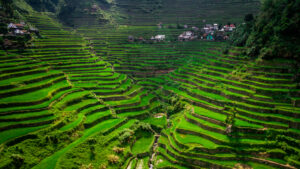 Banaue Rice TerracesAncient terraces, mountain villages and Ifugao culture in the Cordillera.
 BoholThe Chocolate Hills, tarsiers, the Loboc River and white sand beaches on Panglao.
 El NidoLimestone cliffs, lagoons and island hopping in northern Palawan.
 BoracayPowdery white sand, great sunsets and island hopping in the Visayas.