



Destinations
Intramuros Manila: If These Walls Could Talk
If you’re visiting Manila and want to see something a bit different from the usual shopping malls, skyscrapers and traffic, check out Intramuros.
It’s the old Spanish walled city, right in the heart of Manila, and it’s one of those places that gives you a completely different perspective on the Philippines.
I’ve been to Intramuros more times than I can remember. In fact, I was there again in April 2026 with my cousin and her family, and they were blown away by it.
Now, don’t expect anything too spectacular just by looking at the place. At the end of the day, it’s an old Spanish fort with some historic buildings, churches and cobblestone streets.
What makes Intramuros fascinating is the history behind it. And believe me, there’s plenty of it.
Best Time to Visit Intramuros
It’s Manila, so you can visit any time of year. December to February is generally more comfortable for walking around, while March to May can get bloody hot.
The rainy season can be a bit unpredictable, but unless there’s a serious downpour, there’s no reason you can’t visit.
My advice? Go in the morning before it gets too hot. You’ll enjoy it a lot more.
Things to Do in Intramuros
Fort Santiago
Fort Santiago is probably the main attraction, and it’s definitely worth visiting.
Built by the Spanish in the late 1500s, the fort was originally designed to protect Manila from foreign attacks. Over the centuries, it’s seen just about everything, including Spanish colonial rule, the Philippine Revolution and the Second World War.
One of the things that really struck me was seeing the old prison areas and learning about what happened here during the Japanese occupation. It’s pretty confronting when you realise how many people suffered and lost their lives. It certainly puts a few things into perspective.
There’s a small entrance fee, usually only a couple of US dollars or less. Well worth it.
-

- Fort Santiago gate
-

- Plaza Moriones
José Rizal Shrine
Inside Fort Santiago, there’s a museum dedicated to José Rizal, the Philippine national hero.
Rizal was thrown in jail here before being executed by the Spanish in 1896. You can learn about his life, his writings and the events leading up to his execution. There’s also a trail of bronze footsteps representing his final walk from Fort Santiago towards what is now Rizal Park.
I found this particularly interesting. Learning about Rizal helped me understand a lot more about Filipino history and why he’s such an important figure in the country.
Manila Cathedral
Manila Cathedral is another place worth checking out, especially when you learn about its history.
The original cathedral dates back to 1581, and the current building is actually the eighth cathedral constructed on the site. Previous versions were destroyed by earthquakes, fires and the Second World War.
I found that fascinating. Imagine building something, having it destroyed, rebuilding it and then going through the whole bloody process again. The cathedral you see today was completed in 1958.
-
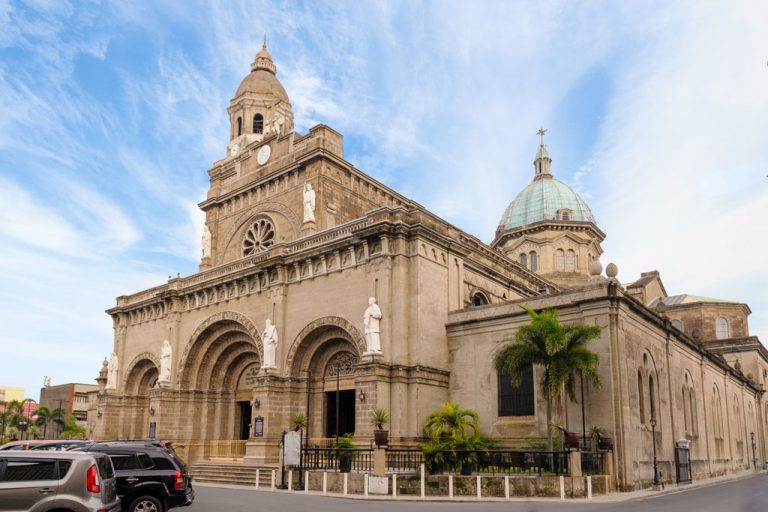
- Manila Cathedral
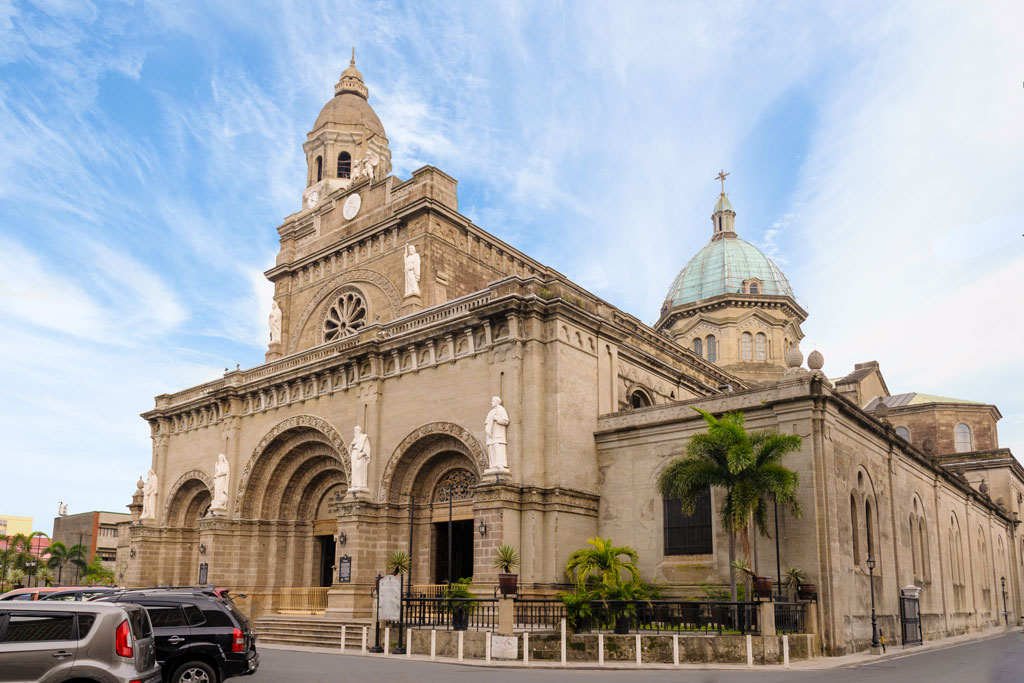
San Agustin Church
San Agustin Church is the oldest surviving stone church in the Philippines, completed in 1607.
It’s also a UNESCO World Heritage Site and one of the few major buildings in Intramuros that survived the destruction of the Second World War. That in itself is pretty amazing. It’s worth having a look inside, particularly if you’re interested in old architecture and religious history.
Casa Manila
Casa Manila was another highlight for me. It’s a museum that recreates what life was like for a wealthy family during the Spanish colonial period.
What I found really interesting was the layout of the house, the furniture, the construction materials and how everything was designed back then. It also gives you an insight into the social inequalities between wealthy families and ordinary Filipinos during Spanish rule. Walking through the place really is like stepping back in time.
There’s a small entrance fee here as well, again only a couple of US dollars or less.
-

- Casa Manila
The Old Streets and Spanish Architecture
One of the things I love about Intramuros is just wandering around. You’ve got these old cobblestone streets, Spanish colonial buildings, stone walls and horse-drawn carriages called kalesas. It almost feels like you’re somewhere else entirely.
When most people think about the Philippines, they picture beaches, palm trees and tropical islands. You don’t necessarily think about a centuries-old Spanish walled city sitting right in the middle of Manila. That’s what makes it so different.
-

- Gen. Luna Street
My Intramuros Walking Tour Experience
Now, this is where Intramuros really gets interesting.
My first proper introduction to the place was through a walking tour with a bloke called Carlos Celdran. Carlos was a Filipino artist and cultural activist who ran a walking tour called If These Walls Could Talk.
And what a bloody good name for a tour, because that’s essentially what he did. He brought the walls to life.
Rather than just pointing at buildings and telling everyone when they were built, Carlos explained the stories behind them. He was incredibly knowledgeable, entertaining and knew how to make history interesting.
I actually did his tour twice, taking different visitors along. From memory, the shorter tour took a couple of hours, while the longer one went further through Intramuros, including San Agustin Church and Casa Manila.
What really struck me was how much I learnt about the Philippines. I’d been living here for a while, but there was so much I didn’t know about Spanish colonisation, the Second World War and the role Manila played in the country’s history.
I ended up doing quite a bit of my own research afterwards, particularly about the war and the Philippines’ connection to Australia’s defence in the Pacific. It genuinely changed my perspective on the country and gave me a much deeper appreciation of what Filipinos have been through.
Carlos even gave me some inspiration for what I do with Deztreks. He showed me how much more interesting a destination becomes when you understand the stories behind it.
Sadly, Carlos passed away in 2019, so his original tours are no longer available. However, I’d still strongly recommend doing a guided walking tour of Intramuros. Without a guide, you might just be looking at an old wall. With someone explaining the history, that same wall becomes something completely different.
Intramuros and the Second World War
One thing that really opened my eyes was learning just how badly Manila suffered during the Second World War.
Much of Intramuros was totally destroyed during the Battle of Manila in 1945, when American and Filipino forces fought to liberate the city from Japanese occupation. The fighting was devastating, with thousands of civilians killed and much of the old city left in ruins.
Seeing the remains of Fort Santiago and learning about what happened there was pretty mind-blowing. It also made me appreciate just how much the Philippines and its people have been through.
Where to Eat: Ilustrado Restaurant
If you’re looking for somewhere special to have lunch after exploring Intramuros, I’d definitely recommend Ilustrado Restaurant. I’ve eaten here before, and the food was absolutely sensational.
It’s a well-known Filipino-Spanish restaurant that’s been around since 1989, tucked away in a beautiful old-world setting with traditional architecture, stonework and a lovely garden courtyard. The whole place has that Spanish colonial feel, which makes it a perfect fit for Intramuros.
It’s not your typical cheap-and-cheerful Filipino restaurant, but if you want a really good meal somewhere with a bit of character, it’s well worth checking out. You can find it on Cabildo Street, near the corner of Recoletos Street, within Intramuros.
How Long Do You Need in Intramuros?
Half a day is plenty for most people. Allow around three to four hours if you’re doing a walking tour and visiting the main attractions. If you’re particularly interested in history, you could easily spend longer.
You can also combine Intramuros with other nearby attractions:
- Rizal Park: Just outside Intramuros, and another important part of Philippine history.
- Binondo: Manila’s historic Chinatown and a great place to grab something to eat.
- Manila Ocean Park: Worth checking out, particularly if you’re travelling with kids.
- Manila Bay: A good spot to finish the day and catch the sunset.
I’d probably do Intramuros in the morning, grab lunch at Ilustrado and then check out somewhere else in Old Manila during the afternoon.
Where to Stay
You don’t really need to stay in Intramuros itself. If you’re visiting Manila for a few days, Ermita and the Manila Bay area are convenient places to base yourself, especially if you’re interested in exploring the older parts of the city. There are plenty of hotels around, ranging from budget accommodation to more comfortable options.
You could also check out Hotel H2O at Manila Ocean Park, particularly if you’re travelling with the family. Otherwise, if you’re staying in Makati or BGC, Intramuros is an easy enough day trip.
How to Get to Intramuros
Intramuros is in the City of Manila, next to Rizal Park and not far from Manila Bay.
From Makati or BGC, I’d recommend taking a Grab or taxi. Depending on traffic, you’re probably looking at anywhere from 30 minutes to well over an hour. From NAIA airport, it’s also easiest to take a Grab or taxi. Allow around 30 to 75 minutes, depending on traffic.
Once you’re there, everything is reasonably close together, so walking is the way to go.
Good to Know Before You Go
- Wear comfortable shoes. Some of the old cobblestone streets are pretty uneven.
- Bring water and sunscreen. Walking around Manila in the heat can be exhausting.
- Check museum opening hours, particularly on Mondays when some attractions are closed.
- Bring some cash for entrance fees, drinks and smaller vendors.
- Agree on the price first if you’re taking a kalesa ride.
Dezza’s Tip
Do yourself a favour and book a guided walking tour.
I’ve been to Intramuros plenty of times, and I know enough about the place these days to show visitors around myself. However, nothing beats having someone who really knows the history explain what you’re looking at.
Carlos Celdran’s tours were a real eye-opener for me, and they’re still among my favourite experiences in Manila. Intramuros might not look particularly spectacular at first glance, but once you understand what’s happened behind those walls, you’ll see it in a completely different light.
If you’re interested in learning about the Philippines beyond its beaches and islands, this is one place I’d definitely recommend.
You Might Also Like
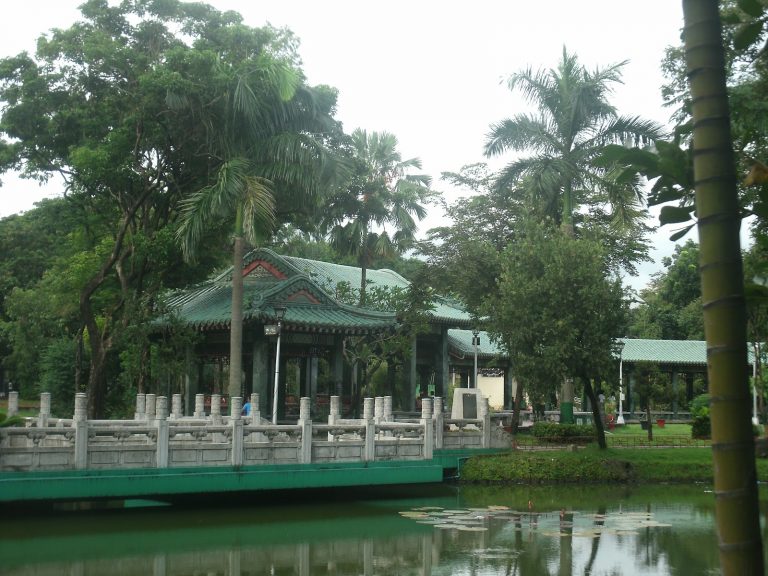 Rizal ParkGardens, monuments and history right next door.
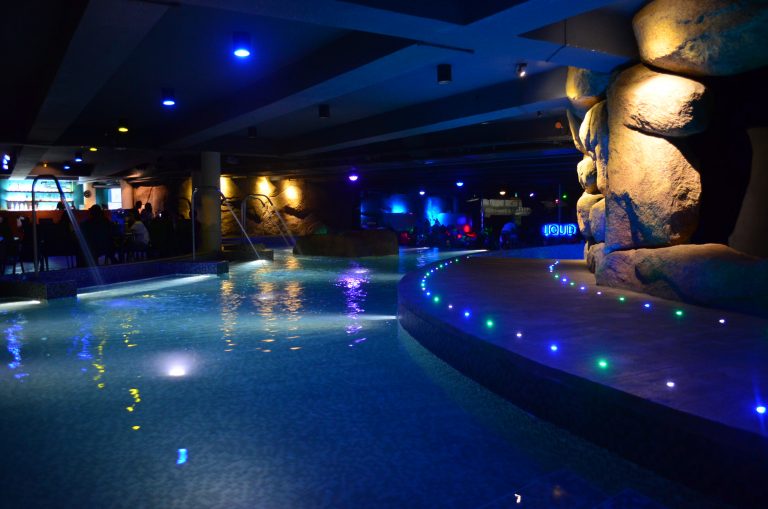 Manila Ocean ParkMarine exhibits and activities, good with the kids.
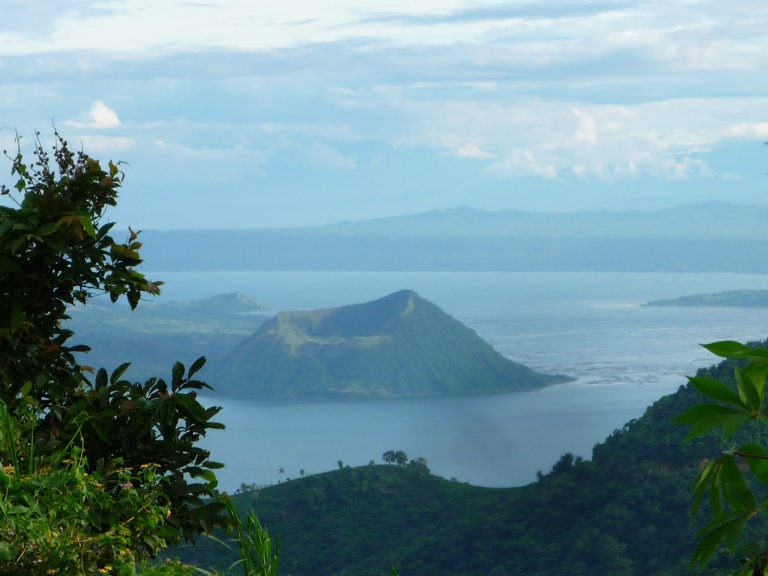 Taal VolcanoA volcano inside a lake, a day trip south of Manila.
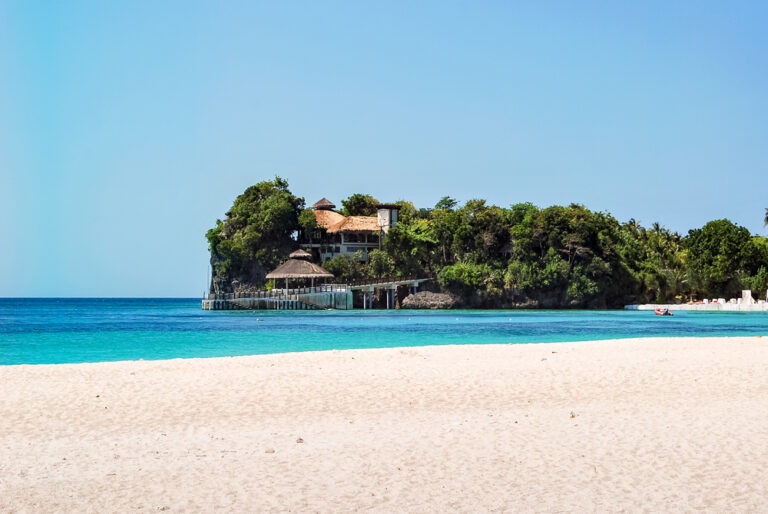 Puerto GaleraBeaches and diving in Oriental Mindoro.
Where Is Intramuros?