

Eighth Wonder of the World
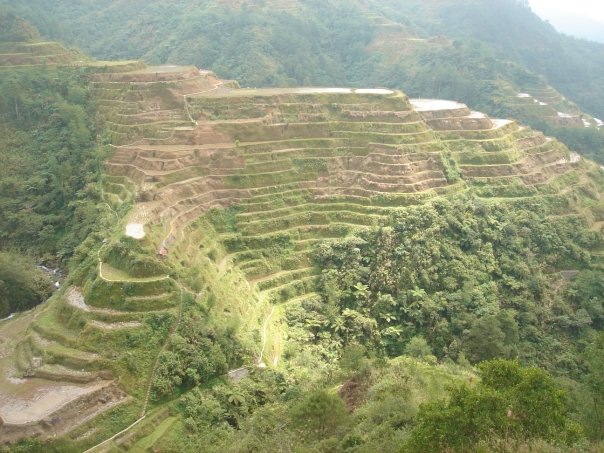
Banaue is a fourth class municipality in the province of Ifugao. What makes the place so famous is that it is home to a UNESCO World Heritage Site, the Banaue Rice Terraces.
The 2000-year old terraces were carved into the mountains of Ifugao by ancestors of the indigenous people. They did this using the most primitive tools known to man.
The Rice Terraces are commonly referred to by Filipinos as the “Eighth Wonder of the World”. They range in height from 3,300 to 4,500 feet above sea level.
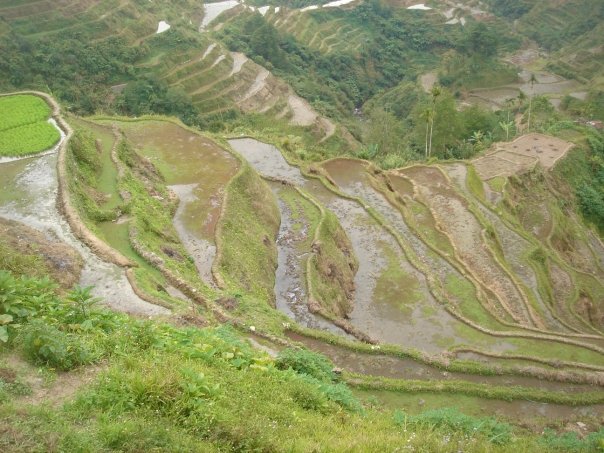
The mountain springs and streams supply the irrigation and are an engineering marvel. This has then been channelled into downhill canals, which in turn, supply water to the rice terraces and then retain it.
One of the main water sources for the rice terraces is Mt Amuyao in Mountain Province, which at 2,702 MASL, is the highest peak in Mountain Province and is in the top ten highest mountains in the Philippines.
Rice Terraces That Defy Belief
There are several groups of these terraces, but it’s the Batad and Bangaan Rice Terraces that carry the UNESCO listing.
Unfortunately, due to earthquakes and drought, the condition of the rice terraces in some areas has deteriorated. So much so that some Ifugao families have actually abandoned their land and moved to lower ground in search of soil that produces higher yielding rice.
When standing in awe of these unbelievable structures, you will find yourself lost for words. No matter how high or low you are, how remote you are, no matter how rugged or inhospitable the mountains are, you will still see rice terraces as far as the eye can see. They truly stand as a marvel of human ingenuity.
Although its Banaue that has the higher profile for rice terraces, they can be found all across the Cordillera region, most notably, Benguet.
Dezza’s Tip: there’s no ATM in either Banaue or Batad, and card payment is unreliable even where it’s technically offered. Bring enough cash for your whole stay before you leave Manila or Baguio.
Things To Do In Banaue and Batad
- Banaue Viewpoint: the easy, classic shot, minutes from Banaue town by tricycle
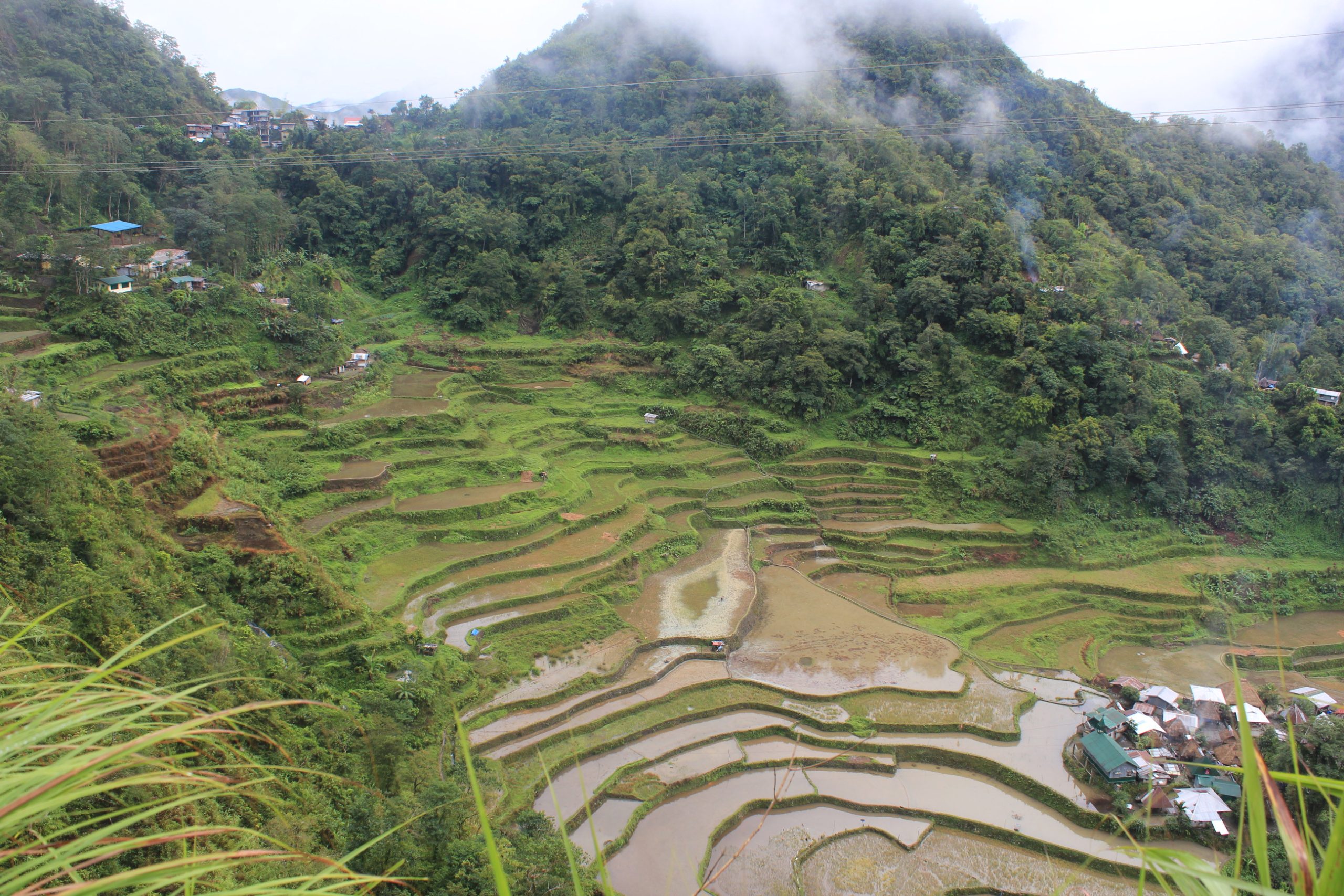
- Batad amphitheater: the full natural terrace bowl, reached by a walk in from Batad Saddle
- Tappiya Waterfall: about an hour’s walk downhill from the Batad guesthouses, with a swimmable pool at the bottom. The walk back up is the real workout, so pace yourself
- Awa View Deck: a steep but short climb above Batad village for a different angle on the amphitheater
- Bangaan Rice Terraces: a quieter alternative, 30 minutes from Banaue town by jeepney, with river swimming, and one of the two terrace groups that actually carries the UNESCO listing alongside Batad
- Batad-Cambulo-Pula multi-day hike: for anyone with two extra days and decent fitness, this trail links Batad to two smaller Ifugao settlements and back out near Banaue. Hire a local guide for this one, the rice-field paths are easy to lose
Sample 3-Day Banaue & Batad Itinerary
Day 1: Overnight bus and Banaue town
Take the overnight bus from Manila (Cubao terminal), departing around 9 to 10pm and arriving Banaue roughly 9 hours later, early the next morning. Check in, register and pay the environmental fee at the tourism office, then rest. In the afternoon, tricycle up to Banaue Viewpoint for your first look at the terraces, and catch the sunset from there if the weather’s clear.
Day 2: Into Batad
Head to the Banaue market in the morning to catch the jeepney to Batad if one’s running that day (schedules are informal, so ask locally), or take a tricycle to Batad Saddle. Walk the last twenty to thirty minutes down into the village, pay the environmental fee at the entrance, and check into your guesthouse. Spend the afternoon at the amphitheater viewpoint and, if you’ve got the legs for it after the walk in, the hike down to Tappiya Waterfall for a swim.
Day 3: Awa View Deck and back to Banaue
Morning climb to Awa View Deck for a different angle on the terraces, then walk back out to the road and jeepney or tricycle back to Banaue town. If your bus back to Manila departs that evening (buses leave Banaue around 6 to 7pm), you’ll have most of the day free first. Otherwise, spend a second night in Banaue and depart the next day.
Got two extra days? Swap Day 3 for the start of the Batad-Cambulo-Pula hike instead, and add a day back in Banaue at the end.
Budget Breakdown: Getting There and Entrance Fees
Verified current fees as of 2026:
| Item | Cost |
|---|---|
| Ohayami Trans overnight bus, Manila (Cubao) to Banaue | ₱910 to ₱958 |
| Banaue tourism office environmental fee | ₱20 |
| Batad village environmental fee | ₱50 |
| Jeepney, Banaue to Batad Saddle/Junction (public, when running) | ₱50 per person |
| Tricycle, Banaue to Batad Saddle (private, 2 to 3 pax) | ~₱500 |
| Private jeepney charter, Banaue to Batad (if no public jeepney) | ~₱2,500 (split between your group) |
| Local guide (Tappiya Waterfall or Cambulo-Pula hike) | ₱500 to ₱1,000 per day, split between your group |
DIY total (fees and transport only, one person, excluding bus and accommodation): roughly ₱570 to ₱620 if the public jeepney is running, more like ₱1,500 to ₱2,500+ per person if you end up chartering.
Sources: Pamasahe, 2026 Ohayami Trans Manila to Banaue fares; Laidback Trip, Banaue and Batad guide.
How To Get There
Ohayami Trans runs a direct overnight bus between Manila (Cubao terminal) and Banaue, departing in the 9 to 10pm window and taking around 9 hours. You’ll arrive early the following morning. This is the simplest way in if Manila is your starting point. You can also reach Banaue via Baguio or Sagada if you’re coming from elsewhere on Luzon and want to break the trip up, though that adds a day or more.
Dezza’s tip: book the overnight bus rather than a daytime departure if you can. You sleep through most of the trip and land in Banaue with a full day ahead of you instead of losing one to travel.
Choose Your Time Of Year Carefully
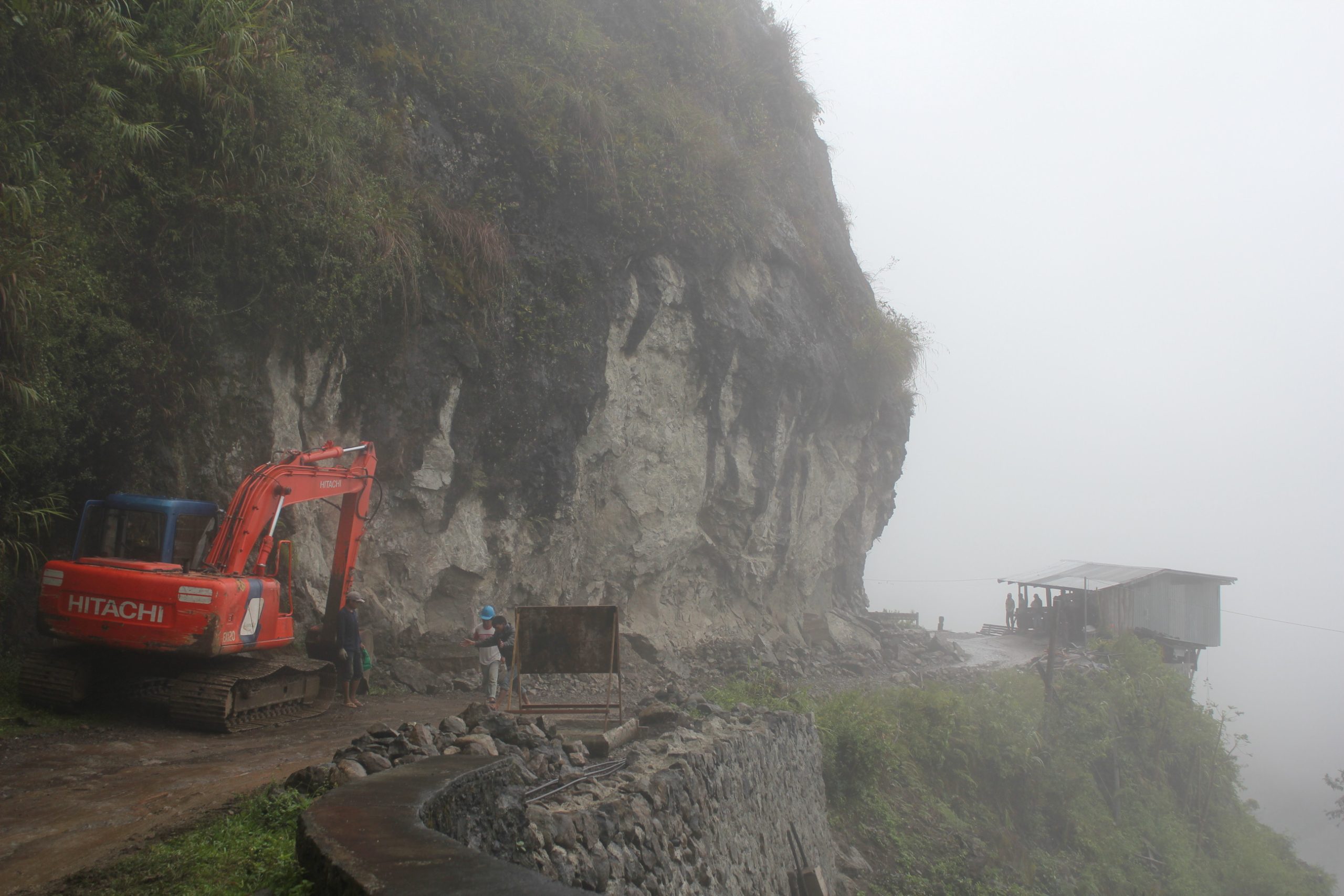
The terraces look genuinely different depending on when you go, more so than most destinations in the Philippines. April to May and October to November are when the terraces are at their greenest and most photogenic. December to March is after harvest, so the fields are drier and browner, but still worth seeing, and it’s also the coolest, most comfortable time to hike. July to September is rainy season: the flooded terraces can look striking in their own way, but this is also when landslides are most likely to close roads into the area, so build in flexibility if you’re travelling then.
Dezza’s Tip
Don’t try to do Banaue town and Batad in a single rushed day. The road and walk in to Batad take a real bite out of your day, and the whole point of going that far is to actually sit with the view for a while, not just tick it off. Give yourself the extra night if you can.
Where To Stay (By Budget)
- Banaue town, mid-range: Banaue Hotel, the well-known government-run property near the main viewpoint and a solid base if you’re splitting your trip between Banaue town and a day trip to Batad.
- Banaue town, budget-to-mid: Banaue Greenfields Inn and Restaurant, simple and central.
- Batad village: guesthouses here are basic wooden lodges with terrace views over the amphitheater, and most are family-run and only bookable by phone or by just showing up. [Specific pick to be added once I’ve stayed there again to confirm current options.] Batad Transient House is one of the few with limited online booking availability if you want something confirmed in advance.